
Snowboarding is an exciting winter sport that attracts millions of riders each year. The thrill of carving down a snowy slope is hard to match, but with that excitement comes risk. Falls are one of the most common accidents, often leading to injuries that can ruin a trip—or even cause long-term problems.
The good news is that most falls can be prevented with the right preparation, technique, and mindset. Whether you’re new to the slopes or looking to sharpen your skills, learning how to prevent falls while snowboarding is essential for safety and enjoyment.
Why Do Snowboarders Fall?
Understanding why falls happen is the first step in preventing them. Most falls occur due to:
- Loss of balance: Snowboards are slippery, and even small shifts in weight can cause you to tip over.
- Improper technique: Turning, stopping, or jumping without the right form increases risk.
- Changing snow conditions: Ice, slush, powder, and bumps can surprise even experienced riders.
- Fatigue: Tired muscles react slower, making falls more likely.
- Distractions: Looking around, talking, or adjusting gear while riding leads to accidents.
Knowing these causes helps you stay alert and take action before a fall happens.
Essential Gear For Fall Prevention
The right gear can make a big difference in avoiding falls. Here’s what matters most:
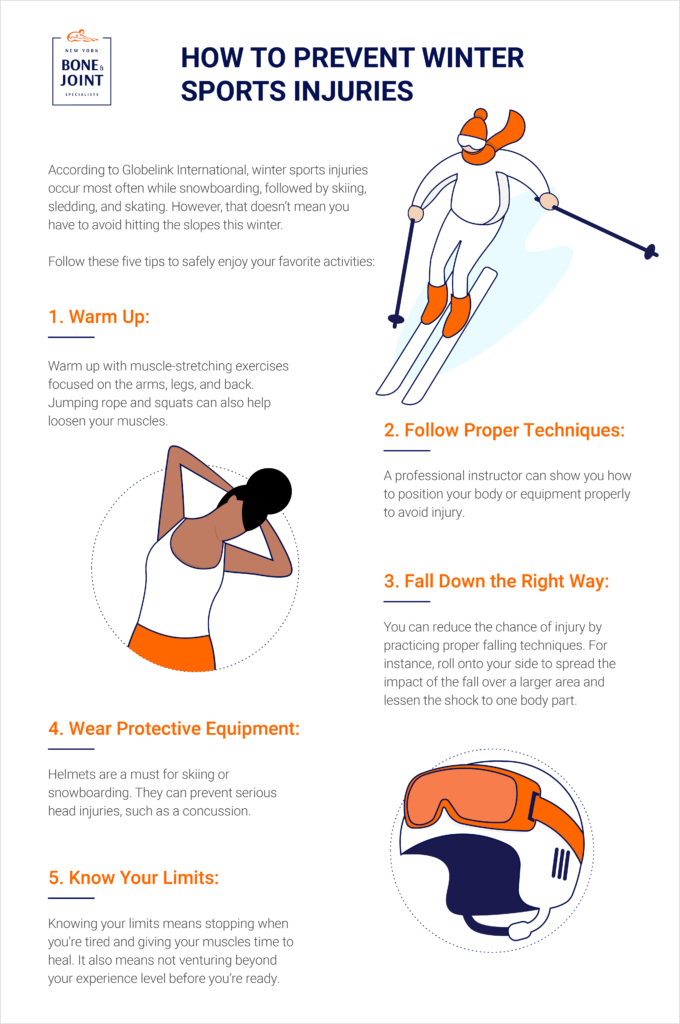
- Helmet: Always wear a certified snowboarding helmet. It doesn’t stop you from falling, but it protects your head if you do. Helmets reduce head injury risk by over 60%.
- Wrist guards: Many beginners fall forward and land on their hands. Wrist guards support your joints and absorb impact.
- Proper boots: Boots should fit snugly—not too tight, not too loose. This keeps your ankles stable and helps you control the board.
- Snowboard leash: Some resorts require a leash to keep your board from sliding away. This prevents accidents for you and others.
- Impact shorts and pads: Extra padding on your hips, tailbone, and knees can soften falls, making you less afraid to practice new moves.
Make sure all your equipment is the right size and in good condition before heading out.
Mastering The Basics: Stance And Balance
Your stance is your foundation on the board. Many falls happen because people stand incorrectly or shift their weight the wrong way.
- Shoulder-width stance: Keep your feet shoulder-width apart, knees slightly bent, and weight centered over the board.
- Look where you want to go: Your head controls your body. Always look toward your intended path, not down at your feet.
- Arms relaxed: Don’t wave your arms for balance. Instead, keep them low and relaxed, slightly in front of you.
- Stay loose: Tension makes you stiff and slow to react. Stay relaxed so you can absorb bumps and changes in terrain.
It helps to practice your stance on flat ground before riding a slope. This makes the correct position feel natural.
Learning To Fall Safely
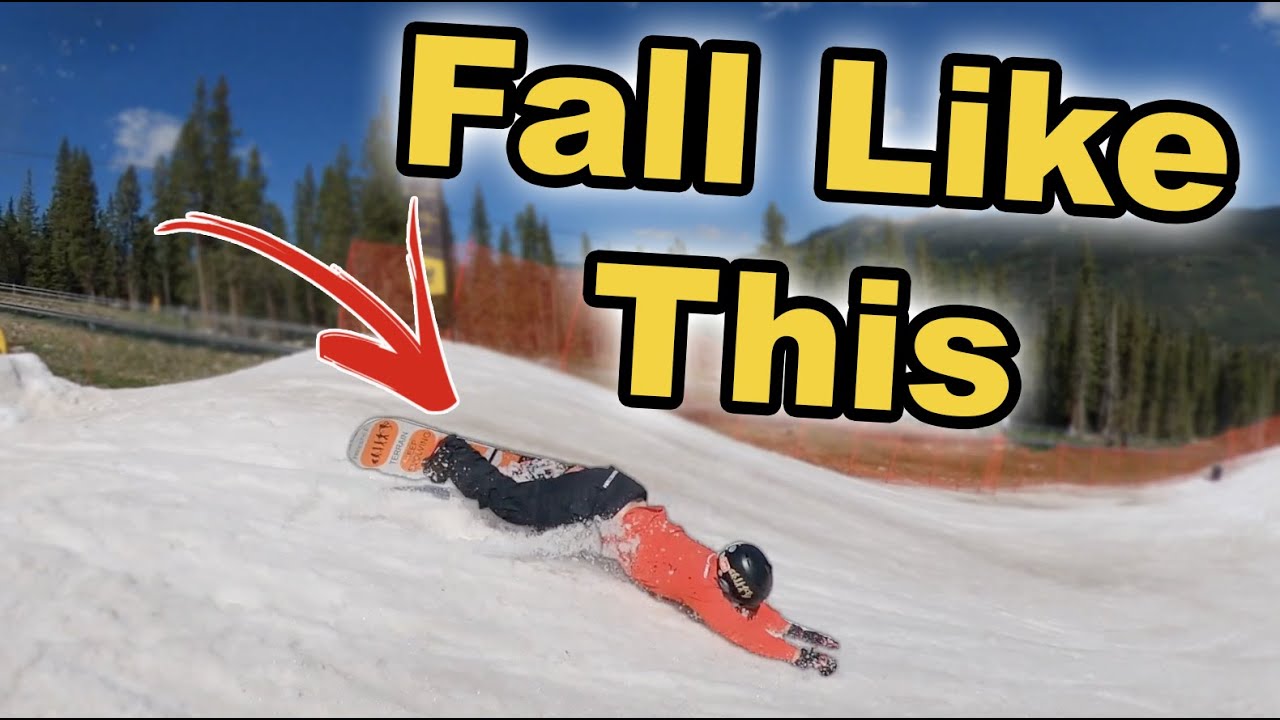
It might sound strange, but learning how to fall is just as important as learning how to ride. Most injuries happen when people try to break a fall with their hands or arms.
- Tuck and roll: If you’re falling forward, try to tuck your arms in and roll onto your forearms and knees.
- Protect your wrists: Don’t stick your hands out straight when falling. Bend your elbows and let your forearms absorb the impact.
- Fall on your butt or side: If you’re falling backward, try to land on your rear or side, not your tailbone.
- Relax: Stiffening up causes more injuries. Stay as loose as possible during a fall.
Snowboarding schools often include falling drills in beginner lessons. Practice these until they become second nature.
Building Skills: Progression For Safer Riding
Jumping onto steep slopes or tricky terrain before you’re ready is a recipe for falls. Progress slowly and master each skill before moving on.
- Start on easy slopes: Begin with green runs (beginner slopes). Only move to blue or black runs when you feel confident and controlled.
- Master basic turns: Practice both heel-side and toe-side turns until you can do them smoothly.
- Practice stopping: Learn how to stop quickly and safely using both your heel and toe edges.
- Try small jumps: If you want to try freestyle, start with tiny jumps to learn how to land correctly.
Riding with a friend or group is also safer. Others can give tips or get help if you fall.
Staying Aware Of Snow And Weather Conditions
Snow conditions change throughout the day and across the mountain. Some surfaces are much harder to ride than others.
- Powder: Soft and forgiving, but it can hide rocks or ice underneath.
- Ice: Very slippery and hard. Edges are harder to grip, and falls are more painful.
- Crud and slush: Uneven, heavy snow makes turning difficult and unpredictable.
Keep an eye on the weather and check trail reports before riding. If you’re not comfortable with the conditions, stick to easier runs or take a break.
The Role Of Fitness And Warm-up
Snowboarding is physically demanding. Strong muscles and flexible joints help you stay balanced and react quickly.
- Warm up before riding: Stretch your legs, hips, and back. Do a few squats or lunges to get your blood flowing.
- Work on balance: Off the slopes, try exercises like balance boards, yoga, or single-leg stands.
- Strengthen your core: A strong core helps you stay upright and stable, especially on bumpy terrain.
Many beginners skip warm-ups, but they’re key for preventing falls and injuries.
Understanding Your Limits
Pushing yourself is good, but knowing your limits is even better. Most falls happen when riders try something new without the right preparation.
- Don’t follow advanced friends: Ride at your own pace, not someone else’s.
- Take breaks: Fatigue increases your chance of falling. Rest every hour to recharge.
- Skip risky jumps or tricks: If you’re unsure about a jump or rail, watch others first or get instruction.
Confidence grows with practice, but overconfidence can lead to falls. Listen to your body and respect your current skill level.
Getting Professional Instruction
Lessons aren’t just for beginners. Even experienced snowboarders benefit from professional feedback.
- Qualified instructors: Certified teachers spot bad habits and help you correct them before they cause problems.
- Group lessons: Riding with others at your level helps you learn faster and avoid common mistakes.
- Private coaching: If you want to improve quickly, a private lesson gives you focused attention.
Many resorts offer advanced clinics on techniques like carving, jumps, or riding in powder. Investing in instruction pays off with better skills and fewer falls.
Comparing Common Causes And Prevention Strategies
Understanding what leads to most falls and how to counter them helps you make smart choices on the slopes. Here’s a quick comparison:
| Common Cause of Falls | Prevention Strategy |
|---|---|
| Loss of balance | Proper stance and balance training |
| Poor equipment fit | Correctly sized boots and board |
| Fatigue | Regular breaks and fitness training |
| Changing snow/ice conditions | Check weather, adapt riding style |
| Trying difficult terrain too soon | Progress slowly, take lessons |
Practical Tips For The Slopes
Simple actions can make your day safer and more enjoyable:
- Check your bindings: Loose bindings lead to falls. Tighten them before each run.
- Ride with a buddy: Friends can help if you fall or get lost.
- Keep your phone handy: In case of emergency, you can call for help.
- Know the trail map: Don’t end up on a run that’s too hard for you.
- Stay hydrated and fueled: Dehydration and hunger make you slow and clumsy.
Mistakes Beginners Often Overlook
Some things may seem small, but they have a big impact on fall prevention:
- Ignoring rest days: Your body needs time to recover. Riding every day without a break leads to fatigue.
- Not adjusting for weather: Warm days turn snow slushy and harder to control.
- Wearing the wrong socks: Thick, loose socks cause blisters and make boots fit poorly. Use thin, moisture-wicking socks.
- Forgetting sun protection: Sunburn and glare from the snow affect your concentration.
Data On Snowboarding Injuries
Snowboarding is safer than many people think, but injuries still happen. Here’s a look at some statistics:
| Type of Injury | Percentage of All Injuries | Common Cause |
|---|---|---|
| Wrist fractures | 19% | Falling forward, landing on hands |
| Shoulder injuries | 15% | Falling sideways, poor fall technique |
| Head injuries | 11% | No helmet, hard impacts |
| Ankle injuries | 9% | Loose boots, twisting falls |
| Knee injuries | 8% | Awkward landings, catching an edge |
Many of these injuries can be prevented with the right gear and good habits.
Choosing The Right Snowboard And Setup
Your board and setup should match your body and riding style. The wrong board increases your chance of falling.
- Board length: Too long is hard to control; too short is unstable. Most people should pick a board between chin and nose height.
- Flex: Softer boards are easier for beginners. Stiffer boards offer more control at high speed but require better technique.
- Bindings: Set bindings to match your stance (regular or goofy) and adjust the angle for comfort and balance.
If you’re not sure, ask for help at a rental shop or from an instructor.

Taking Care Of Your Equipment
Even the best gear won’t help if it’s not maintained. Poorly kept boards and boots can cause accidents.
- Wax your board: A dry, sticky board catches and slows you down.
- Check edges: Dull edges make it hard to grip, especially on ice.
- Dry your gear: Wet boots or gloves are uncomfortable and distract you.
- Inspect for damage: Cracks, broken straps, or loose screws should be fixed before riding.
Regular checks keep your equipment—and you—safe on the mountain.
Real-world Example: Learning From A Fall
Consider Anna, a beginner snowboarder who fell on her third day. She wore rental boots that were too loose, making it hard to control the board. While turning, she caught an edge and tried to break her fall with her hands, resulting in a wrist sprain.
After the injury, Anna bought properly fitted boots, practiced her stance, and learned how to fall correctly in a lesson. She hasn’t had a major fall since.
Many beginners make similar mistakes—using the wrong gear and not practicing safe falls. Learning from these experiences can save you pain and frustration.
Where To Learn More
For those who want detailed information on snowboarding safety and statistics, the Wikipedia Snowboarding Page offers a wide overview of the sport, including risks and injury prevention.
Frequently Asked Questions
What Is The Most Common Cause Of Falls In Snowboarding?
The most common cause is loss of balance due to improper stance or shifting weight suddenly. Poor snow conditions and fatigue also play a big role.
Can Wearing Protective Gear Really Prevent Falls?
Protective gear like helmets and wrist guards do not prevent falls, but they reduce the risk of serious injury when you do fall. Good gear also makes you more confident, which can help you ride better and avoid some falls.
How Can I Get Over My Fear Of Falling While Snowboarding?
Take lessons, practice on easy slopes, and learn how to fall safely. Fear often comes from not knowing what to expect. As you improve your skills, your confidence will grow and fear will decrease.
Is Snowboarding More Dangerous Than Skiing?
The injury rate is similar for both sports, but snowboarders are more likely to have wrist and shoulder injuries, while skiers have more knee injuries. Wearing the right gear and practicing good technique makes both sports much safer.
How Often Should I Take Breaks To Prevent Falls?
Take a short break every hour or whenever you feel tired. Fatigue is a major reason for falls, especially in the afternoon when muscles are tired.
Staying safe on your snowboard is about preparation, awareness, and practice. By following these tips and respecting your limits, you can enjoy the thrill of snowboarding while greatly reducing your risk of falls and injuries. Happy shredding!
