
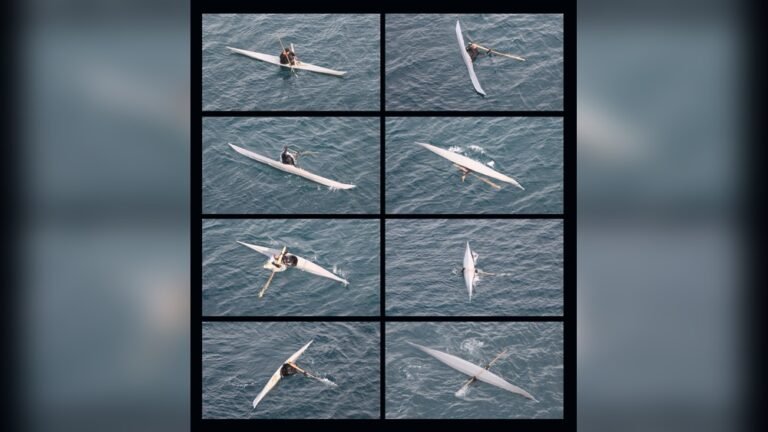
Kayak rolling is one of the most impressive and useful skills any paddler can learn. For many beginners, the idea of flipping upside down in a kayak and righting yourself without leaving the boat can seem intimidating. But with the right technique, practice, and mindset, a kayak roll is not only possible—it can become second nature.
Whether you dream of river adventures, whitewater challenges, or simply gaining more confidence on the water, learning how to perform a kayak roll is a step toward mastering your craft.
This guide breaks down the kayak roll into clear steps, explains why each part matters, and shares practical tips that even experienced paddlers sometimes overlook. You’ll learn what to expect, how to avoid common mistakes, and why patience and practice are your best friends.
Let’s dive in and discover how you can perform a kayak roll with skill and confidence.
Understanding The Kayak Roll
A kayak roll is a self-rescue maneuver that allows you to right your kayak after capsizing, without exiting the boat. This technique is essential for whitewater kayakers and sea kayakers alike. The roll not only keeps you safer but also saves energy because you don’t need to swim or empty your boat.
There are several types of rolls, but the most common for beginners is the Eskimo roll (or sweep roll). This method uses your paddle, hips, and body rotation to bring the kayak upright.
Why Learn The Kayak Roll?
- Safety: Staying in your boat means better control and less risk in moving water.
- Confidence: Knowing you can recover from a flip makes you a braver and more capable paddler.
- Efficiency: Rolling is much quicker than a wet exit and re-entry.
- Skill building: Mastering the roll improves your overall kayaking technique, especially balance and paddle control.
Equipment And Preparation
Before you start learning a kayak roll, having the right equipment and preparation is crucial.
Essential Gear
- Kayak: A suitable kayak for rolling is key. Most whitewater and sea kayaks are designed for this, but recreational kayaks may be too wide or unstable.
- Paddle: A standard kayak paddle works well. Some people prefer a Greenland paddle for practice.
- Spray skirt: This keeps water out of your kayak when upside down and helps maintain a seal.
- Personal flotation device (PFD): Always wear a properly-fitted life jacket.
- Helmet: Essential for whitewater or rocky environments.
- Nose clips and goggles (optional): These help with comfort, especially during repeated practice.
Preparing Your Mind And Body
- Practice in calm, warm water before moving to rivers or open water.
- Work with a buddy or instructor for safety and guidance.
- Warm up your shoulders, back, and core to prevent injury.

The Steps To Perform A Kayak Roll
Mastering the kayak roll is about breaking down the movement into small, manageable steps. Here’s a clear, step-by-step process to help you succeed.
1. Setup Position
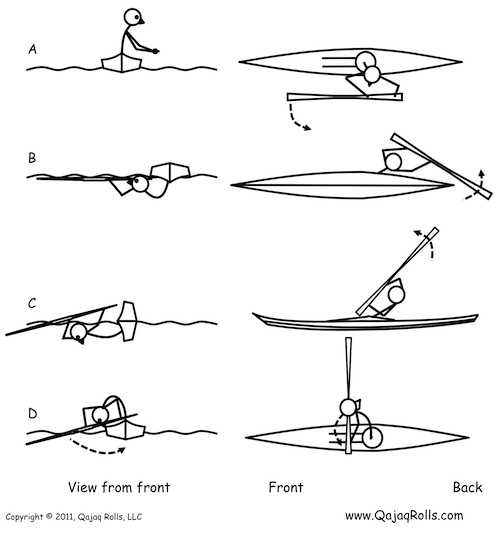
As you capsize, keep a firm grip on your paddle. Tuck forward, bringing your head close to the deck and your paddle alongside the kayak. Your hands should be just wider than shoulder-width.
- Key tip: The setup is about protecting your face and preparing for a strong roll—not about speed.
2. Paddle Position
Position your paddle so the blade closest to the surface is flat and ready to sweep outward. The other blade should be close to the side of your kayak.
- Non-obvious insight: Many beginners forget to keep their wrists straight. Bent wrists reduce paddle power and can cause injury.
3. The Sweep
With your body still tucked, sweep the paddle in a wide arc on the surface. Imagine drawing a big half-circle away from your kayak.
- Example: Think of slicing the water with your paddle, not digging deep.
4. Hip Snap
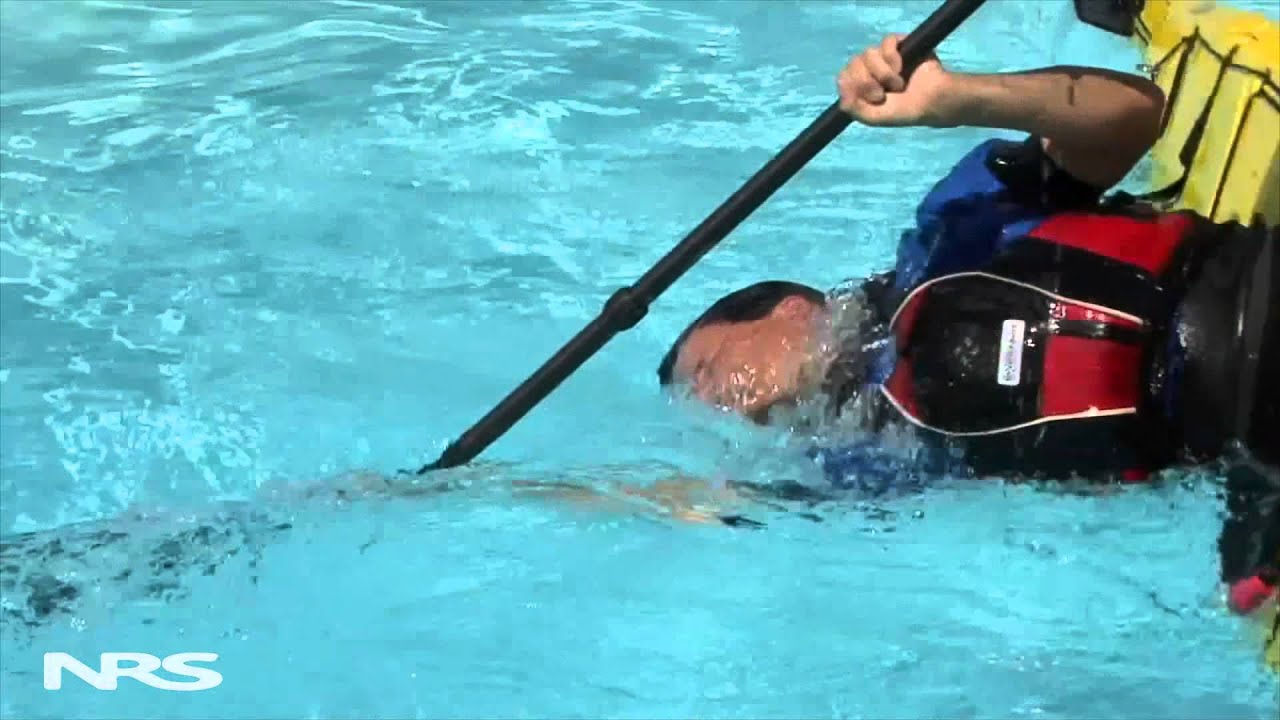
This is the heart of the roll. As your paddle sweeps, snap your hips quickly to bring the kayak upright. Your head should stay down, close to the water, letting your hips do the work.
- Common mistake: Lifting your head too early. This pulls the kayak back down.
- Expert tip: Practice the hip snap on dry land with a helper holding your kayak.
5. Recovery
As the kayak rights itself, your torso follows, and your head comes up last. Finish with your paddle balanced on the surface for stability.
- Key point: Smooth, controlled movements help you recover without wobbling or flipping again.
6. Reset And Breathe
Take a moment to stabilize and catch your breath. If you’re practicing, repeat the roll to build muscle memory.
Practical Tips For Success
Learning the kayak roll takes time and patience. Here are some tips to help you progress faster and safer:
- Practice the hip snap separately: Do this while holding onto the pool edge or with a friend.
- Film yourself: Seeing your roll on video helps you spot errors.
- Try different kayaks: Some boats are easier to roll than others.
- Stay relaxed: Tension wastes energy and makes rolling harder.
- Don’t rush: Focus on smooth technique instead of speed.
Common Mistakes And How To Fix Them
Even experienced paddlers make errors during the roll. Here are some common mistakes and how to correct them:
- Raising the head too soon: Always let your head come up last to avoid sinking the kayak again.
- Not using the hips: The roll is powered by your hips, not your arms.
- Incorrect paddle angle: Keep the leading blade flat on the water for support.
- Poor setup position: A sloppy setup makes the roll harder.
- Holding breath too long: Practice breathing techniques to stay calm underwater.
Practicing In Different Environments
The water environment can change how your roll feels. Here’s how to adapt:
Pool Practice
- Warm, calm, and safe for learning.
- Use a buddy or instructor for feedback.
- Focus on slow, correct technique.
Lake Or Flatwater
- Adds some wind and wave action.
- Practice handling slight chop while rolling.
River Or Whitewater
- Strong currents and obstacles add challenge.
- Only attempt after mastering the roll in calm water.
- Always wear a helmet and have a rescue plan.
Comparing Roll Types
There are several kayak roll techniques. Here’s a quick comparison of the three most common:
| Roll Type | Difficulty | Best Use | Main Feature |
|---|---|---|---|
| Standard Sweep Roll | Beginner | General Kayaking | Wide sweep, hip snap |
| C-to-C Roll | Intermediate | Whitewater | Strong hip snap, quick motion |
| Hand Roll | Advanced | Whitewater/Trick | No paddle, pure body motion |
- Insight: Learning the sweep roll first gives a strong foundation for other techniques.
Safety Considerations
Rolling can be physically demanding and sometimes risky. Always follow these safety tips:
- Never practice alone in open water.
- Know your limits—if you feel dizzy or tired, stop.
- Keep your gear in good condition.
- Learn basic rescue techniques in case you can’t roll up.
Building Strength And Flexibility
Strong core and flexible hips make rolling easier. Here are some exercises to try:
- Torso twists
- Hip bridges
- Planks
- Shoulder stretches
- Swimming for overall conditioning
Progress Tracking: How To Know You’re Improving
Keeping a log of your practice helps you see progress. Track:
- Number of successful rolls per session
- Types of environments practiced in
- Comfort level underwater
If you’re getting up more often and with less effort, you’re on the right track.
Kayak Roll Success Rates
Data from paddling schools shows that most beginners can learn a reliable roll within 10–15 sessions with proper instruction. Success rates are higher for those who practice regularly and focus on technique.
| Practice Sessions | Average Success Rate |
|---|---|
| 1–5 | 10–25% |
| 6–10 | 30–60% |
| 11–15 | 70–90% |
| 16+ | 90%+ |
- Expert advice: Quality of practice matters more than quantity. Focus on good form, not just repetition.
The Role Of Professional Instruction
While some paddlers teach themselves, most benefit from professional coaching. An instructor can:
- Spot errors you can’t see yourself
- Demonstrate correct form
- Keep you safe during practice
- Suggest tailored drills for your weaknesses
A good starting point for learning more about kayak rolling techniques is the Wikipedia Kayak Roll page.
Frequently Asked Questions
What Is The Easiest Kayak Roll For Beginners?
The sweep roll (also called Eskimo roll) is the easiest for most beginners. It uses a wide paddle sweep and a strong hip snap, making it more forgiving if your form isn’t perfect.
How Long Does It Take To Learn A Kayak Roll?
Most people can learn the basics in 10–15 practice sessions with proper instruction. Regular, focused practice and feedback speed up the process.
Can I Learn To Roll In Any Kayak?
Not all kayaks are designed for rolling. Whitewater and sea kayaks are best. Recreational kayaks are wide and flat, making rolling much harder or even impossible.
What Should I Do If I Fail To Roll?
If your roll fails, exit the kayak safely (wet exit) and swim to shore or get help. Always practice wet exits before learning to roll, so you’re prepared.
How Can I Overcome Fear Of Being Upside Down?
Start by practicing breath control and staying calm underwater. Work with a buddy or instructor, and gradually build confidence by spending short periods upside down before attempting the roll.
Learning to perform a kayak roll is a journey, not a sprint. Celebrate small wins, be patient, and remember that every paddler struggles at first. With persistence and proper technique, you’ll soon be rolling up with confidence and enjoying the freedom that comes with mastering this essential skill.
