
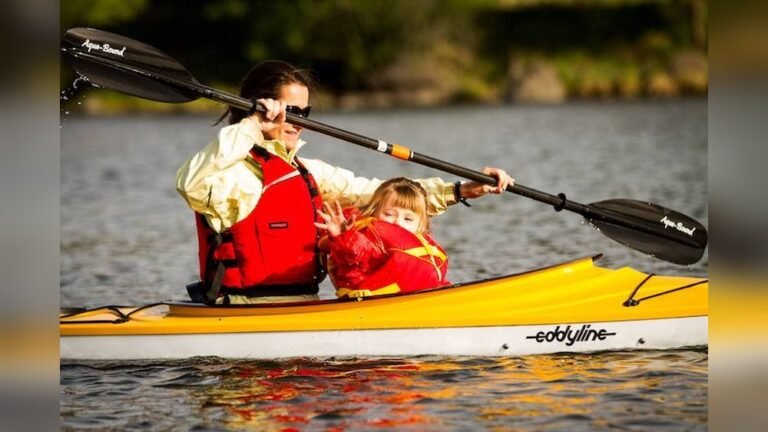
Kayaking with children can turn an ordinary day into a true adventure. Paddling together brings families closer, creates lifelong memories, and helps kids develop a love for nature and water safety. But, as with any outdoor activity involving young ones, there are important steps to keep everyone safe, happy, and excited for the next trip.
Whether you’re an experienced paddler or just getting started, this guide will help you prepare, choose the right gear, and plan a trip that works for both adults and kids.
Why Kayak With Children?
Bringing children on the water is about more than just paddling. It’s a chance to teach teamwork, build confidence, and introduce kids to outdoor skills. Studies show that spending time in nature can improve children’s attention spans and lower stress. Kayaking encourages problem-solving and strengthens the bond between parent and child. Plus, it’s fun! With the right approach, kayaking becomes a family activity that everyone looks forward to.
Choosing The Right Kayak
Picking the correct kayak is essential for safety and enjoyment. Not all kayaks are suitable for children. Here’s what to consider:
Tandem Vs. Single Kayaks
Most families find tandem kayaks (built for two or more people) ideal when paddling with children. Adults control the boat while kids sit in front, helping paddle when possible. Some experienced children age 10 and up might use their own youth-sized kayak under supervision.
Stability And Size
Look for wide, stable kayaks. A wider base means less tipping, which gives children more confidence. Avoid long, narrow racing kayaks—they’re fast but easy to flip.
Sit-on-top Vs. Sit-inside
Sit-on-top kayaks are popular for family trips. They’re easy to get in and out of, and if you tip over, you simply climb back on. Sit-inside kayaks can feel more secure, but they trap water if capsized.
Kayak Comparison Table
Here’s a side-by-side look at features to consider when kayaking with children:
| Kayak Type | Stability | Ease of Use | Best For |
|---|---|---|---|
| Sit-on-top | High | Beginner-friendly | All ages, warm weather |
| Sit-inside | Medium | Intermediate | Cool weather, older kids |
| Tandem | High | Guided by adult | Young children, family trips |
| Youth kayak | Medium | Lightweight | Older children (10+) |

Preparing For Your Trip
Preparation is the foundation of a safe and enjoyable outing. There are several things to do before getting on the water.
Choose A Safe Location
Pick a calm, shallow area for your first trips—lakes, slow-moving rivers, or sheltered bays are best. Avoid strong currents, waves, or busy boat traffic. Always check the weather forecast and avoid kayaking in storms or high winds.
Plan The Right Distance
Keep the route short—especially for beginners. Children tire easily and may lose interest if the trip is too long. A one- to two-hour trip is ideal for families starting out.
Dress For Success
Children should wear lightweight, quick-dry clothing. Avoid cotton, which stays wet and cold. Bring hats, sunglasses, and sunscreen to protect against sunburn. Water shoes are safer than flip-flops or bare feet.
Safety Gear Checklist
Never skip safety gear. Here’s what every child should have:
- Personal Flotation Device (PFD): Must fit snugly and be U.S. Coast Guard approved.
- Whistle: Teach kids how to use it for emergencies.
- Sun Protection: Sunscreen (SPF 30+), sunglasses with strap, hat.
- Water Bottle: Hydration is key.
- Snacks: High-energy foods like granola bars.
- First Aid Kit: Small, waterproof kit for cuts and scrapes.
Safety Gear Table
Here’s a comparison of essential gear for children vs. adults:
| Item | Children | Adults |
|---|---|---|
| PFD (Life Jacket) | Child-specific, snug fit | Adult size, proper fit |
| Whistle | Essential, easy to reach | Recommended |
| Sun Protection | High SPF, full coverage | SPF 30+, hat |
| Water/Snacks | Frequent breaks | As needed |
| First Aid Kit | Nearby, child-friendly supplies | Standard kit |
Teaching Children The Basics
Don’t assume children will understand kayaking right away. Take time to explain and demonstrate.
On Land
Practice on dry land first. Show them how to:
- Sit properly in the kayak
- Hold the paddle (hands shoulder-width apart)
- Wear the PFD correctly
- Enter and exit the kayak safely
In Shallow Water
Before heading out, let kids practice getting in and out of the kayak in shallow water. This builds confidence and shows what to do if the boat tips.
Paddle Skills
Start with simple strokes:
- Forward stroke: Reach forward, dip the blade, and pull back.
- Reverse stroke: Push the paddle away to slow or stop.
- Turning: Paddle only on one side to turn the kayak.
Keep sessions fun and short—children learn best through play.
On The Water: Keeping It Safe And Fun
Safety and enjoyment go hand in hand. Here’s how to make the trip memorable and safe.
Always Supervise Closely
Stay within arm’s reach of young children. Older kids in their own kayak should always be within shouting distance. If paddling as a group, keep everyone together.
Set Clear Rules
Make sure children know the rules before launching:
- Always wear the PFD
- Stay seated unless landing
- No standing or leaning over the side
- Listen to the adult leader
Make It An Adventure
Turn paddling into a game. Count birds, look for fish, or race to a certain point. Bring a waterproof camera to capture the fun. Kids love spotting wildlife—point out turtles, ducks, or dragonflies along the way.
Take Breaks Often
Rest stops are essential. Plan to land every 30–45 minutes so kids can stretch, snack, and explore the shore. A tired child is more likely to get cranky or unsafe.
Watch For Signs Of Trouble
Pay attention to children’s energy, mood, and body language. If a child seems cold, bored, or scared, end the trip early. Forcing a long paddle can turn them off kayaking for years.
Handling Common Challenges
Even well-planned trips can have surprises. Here’s how to handle common problems:
Fear Of Water
Some children are nervous around water. Let them splash in the shallows before getting in the kayak. Praise small steps and never force a child who isn’t ready.
Capsizing
If the kayak flips, stay calm. Make sure everyone’s head is above water, then help children hold onto the boat. Practice getting back into the kayak in shallow water before your trip.
Weather Changes
If wind or rain starts, head for shore quickly. Teach kids to paddle toward land, not against strong currents or waves.
Short Attention Spans
Bring small toys, snacks, or a simple fishing rod. Mix up paddling with swimming or shore play to keep interest high.
Building Skills Over Time
As children gain confidence, increase the challenge step by step.
Progressing To More Difficult Water
Start with calm lakes. As skills grow, try gentle rivers or longer trips. Always check local rules and safety guidelines for children.
Letting Kids Take Charge
Let children help plan routes, pack gear, or steer the kayak under supervision. This builds responsibility and excitement for future trips.
Example: A Family Kayaking Day
Imagine a family with two children, ages 6 and 11. They start on a small lake in a tandem sit-on-top kayak. The adult sits in back, the 11-year-old helps paddle, and the 6-year-old enjoys the view. Everyone wears a PFD.
They paddle for 30 minutes, stop for a snack on shore, then hunt for frogs along the water’s edge. The outing lasts two hours—just right for young paddlers. Back at home, the kids are already asking about the next trip.

Two Non-obvious Insights
- Let Children Choose Roles: Giving kids simple responsibilities—like being the “navigator” or “snack captain”—keeps them engaged and reduces complaints.
- Practice “Wet Exits” Early: Before your first real trip, have children (and adults) practice falling out and getting back in the kayak in shallow, warm water. This removes fear and prepares everyone for real emergencies.
Common Mistakes To Avoid
- Skipping the PFD, even for confident swimmers
- Choosing a kayak or location that’s too advanced
- Ignoring changing weather conditions
- Pushing tired or scared children to continue paddling
- Not practicing basic skills before the trip
Useful Resources
For more water safety tips and regulations, the American Canoe Association is a trusted source: American Canoe Association.
Frequently Asked Questions
What Age Can Children Start Kayaking?
Most children can start kayaking as passengers at age 2–3 if they are comfortable in water and wear a well-fitting PFD. By age 6–8, many kids can help paddle a tandem kayak. Solo paddling in a youth kayak is usually safe for ages 10 and up, depending on swimming ability and supervision.
How Do I Know If My Child’s Life Jacket Fits Properly?
A properly fitting PFD should feel snug but not tight. With the child’s arms raised, try lifting the shoulders of the PFD—if it slips above the chin or face, it’s too loose. Always use a U.S. Coast Guard approved life jacket designed for the child’s weight.
What Should I Do If My Kayak Flips With My Child?
Stay calm. Make sure everyone is wearing a PFD and above water. Hold onto the kayak or paddle to shore if possible. Practice re-entering the kayak in shallow water before your trip, so kids know what to expect.
Can My Child Use An Adult-sized Paddle?
Children should use a child-sized paddle. Adult paddles are too heavy and long, making paddling difficult and tiring. Youth paddles are lighter and easier to handle.
How Can I Keep My Child Entertained During A Kayak Trip?
Make the trip fun with games, wildlife spotting, and frequent breaks. Let kids help choose the route or bring a waterproof camera. Mix paddling with swimming or shore activities to avoid boredom.
Kayaking with children is a rewarding experience when you’re well prepared. With the right gear, smart planning, and a playful attitude, you’ll create memories your family will treasure for years.

