
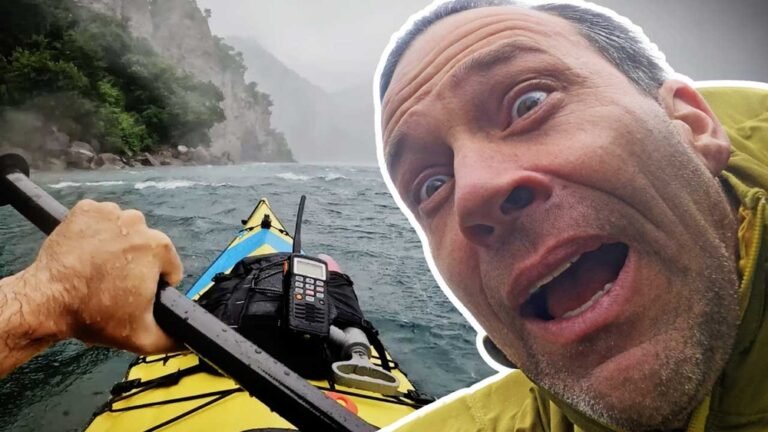
Kayaking is an adventure that brings you close to nature, but when the wind picks up, the experience can quickly change from peaceful to challenging. Windy conditions are common on lakes, rivers, and coastal waters, and every kayaker should learn how to handle them. Whether you’re new to kayaking or have some experience, being prepared for wind will help you stay safe, paddle efficiently, and enjoy your time on the water.
Kayaking in the wind is not just about strength. It’s about strategy, awareness, and adapting your technique. Many beginners underestimate how much wind can affect a kayak’s direction and speed. But with the right knowledge and a few key skills, you can paddle confidently even when the breeze turns strong.
This guide breaks down everything you need to know about kayaking in windy conditions: planning, gear choices, paddling techniques, safety tips, and what to do if things don’t go as planned. You’ll also find insights that most newcomers miss, like reading wind patterns and using your body position to your advantage. Let’s get started and help you master the wind.
Understanding Wind And Its Effects On Kayaking
Before you go out in windy weather, it’s important to know how wind interacts with your kayak. Wind can push your kayak off course, make paddling harder, and increase the risk of tipping over. Wind direction, speed, and the shape of your kayak all play roles in how much you’ll be affected.
A gentle breeze might only slow you down, but winds above 10 knots (about 11. 5 mph or 18. 5 kph) can start to create real challenges. The higher your kayak sits above the water, the more the wind will catch it.
Wide, flat kayaks are usually harder to control in wind compared to longer, narrower ones.
An often-missed fact: wind can create waves, even on small lakes. These wind waves can be choppy and unpredictable, making it harder to keep your balance. Understanding these basics helps you plan better and react faster if the wind changes.
Essential Preparation Before Heading Out
Good preparation is your first defense against windy conditions. Here’s what you should do before launching your kayak:
- Check the Weather Forecast: Use reliable weather apps or sites to check for wind speed, gusts, and direction. Look for terms like “small craft advisory.” Even if the sky is clear, strong winds can come suddenly. Winds above 15 knots (about 17 mph or 28 kph) are considered risky for recreational kayakers.
- Know Your Limits: Be honest about your kayaking skills and physical strength. If you’re new, avoid winds above 10 knots. Build up your experience in moderate conditions first.
- Plan Your Route: Choose a route that offers protection from the wind, such as staying close to the shore or paddling in coves. Avoid open water crossings where the wind has more power.
- Tell Someone Your Plan: Always let a friend or family member know where you’re going and when you expect to return.
- Pack Safety Gear: Bring a whistle, personal flotation device (PFD), and a paddle leash. In windy conditions, a lost paddle can quickly drift away. Don’t forget a waterproof phone or radio for emergencies.

Choosing The Right Kayak And Equipment
The kind of kayak and gear you use can make a big difference in windy weather.
| Kayak Type | Wind Performance | Best Use |
|---|---|---|
| Touring Kayak | Handles wind well | Open water, long distances |
| Recreational Kayak | Struggles in wind | Calm lakes, short trips |
| Inflatable Kayak | Very affected by wind | Sheltered areas |
Touring kayaks are longer, narrower, and have lower profiles, so wind pushes them less. Recreational and inflatable kayaks are higher and wider, making them more vulnerable to wind.
Paddle choice also matters. A lightweight paddle with a larger blade can help you make stronger, more controlled strokes in strong wind. If you have a kayak with a rudder or skeg, use it—these tools help keep your kayak on course.
Another tip: secure all loose items. Wind can catch on gear strapped above the deck, making your kayak harder to handle.
Launching And Landing In Windy Conditions
Getting on and off the water is often the trickiest part in the wind.
- Launch from Sheltered Spots: Find a spot protected by trees, rocks, or docks. If the wind is strong, launch into the wind so you have control from the start.
- Stabilize Your Kayak: Keep the nose pointed into the wind while getting in. Ask for help if possible.
- Quick, Controlled Movements: Move quickly but carefully to avoid getting blown sideways.
- Landing: Approach the shore into the wind whenever possible. This helps slow your kayak and keeps you pointed in a safe direction.
One detail many forget: strong wind can blow your kayak away while you’re getting ready. Always keep your kayak secured with a rope or by holding it until you’re in and ready to paddle.
Paddling Techniques For Windy Weather
Your paddling technique needs to change when the wind picks up. Here are some key techniques to master:
1. Paddle Into The Wind
When facing the wind, take shorter, more frequent strokes. This keeps your momentum steady and helps you cut through wind and waves.
2. Use The “rudder Stroke”
To stay on course, use a rudder stroke: keep your paddle in the water at the back of your kayak for a second or two after a stroke. This acts like a steering rudder and helps correct your direction.
3. Low-angle Stroke
Keep your paddle shaft low and close to the water. This reduces wind resistance and saves energy.
4. Feather Your Paddle
Adjust your paddle blades so they’re at an angle to each other (feathering). This means the blade in the air slices through the wind, not against it. Many paddles have buttons to set this angle.
5. Edge Your Kayak
Lean your kayak slightly into the wind or toward the direction you want to go. This technique, called “edging,” helps you turn more easily and resist wind drift.
6. Use Your Core
Strong arms help, but your core muscles (stomach, back, hips) are key. Rotate your body with each stroke, not just your arms. This gives you more power and reduces fatigue.
A common mistake is trying to fight the wind with brute force. Instead, focus on technique, posture, and rhythm.
Reading The Water And Wind
Learning to “read” the water and wind will give you an advantage.
- Watch for Gusts: Look for patterns on the water surface. Darker, rippled patches often mean stronger gusts are coming.
- Use Landmarks: If you’re being blown off course, aim for a fixed point on shore and adjust your heading regularly.
- Understand Wind Shadows: Large rocks, trees, or even buildings can block the wind. Paddle in these wind shadows for a break.
- Notice Wave Direction: Wind-driven waves show you where the strongest wind is coming from. Paddle diagonally to the waves if going straight into them is too hard.
One thing beginners miss: wind speed often increases in the afternoon. Plan your trip so you’re heading back before the strongest winds.

Staying Safe In Windy Conditions
Safety should always come first. Here’s how to protect yourself when kayaking in the wind:
- Wear a PFD: Even if you’re a strong swimmer, a personal flotation device is essential.
- Stay Close to Shore: This gives you a quick escape if the wind becomes too much.
- Avoid Open Water: The farther you are from land, the more dangerous strong wind can be.
- Carry Communication Tools: A waterproof phone, VHF radio, or whistle can be lifesavers.
- Know When to Turn Back: If paddling becomes impossible or you’re getting tired, don’t push on. Turn back or find a sheltered spot to wait it out.
- Raft Up If In a Group: If you’re kayaking with others, get close together during strong gusts for stability.
- Stay Calm If You Cap Size: Practice getting back into your kayak in calm water before you need to do it for real.
A non-obvious insight: wind can cool your body quickly, even on warm days. Wear layers and bring a windproof jacket.
What To Do If Things Go Wrong
Despite preparation, sometimes you can get caught in stronger wind than expected.
- Stay With Your Kayak: If you capsize, hold on to your kayak. It floats and is easier to spot than a person in the water.
- Signal for Help: Use a whistle, mirror, or phone to call for help.
- Paddle at an Angle: If you can’t go directly into the wind, try paddling at a 45-degree angle to reach shore.
- Don’t Panic: Panic wastes energy. Stay calm, focus on breathing, and make a plan.
- Use “Ferrying” Technique: Move sideways across the wind by angling your kayak, so you drift toward your goal instead of fighting the wind directly.
Remember, even expert kayakers sometimes get caught by surprise. The key is to stay calm and use your training.
Training And Building Skills
The best way to improve your kayaking in wind is to practice. Start in light wind, then build up as you get stronger and more skilled.
- Practice in Safe Areas: Use small lakes or ponds to practice turning, stopping, and edging in wind.
- Take a Kayak Course: Many organizations offer classes in wind and wave handling. Instructors can show you advanced techniques like bracing and self-rescue.
- Join Group Outings: Paddling with others makes learning safer and more fun.
One extra tip: keep a kayaking log. Write down wind conditions, what worked, and what didn’t. This helps you learn faster.
Comparing Wind Speeds And Kayaking Difficulty
Here’s a quick reference to help you judge when it’s safe to paddle:
| Wind Speed (knots) | Conditions | Difficulty Level |
|---|---|---|
| 0-5 | Calm, easy paddling | Beginner |
| 6-10 | Small waves, some drift | Intermediate |
| 11-15 | Choppy, hard to stay on course | Advanced |
| 16+ | Dangerous, strong waves and gusts | Expert/Not recommended |
If you’re unsure, it’s better to wait for better weather than to risk your safety.

Extra Tips For Kayaking In The Wind
- Keep Your Paddle Low: The higher your paddle, the more the wind can catch it.
- Watch for Fatigue: Paddling in wind takes more energy. Take breaks and drink water.
- Adjust Your Seat Position: If your kayak allows, move the seat forward to lower the front and reduce wind resistance.
- Pack Smart: Put heavier gear in the front (bow) to keep your kayak steady.
One last insight: sometimes the best decision is to skip kayaking for the day if conditions look dangerous. Good judgment is the most important safety tool.
For more on kayaking safety and wind effects, you can read research and safety guides on the American Whitewater website.
Frequently Asked Questions
What Wind Speed Is Too High For Kayaking?
For most recreational kayakers, winds above 15 knots (about 17 mph or 28 kph) are too strong and unsafe. Beginners should avoid winds above 10 knots. Always check the forecast before heading out.
How Do I Paddle My Kayak Straight In Strong Wind?
Keep your kayak pointed into the wind when possible. Use short, quick strokes and the rudder stroke to correct your course. If your kayak has a skeg or rudder, use it to help track straight.
What Should I Do If I Capsize In Windy Conditions?
Stay with your kayak, signal for help, and try to get back in if possible. Don’t try to swim to shore unless you’re very close, as wind and waves can tire you quickly.
Can I Kayak Alone In Windy Conditions?
It’s best to avoid solo kayaking in strong wind. If you must go alone, stay close to shore, carry safety gear, and let someone know your plans.
What’s The Best Way To Launch A Kayak When It’s Windy?
Launch from a sheltered spot with the kayak pointed into the wind. Keep your kayak secured until you’re ready to get in, and move quickly to avoid losing control.
Kayaking in windy conditions is challenging, but with good preparation, the right technique, and safety in mind, you can paddle confidently and enjoy your time on the water. Remember, the wind is part of the adventure—but respect it, and always make choices that put safety first.
