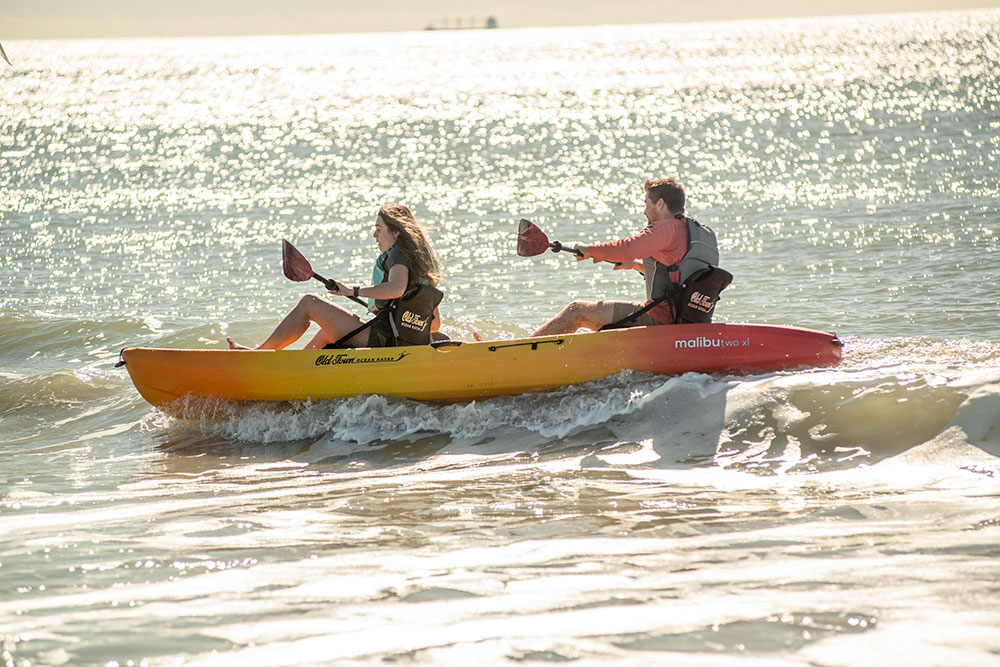

Kayaking in the ocean is a thrilling way to connect with nature and challenge yourself. The open sea offers freedom, beauty, and adventure, but it also brings unique risks that you won’t find on calm lakes or rivers. If you want to learn how to kayak in the ocean, you need more than just basic paddling skills—you must understand the environment, safety, equipment, and techniques that make ocean kayaking both rewarding and safe.
Many beginners make the mistake of thinking ocean kayaking is just like kayaking anywhere else, but with bigger waves. In reality, the sea is unpredictable. Weather can change fast, currents can surprise you, and even experienced paddlers must always respect the power of the ocean. This guide will walk you through everything you need to know: from choosing the right kayak to handling emergencies and enjoying the experience with confidence.
Understanding Ocean Kayaking
Ocean kayaking is different from flatwater or river kayaking. The sea is dynamic. Tides, waves, wind, and marine life all play a part. You need to plan ahead and stay alert on the water.
Why Try Ocean Kayaking?
- Adventure: Each trip is unique, with new sights, sounds, and challenges.
- Wildlife: You might see dolphins, sea birds, or even whales.
- Physical fitness: Paddling in the ocean works your whole body.
But the sea also demands respect. Even calm-looking water can hide strong currents or sudden changes.
Common Challenges
- Waves and surf: Handling waves is a skill you must learn.
- Navigation: Landmarks are far apart, and fog can appear quickly.
- Weather: Wind, rain, and storms can make conditions dangerous.
- Fatigue: Ocean paddling is harder than on a lake.
Essential Equipment For Ocean Kayaking
Having the right gear is the foundation of safe ocean kayaking. Unlike rivers or lakes, you need specialized equipment for the ocean’s unique demands.
Ocean Kayak Types
Ocean kayaks are built for stability, speed, and handling rough water. Let’s compare the main types:
| Kayak Type | Best For | Pros | Cons |
|---|---|---|---|
| Sea Kayak (Sit-In) | Long trips, rough water | Faster, drier, more control | Harder to get in/out, needs skill |
| Sit-On-Top Kayak | Short trips, beginners | Easy to get on/off, stable | Slower, you get wet |
| Touring Kayak | Day trips, mixed conditions | Versatile, storage space | Not for big surf |
Tip: For your first ocean trips, choose a kayak with a length of at least 12 feet. Longer kayaks track better and handle waves more easily.
Key Gear Checklist
- Personal Flotation Device (PFD): Always wear a coast guard-approved life jacket.
- Spray skirt: Keeps water out of sit-in kayaks.
- Paddle leash: Prevents losing your paddle in waves.
- Bilge pump: For removing water from inside your kayak.
- Wet/dry bag: Protects valuables and clothing.
- Marine compass and GPS: Helps you navigate when landmarks are hard to see.
- Whistle or signaling device: For emergencies.
- VHF radio or phone in waterproof case: Essential for communication.
Clothing For Ocean Kayaking
The sea can be cold, even in summer. Dress for the water temperature, not just the air.
| Condition | Recommended Clothing |
|---|---|
| Cold Water (<15°C/59°F) | Wetsuit or drysuit, neoprene gloves, hat |
| Cool Water (15–20°C/59–68°F) | Wetsuit, synthetic layers, windbreaker |
| Warm Water (>20°C/68°F) | Quick-dry shirt, shorts, sun protection |
Non-obvious insight: Even on warm days, cold water shock is dangerous. Always dress so you could survive a capsize.
Planning Your Ocean Kayak Trip
Preparation is the key to a safe, fun ocean kayaking experience. Never just show up and paddle out—do your homework.
Choosing Your Route
- Start with protected bays or coastal areas with lifeguards and other paddlers.
- Avoid open ocean or offshore routes until you have experience.
- Check for launch sites with easy access, parking, and emergency services.
Tides And Currents
The ocean is always moving. Tides change water levels and can create strong currents.
- Use tide charts to know when tides change.
- Aim to paddle with the current, not against it, if possible.
- Beware of rip currents near shore—these can pull you out to sea.
Weather Forecasting
Check weather forecasts before you go, and understand what they mean for kayakers.
- Wind speed: More than 15 knots (about 28 km/h) is challenging for most.
- Wave height: Beginners should avoid waves over 1 meter (3 feet).
- Visibility: Fog is dangerous—never paddle in poor visibility.
- Use marine weather services for detailed forecasts.
Practical tip: Download a weather app that offers marine forecasts, not just general weather.
Basic Skills For Ocean Kayaking
Ocean kayaking demands more than basic paddling. You must be able to control your kayak in waves, wind, and current.
Launching Through Waves
- Watch the waves for a few minutes. Time your launch between sets, when the sea is calmest.
- Push your kayak out until you are floating, then get in quickly.
- Paddle hard to get past the breaking waves.
Paddling Techniques
- Use long, smooth strokes for efficiency.
- Keep your core tight and rotate your torso, not just your arms.
- Use rudder or skeg (if you have one) for tracking straight in wind.
Handling Wind And Currents
- Paddle into the wind at a slight angle, not straight against it.
- If the current is strong, aim your kayak upstream and let it carry you sideways to your target.
Turning And Bracing
- Practice sweep strokes to turn quickly.
- Learn the low brace and high brace to keep from capsizing in waves.
Non-obvious insight: Practice your recovery skills (like the wet exit and self-rescue) in calm water before you need them in the ocean.

Safety Tips For Ocean Kayaking
Most accidents happen because of poor planning or lack of safety gear. Follow these rules for every trip.
Never Paddle Alone
Always go with at least one partner. If you must go solo, stay close to shore and tell someone your route and return time.
Know Your Limits
If the conditions look harder than you expected, don’t go out. It’s better to wait for another day.
Carry Emergency Gear
Always have a whistle, signal mirror, and emergency contact info. In cold water, a thermal blanket can save your life.
Learn Self-rescue
Practice these methods:
- Wet exit: How to get out of your kayak if you tip over.
- Re-entry: How to get back in from the water.
- Assisted rescue: How to help or be helped by another kayaker.
Stay Visible
Wear bright clothing and attach a flag or light to your kayak.
Reading The Ocean: Waves, Tides, And Hazards
Understanding the ocean environment is as important as knowing how to paddle.
Reading Waves
- Breaking waves: The most dangerous. Avoid launching or landing in big surf.
- Swell: Long, rolling waves. Easier to handle than short, choppy waves.
- Ripples: Usually safe, but can indicate wind direction.
Tides And Currents
Tides can expose rocks or mudflats and change the difficulty of landing.
- Incoming tide: Water rises, covering hazards.
- Outgoing tide: Water falls, exposing obstacles and sometimes creating strong currents.
Common Hazards
- Rocks and reefs: Hard to see at high tide.
- Boats and ships: Stay out of shipping lanes.
- Marine life: Respect wildlife—keep your distance.
Example: In some areas, seals or sea lions may approach your kayak. Stay calm and never try to touch them.
Navigating And Finding Your Way
Ocean kayaking often means paddling where landmarks are far apart. Good navigation skills keep you safe.
Basic Navigation Tools
- Compass: Always carry a marine compass.
- GPS: A waterproof GPS helps you find your way if fog rolls in.
- Charts: Local nautical charts show hazards and distances.
Landmarks And Sighting
Pick a visible landmark on shore and aim for it. If you lose sight, use your compass or GPS.
Dealing With Fog
- Stay close to shore if fog is likely.
- If caught in fog, stop paddling, listen for sounds, and wait for it to clear.
- Use your whistle to signal your position if boats are nearby.
Non-obvious insight: Even if you have GPS, practice using your compass in case batteries fail.
Handling Emergencies
Even with good planning, things can go wrong. Know what to do if there’s a problem.
Capsize And Self-rescue
If you flip over:
- Stay with your kayak—it floats and is easier to see.
- Signal for help if you need it.
- Try a self-rescue or wait for assistance.
Getting Lost
- Use your compass and retrace your path.
- Paddle parallel to the shore until you find a familiar landmark.
Medical Issues
Carry a basic first aid kit. Common issues include sunburn, dehydration, and jellyfish stings.
When To Call For Help
If you’re in real trouble (injured, lost, or can’t get back), use your VHF radio or phone to call the coast guard.
For more safety tips and ocean conditions, you can check the NOAA website.

Enjoying The Experience
Ocean kayaking is not just about surviving—it’s about enjoying the beauty and power of the sea.
- Take time to watch wildlife, listen to the waves, and enjoy the feeling of freedom.
- Bring snacks and water, and take breaks on safe beaches.
- Join a local paddling club to learn from experienced kayakers.
Remember: The ocean is always changing. Every trip teaches you something new.
Frequently Asked Questions
What Is The Best Type Of Kayak For Ocean Kayaking?
A sea kayak (sit-in) is best for ocean paddling. It handles waves well, tracks straight, and keeps you drier than other types. Beginners can also use a sit-on-top kayak in calm coastal areas.
Do I Need Special Training To Kayak In The Ocean?
Yes. You should learn self-rescue, navigation, and how to handle waves before venturing far from shore. Taking a course or joining a guided trip is a smart way to start.
How Do I Stay Safe From Sharks Or Marine Animals?
Shark attacks on kayakers are extremely rare. Stay calm, avoid paddling near seals (shark food), and never feed or approach wildlife. Most animals will ignore you if you keep your distance.
Can I Kayak In The Ocean Alone?
It’s possible, but not recommended, especially for beginners. If you go solo, stay close to shore, tell someone your plan, and carry all safety gear.
What Should I Do If The Weather Changes Suddenly?
Head to shore as soon as you see signs of a storm or strong wind. Always check the forecast before your trip, and bring a VHF radio or phone in a waterproof case for emergencies.
Kayaking in the ocean is an amazing way to explore, exercise, and discover nature. With preparation, the right skills, and respect for the sea, you can stay safe and have unforgettable adventures on the water.