
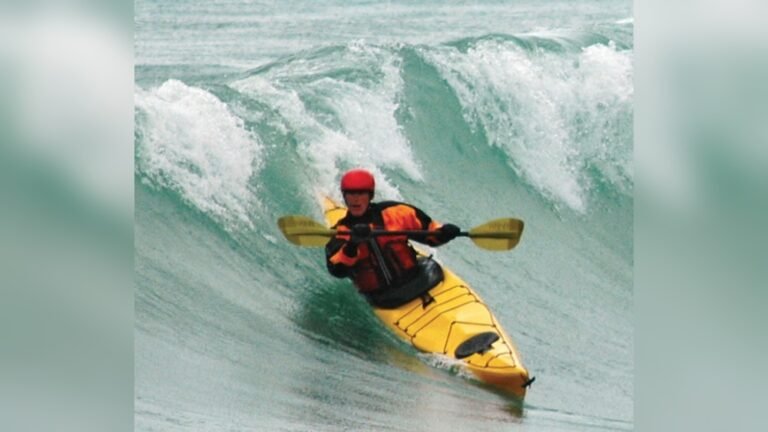
Kayaking in rough water is both thrilling and challenging. Paddling through powerful waves, swirling currents, or fast-moving rivers can test your skills and courage. But with the right knowledge, preparation, and techniques, you can enjoy the excitement while staying safe.
Whether you dream of conquering whitewater rapids or want to navigate coastal surf, learning how to kayak in rough water opens up new adventures. This guide covers everything you need—from safety gear and skills to practical tips and common mistakes—so you can approach rough water with confidence.
Understanding Rough Water Kayaking
Before heading out, it’s important to know what “rough water” means for kayakers. Rough water refers to conditions where the water is fast-moving, choppy, or turbulent. This can include whitewater rivers, surf zones, tidal races, or windy lakes. Rough water is unpredictable. Waves can appear suddenly, currents can pull you off course, and obstacles may hide below the surface.
Kayaking in these conditions requires more than basic paddling skills. You need to read the water, react quickly, and use advanced techniques. Even experienced kayakers respect rough water because it can be dangerous if you are not prepared.
Essential Gear For Rough Water Kayaking
The right equipment is critical. Not only does it help you perform better, but it also keeps you safe if something goes wrong.
Personal Safety Equipment
- Personal Flotation Device (PFD): A high-quality, properly fitted PFD is non-negotiable. It keeps you afloat if you capsize.
- Helmet: Essential for whitewater or rocky rivers. Protects your head from impacts.
- Spray Skirt: Keeps water out of the cockpit, helping you stay drier and more stable.
- Wetsuit or Dry Suit: In cold water, hypothermia is a real risk. Dress for the water temperature, not just the air.
Kayak And Paddle Choices
Not all kayaks are suitable for rough water. Here’s a comparison of common types:
| Kayak Type | Best For | Stability | Maneuverability |
|---|---|---|---|
| Whitewater Kayak | Rivers, Rapids | High | Excellent |
| Sea Kayak | Ocean, Coastal | Moderate | Good |
| Recreational Kayak | Calm Lakes | High | Poor |
Choose a kayak designed for the water you plan to paddle. Use a sturdy paddle with reinforced blades that can handle impacts.
Other Key Items
- Whistle or signaling device for emergencies
- Throw rope for rescues
- First aid kit in a waterproof bag
- Float bags to prevent your kayak from sinking if it fills with water
Many beginners overlook the importance of a helmet and throw rope. Even on moderate rivers, a helmet can prevent serious injury, and a throw rope is vital for group safety.
Building Essential Skills
You cannot rely on gear alone. Skill is your most valuable asset in rough water.
Paddling Techniques
Master these strokes and maneuvers:
- Forward stroke: Basic but critical for speed and control.
- Sweep stroke: Turns your kayak quickly.
- Draw stroke: Moves you sideways to avoid obstacles.
- Low and high brace: Prevent capsizing by stabilizing your kayak when hit by waves.
Practicing these in calm water first helps build muscle memory.
Reading The Water
Rough water is always changing. Learn to spot:
- Eddies: Calm spots behind obstacles where you can rest.
- Waves and holes: Formed by water flowing over rocks. Holes can trap your kayak.
- Currents: Fast-moving water that pushes you in different directions.
Training with experienced kayakers or taking a course can help you recognize these features in real time.
Rolling And Self-rescue
Knowing how to roll your kayak upright is a game changer. If you flip, a roll lets you recover without leaving your kayak. Practice wet exits and re-entries too, so you can get back in if you swim.
Many paddlers wait too long to learn rolling, but it makes you much more confident and safe.
Planning And Preparation
Preparation is as important as skill. Good planning reduces risk and increases enjoyment.
Know The Conditions
Check the weather and water levels before you go. Wind speed, rain, and temperature can change conditions quickly.
- Use river gauges or tide charts for up-to-date information.
- Avoid kayaking alone in rough water. A partner can help if things go wrong.
Route Planning
Map your route, including entry and exit points, rest stops, and possible hazards. Share your plan with someone on shore.
Physical And Mental Readiness
Kayaking in rough water is demanding. Build endurance and strength before tackling tough conditions. Stay calm under pressure—panic leads to mistakes.
On-the-water Tactics
Once you’re on the water, use these strategies to stay in control.
Positioning And Group Safety
Stay close to your group but not so close that you collide in waves. Set a lead paddler and a sweep paddler (at the back) to keep track of everyone.
Pacing And Rest
Rough water is tiring. Paddle at a steady pace and use eddies to rest. Drink water and eat snacks to maintain energy.
Managing Waves And Currents
- Hit waves head-on at a slight angle to avoid capsizing.
- Use your hips and body, not just your arms, to keep balance.
- Anticipate changes in current—don’t fight strong flows, work with them.
A key insight: Small adjustments in your body position can prevent a flip. Keep your upper body loose and flexible.
Common Mistakes And How To Avoid Them
Many kayakers make the same errors in rough water. Here’s how to avoid them:
- Overestimating skill: Start on easier rivers or coastlines. Don’t jump into Class IV rapids right away.
- Ignoring safety gear: Always wear a helmet and PFD, even if others don’t.
- Not scouting hazards: Get out and look at tricky rapids or surf zones before paddling them.
- Poor communication: Agree on hand signals with your group for clear communication.
- Getting tired: Take breaks and know your limits. Fatigue leads to mistakes.
Even confident paddlers sometimes neglect scouting hazards. Take the time to check from shore; it can prevent accidents.

Advanced Skills And Progression
As you gain experience, you’ll want to handle tougher conditions.
Learning To Surf Kayak
Ocean surf is a different challenge. Practice in small waves first, focus on timing and quick turns, and always respect local surf etiquette.
Running Bigger Rapids
Start with lower-grade rapids, then work up to more advanced runs. Take a whitewater safety course to learn rescue techniques like “throw bagging” and “live bait” rescues.
Joining Kayak Clubs And Courses
Learning with a group makes progression faster and safer. Many clubs offer coached sessions and trips. For example, the American Canoe Association offers certified instruction and resources for all skill levels (American Canoe Association).
Risk Management And Emergency Actions
No one expects to capsize or get stranded, but you should always be prepared.
Dealing With Capsizes
- Try to roll up first. If you can’t, exit the kayak.
- Hold onto your paddle and kayak.
- Swim to the nearest safe spot—avoid standing in fast water.
Rescue Techniques
Practice T-rescues (where another kayaker helps you re-enter) and using a throw rope. Knowing these can save lives.
Emergency Communication
Carry a waterproof phone or VHF radio. In remote areas, a personal locator beacon (PLB) is a good investment.
One non-obvious tip: Many accidents happen after the main danger is past, when paddlers relax too soon. Stay alert until you’re off the water.
Kayak And Paddle Maintenance For Rough Water
Rough water is tough on equipment. After each trip:
- Rinse your kayak and gear with fresh water to remove sand and salt.
- Check for cracks, dents, or loose fittings.
- Store your gear out of direct sun to prevent damage.
Over time, paddles can develop small cracks from hitting rocks—inspect them regularly to avoid surprises.
Comparing Rough Water Kayaking With Flatwater
For those new to rough water, it’s helpful to compare it with calmer conditions:
| Feature | Flatwater Kayaking | Rough Water Kayaking |
|---|---|---|
| Skill Level | Beginner-friendly | Intermediate to Advanced |
| Risk | Low | High |
| Gear Needed | Basic | Specialized |
| Physical Demand | Low to Moderate | High |
| Navigation | Straightforward | Requires advanced skills |
Tips For Building Confidence
- Practice wet exits and rolling in a pool or calm water before rough conditions.
- Start small—short stretches of rapids or gentle surf.
- Observe experienced paddlers. Watch how they read the water and react.
- Celebrate small successes. Every rapid you run or wave you surf builds skill.
- Keep learning—there are always new techniques to master.
Frequently Asked Questions
What Is The Best Kayak For Rough Water?
A whitewater kayak is ideal for rivers and rapids because it is short, strong, and very maneuverable. For ocean or coastal conditions, a sea kayak is better—long and designed for handling big waves and wind. Avoid recreational kayaks in rough water; they lack the features needed for safety and control.
Do I Need Special Training To Kayak In Rough Water?
Yes, special training is highly recommended. Take a whitewater or surf kayaking course to learn essential skills like rolling, reading water, and rescue techniques. Training helps you build confidence and avoid dangerous mistakes.
What Should I Do If My Kayak Capsizes In Rough Water?
Stay calm. Try to roll back up if you know how. If not, exit your kayak, hold onto your gear, and swim to safety using the current—not against it. Practice self-rescue and group rescue techniques before heading into rough water.
How Can I Stay Safe While Kayaking In Rough Water?
Always wear a PFD and helmet, check weather and water conditions, never paddle alone, and carry safety gear like a whistle, throw rope, and first aid kit. Plan your route and share your plan with someone on shore. Take regular breaks to avoid fatigue.
Where Can I Learn More About Kayaking In Rough Water?
Join a local kayak club or take certified courses from reputable organizations like the American Canoe Association. You can also find helpful guides and forums online, such as British Canoeing.
Kayaking in rough water is a journey that combines skill, preparation, and respect for nature. With the right mindset and tools, you can safely enjoy the thrill and beauty of challenging waters. Every successful trip builds not just your ability, but your confidence on the water.

