
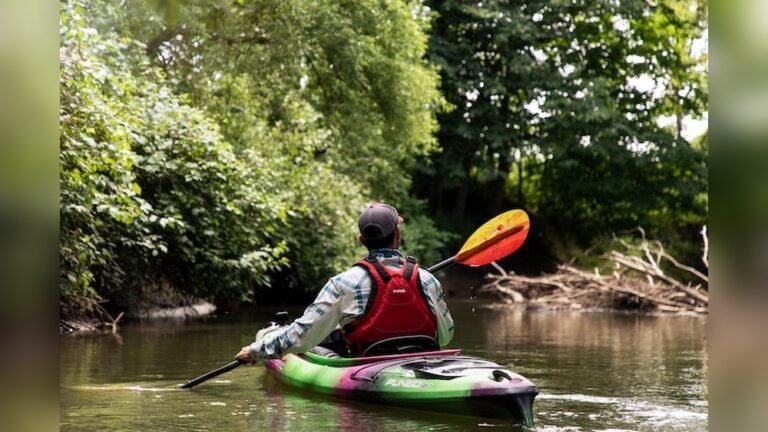
Kayaking on rivers is a thrilling way to connect with nature, test your skills, and enjoy time outdoors. Whether you want to paddle gently along a calm stream or face the excitement of whitewater, river kayaking is an adventure that many people can enjoy.
But to get the most out of it—and stay safe—you need to know the basics, prepare well, and understand how rivers behave. This guide will walk you through everything you need to start kayaking in rivers confidently, from choosing your gear to paddling techniques, safety, and more.
Understanding River Kayaking
River kayaking is different from kayaking on lakes or the sea. Rivers have currents, changing water levels, obstacles like rocks, and sometimes fast-moving water. Each river is unique, so your approach must adapt to the environment.
Beginners often underestimate how quickly a river can change. A gentle stretch can turn into fast rapids, or hidden rocks may surprise you. Take time to observe the river before you start. Notice the flow, any visible hazards, and how other kayakers move. This awareness can help you avoid accidents and make your trip more enjoyable.
Choosing The Right Kayak
The kayak you choose will affect your experience on the river. There are several types of river kayaks, each with specific advantages.
| Type of Kayak | Best For | Main Features |
|---|---|---|
| Recreational Kayak | Calm rivers, beginners | Stable, easy to control, wider body |
| Whitewater Kayak | Rapids, advanced paddlers | Short, maneuverable, high rocker |
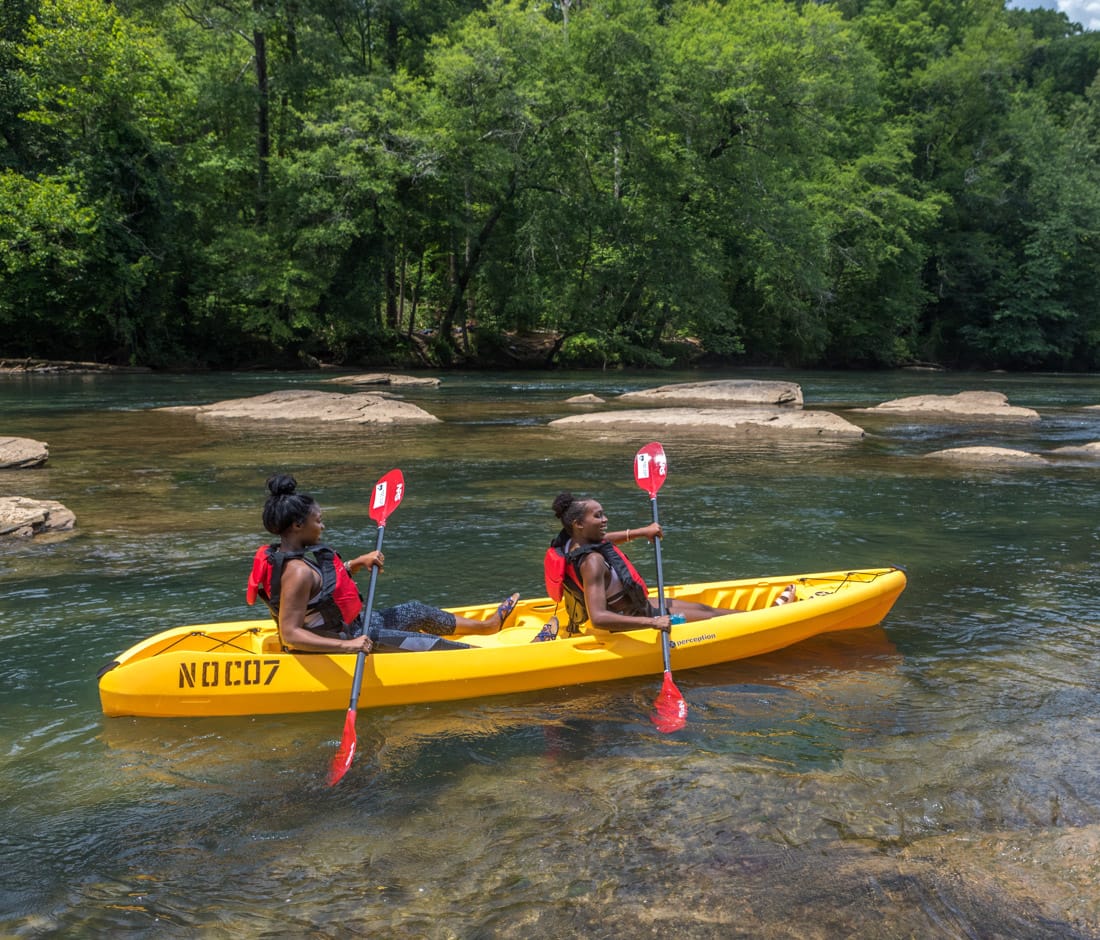
| Tandem Kayak | Two paddlers, families | Longer, more stable, seating for two |
| Inflatable Kayak | Easy transport, beginners | Lightweight, portable, less durable |
Tip: For your first river trip, pick a stable recreational or inflatable kayak unless you have experience with rapids.
Essential Gear For River Kayaking
Having the right gear is just as important as having the right kayak. Here’s what you’ll need:
- Personal Flotation Device (PFD): A life jacket designed for kayaking is non-negotiable. It should fit snugly but allow free movement.
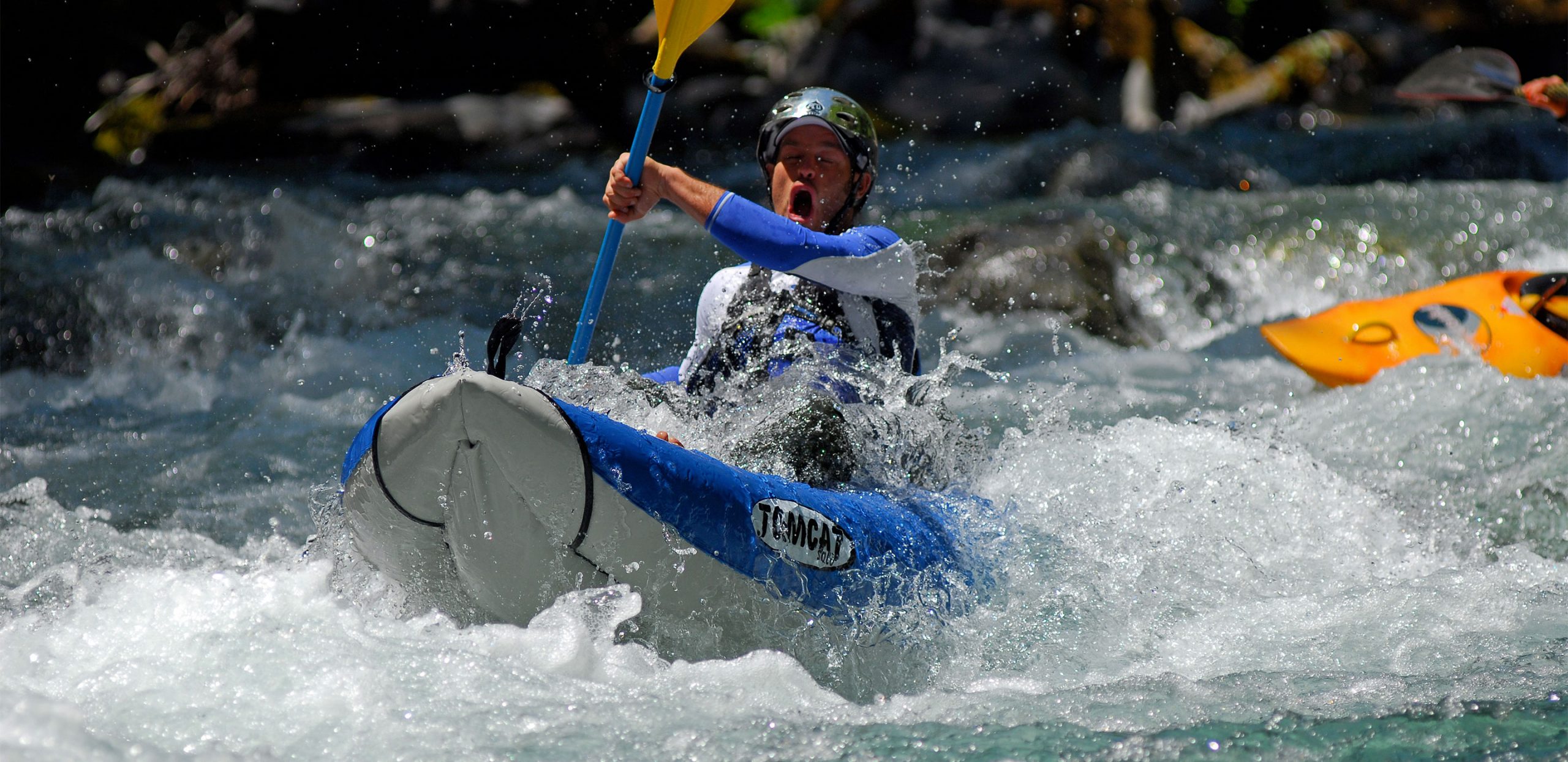
- Helmet: Vital for whitewater or any river with rocks and obstacles.
- Paddle: Choose a paddle the right length for your height and kayak width. Lightweight paddles help reduce fatigue.
- Spray Skirt: Keeps water out of your kayak, especially in rough conditions.
- Dry Bag: Keeps valuables, snacks, and a change of clothes safe and dry.
- Proper Clothing: Dress for the water temperature, not just the air. Layers, synthetic fabrics, and a wetsuit or drysuit are good options.
- Footwear: Water shoes or sandals with straps protect your feet and provide grip.
Non-obvious insight: Always bring a whistle attached to your PFD for signaling in case of emergency. Many paddlers forget this, but it’s a simple safety measure.
How To Prepare For Your Trip
Preparation can make the difference between a fun day and a risky situation. Here’s how to get ready:
Research The River
- Check river levels and flow rates online. Many rivers have gauges and reports.
- Look for information on common hazards, access points, and take-out spots.
- Know the river’s class (difficulty rating). Beginners should stick to Class I or II.
Pack Smart
- Bring extra water and snacks.
- Carry a small first aid kit.
- Pack a map or download offline maps on your phone.
- Bring sun protection: Hat, sunglasses with a strap, and sunscreen.
Let Someone Know
Tell a friend or family member your planned route and when you expect to finish. This step is often skipped, but it’s crucial for safety.
River Reading: Understanding Water Features
Reading the river is a key skill. Rivers are full of features that affect how you paddle.
| Feature | Description | How to Handle |
|---|---|---|
| Current | The main flow of water | Paddle with the current, watch for speed changes |
| Eddy | Calm water behind obstacles | Use for resting or planning your next move |
| Rapid | Fast, turbulent water | Only enter if trained; follow the safest line |
| Strainer | Obstacles that let water pass but not objects (like branches) | Avoid at all costs |
| Wave Train | Series of small waves | Keep your kayak straight, paddle steadily |
Pro tip: Practice spotting eddies and using them to rest. Even on easy rivers, this helps you stay in control and conserve energy.
Basic Paddling Techniques
Mastering a few key strokes will help you move efficiently and stay safe.
Forward Stroke
The most used stroke. Dip the blade near your toes and pull back smoothly. Keep your arms straight and rotate your torso for power.
Sweep Stroke
To turn, use a wide, arcing stroke from the front to the back of your kayak. This turns your boat without losing much speed.
Back Stroke
Paddle in reverse to slow down or move backwards. It’s important for avoiding obstacles.
Draw Stroke
Move your paddle sideways to pull your kayak closer to something—helpful for docking or avoiding rocks.
Common mistake: Many beginners use only their arms. Use your whole upper body—shoulders and core—to paddle efficiently.
Safety Essentials
River kayaking can be safe if you respect the water and follow basic precautions.
- Wear your PFD at all times—even good swimmers can run into trouble.
- Never kayak alone. Paddle with at least one other person.
- Avoid alcohol or drugs before and during your trip.
- Check the weather forecast. Avoid rivers during heavy rain or storms.
- Know your exit points and don’t be afraid to walk around (portage) difficult sections.
Non-obvious insight: Learn how to self-rescue—practice getting back into your kayak from the water. This skill is often overlooked until it’s needed.
How To Launch And Land
Getting in and out of a kayak on a river bank can be tricky.
- Look for a shallow, calm spot with gentle current.
- Place your kayak parallel to the shoreline.
- Keep your paddle across the kayak behind you for balance as you sit down.
- Push off gently, using your paddle to steady yourself.
For landing, approach the shore at a shallow angle, slow down with back strokes, and step out carefully. Avoid slick rocks and swift currents near the edge.
Navigating Common River Challenges
Dealing With Obstacles
Rivers often have rocks, logs, and branches. Stay alert and look ahead. If you see a strainer (branches or logs that let water pass but block kayaks), steer away early.
If you get stuck on a rock, lean into it to prevent tipping, then use your hands or paddle to push off gently.
Handling Rapids
If you’re ready for rapids, start with easy ones (Class I or II). Keep your kayak straight, paddle steadily, and avoid sudden movements. Don’t panic if you get splashed—focus on staying balanced.
Never attempt higher-class rapids without training and proper gear.
Crossing Eddies And Currents
Move in and out of eddies using a slight angle and a few strong strokes. Lean slightly into the current when crossing from an eddy to avoid flipping.
What To Do If You Capize
Capsizing can happen, even to experienced paddlers. Stay calm:
- Hold onto your paddle and kayak if possible.
- Float on your back with your feet downstream to protect yourself.
- Swim to shore or into an eddy before trying to flip your kayak.
- Drain water and re-enter if safe, or walk along the shore to a safer spot.
Do not stand up in fast-moving water—your foot could get trapped, leading to dangerous situations.

Practicing Your Skills
Start on easy rivers and spend time practicing basic strokes, turning, and rescue techniques. Join a local paddling club or take lessons from a certified instructor. Learning from others is one of the fastest ways to improve and stay safe.
River Kayaking Etiquette
Respect other paddlers, anglers, and wildlife. Yield to upstream kayakers—they have less control than you. Avoid loud noises and leave no trace behind.
Never block access points or disturb nesting birds and animals along the riverbanks.
Common Mistakes To Avoid
- Not checking river conditions before launching.
- Forgetting essential gear like PFDs or helmets.
- Overestimating your skill level—start small and build confidence.
- Ignoring weather changes.
- Not practicing self-rescue techniques.
- Kayaking alone, especially as a beginner.
Comparing River Kayaking With Other Water Activities
To help you understand how river kayaking is unique, here’s a comparison with other popular paddling sports:
| Activity | Water Type | Main Challenge | Beginner Friendly? |
|---|---|---|---|
| River Kayaking | Rivers (moving water) | Currents, obstacles | Yes, on calm rivers |
| Sea Kayaking | Oceans, large lakes | Waves, tides, wind | No, more advanced |
| Canoeing | Lakes, slow rivers | Wind, navigation | Yes |
| Stand-Up Paddleboarding | Lakes, calm rivers | Balance, wind | Yes |
This shows that river kayaking is accessible but requires unique skills and preparation.
Where To Learn More
If you want to dive deeper, consider reading resources from the Wikipedia Kayaking page. Local paddling clubs, outdoor shops, and certified instructors are also good places to ask questions and join guided trips.
Frequently Asked Questions
How Do I Choose The Right River For My Skill Level?
Start with rivers rated Class I or II. These are gentle and have few obstacles. Avoid rivers with strong currents or rapids until you have more experience and training.
Can I Kayak Alone On A River?
It’s not recommended, especially for beginners. Paddling with a partner improves safety in case of accidents or emergencies.
What Should I Do If I See A Thunderstorm While Kayaking?
Get off the water immediately. Find shelter away from tall trees and metal objects. Never try to “outrun” a storm on the river.
How Do I Transport A Kayak To The River?
Use a roof rack or trailer. Secure the kayak with straps. Inflatable kayaks can be packed in a bag and carried in most cars.
Is River Kayaking Safe For Children?
Yes, but only on gentle rivers, with the right-sized gear, and under close adult supervision. Always use proper PFDs and start with short, easy trips.
Kayaking in rivers opens up new worlds of adventure and beauty. With the right knowledge, gear, and respect for the water, you can enjoy this sport safely and confidently. Remember, every trip is a chance to learn something new—so paddle smart, and have fun on the river!
