
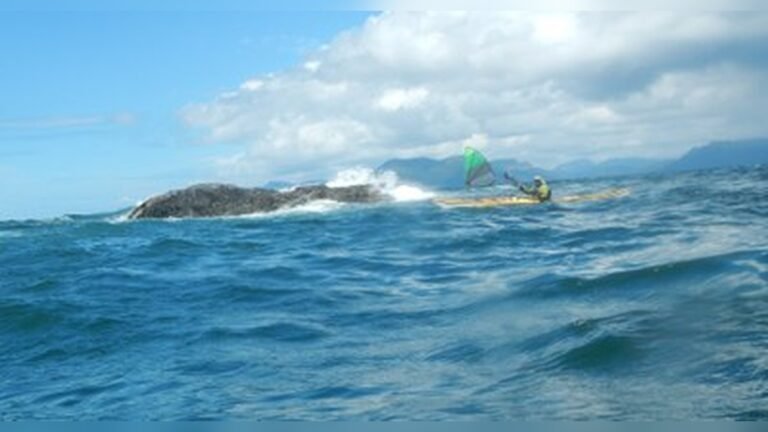
Kayaking is one of the best ways to connect with nature, explore hidden corners of our world, and enjoy peaceful water settings. More people are discovering the joys of paddling, but as interest grows, so does the need to protect fragile environments. Protected areas—like national parks, marine reserves, and wildlife sanctuaries—offer unique beauty but also demand special care from visitors. Kayaking here is not just about having fun; it’s about respecting the land, water, and wildlife.
Many beginners believe kayaking in protected areas is just like paddling anywhere else. In reality, these areas have special rules and challenges. Understanding them can help you avoid fines, keep nature safe, and enjoy a richer experience. This guide explains everything you need to know before, during, and after your adventure.
What Makes An Area “protected”?
Protected areas exist to conserve nature, culture, and sometimes even history. They include national parks, wildlife refuges, and marine protected zones. These places often have rare plants, endangered animals, or delicate habitats that can be easily damaged by careless visitors. Rules and guidelines are created to balance enjoyment with conservation.
For example, the Great Barrier Reef Marine Park in Australia is a protected area where kayaking is allowed, but only in certain zones and with strict rules. Breaking these rules can harm the environment and lead to penalties.
Preparing For Your Kayak Trip
Preparation is the most important step for a responsible and enjoyable trip.
Research The Area
Every protected area is different. Some may allow kayaking everywhere, while others restrict it to certain zones. Always check the official website, visitor center, or park rangers for up-to-date rules, maps, and regulations. For example, the Everglades National Park in Florida provides detailed maps showing which waterways are open to paddlers.
Permits And Fees
Many protected areas require permits for kayaking. These permits help control visitor numbers and fund conservation efforts. Costs vary, from a few dollars per day to more expensive annual passes. Some parks limit the number of kayaks per day to protect wildlife during breeding seasons.
Equipment Inspection
Inspect your kayak and gear before entering a protected area. Many parks ask you to clean and dry all equipment to prevent the spread of invasive species. For example, New Zealand’s Fiordland National Park requires a full decontamination process for boats and gear.
Pack Smart
Leave unnecessary items at home. Bring only what you need, and pack out everything you bring in. Avoid single-use plastics, and use reusable bottles and containers. Don’t forget a dry bag to keep your essentials safe.
Safety Gear
Always wear a personal flotation device (PFD), even if you are a strong swimmer. Bring a whistle, navigation tools (like a waterproof map and compass), and a basic first aid kit. In remote areas, a GPS or emergency beacon is recommended.
Understanding Local Rules And Restrictions
Each protected area has its own set of rules to preserve the environment and keep visitors safe.
Zoning And Access
Some areas split the water into zones—open, limited, or closed. You may need to stick to marked routes or avoid sensitive breeding grounds. Sometimes, certain times of the year are off-limits due to nesting birds or spawning fish.
Wildlife Guidelines
Never approach, chase, or feed animals. Disturbing wildlife, even by accident, can cause harm. For example, paddling too close to nesting birds can lead them to abandon their eggs.
Waste And Sanitation
“Leave No Trace” is a golden rule. All garbage, including food scraps and fishing line, must be carried out with you. Use portable toilets if you need to relieve yourself, or follow park rules for waste disposal.
Noise Levels
Many protected areas ask visitors to keep noise to a minimum. Loud sounds can stress animals and disturb other visitors. Speak softly and paddle gently.
Responsible Kayaking Practices
Being a responsible kayaker protects both nature and your own experience.
Stay On Designated Routes
Stick to marked trails or recommended paths. These routes are chosen to minimize damage to fragile habitats like seagrass beds or coral reefs.
Paddle Carefully
Avoid scraping the bottom with your paddle or kayak, especially in shallow waters. This prevents damage to plants and animals living below the surface.
Launch And Land Responsibly
Use official launching sites when available. Avoid trampling on reeds, grass, or sand dunes, which may contain bird nests or rare plants.
Clean Your Gear
Before and after your trip, rinse your kayak, paddles, and gear with fresh water. This prevents the spread of invasive species that can harm the local ecosystem.
Group Size And Spacing
Travel in small groups. Large crowds can overwhelm wildlife and make more noise. Keep a respectful distance from other paddlers and animals.
No Collection Or Removal
Do not take shells, rocks, plants, or animals, even if they seem common. Removing even small items can upset the balance of the ecosystem.
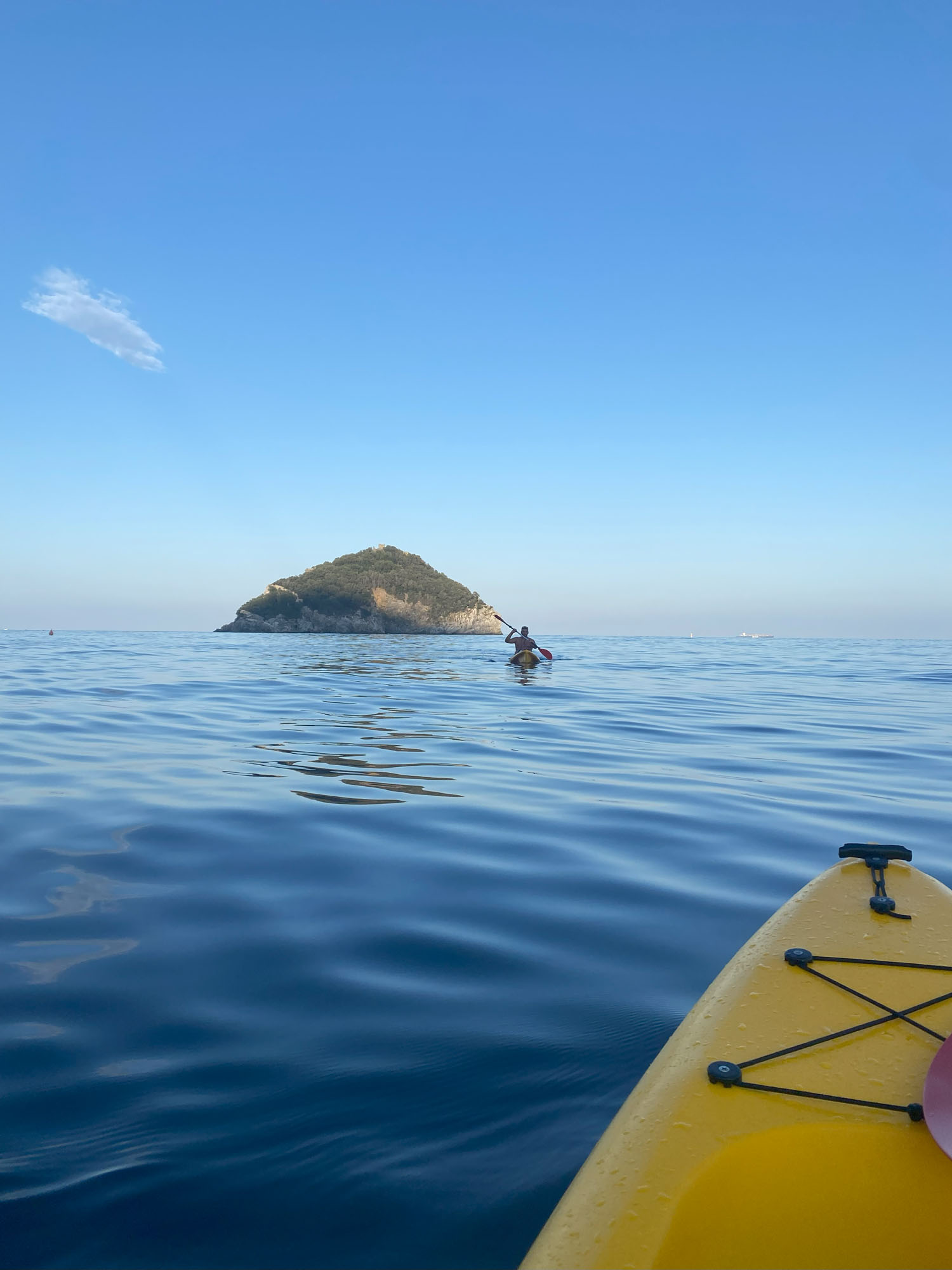
Interacting With Wildlife
Seeing wildlife is a highlight of kayaking in protected areas, but it requires extra caution.
Safe Distances
Stay at least 50 meters (about 160 feet) from most wildlife. For larger animals like seals, dolphins, or alligators, keep even farther back.
Avoid Sudden Movements
Paddle slowly and avoid quick turns or splashes. Sudden moves can frighten animals and cause dangerous situations, especially with territorial species.
Observe, Don’t Interact
Use binoculars or a camera with a zoom lens to watch animals from a distance. Never try to touch or feed them.
Special Rules For Breeding Season
During breeding or nesting times, follow extra rules. Some areas may close completely. If you see warning signs or barriers, respect them.
Weather And Water Conditions
Weather can change quickly in many protected areas, making paddling dangerous if you’re unprepared.
Check Forecasts
Look up weather and tide reports before your trip. Coastal areas can have strong winds, tides, or sudden storms.
Understand Waterways
Learn about the water you’ll be paddling—rivers, lakes, or sea. Each has its own risks and navigation challenges. For example, tidal rivers may reverse flow, making travel harder.
Emergency Plans
Know what to do in an emergency. Tell someone your plan and expected return time. Carry a waterproof phone or marine radio for emergencies.
Comparing Protected Area Kayaking Vs. Open Water Kayaking
Here is a comparison to help you see the main differences:
| Protected Areas | Open Water |
|---|---|
| Rules and permits required | Fewer rules, usually no permits |
| Wildlife and habitat protection | Fewer sensitive species |
| Designated routes/zones | Freedom to explore |
| Strict waste and noise rules | General guidelines |
| Limited group size | No group size limits |
This table shows why extra care is needed in protected areas. The rules are there to help both nature and visitors.
Essential Packing List For Kayaking In Protected Areas
Packing the right gear makes your trip safer and more enjoyable.
| Item | Purpose | Tips |
|---|---|---|
| Personal Flotation Device (PFD) | Safety | Always wear on the water |
| Dry Bag | Protects valuables | Double-bag electronics |
| Map & Compass | Navigation | Waterproof versions are best |
| Whistle | Emergency signal | Attach to PFD |
| Reusable Water Bottle | Hydration | Avoid single-use plastics |
| First Aid Kit | Minor injuries | Include insect repellent |
| Sun Protection | Prevent burns | Bring hat, sunglasses, sunscreen |
Two things beginners often forget: a whistle (for emergencies) and a map, even if you have a phone. Batteries can die, but a map won’t.
Common Mistakes To Avoid
Some errors can ruin your trip or cause harm to nature. Here are the main mistakes and how to avoid them:
- Ignoring Rules: Skipping permits or entering closed zones can lead to fines and damage the environment.
- Overpacking: Bringing too much gear can slow you down and increase the risk of losing items in the water.
- Getting Too Close to Wildlife: This stresses animals and may even be dangerous for you.
- Littering: Even small items like plastic wrappers can harm animals.
- Not Checking Weather: Bad weather can turn a fun trip into a risky one, especially in remote locations.
- Poor Planning: Not telling someone your route or expected return can be dangerous if you get lost.
What To Do After Your Trip
Your responsibility does not end when you leave the water.
Clean And Dry Your Gear
Remove all debris and rinse your kayak and gear with fresh water. This helps prevent the spread of invasive species to other locations.
Report Problems
If you see pollution, damaged habitats, or injured animals, report it to park authorities. Your information can help protect the area for future visitors.
Share Your Experience
Tell others about the special rules and how to enjoy kayaking responsibly. Sharing your knowledge can inspire others to care for these places.
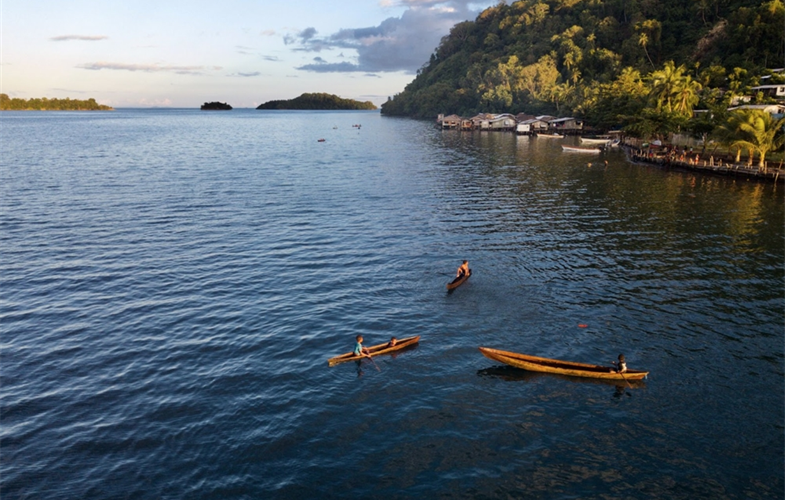
Extra Tips For A Great Experience
- Start early in the morning to see more wildlife and enjoy calmer waters.
- Bring binoculars for birdwatching from a distance.
- Join a guided tour if you’re new to kayaking or the area. Guides know the safest routes and can teach you about local plants and animals.
- Practice paddling skills before you go. Knowing how to steer and stop safely is key in narrow or crowded waterways.
- Respect other visitors by keeping noise low and giving space.
Frequently Asked Questions
What Is The Best Time To Kayak In Protected Areas?
Early morning or late afternoon is often best. Wildlife is more active, and the water is usually calmer. However, always check local rules—some areas restrict access during certain hours or seasons.
Do I Need A Special Kayak For Protected Areas?
In most cases, any stable and well-maintained kayak will do. However, some areas with very shallow water or sensitive habitats may require non-motorized or smaller kayaks. Always check the area’s regulations before you go.
Can I Bring My Dog Or Pet On A Kayak Trip In Protected Areas?
Most protected areas do not allow pets, as they can disturb wildlife or introduce diseases. If pets are allowed, they must usually stay on the kayak and be kept under control at all times.
What Should I Do If I See Injured Wildlife?
Do not approach or try to help the animal yourself. Instead, note your location and contact park authorities or a local wildlife rescue group as soon as possible. Your report can help experts respond quickly.
Where Can I Learn More About Kayaking In Protected Areas?
Official park websites and visitor centers are your best sources. For broader information, visit resources like National Park Service.
Kayaking in protected areas is a privilege, not a right. With careful planning, respect for rules, and a love for nature, you can help keep these beautiful places safe for everyone. Paddling quietly through a wildlife-rich waterway, knowing you’re making a positive difference, is one of the most rewarding experiences you can have.
Safe travels, and enjoy your journey!
