
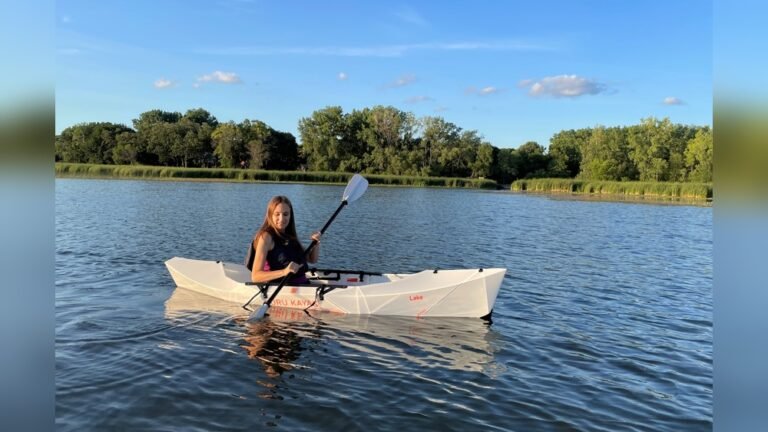
Kayaking in lakes offers a peaceful way to enjoy nature, build fitness, and learn a new skill. The calm waters make lakes ideal for both beginners and experienced paddlers. Still, proper preparation and technique are essential to make your kayaking trip safe, enjoyable, and rewarding.
This guide will show you everything you need to know about how to kayak in lakes, from choosing equipment to mastering strokes and understanding safety. Whether you plan a relaxing afternoon or want to improve your skills, you’ll find practical advice and insights here.
Why Kayaking In Lakes Is Unique
Kayaking in lakes is different from river or sea kayaking. The water is usually flat, with fewer strong currents or waves. This makes it easier to learn basic paddling skills. You also get beautiful views of nature, birds, and sometimes even fish below the surface.
However, lakes can still be large, with changing weather and wind, so understanding the environment is important.
One thing many beginners don’t realize is that wind direction can create waves, even on small lakes. Also, the temperature of the water can be much colder than the air, especially in early summer or late spring. Always check weather and water conditions before heading out.
Choosing The Right Kayak For Lake Paddling
Picking the right kayak makes a big difference in your experience. There are several types to consider:
| Kayak Type | Best For | Pros | Cons |
|---|---|---|---|
| Recreational | Calm lakes, beginners | Stable, easy to use, affordable | Slower, less tracking |
| Touring | Longer trips, larger lakes | Faster, better tracking, storage space | More expensive, can feel less stable |
| Inflatable | Portability, small lakes | Easy to transport, lightweight | Less durable, slower |
| Tandem | Pairs, families | Seats two, good for sharing | Heavier, harder to maneuver alone |
For most beginners, a recreational kayak is the best choice. They are wide, stable, and simple to handle. If you plan to paddle long distances, a touring kayak can help you move faster and straighter.
Essential Gear For Lake Kayaking
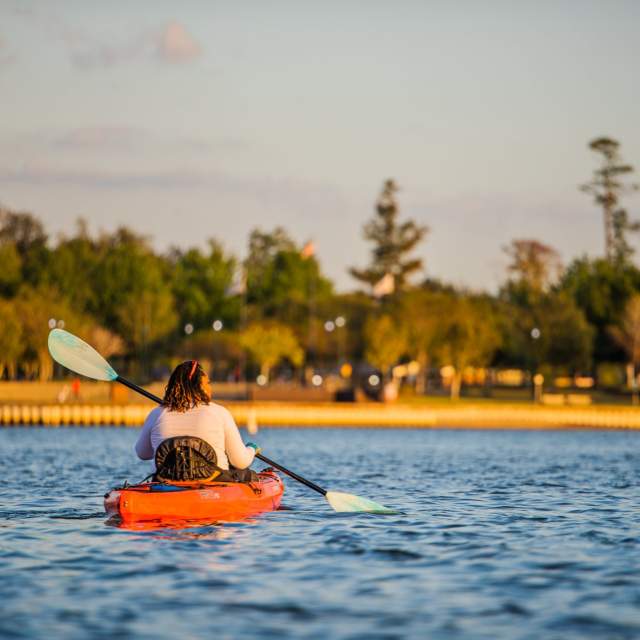
You need more than just a kayak. Here are the most important items:
- Paddle: Choose a paddle that matches your height and kayak width. For most adults, 210–230 cm is standard. Lightweight paddles reduce fatigue.
- Personal Flotation Device (PFD): Always wear a properly fitted life jacket. It’s not just a rule—it can save your life.
- Spray Skirt (optional): Keeps water out in wind or rain, but is not essential for calm days.
- Dry Bags: Protect your phone, snacks, and clothes from water.
- Whistle: For signaling help.
- Sun Protection: Sunglasses, hat, and sunscreen are important since lakes reflect sunlight.
- Waterproof Phone Case: In case you need to call for help.
Pro tip: Beginners often forget to bring enough water. Paddling can make you thirsty, even on cool days. Carry at least one bottle per person.
Preparing For Your Lake Kayak Trip
Preparation starts before you get on the water. Good planning prevents problems later.
Check Weather And Water Conditions
Use a reliable weather app or website. Look for:
- Wind speed: Less than 10 mph is best for beginners.
- Storms: Avoid kayaking if thunderstorms are possible.
- Water temperature: Cold water can be dangerous even if air is warm.
Some lakes post daily conditions online. If you are not sure, ask local guides or park rangers.
Plan Your Route
Lakes can be large and easy to get lost in. Decide:
- Where you will launch and land.
- How far you want to paddle.
- Landmarks, such as coves, islands, or beaches.
- Exit points in case of emergency.
If possible, print a map or save an offline copy on your phone.
Tell Someone Your Plan
Always let a friend or family member know:
- Where you are kayaking.
- When you expect to return.
- Who is with you.
This small step can be crucial if you need help.
Getting In And Out Of Your Kayak
Many beginners find this part tricky. Follow these steps for a smooth start:
Launching From Shore
- Place your kayak half in the water and half on shore.
- Hold your paddle behind you for balance.
- Sit down on the seat, keeping your weight low.
- Slide your legs in, then push off gently with your paddle.
Exiting On Shore
- Paddle straight toward the shore until your kayak is grounded.
- Hold your paddle for support.
- Swing your legs out one at a time.
- Stand up slowly, using your arms to keep steady.
If you launch from a dock, sit on the edge, lower your body into the kayak, then push off with your hands.
Tip: Practice getting in and out before your main trip. It builds confidence and prevents awkward spills.
Basic Kayaking Techniques For Lakes
Learning the right strokes makes paddling easier and more fun.
Forward Stroke
This is your main way to move:
- Hold your paddle with both hands, arms shoulder-width apart.
- Dip one blade into the water near your toes.
- Pull the blade back toward your hip, then lift it out.
- Alternate sides in a smooth rhythm.
Reverse Stroke
To go backward:
- Put the paddle blade behind you.
- Push the water toward the front of the kayak.
- Alternate sides to stay straight.
Turning (sweep Stroke)
To turn left:
- Put the right blade in the water near your toes.
- Make a big arc outward, sweeping toward the back.
- The kayak will turn left. Reverse for turning right.
Stopping
To stop quickly:
- Place both blades in the water on each side.
- Push backward with both arms.
Mastering these basic strokes helps you stay in control, avoid obstacles, and handle wind.
Safety Tips For Kayaking In Lakes
Even calm lakes have risks. Follow these safety rules:
- Always wear a PFD. This is the single most important safety measure.
- Stay close to shore if you are new or the weather changes.
- Watch for boats and swimmers. Some lakes are busy, especially in summer.
- Carry a whistle or signaling device.
- Do not paddle alone if you are a beginner.
- Be aware of hypothermia. Even if the air is warm, cold water can be dangerous.
Hidden risk: Sudden winds can push you far from shore. Learn how to paddle against the wind and avoid open water if a storm is possible.
Dealing With Common Challenges
Every lake is different, and you may face unique challenges.
Wind
If the wind picks up, paddle close to the shoreline. If you are caught in open water, keep your kayak pointed into the wind to avoid drifting sideways.
Waves And Boat Wakes
Motorboats can create waves. Face them head-on rather than sideways to avoid tipping.
Getting Tired
It’s easy to overestimate your strength. Take breaks, drink water, and don’t go farther than you can paddle back.
Changing Weather
If clouds build or you hear thunder, head for shore right away. Weather can change quickly over lakes.
Kayaking With Kids Or Pets
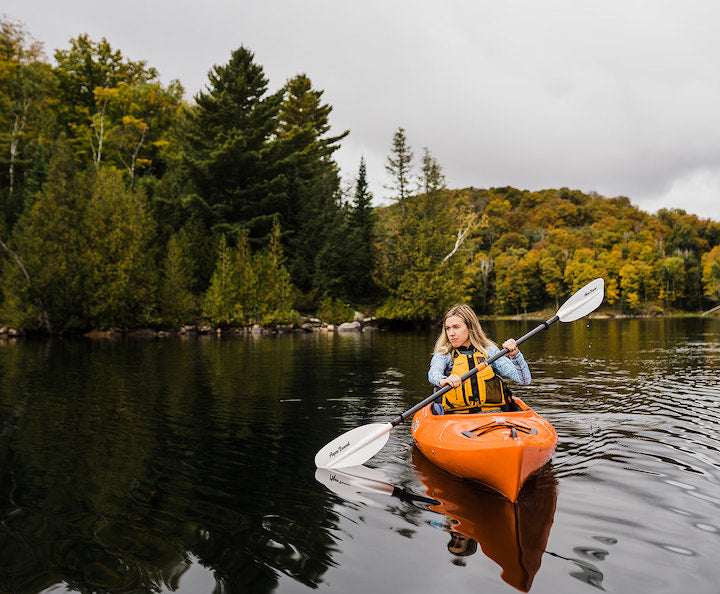
Kayaking is a great family activity, but it needs extra preparation.
- Use a tandem kayak for small children or pets.
- Make sure everyone wears a PFD, even pets.
- Bring snacks, water, and sun protection.
- Choose a calm, shallow part of the lake.
- Keep trips short for young kids.
Let children practice paddling close to shore before heading out farther.
Lake Kayaking Etiquette
Respecting nature and others keeps lakes safe and enjoyable for everyone.
- Avoid loud music or shouting.
- Give space to fishermen and swimmers.
- Do not disturb wildlife.
- Pack out all trash, including food wrappers and bottles.
- Follow local rules about boating and protected areas.
Comparing Lake Kayaking To Other Types
Understanding how lake kayaking differs from river or sea kayaking helps you set the right expectations.
| Type | Water Conditions | Skill Level | Hazards |
|---|---|---|---|
| Lake | Mostly flat, some wind/waves | Beginner to advanced | Wind, cold water, boat traffic |
| River | Flowing, sometimes fast | Beginner (slow), advanced (rapids) | Currents, rocks, strainers |
| Sea | Waves, tides | Intermediate to expert | Tides, surf, open water |
Lake kayaking is the best way to build skills before moving to rivers or coastal waters.
Practicing And Improving Your Skills
The more you paddle, the more comfortable you’ll get. Here’s how to improve:
- Practice turns and stops near shore.
- Try paddling in light wind to build strength.
- Take a basic kayak class if possible.
- Learn about self-rescue techniques, like how to get back in if you fall out.
Recording your trips with a GPS app helps you track progress and plan new routes.
Environmental Care And Leave No Trace
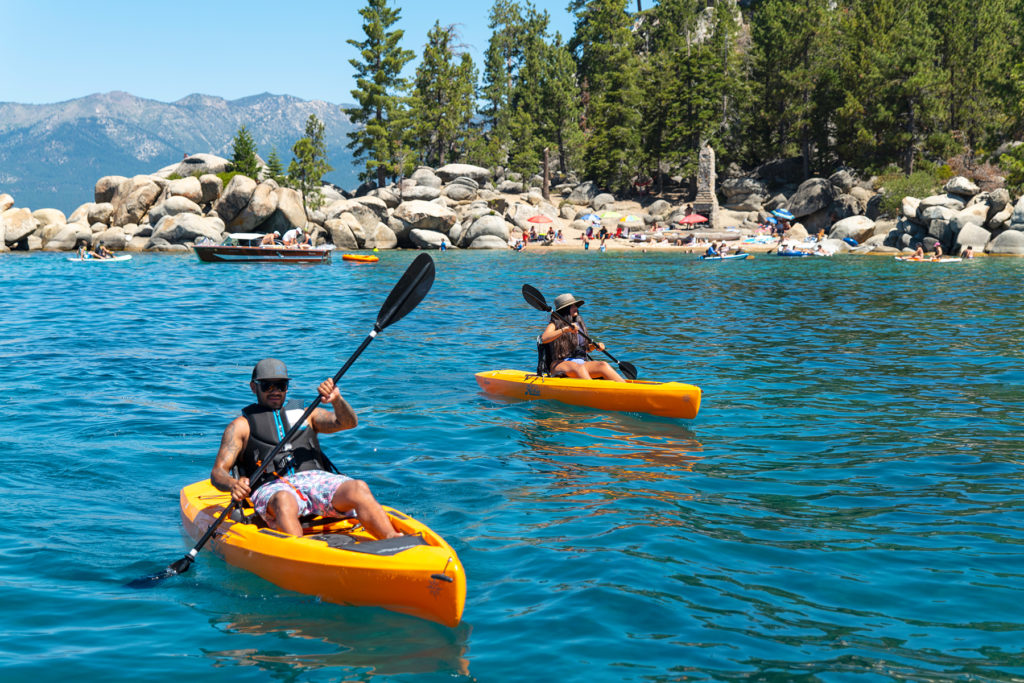
Lakes are sensitive environments. Protect them by:
- Using biodegradable sunscreen.
- Avoiding soap or shampoo in the water.
- Not disturbing plants or animals.
- Cleaning your kayak to prevent spreading invasive species.
A little care goes a long way in keeping lakes beautiful for everyone.
Lake Kayaking Events And Community
Joining a group or event can make kayaking more fun and safe. Many lakes have clubs, guided tours, or meet-ups for all skill levels. These groups can help you learn faster and meet new friends. Check local websites or community boards, or look at official resources like the American Whitewater Association.
Frequently Asked Questions
What Should I Wear When Kayaking In A Lake?
Wear comfortable, quick-drying clothes. Avoid cotton, which stays wet and can get cold. Bring a hat, sunglasses, and a windbreaker. In cold weather, wear layers and consider waterproof pants or a paddle jacket.
How Do I Stay Safe If The Weather Changes Suddenly?
Head for the nearest shore as soon as you notice dark clouds, wind, or thunder. Always check the forecast before you start. Carry a waterproof phone and know the location of shelters or docks.
Is Kayaking In Lakes Good For Fitness?
Yes. Kayaking works your arms, shoulders, and core. Even gentle paddling burns calories and improves balance. One hour of moderate kayaking can burn 300–400 calories.
Can I Kayak Alone On A Lake?
It’s best to paddle with a partner, especially if you are new. If you must go alone, tell someone your plan, stick close to shore, and carry safety gear.
Do I Need A License Or Permit To Kayak In A Lake?
Rules vary. Some lakes require a permit or registration for your kayak. Check local regulations before you go to avoid fines.
Kayaking in lakes is a rewarding way to connect with nature and enjoy the outdoors. With the right preparation and respect for safety, anyone can learn and have fun. Take your time, build your skills, and explore the beauty that lakes have to offer.
