
Kayaking is a wonderful way to connect with nature and challenge yourself physically. When the weather turns cold, many people put their kayaks away until spring. But with the right knowledge and preparation, kayaking in cold weather can be safe and rewarding. In fact, winter paddling offers peaceful landscapes, fewer crowds, and a fresh adventure. However, it’s important to understand that paddling in cold temperatures comes with unique risks and requires extra planning.
This guide will help you learn how to kayak safely and comfortably in cold weather. You’ll find practical advice for choosing clothing and gear, understanding safety, recognizing dangers like hypothermia, and making smart decisions on the water. Whether you’re new to kayaking or an experienced paddler, these insights will help you enjoy the cold season without unnecessary risks.
Why Kayak In Cold Weather?
Cold weather paddling isn’t just for thrill-seekers. There are real benefits:
- Quiet waters: Fewer boats and people mean a peaceful experience.
- Unique scenery: Snow, ice, and winter wildlife create amazing views.
- Skill development: Cold weather forces you to improve your planning, technique, and safety awareness.
However, the cold adds challenges. Preparation is critical for safety and enjoyment.
Understanding Cold Weather Dangers
Before you paddle, it’s essential to know the main risks:
Hypothermia
Hypothermia happens when your body loses heat faster than it can produce it, causing your core temperature to drop. Water pulls heat from your body about 25 times faster than air. If you capsize, you can get cold shock and lose strength quickly. Symptoms include shivering, confusion, slurred speech, and tiredness. Severe hypothermia can be fatal.
Cold Water Shock
When you enter cold water suddenly, your body can react with gasping, rapid breathing, and panic. This makes it hard to swim or think clearly. Even strong swimmers can struggle.
Frostbite
If your skin is exposed to freezing temperatures, you risk frostbite, especially on fingers, toes, ears, and nose.
Reduced Dexterity
Cold temperatures can make your hands and feet numb. This affects your ability to paddle, steer, or rescue yourself.
Essential Clothing For Cold Weather Kayaking
Wearing the right clothing is your first line of defense. The main rule: Dress for the water, not the air. Even if the air feels mild, the water can be dangerously cold.
What To Wear
- Base Layer: Start with synthetic or wool base layers (top and bottom). These keep you warm even when wet.
- Insulation Layer: Add fleece or synthetic insulation for extra warmth.
- Dry Suit or Wet Suit: A dry suit keeps you completely dry and blocks wind, but you need insulation underneath. A wet suit allows some water in but keeps your body heat in.
- Hat and Gloves: Wear a warm, windproof hat and neoprene gloves or pogies for your hands.
- Footwear: Use waterproof boots or thick neoprene socks.
- Windproof Outerwear: A windproof jacket can help, especially for your upper body.
- Personal Flotation Device (PFD): Always wear a properly fitted PFD.
Here’s a quick comparison of dry suits and wet suits for kayaking:
| Suit Type | How It Works | Best For | Limitations |
|---|---|---|---|
| Dry Suit | Keeps all water out; needs layers underneath | Very cold water, long trips | Expensive, can be hot if overdressed |
| Wet Suit | Allows thin water layer; traps body heat | Cool water, short trips | Less effective in freezing water |
Extra Clothing Tips
- Avoid cotton; it keeps moisture and makes you colder.
- Bring extra clothes in a waterproof bag.
- Wear bright colors for visibility.
Choosing The Right Kayak And Equipment
Your gear choices can make cold weather paddling much safer and more comfortable.
Kayak Type
- Sit-in kayaks are better for cold weather because they protect your legs from wind and splashes.
- Sit-on-top kayaks expose more of your body. Only use them if you have the right clothing and experience.
Paddle
A lightweight paddle with good grip is important. Cold hands get tired quickly, so choose paddles with ergonomic handles or add paddle grips.
Spray Skirt
A spray skirt keeps water and wind out of your kayak. Make sure it fits your kayak and is easy to remove in an emergency.
Safety Gear
Never skip this equipment:
- Personal Flotation Device (PFD)
- Whistle or signaling device
- Bilge pump or sponge for removing water
- Tow line or rescue rope
- First aid kit
- Headlamp or waterproof flashlight
- Navigation tools (map, compass, GPS)
- Dry bag for spare clothes and gear
Emergency Equipment
Cold weather increases the need for backup plans. Bring a thermal blanket, waterproof matches, and a small repair kit.
Here’s a comparison of essential cold weather kayaking gear:
| Item | Purpose | Why Needed in Cold Weather |
|---|---|---|
| Spray Skirt | Seal cockpit, keep water out | Reduces splashes; keeps legs warmer |
| Bilge Pump | Remove water from kayak | Wet cockpit means more heat loss |
| Thermal Blanket | Emergency warmth | Vital if stranded or wet |
Planning Your Trip
Preparation is even more important in cold weather. Here’s how to plan safely:
Check The Weather And Water Conditions
- Look at air and water temperature, wind speed, and forecast.
- Avoid kayaking if a storm is coming or if wind is strong.
- Check ice conditions—thin ice can be deadly.
Know The “120 Rule”
If air temperature plus water temperature is less than 120°F (49°C), you’re at serious risk for hypothermia if you fall in. For example, if air is 40°F (4°C) and water is 50°F (10°C), that’s 90°F (32°C)—too risky without proper gear.
Share Your Plans
Tell someone where you’re going, your route, and when you’ll return. Carry a fully charged phone in a waterproof case or a marine radio.
Go With A Group
Paddling with others is safer in winter. If one person has an emergency, others can help.
Shorter Routes
Pick routes closer to shore and with easy exit points. Cold water saps energy—avoid long crossings or remote areas.
Avoid Early Season Thaw
Spring and fall can have beautiful weather but very cold water. Don’t be fooled by warm air.
On-water Safety Practices
Smart decisions on the water can prevent accidents.
Always Wear Your Pfd
Cold water quickly makes self-rescue difficult. A PFD can save your life.
Stay Close To Shore
If you capsize, you want to reach land quickly. Stay within 100 meters of shore if possible.
Keep Moving
Paddling helps keep you warm. If you stop, you’ll cool down fast.
Practice Self-rescue
Know how to re-enter your kayak from the water. Practice in a safe, shallow area before your trip.
Watch For Ice
Avoid ice-covered water. Ice can damage your kayak and trap you.
Stay Dry
Avoid getting wet as much as possible. If you do get wet, get off the water and change quickly.
Communicate
Use hand signals, whistles, or radios with your group. Wind and waves can make shouting useless.

What To Do If You Fall In
Cold water immersion is dangerous, but you can survive if you act quickly.
- Don’t Panic: Control your breathing. Avoid gasping or hyperventilating.
- Float First: Stay calm and float for a minute to recover from cold shock.
- Get Out Quickly: Try to re-enter your kayak. If not, swim for shore or climb onto your kayak.
- Change Clothes: Once out of the water, remove wet clothes and put on dry layers.
- Get Warm: Use a thermal blanket or huddle with others to warm up.
- Seek Help: If you feel confused or can’t get warm, call for rescue.
Common Mistakes To Avoid
Many accidents happen because of preventable errors. Here are mistakes beginners often make:
- Underestimating Cold Water: Even at 60°F (16°C), water can quickly cause hypothermia.
- Wearing Cotton: Cotton stays wet and makes you colder.
- Ignoring Weather Changes: Winter weather can change quickly—always check the forecast before paddling.
- Not Practicing Self-Rescue: You need to know how to get back into your kayak in cold water.
- Going Alone: Solo trips are much riskier in cold conditions.
- Not Bringing Extra Gear: Always have spare clothes, food, and a way to signal for help.
- Skipping the PFD: A PFD is essential, even for short trips or strong swimmers.
- Paddling Too Far from Shore: Stay close in case you need to get out of the water fast.
- Ignoring Signs of Hypothermia: Shivering, confusion, and loss of coordination are warnings.
- Overdressing or Underdressing: Too many layers can cause sweating, while too few put you at risk.
Building Cold Water Skills
To enjoy cold weather kayaking, invest in your skills:
- Take a cold water safety course if available.
- Practice wet exits and re-entries with friends.
- Learn to recognize early signs of hypothermia.
- Try short trips before attempting long winter paddles.
- Study navigation and how to use a compass or GPS.
Experience and training are your best tools for safety.
Real-world Data And Examples
Statistics show how dangerous cold water can be. According to the U. S. Coast Guard, over 50% of kayak fatalities happen in water below 55°F (13°C), and most victims were not wearing a PFD. Even Olympic-level swimmers struggle to swim for more than 10 minutes in cold water.
A real example: In 2017, a group of paddlers on Lake Michigan capsized in 45°F (7°C) water. Only those wearing dry suits and PFDs survived the hour-long rescue.
For more science and data on cold water safety, see this Wikipedia page on Hypothermia.

Frequently Asked Questions
What Is The Best Clothing For Kayaking In Cold Weather?
The best clothing is a dry suit over synthetic or wool layers. This keeps you dry and warm, even if you fall in. Avoid cotton, and always wear a hat, gloves, and waterproof boots.
How Cold Is Too Cold For Kayaking?
If the combined air and water temperature is below 120°F (49°C), kayaking becomes dangerous without special gear and training. Water below 60°F (16°C) requires a wetsuit or dry suit.
Can You Kayak In The Snow?
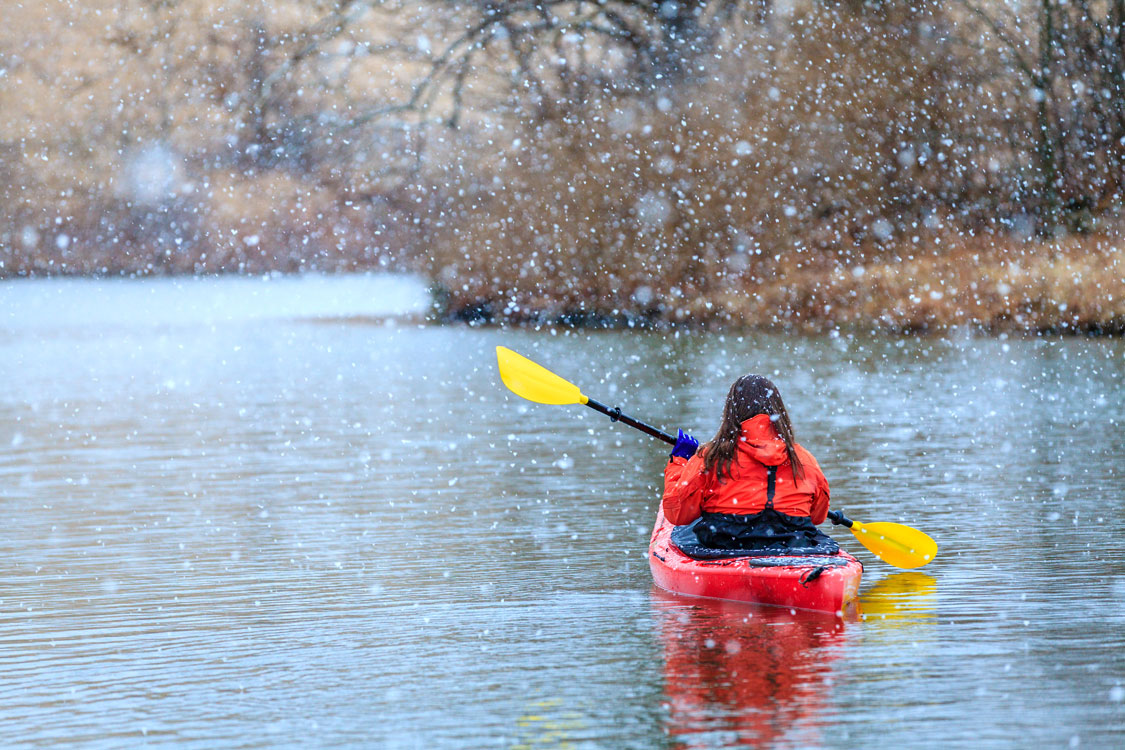
Yes, you can kayak in snow if the water is mostly ice-free and you have the right gear. Snow can reduce visibility and make banks slippery, so be extra careful.
What Should I Do If I Capsize In Cold Water?
Stay calm and control your breathing. Try to get out of the water quickly, change into dry clothes, and warm up. If you feel weak or confused, seek help immediately.
Is Solo Winter Kayaking Safe?
Solo kayaking in cold weather is risky and not recommended for beginners. Go with a group, share your plans, and carry safety gear for emergencies.
Kayaking in cold weather can be a thrilling and peaceful experience, but it demands respect for nature’s power and careful preparation. With the right gear, skills, and safety habits, you’ll open up a new world of winter adventure while staying safe and comfortable on the water.
