
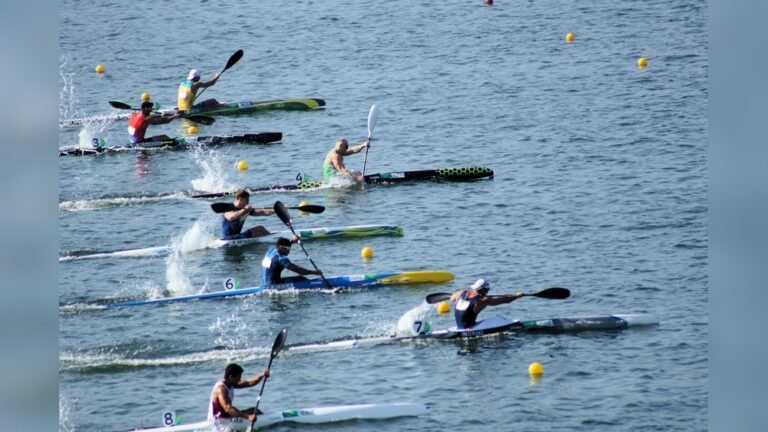
Kayaking is more than just a peaceful glide across a calm lake. For many, it becomes a thrilling race against time, water, and other skilled athletes. If you are dreaming of pushing your limits and competing in kayak races, you are not alone.
Competitive kayaking is growing fast, from local club events to the Olympic Games. But how do you move from casual paddling to racing with confidence? This guide gives you everything you need to know—from training and gear to race day strategy—to help you kayak competitively, even if you are just starting out.
Understanding Competitive Kayaking
Competitive kayaking is a broad sport with different race styles, distances, and boats. The most common types are sprint, slalom, and marathon kayaking.
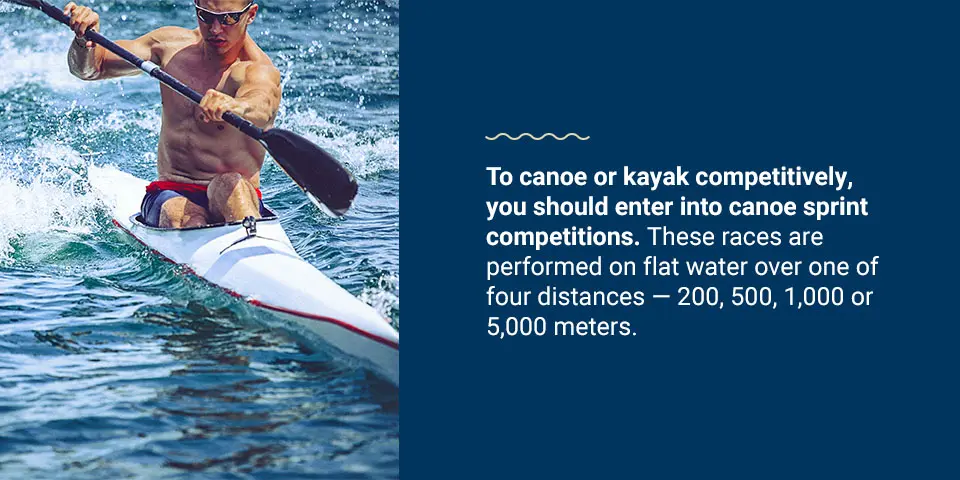
- Sprint kayaking is about speed on flat water, usually over distances like 200m, 500m, or 1000m.
- Slalom kayaking tests your ability to control the kayak through gates on a fast river.
- Marathon kayaking is long-distance racing, sometimes 20 km or more, often with portages (carrying the kayak over land).
Each style demands different skills, but all require fitness, technique, and the right mindset.
Choosing The Right Kayak And Gear
Your choice of equipment can make a huge difference in competitive kayaking. Here’s how the main types of racing kayaks compare:
| Kayak Type | Main Use | Key Feature | Typical Length |
|---|---|---|---|
| Sprint Kayak | Flatwater sprints | Long, narrow, very fast | 5.2–5.5 m |
| Slalom Kayak | River slalom | Short, highly maneuverable | 3.5 m (max) |
| Marathon Kayak | Long-distance racing | Lightweight, can handle portages | Varies (often 5–5.2 m) |
Paddles also matter. Sprint paddles are shorter with large blades for fast strokes, while marathon paddles are longer and lighter for endurance.
Other key gear includes:
- Personal flotation device (PFD): Choose a snug, racing style.
- Spray skirt: Keeps water out, especially in slalom.
- Helmet: Required for slalom and whitewater.
- Clothing: Lightweight, quick-drying materials.
Non-obvious tip: Test different boats and paddles if possible. Tiny adjustments in seat position or paddle length can change your performance.
Building Essential Skills
To compete, you need more than just strong arms. Competitive kayaking is about technique, fitness, and mental focus.
Paddling Technique
Perfecting your stroke will give you more speed with less effort. Focus on:
- Body rotation: Use your core, not just your arms.
- Paddle entry: Plant the blade fully before pulling.
- Exit timing: Lift the blade out smoothly at your hip.
Record yourself or ask a coach to spot mistakes. Even elite paddlers review their technique regularly.
Balance And Boat Control
Racing kayaks are unstable, especially sprint boats. Practice balancing without paddling. Try “bracing” strokes to prevent capsizing and learn to recover quickly if you tip.
Starts And Turns
A fast start can win short races. Practice explosive acceleration and turning smoothly around buoys or gates. In slalom, tight turns are as important as straight speed.
Pro insight: Many beginners over-paddle and lose balance during starts or turns. Focus on control first, then add speed.
Training For Competitive Kayaking
Serious training is the backbone of success. Here’s how to build a strong program.
On-water Training
Spend time on the water as often as possible. Mix these sessions:
- Speed intervals: Short, fast bursts to build power.
- Endurance paddles: Long, steady sessions for stamina.
- Technique drills: Slow, focused paddling to refine form.
Aim for at least 3–5 paddling sessions per week, increasing as you get closer to your key race.
Off-water Conditioning
Kayaking is a full-body sport. Build strength, especially in your core, shoulders, and back. Good exercises include:
- Planks and Russian twists (core)
- Pull-ups and rows (upper body)
- Squats and lunges (legs for balance and portaging)
Surprising fact: Leg drive is important in sprint kayaking. You push with your feet to add power to each stroke.
Flexibility And Recovery
Stretch after every session to prevent injury. Foam rolling and yoga can help keep your muscles loose and ready.
Mastering Race Strategy
Winning is not only about being the fastest paddler. Smart race strategy can move you up the leaderboard.
Reading The Course
Before every race, study the course map. Note wind direction, current, and tricky sections. In slalom, memorize the gate sequence and plan your line.
Pacing
Sprint races need an all-out effort, but in marathons, start at a strong but sustainable pace. Save energy for a final push.
Starts
Get in position early. In mass starts, avoid getting boxed in by other kayaks. In slalom, a calm, precise start can prevent time penalties.
Overtaking And Defending
Passing another kayak is harder than you think, especially in narrow lanes. Plan your moves and use the wake of other boats to save energy. If someone tries to pass you, hold your line and keep your speed.
Dealing With Mistakes
Everyone makes errors—missing a gate, tipping, or starting slow. Stay calm, recover quickly, and focus on the rest of the race.
Nutrition And Hydration
Good performance starts with your body’s fuel.
- Hydration: Start drinking water well before the race. Dehydration can hit even on cool days.
- Carbs and protein: Eat a balanced meal 2–3 hours before racing. Quick snacks (like bananas or energy gels) help during long events.
- Practice your race-day meals: Never try new foods on race day.
Beginner pitfall: Skipping breakfast or eating too much right before the race can ruin your energy.
Entering Your First Race
Getting started in competitive kayaking is easier than you think.
- Find a local club: Most races require membership. Clubs offer coaching, gear, and group training.
- Register early: Some events fill up fast. Check race calendars well in advance.
- Prepare your gear: Check your kayak for leaks, test your paddle, and pack spare clothes.
- Arrive early: Give yourself time to warm up, check in, and calm your nerves.
- Talk to other racers: Most paddlers are friendly and happy to share tips.
Common Mistakes And How To Avoid Them
Everyone makes mistakes, but knowing the common ones can help you skip the learning curve.
- Overpowering strokes: Trying to paddle too hard leads to poor form and fatigue.
- Ignoring technique: Speed will come with good technique, not just brute strength.
- Neglecting recovery: Skipping rest days or stretching increases the risk of injuries.
- Not practicing starts: Many races are won or lost in the first few seconds.
- Poor equipment fit: An uncomfortable seat or wrong paddle length can slow you down.
Progressing To Higher Levels
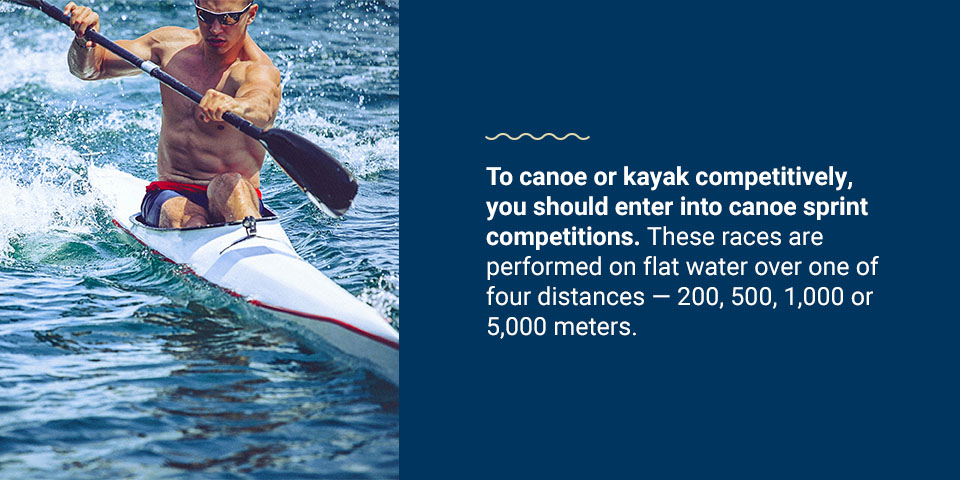
As you gain experience, consider these steps to move up in competitive kayaking:
- Join regional and national events for more challenge.
- Work with a coach to fine-tune your skills.
- Watch top paddlers on YouTube or in person for advanced techniques.
- Track your times and set personal goals.
If you aim for international or Olympic competition, look for national federation programs and high-performance training centers.
Comparing Race Types: Which Is Right For You?
Choosing your discipline can shape your training and racing experience. Here’s a quick comparison:
| Race Type | Best For | Main Challenge | Typical Duration |
|---|---|---|---|
| Sprint | Speed lovers | Explosive power, balance | 30–240 seconds |
| Slalom | Technical paddlers | Precision, reaction time | 90–120 seconds |
| Marathon | Endurance athletes | Stamina, strategy | 1–4 hours |
Test each style if you can. Some paddlers love the rush of sprints, while others prefer the long challenge of marathons or the technical fun of slalom.
Staying Safe In Competitive Kayaking
Safety should never be an afterthought, especially in moving water or crowded races.
- Wear a PFD at all times, even in training.
- Check the weather before heading out.
- Tell someone your plans when training alone.
- Know your limits—do not push into dangerous conditions just to win.
Extra tip: Learn basic rescue skills and practice self-rescue drills. In competitions, time lost to a capsize is less important than avoiding injury.
Where To Learn More And Get Involved
Clubs and official organizations are the best way to improve. Check your country’s national kayaking federation or local sports clubs for information. For international standards and Olympic events, see the Wikipedia Kayaking Page.
Frequently Asked Questions
How Do I Start Training For Competitive Kayaking?
Begin by joining a local club and paddling regularly, at least 2–3 times a week. Focus on basic technique, then add strength training and endurance. Look for beginner races to gain experience.
What Equipment Do I Need To Race?
You need a racing kayak suited to your discipline, a racing paddle, a snug personal flotation device (PFD), and appropriate clothing. Slalom races require a helmet and spray skirt. Try different gear before buying.
Can I Kayak Competitively If I Am Not Very Fit?
Anyone can start, but you will need to improve your fitness over time. Start slow, focus on technique, and build strength and endurance with regular training.
How Do I Choose Between Sprint, Slalom, Or Marathon Kayaking?
Try each style if possible. Sprint is for speed over short distances, slalom is technical and on moving water, while marathon is for endurance. Choose what excites you most and fits your strengths.
Are There Age Restrictions For Racing?
Most races have categories for different age groups, from children to masters (older adults). Check with your local club or race organizer for specific age rules.
Kayaking competitively is a journey as much as a sport. With the right preparation, mindset, and community, you can turn paddling into a lifelong passion and maybe even stand on the podium. So, grab your paddle, set your goals, and get ready to race!
