
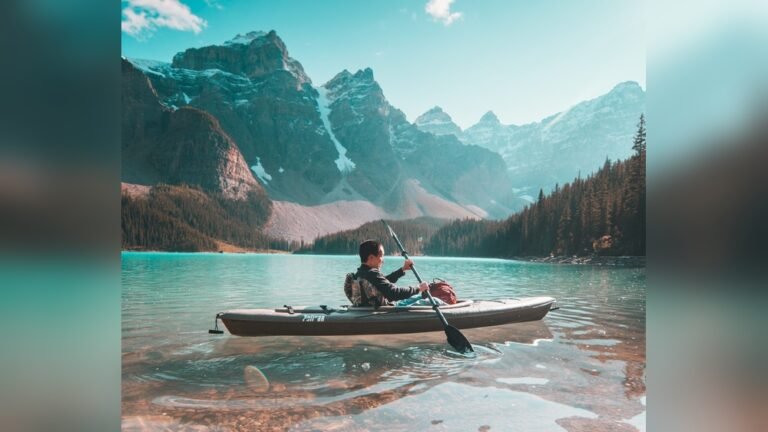
Kayaking alone can be an exciting way to explore lakes, rivers, and coastlines at your own pace. Many people are drawn to the peaceful experience of being out on the water with just their thoughts and the sound of the paddle.
But solo kayaking also comes with risks that you must take seriously. When you are alone, you are fully responsible for your safety. If something goes wrong, help might not arrive quickly. This guide will show you how to kayak alone safely, covering everything from planning and equipment to real-life decision-making.
Why Solo Kayaking Needs Extra Caution
Kayaking with friends brings shared responsibility. If you tip over or get tired, someone is there to help. When you paddle solo, you do not have that backup. This means you need to be extra careful with every decision. According to the United States Coast Guard, over 60% of kayaking deaths in the US involve paddlers who were alone.
Most of these accidents could have been prevented with the right knowledge and preparation.
But solo kayaking is not just about danger. It is also about freedom and personal challenge. You can pick your route, paddle at your speed, and enjoy nature on your own terms. If you learn the right safety steps, you can enjoy these benefits without unnecessary risk.
Assess Your Skills Honestly
Before you even think about going out alone, ask yourself if you have enough kayaking experience. Solo kayaking is not for beginners. You should be able to:
- Paddle in a straight line and turn easily
- Get back into your kayak from the water (self-rescue)
- Handle choppy water, wind, and currents
- Use a spray skirt (for sit-inside kayaks)
If you are still learning the basics, practice with a group or a guide first. Many accidents happen because people overestimate their abilities. Paddling in calm, familiar waters is very different from facing wind, waves, or changing weather alone.
Choose The Right Kayak For Solo Paddling
The kayak you use can make solo trips safer and more enjoyable. There are three main types:
| Type | Best For | Stability | Self-Rescue |
|---|---|---|---|
| Recreational | Lakes, calm rivers | High | Easy |
| Touring/Sea | Open water, long trips | Moderate | Intermediate |
| Inflatable | Travel, easy transport | Medium | Easy |
If you paddle alone, a recreational kayak or a sit-on-top kayak is often the safest choice, especially for beginners. They are wide and stable, making it easier to get back in if you fall out. Avoid very narrow or racing kayaks unless you are highly skilled.
Wear The Right Safety Gear Every Time
Never skip safety gear. Even strong swimmers need protection. Here is what you should always wear or carry:
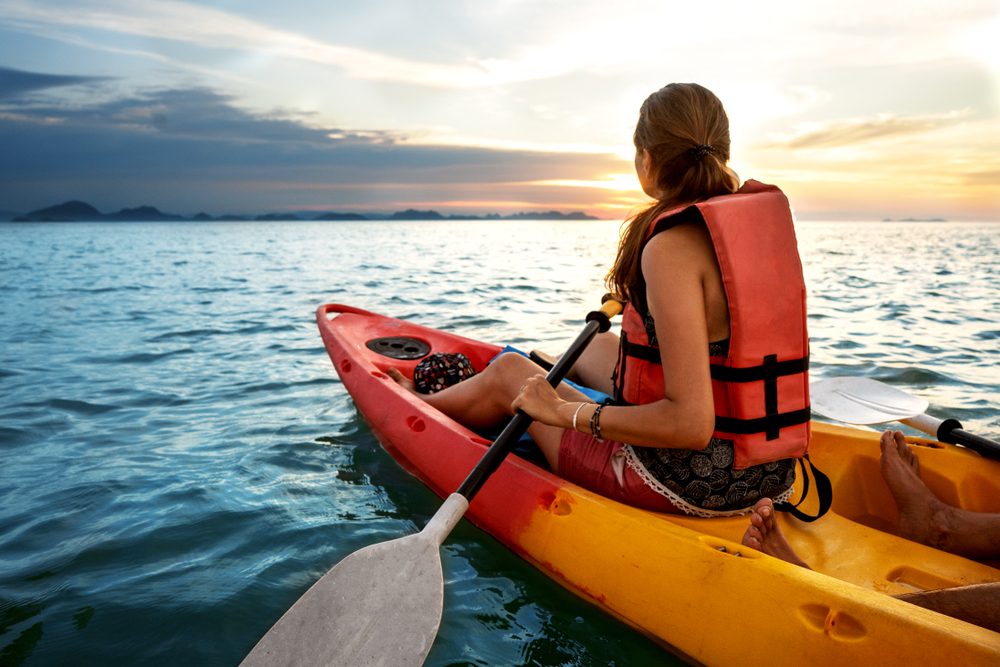
- Personal Flotation Device (PFD): Wear a properly fitted life jacket designed for kayaking. Over 80% of kayakers who drowned were not wearing one.
- Whistle or Sound Device: Attach this to your life jacket to signal for help if needed.
- Bright Clothing: Wear colors like orange, red, or yellow to be seen easily.
- Spray Skirt: For sit-inside kayaks, this keeps water out.
- Helmet: If paddling rivers with rocks or rapids.
Bring a dry bag with a phone, snacks, water, and a first aid kit. Use a waterproof case for electronics. Consider a paddle leash so you do not lose your paddle if you tip.
Plan Your Trip In Detail
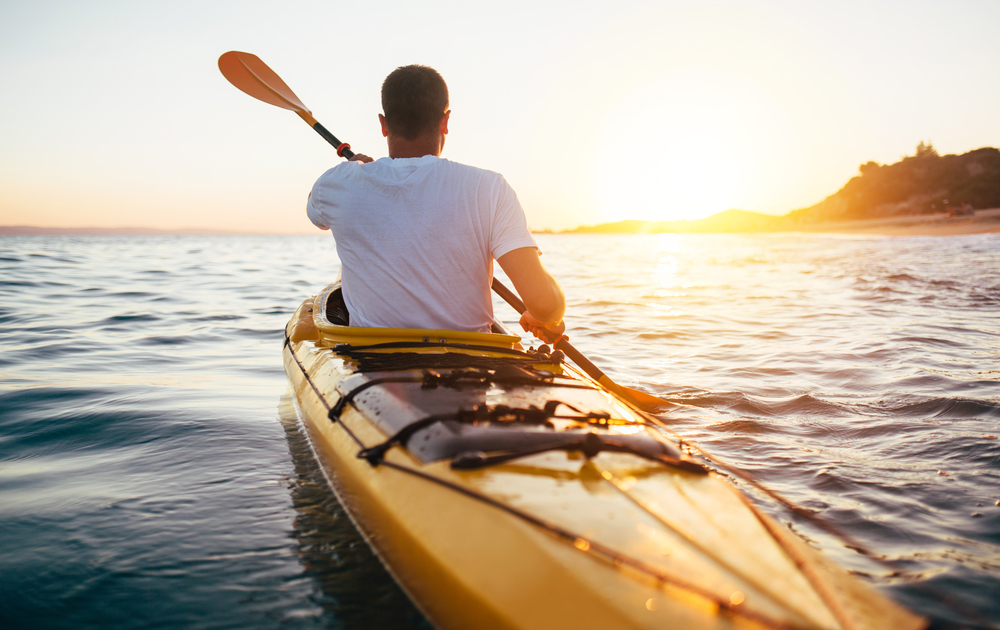
Preparation is your best safety tool. Never just “wing it” when kayaking alone.
- Check the weather: Look for wind speed, temperature, storms, and tides. Sudden changes can be dangerous.
- Know the water: Study maps and talk to local paddlers. Watch for hazards like rocks, strong currents, or boat traffic.
- Plan your route: Choose a route within your skill level. Avoid open water crossings unless you are experienced.
- Set a turn-around time: Decide when to head back, even if you have not reached your goal.
Tell someone exactly where you are going and when you will return. This is called a “float plan. ” Text or call a friend or family member with your plan, and let them know when you are safely off the water.
Master Self-rescue Skills
When you kayak alone, you must know how to get back into your boat if you fall out. Practice these techniques in shallow, calm water until you can do them confidently.
| Rescue Technique | When to Use | Key Steps |
|---|---|---|
| Wet Exit | Capsize in sit-inside kayak | Release spray skirt, push out, surface |
| Paddle Float Rescue | Re-enter sit-inside kayak | Attach float, use as outrigger, climb in |
| Re-Entry from Stern | Sit-on-top kayaks | Kick legs, slide onto back deck, swing legs in |
A common mistake is to believe you’ll “figure it out” if you tip over. Cold water, heavy clothes, or waves make re-entry much harder than most people expect. Take a class or watch demonstration videos from trusted sources before heading out.
Watch The Weather Closely
Weather can change quickly on the water. Even a gentle wind can make paddling back much harder. Before your trip, check an hourly forecast. Look for:
- Wind direction and speed: Winds over 10 knots (18 km/h) can be challenging for solo paddlers.
- Storms: Thunderstorms can appear fast. If you hear thunder, get off the water.
- Temperature: Cold air and cold water can lead to hypothermia.
If the weather looks uncertain, it is safer to delay or cancel your trip. Trust your instincts. It is better to miss a day of paddling than to risk your life.
Understand Local Hazards
Every body of water is different. Learn about local risks before you go:
- Tides and currents: These can be strong near inlets and river mouths.
- Boat traffic: Large boats may not see small kayaks.
- Wildlife: In some areas, you might encounter alligators, jellyfish, or even bears near shore.
- Water quality: Avoid paddling after heavy rain, which can cause pollution.
Ask local kayak shops or clubs for advice. They know the area’s hidden dangers and best routes.
Learn To Navigate
Losing your way on the water is easier than you think, especially in fog, large lakes, or winding rivers. Carry a waterproof map and compass as a backup to your phone’s GPS. Practice using them before your trip.
A non-obvious tip: Learn to recognize landmarks from the water, not just from the road. Trees, rocks, or buildings may look very different when you are low in the kayak.
Make Yourself Visible
Solo kayakers are harder to spot, especially in low light or busy areas. Make yourself as visible as possible:
- Attach a bright flag or reflective tape to your kayak.
- Wear a headlamp or attach lights for early morning or evening trips.
- Use bright paddles or paddle blades.
If you see a boat approaching, wave your paddle above your head to signal your position. Do not assume they see you.
Know When To Turn Back
Good judgment is your best safety tool. If you feel tired, see bad weather, or just have a bad feeling, turn back early. Most accidents happen when people push on despite warning signs. Remember: the water will be there another day.
One insight many solo paddlers learn the hard way: It often takes twice as long to paddle back against wind or current. Always save extra energy for your return trip.
Carry Emergency Communication
Phones are useful, but they can fail if wet or out of range. Consider these backup communication tools:
- Marine VHF radio: Works where phones do not, especially on the coast.
- Personal Locator Beacon (PLB): Sends your GPS location to rescuers in an emergency.
- Signal mirror or flares: For attracting attention.
Store electronics in a waterproof case and keep them attached to you, not just the kayak.

Practice Smart Paddling Habits
Besides equipment and planning, your habits matter. Some tips for staying safe:
- Paddle close to shore when possible.
- Take short breaks to check your position and energy.
- Drink water and eat snacks to avoid fatigue.
- Listen to your body. Cramping, shivering, or dizziness are signs to stop.
One mistake beginners make is paddling too far out, then discovering it is much harder to return. Start with short trips and build your confidence.
Real-world Example
Imagine you start paddling a calm river on a sunny morning. By afternoon, the wind picks up and pushes against you. If you did not check the forecast or plan your route, you may be forced to paddle for hours just to get back.
But if you had a float plan, the right gear, and knew your limits, you could have turned back earlier and avoided a dangerous situation.
Training And Community
Consider taking a kayaking safety class or joining a local club. Experienced paddlers can teach you tips that books and articles cannot cover. They may show you rescue techniques, navigation tricks, or the best places to paddle safely. The American Canoe Association and similar groups offer courses for all levels.
Also, many solo paddlers use online forums and apps to share trip reports and safety updates. Connecting with others helps you learn from real experiences.
Common Mistakes To Avoid
- Skipping the float plan: Not telling anyone your route is a major risk.
- Underestimating the weather: Always check the latest forecast before leaving.
- Ignoring local hazards: Each area has unique dangers—ask locals before you go.
- Not wearing a PFD: Even for short, calm trips, always wear your life jacket.
- Pushing your limits: Know when to turn back, even if it means missing your goal.
Essential Kayak Safety Checklist
Before every solo trip, run through this quick checklist:
- Kayak in good condition
- Paddle and spare paddle
- PFD (life jacket) and whistle
- Bright, weather-appropriate clothing
- Waterproof phone or radio
- Map and compass
- Enough water and snacks
- Sun protection (hat, sunscreen)
- Emergency kit (first aid, flares, PLB)
- Float plan sent to a friend
Comparing Solo Vs. Group Kayaking
To help you understand the different risks and benefits, see the comparison below:
| Aspect | Solo Kayaking | Group Kayaking |
|---|---|---|
| Safety Backup | None | High |
| Freedom | Maximum | Shared decisions |
| Rescue Speed | Slower | Faster |
| Learning Curve | Steep | Easier (peer help) |
| Enjoyment of Solitude | High | Low |
If you are new to kayaking, start with group trips until you build enough confidence and skill for safe solo paddling.
Frequently Asked Questions
Is It Safe To Kayak Alone As A Beginner?
No, it is not recommended. Beginners should paddle with others until they are confident in self-rescue, navigation, and handling changing conditions. Solo kayaking requires extra skills and judgment.
What Is The Most Important Safety Gear For Solo Kayaking?
A Personal Flotation Device (PFD) is the most important. Always wear it, even if you are a strong swimmer. Also carry a whistle, a phone in a waterproof case, and emergency signaling tools.
How Can I Signal For Help If I Am Alone And In Trouble?
Use a whistle for sound, a signal mirror for sunlight, or a waterproof phone to call for help. For remote areas, consider a Personal Locator Beacon (PLB) or a marine VHF radio. Learn how to use these devices before your trip.
Can I Kayak Alone In The Ocean?
It is possible, but only for advanced paddlers with proper training and safety gear. The ocean has additional risks such as tides, strong currents, and sudden weather changes. Always share your float plan and check conditions carefully.
Where Can I Learn More About Solo Kayaking Safety?
You can find trusted information from the American Canoe Association, which offers safety courses, rescue classes, and local club contacts.
Kayaking alone can be one of the most rewarding outdoor activities if you respect the risks and prepare well. With good judgment, the right skills, and solid planning, you can enjoy solo adventures safely—paddling with both confidence and peace of mind.
