Kayaking is more than just moving a paddle through water. For both beginners and experienced paddlers, improving kayaking technique means more control, less fatigue, and greater safety. Good technique helps you paddle longer, move faster, and enjoy every trip—whether on a calm lake or a wild river.
Many people start kayaking by simply imitating others, but small mistakes can quickly become habits. These habits make paddling harder and limit your progress. In this guide, you will find practical, easy-to-understand advice to help you develop a smooth, powerful, and safe kayaking technique.
Understanding The Basics Of Kayaking Technique
Before you can improve, it’s important to understand what makes up good kayaking technique. At its core, kayaking is about using your body efficiently. Your posture, grip, and paddle movement all play a part. Many beginners focus on arm strength, but the real power comes from your core and legs.
Using your whole body means you get more speed and less tired.
Posture And Balance
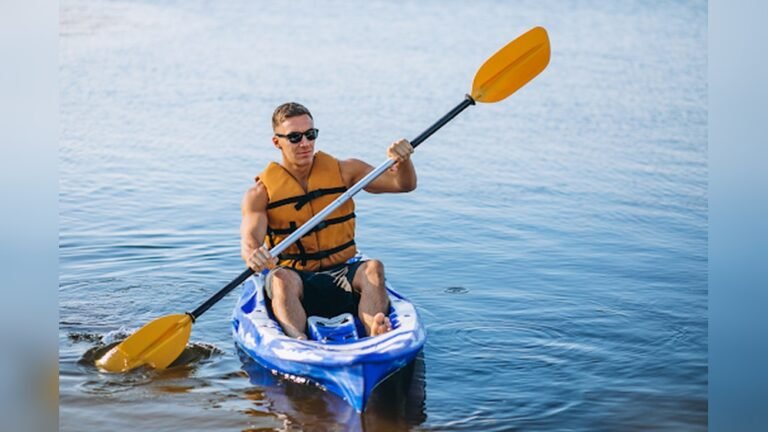
Good posture is the foundation of every stroke. Sit up straight with your feet pressing gently against the footrests. Keep your back relaxed but upright, and your chest open. Your knees should be bent and touching the sides of the kayak.
This position makes it easier to balance and gives you better control.
Proper Grip
Hold the paddle with both hands just wider than your shoulders. Make sure your knuckles line up with the top edge of the paddle blades. Keep your grip relaxed; squeezing too hard will tire your hands and wrists quickly.
Paddle Angle
Angle the blade so it enters the water smoothly. Most paddles have a slight twist, called “feather,” which helps cut through wind. Learn to adjust the angle for different conditions.
Perfecting The Forward Stroke
The forward stroke is the most used technique in kayaking. Done well, it lets you cover long distances with less effort.
- Rotate Your Torso: Instead of just using your arms, twist your upper body as you paddle. This movement uses your core muscles, which are much stronger than your arms alone.
- Plant the Blade Fully: Place the paddle blade fully in the water near your toes, then pull it back alongside the kayak. Finish the stroke near your hip and lift the blade out.
- Push and Pull: As you pull with one hand, push with the other. This creates a smooth, even motion.
- Relaxed Return: After each stroke, bring the paddle forward with a relaxed arm—don’t rush.
Common Mistake: Short, Arm-only Strokes
Many beginners use short strokes and only their arms. This tires you quickly and does not move the kayak efficiently. Practice rotating your body with every stroke.
Mastering Turning Strokes
Turning is essential for maneuvering around obstacles or changing direction.
Sweep Stroke
The sweep stroke is the best way to turn your kayak:
- Stretch your paddle out to the side, plant the blade near your toes, and sweep it in a big arc toward the back of the kayak.
- Use your whole body to help the paddle move in a wide curve.
- To turn left, sweep on the right side; to turn right, sweep on the left.
Reverse Stroke
To stop or move backward, use the reverse stroke:
- Place the paddle behind your hip and push the blade forward through the water.
- Rotate your torso just like in the forward stroke.
Draw Stroke
For moving sideways:
- Reach out with your paddle, place the blade in the water next to the kayak, and pull it straight toward you.
Non-obvious Insight: Edge Control
When turning, try leaning your kayak slightly (called “edging”) toward the direction you want to turn. This reduces resistance and helps you turn faster. Practice this in calm water before using it in strong currents.
Developing Efficient Paddling Rhythm
Good kayakers develop a steady rhythm. This means each stroke is the same size and speed. A consistent rhythm keeps your kayak moving straight and makes you less tired.
- Count or say “one-two” with each stroke to help keep a steady pace.
- Use your legs: As you rotate your torso, push gently against the footrest with the opposite foot.
- Don’t rush; slow, even strokes are more effective than fast, messy ones.
Adapting To Different Water Conditions
Water conditions can change quickly. Knowing how to adjust your technique keeps you safe and makes paddling easier.
Flatwater
On calm lakes or slow rivers, focus on making every stroke efficient. This is the best place to practice your form.
Windy Conditions
Lower your paddle and keep strokes short and close to the kayak. This helps you stay balanced.
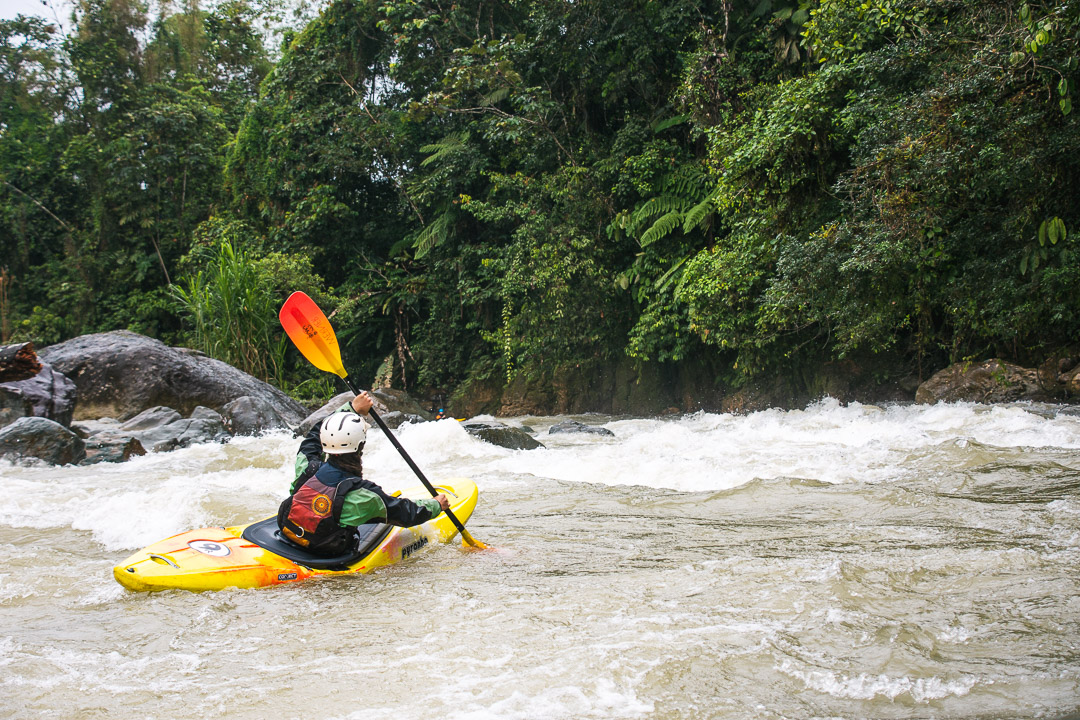
Fast-moving Water
Use short, quick strokes for better control. Lean forward slightly and keep your weight centered.
Waves
Keep your paddle moving and stay relaxed. Use your hips to absorb the motion of the waves, not your upper body.
Building Strength And Flexibility
Physical fitness is important for kayaking. You don’t need to be a bodybuilder, but a strong core and flexible shoulders help prevent injury.
Core Strength
Exercises like planks, sit-ups, and Russian twists help build the muscles you need for rotation.
Shoulder Flexibility
Stretch your shoulders before and after kayaking. This reduces the risk of strain.
Leg Engagement
Strong legs help you push against the kayak for more power. Simple squats and lunges are enough.
Non-Obvious Insight: Many injuries in kayaking come from poor posture and weak core muscles. Even five minutes of core exercise a day can greatly improve your technique and comfort.
Practicing With Purpose
Just paddling around is not enough to improve. Practice with a goal each time you go out.
- Focus on one skill per session, like straight-line paddling, turning, or edging.
- Record yourself or have a friend watch and give feedback.
- Try paddling with your eyes closed for a few seconds (in safe, calm water) to feel your balance and rhythm.
Kayaking Drills
Drills are short, focused exercises that build specific skills.
- Figure Eight Turns: Paddle in a figure eight shape to practice turning and edging.
- Sprint Intervals: Paddle as fast as you can for 10 strokes, then rest. This builds power and control.
- Edging Practice: Lean your kayak gently from side to side while paddling straight.
Choosing The Right Kayak And Paddle
Your equipment plays a big role in technique. The wrong kayak or paddle makes learning harder.
Kayak Size And Shape
Short, wide kayaks are stable and good for beginners, but slower. Long, narrow kayaks are faster but less stable. Choose a kayak that matches your skill and the water you paddle.
Paddle Length
A paddle that is too long or too short will make your strokes less efficient. Most adult paddles range from 210 to 240 cm. Taller paddlers need longer paddles.
Here’s a quick comparison of paddle lengths by paddler height:
| Paddler Height | Kyak Width | Paddle Length |
|---|---|---|
| Under 5’2″ (157 cm) | Under 23″ (58 cm) | 210-220 cm |
| 5’2″–5’8″ (157–173 cm) | 23″–28″ (58–71 cm) | 220-230 cm |
| Over 5’8″ (173 cm) | Over 28″ (71 cm) | 230-240 cm |
Paddle Blade Shape
Wide blades are good for quick turns and power. Narrow blades are better for long-distance paddling.
Safety And Paddling Etiquette
Improving technique also means understanding safety and respecting others.
- Always wear a life jacket.
- Check the weather and water conditions before you paddle.
- Keep a safe distance from other kayakers and boats.
- Learn basic rescue techniques, like the wet exit and T-rescue.
Weather And Water Conditions Table
Here’s a quick look at how different weather and water conditions impact your kayaking technique:
| Condition | Technique Focus | Safety Tip |
|---|---|---|
| Calm Water | Practice basic strokes and edging | Wear a life jacket |
| Windy | Short strokes, stay low | Watch for drifting |
| Fast Current | Quick, controlled strokes | Scout the river ahead |
| Waves | Hip movement, maintain speed | Don’t paddle alone |
Advanced Techniques To Try
Once you feel comfortable with the basics, you can start learning advanced strokes and skills.
Bracing
Bracing helps you keep balance in rough water. To brace, slap the flat part of your paddle blade on the water’s surface when you feel yourself tipping.
Rolling
A kayak roll lets you flip back upright if you capsize. This skill takes time and practice, usually with an instructor. It is essential for whitewater and sea kayaking.
Linking Strokes
Combine strokes smoothly—for example, a forward stroke into a sweep stroke—to move more efficiently.
Pro Tip: Practice these skills in a pool or with an instructor before trying in open water.
Measuring Your Progress
Tracking your progress keeps you motivated and helps you see what works.
- Time yourself over a set distance and try to improve.
- Record your sessions in a notebook or with a GPS watch.
- Celebrate small wins, like paddling straighter or turning faster.
Skill Progression Table
Here’s a guide to what you should focus on as you improve:
| Level | Key Skills | Focus Area |
|---|---|---|
| Beginner | Forward/turn strokes, posture | Balance, safety |
| Intermediate | Edging, bracing, rhythm | Efficiency, control |
| Advanced | Rolling, linking strokes | Speed, rough water |
Learning From Others
One of the fastest ways to improve is by learning from experienced kayakers.
- Join a local kayak club or take a class.
- Watch online tutorials from certified instructors.
- Paddle with friends who have more experience and ask for feedback.
You can find trusted kayaking tips and safety advice from the American Whitewater Association.

Frequently Asked Questions
How Long Does It Take To Improve Kayaking Technique?
Most people see improvement within a few weeks if they practice regularly. Focused practice, even for 30 minutes at a time, works better than just paddling without a goal.
What Is The Most Common Mistake In Kayaking?
Relying only on your arms is the biggest mistake. Remember to use your torso and core muscles for more power and less fatigue.
Is It Better To Have A Longer Or Shorter Paddle?
It depends on your height and kayak width. Taller paddlers or wider kayaks need longer paddles. Using the right length makes your strokes efficient and comfortable.
How Can I Paddle Straight In Windy Conditions?
Keep your strokes close to the kayak and use short, quick movements. Focus on rotating your torso and looking ahead at your target.
Do I Need Lessons To Improve My Technique?
Lessons are not required, but they help you learn faster and avoid bad habits. Even one session with a certified instructor can make a big difference.
Improving your kayaking technique is a journey, not a race. Focus on the basics, practice with purpose, and stay curious. As your skills grow, you’ll find paddling becomes more fun, efficient, and safe—opening the door to new adventures on the water.
