Finding the perfect snowboard size can feel confusing, especially if you’re new to the sport or buying your first board. The truth is, the right size affects everything: how you turn, your control on the mountain, and even how much fun you’ll have. Choosing a board that’s too long or too short can make learning harder or hold back your progress. With so many options and numbers, it’s easy to get lost. This guide will help you cut through the confusion and pick the right snowboard size with confidence, whether you’re a complete beginner or moving up to a new board.
Why Snowboard Size Matters
The size of your snowboard isn’t just about height or weight. It directly affects your stability, maneuverability, and riding style. If your board is too long, you might struggle to turn. If it’s too short, you’ll lose stability, especially at higher speeds. A well-sized board helps with balance, makes tricks easier, and helps you progress faster. Many beginners think length is the only thing that matters, but width, flex, and your riding goals are just as important.
Key Factors When Choosing Snowboard Size
1. Your Weight
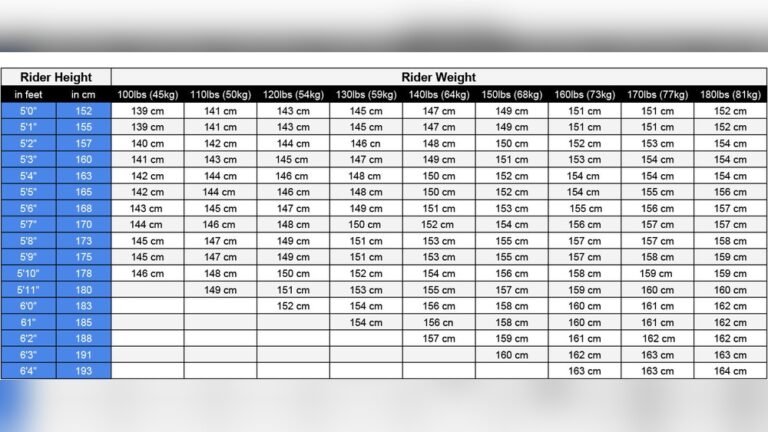
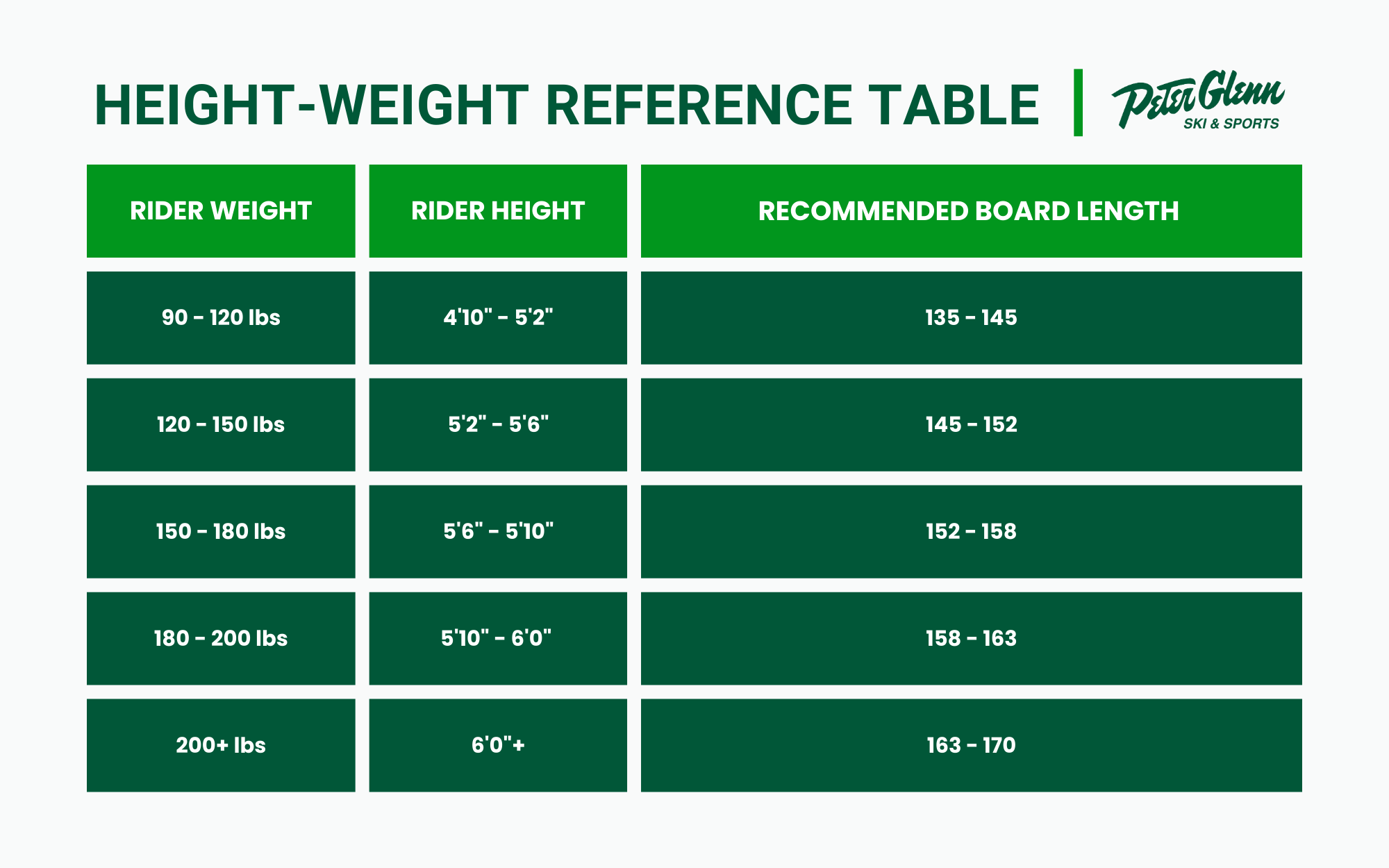
Most snowboard sizing charts focus on rider weight. Why? Because your weight affects how the board flexes and responds. If you’re too heavy for a board, it will feel too soft and unstable. If you’re too light, it might feel stiff and hard to control.
Example Weight-to-size Chart
| Rider Weight (kg) | Snowboard Length (cm) |
|---|---|
| 40-50 | 135-140 |
| 50-60 | 140-145 |
| 60-70 | 145-150 |
| 70-80 | 150-155 |
| 80-90 | 155-160 |
| 90+ | 160+ |
Use this as a starting point, but check the brand’s specific chart for the model you want.
2. Your Height
Height is also important, but not as much as weight. It helps with overall balance and leverage. A common method is to stand the board upright next to you. The tip should reach somewhere between your chin and nose. However, always check weight recommendations first.
3. Riding Style
How you plan to ride makes a big difference. Here’s how different riding styles affect board size:
- Freestyle/Park: Choose a shorter board (lower end of your range). Easier for spins, tricks, and jumps.
- All-Mountain: Pick a medium length. Good for mixed terrain and learning.
- Freeride/Powder: Go longer (upper end of your range). Adds stability and float in deep snow.
4. Snowboard Width
Width is often overlooked, but it’s critical for comfort and control. If your feet are too big for the board’s width, your toes or heels can drag in the snow and make you fall. If your feet are too small, you won’t have enough control.
Quick Width Guide
| Boot Size (US Men) | Board Width |
|---|---|
| 6-8 | Standard |
| 9-11 | Mid-Wide |
| 11+ | Wide |
Measure your boots with bindings on the board. Ideally, your boots should slightly overhang the edge but not touch the snow.
5. Board Flex
Flex describes how much the board bends. It’s rated from soft to stiff. Softer boards are forgiving and great for beginners or park riders. Stiffer boards give more control at speed and for big mountain riding. Your weight also affects how a board flexes, so always read the manufacturer’s flex rating.
6. Gender And Age
Women’s boards are usually lighter, narrower, and have softer flex than men’s boards. Youth boards are shorter and lighter for kids. Don’t choose an adult board for a child—they’ll struggle to control it.
7. Ability Level
Beginners do best with shorter, softer boards. They’re easier to turn and more forgiving. Advanced riders may want longer or stiffer boards for speed and control.
How To Measure Yourself For A Snowboard
Getting the right measurements is simple but important. Here’s what you need to do:
- Weigh yourself with clothes you’ll wear on the mountain.
- Measure your height in centimeters.
- Check your boot size. Try on your boots with snowboard socks.
- Use a sizing chart from the brand you’re interested in. Each brand can be a little different.
Many shops offer a sizing calculator on their websites. Use them for a more personalized suggestion.
Common Sizing Mistakes And How To Avoid Them
Even experienced riders sometimes choose the wrong size. Here are mistakes to watch out for:
- Ignoring weight: Don’t pick a board based only on height.
- Going too long: Beginners often think longer is better for stability, but it’s harder to control.
- Choosing by price: A cheap board that’s the wrong size will hurt your progress.
- Not considering your boots: If your boots are too big for the board, you’ll have toe or heel drag.

Comparing Board Types And Their Sizing Needs
Different types of boards need different sizing strategies. Here’s a quick overview.
| Board Type | Typical Sizing | Main Use |
|---|---|---|
| Freestyle | Shorter (chin) | Park, jumps, tricks |
| All-Mountain | Mid-length (chin to nose) | Mixed terrain |
| Freeride/Powder | Longer (nose or above) | Steeps, deep snow |
For example, if you’re mainly riding groomed runs and just starting out, an all-mountain board in the middle of your weight range is a smart pick.
Real-life Examples
Let’s look at two riders and see how their ideal snowboard size changes with their goals.
Example 1:
Maria is 165 cm tall, weighs 60 kg, and wears US size 8 boots. She’s a beginner who wants to ride all-mountain. According to the charts, she’s best with a board around 145-150 cm, standard width, and a soft or medium flex.
Example 2:
Alex is 180 cm tall, weighs 80 kg, wears US size 11 boots, and wants to ride powder. He should look for a 155-160 cm board, wide width, and a medium-stiff flex for stability.
How Conditions Affect Snowboard Size
Snow and mountain conditions play a role too. If you mostly ride in deep powder, longer boards float better. For icy, packed runs, a slightly shorter board can make turns easier. If you often ride crowded slopes or small hills, a shorter board is easier to handle.
Two Insights Most Beginners Miss
- Board shape matters: Twin boards (same shape front and back) are easier for learning tricks and riding switch. Directional boards (different nose and tail) are better for high speed and powder.
- Don’t size up for “growing into it”: Especially for kids, buying a board that’s too big hoping they’ll “grow into it” makes learning much harder and less fun.

Snowboard Sizing By Brand
Every brand has its own sizing system. Some boards are built to ride shorter or longer than average. Always read the brand’s recommendations for each model. If you’re between sizes, choose based on your main riding style: shorter for park, longer for powder.
For more details about snowboard sizing, visit the Snowboard Wikipedia page.
Buying Tips For The Right Size
- Try boards in a shop if possible. Stand on them and feel the flex.
- Ask staff for advice based on your weight, height, and shoe size.
- Don’t be afraid to ask for demo days or rentals before buying.
- If you can’t decide between two sizes, pick the shorter for easier control or the longer for more speed and stability.
Frequently Asked Questions
What If I’m Between Two Snowboard Sizes?
If you’re between sizes, think about your riding style. Choose the shorter board for easier turns and tricks. Go longer for more speed and stability, especially in powder.
Can I Use The Same Board For Park And Powder?
You can, but it’s a compromise. All-mountain boards are designed for this, but if you want to specialize, get a park board for tricks or a longer powder board for deep snow.
How Do I Know If My Snowboard Is Too Wide Or Too Narrow?
If your boots hang over too much, your toes or heels will catch the snow and make you fall. If your boots barely reach the edges, you won’t have good control. Aim for your boots to slightly overhang the edge by about 1–2 cm.
Is Snowboard Length More Important Than Width?
Both are important, but most brands recommend starting with length based on your weight, then adjusting width for your boot size. Never ignore width, especially if you have large or small feet.
Do Men And Women Need Different Snowboard Sizes?
Yes. Women’s boards are usually lighter, narrower, and have softer flex. This matches most women’s body shapes and weights. Always check for women-specific models if you’re female.
Choosing the right snowboard size is more than just numbers—it’s about matching the board to your body, your style, and your goals. Take your time, ask questions, and don’t be afraid to try different sizes. The right fit will make your riding smoother, more comfortable, and a lot more fun.
