
Finding the perfect kayak can feel confusing, especially if you’re new to paddling. There are so many shapes, sizes, and features. Some kayaks are long and narrow, others are wide and stable. Prices jump from cheap to expensive fast. How do you know which kayak is right for you?
Making the wrong choice could mean you feel uncomfortable on the water, or even unsafe. But with a bit of guidance, you can confidently pick a kayak that fits your needs, skills, and budget.
This guide is designed to help you make a smart, informed decision. We’ll cover everything from kayak types and materials to sizing, safety, and common mistakes. Whether you want to fish, explore rivers, or just relax on a lake, you’ll understand what matters—and what doesn’t—before you buy.
Understanding Kayak Types
The first step to choosing the right kayak is knowing the main types. Kayaks come in several designs, each with their own strengths. Picking the wrong type can turn a fun adventure into a struggle.
Sit-inside Kayaks
Sit-inside kayaks have a closed cockpit. You sit inside with your legs under the deck. These are good for:
- Colder water (they keep you drier)
- Longer trips (more storage space)
- Better control in rough water
However, they can feel cramped for some, and getting in and out takes practice. If your kayak flips, water can fill the cockpit, so you need to learn how to empty it.
Sit-on-top Kayaks
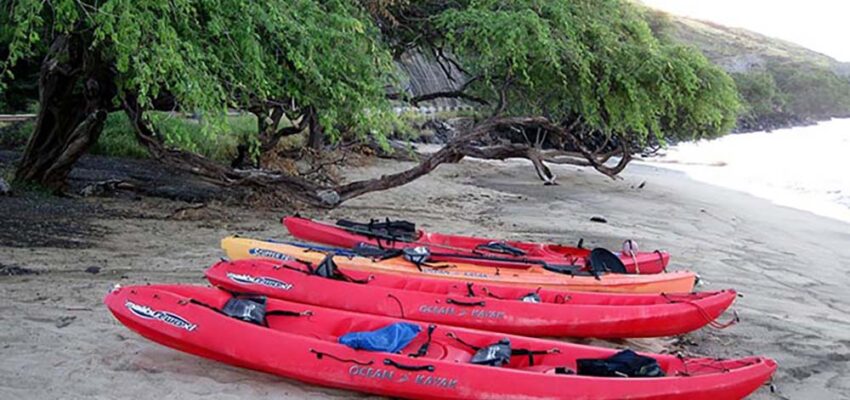
Sit-on-top kayaks are open. You sit on the top, not inside. They’re popular for:
- Beginners (easy to get on and off)
- Warm weather
- Fishing (lots of space to move)
These are usually wider and more stable, but you’ll get wetter. They’re not ideal for cold water, unless you wear special clothing.
Inflatable Kayaks
Inflatable kayaks can be pumped up and deflated. They’re lightweight and easy to transport. Good for:
- People without much storage space
- Traveling (fit in a car trunk or closet)
But they’re not as fast or durable as hard-shell kayaks. Cheap inflatables can be hard to paddle straight. Only buy from trusted brands.
Tandem Kayaks
Tandem kayaks hold two (or sometimes three) people. Perfect for:
- Couples or families
- People who want company on the water
But they’re heavier and harder to turn. If you’re not always paddling with someone, a tandem might feel awkward to use solo.
Specialty Kayaks
There are also specialty kayaks for activities like fishing, whitewater, or sea touring. These have unique features:
- Fishing kayaks: Extra-stable, rod holders, gear tracks
- Whitewater kayaks: Short, strong, easy to turn
- Sea/touring kayaks: Long, fast, designed for open water
If you have a specific activity in mind, look for a kayak made for that use.
Where Will You Paddle?
Your local water conditions greatly affect which kayak is best.
Lakes And Calm Water
For flat water, like small lakes or slow rivers, nearly any kayak works. Recreational kayaks (stable, short, wide) are perfect here. You don’t need high speed or advanced features.
Rivers And Moving Water
If you’ll paddle rivers with currents or obstacles, look for a shorter kayak. These turn more easily. Avoid long, narrow touring kayaks—they’re hard to maneuver in tight spaces.
Ocean And Coastal Use
For sea or coastal paddling, safety is more important. You need a kayak that handles waves and wind. Sea kayaks are long, have sealed hatches for storage, and often include a rudder or skeg for tracking.
Fishing Spots
If you plan to fish, consider a fishing kayak. These have wide, stable hulls, space for tackle boxes, and often mounts for rods or electronics.
Kayak Materials And Construction
The material of your kayak affects weight, durability, price, and performance. Here’s a quick comparison:
| Material | Weight | Durability | Cost |
|---|---|---|---|
| Polyethylene (Plastic) | Medium-Heavy | Very Durable | Low |
| Composite (Fiberglass/Carbon) | Light | Less Durable | High |
| Inflatable (PVC) | Very Light | Less Durable | Medium |
- Polyethylene kayaks are the most common and affordable. They can take hits from rocks but are heavy.
- Composite kayaks are fast and light but can crack if dropped.
- Inflatable kayaks are easy to carry but can be punctured by sharp objects.
One insight: Beginners often forget that UV rays can damage plastic kayaks over time. Store your kayak out of the sun or buy a cover.
Size And Fit: Getting It Right
A common mistake is choosing a kayak that’s the wrong size. Both length and width matter.
Length
- Short kayaks (8–10 feet): Turn easily, good for rivers or beginners.
- Medium (10–12 feet): Best for most people, balance speed and control.
- Long (12+ feet): Faster, track straight, ideal for touring or open water.
Width
- Wider kayaks (28+ inches): More stable, slower.
- Narrow kayaks (under 25 inches): Faster, less stable, for experienced paddlers.
If you’re tall or heavier, check the weight capacity. Overloading a kayak makes it unstable.
Cockpit Size
For sit-inside kayaks, cockpit size affects how easy it is to enter and exit. If you have long legs or mobility issues, look for a larger cockpit.
Weight And Portability
Kayaks can be heavy. If you need to carry your kayak by yourself or lift it onto a car roof, check the weight before you buy.
| Kayak Type | Average Weight | Portability |
|---|---|---|
| Inflatable | 18–35 lbs (8–16 kg) | Very easy |
| Plastic Sit-on-Top | 40–60 lbs (18–27 kg) | Medium |
| Composite Touring | 35–50 lbs (16–23 kg) | Easy if strong |
If you paddle alone often, look for a kayak you can move without help. Some have built-in handles or wheels for easy transport.
Key Features To Consider
Certain features can make your kayaking experience much better. Don’t overlook these:
Seat Comfort
A good seat makes a huge difference, especially on longer trips. Look for adjustable backrests and padding. Try sitting in the kayak before buying, if possible.
Storage Space
If you plan to bring gear, lunch, or camping equipment, check for hatches or bungee cords. Dry storage is a must for longer trips.
Footrests
Adjustable footrests help you paddle more efficiently and stay comfortable. Fixed footwells are fine for short outings but less comfortable for long paddles.
Rudder Or Skeg
Some kayaks have a rudder (controlled by your feet) or a skeg (fixed fin) to help you go straight in wind or currents. These are very useful for open water.
Safety Features
Important safety features include:
- Deck lines (for grabbing)
- Reflective tape or bright colors (better visibility)
- Sealed bulkheads (prevents sinking if flooded)
Price And Value
Kayaks range in price from under $200 to over $4,000. Here’s what you usually get at each level:
- Under $400: Basic inflatables or used plastic kayaks. Good for short, occasional use.
- $400–$800: Solid entry-level recreational kayaks.
- $800–$1,500: Higher quality, better seats, more features. Good for frequent paddlers.
- $1,500+: Light, fast, or specialty kayaks for advanced users.
Don’t overspend on features you won’t use. But also, don’t buy the cheapest option just to save money. A poor-quality kayak is no fun and may not last.
Test Before You Buy
One insight many beginners miss: The best way to choose a kayak is to test paddle it. Many shops and clubs offer demo days. Sitting in a kayak in the store is not the same as paddling it on water.
- Try different types and sizes
- Check stability, speed, and comfort
- Ask questions and get expert advice
If you can’t test, read reviews from real users. Look for honest feedback, not just star ratings.
Common Mistakes To Avoid
- Buying too small or large: Many people overestimate their skills or needs.
- Ignoring weight limits: Overloading is unsafe and makes paddling harder.
- Forgetting about storage and transport: If you can’t move or store your kayak, you won’t use it.
- Skipping safety gear: Always budget for a good life jacket (PFD), paddle, and whistle.
- Not considering resale value: Quality brands hold value better if you want to upgrade later.
Kayak Comparison By Activity
Choosing the right kayak also depends on what you want to do. Here’s a quick reference:
| Activity | Best Kayak Type | Key Features |
|---|---|---|
| Fishing | Sit-on-top / Fishing kayak | Stable, rod holders, gear mounts |
| Recreational paddling | Recreational kayak | Wide, stable, easy to use |
| Whitewater | Whitewater kayak | Short, strong, easy to turn |
| Touring | Sea/touring kayak | Long, fast, storage space |
| Family use | Tandem kayak | Two or more seats |
Final Steps: Making Your Choice
- Decide where and how you’ll use your kayak most.
- Set a realistic budget for kayak and gear.
- Choose the type, material, and size that fits your needs and skill.
- Check for comfort, safety, and storage.
- If possible, test paddle before you buy.
Remember, no kayak is perfect for every use. It’s better to start with a good all-around model and upgrade later as your skills grow.
For more in-depth advice and safety tips, check resources like the Wikipedia Kayak page.
Picking the right kayak isn’t just about buying a boat. It’s about choosing adventures, building skills, and staying safe on the water. With the right information, you’ll find a kayak you’ll love for years.
Frequently Asked Questions
What Size Kayak Is Best For Beginners?
Most beginners do well with a 10–12 foot recreational kayak. These are stable and easy to control. If you’re taller or heavier, check the weight capacity before buying.
Is A Sit-on-top Or Sit-inside Kayak Better?
Sit-on-top kayaks are best for warm water and easy access. Sit-inside kayaks keep you drier and are better for colder water or longer trips. Choose based on your local climate and comfort.
How Much Should I Spend On My First Kayak?
A good budget for a first kayak is $400–$800. This range offers solid quality without too many extras. Don’t forget to budget for a paddle, life jacket, and basic safety gear.
Can I Use An Inflatable Kayak In The Ocean?
Some inflatable kayaks are rated for ocean use, but most are better for lakes and calm rivers. Always check the manufacturer’s rating. For open water, a hard-shell sea kayak is safer.
What Safety Gear Do I Need With My Kayak?
You should always have a life jacket (PFD), paddle, whistle, and sometimes a light or reflective gear. If paddling in cold water, wear proper clothing to avoid hypothermia.
Choosing the right kayak takes a little time, but it’s worth the effort. With these tips, you’ll feel confident on your next paddling adventure. Safe travels!