If you’re new to kayaking, choosing the right kayak can feel confusing. There are so many shapes, sizes, and features. Should you pick a sit-on-top or sit-in model? What size is best? Which kayak is safest for beginners? This guide will help you answer these questions.
You’ll learn what really matters when choosing your first kayak, common mistakes to avoid, and practical tips to make your start enjoyable and safe. Let’s dive into the details so you can confidently pick the best kayak for beginners.
Understanding The Main Types Of Kayaks
Before you choose, it’s important to know the basic kayak types. Each type has unique strengths and weaknesses for beginners.
Sit-on-top Kayaks
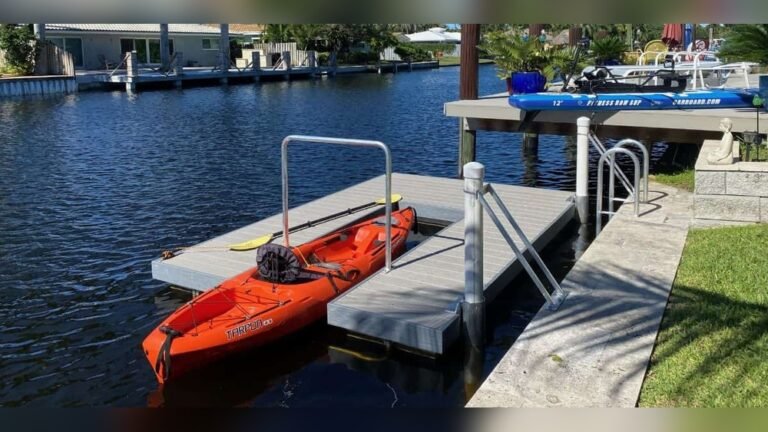
These kayaks have an open design. You sit on top, not inside. They’re easy to get in and out of, which is great if you’re nervous about flipping over. Sit-on-top kayaks are very stable and usually have scupper holes for draining water. They work well for warm weather and calm lakes or slow rivers. If you fall off, you can climb back on easily.
Sit-inside Kayaks
With these, you sit inside the kayak, with your legs covered. Sit-inside kayaks give you more protection from wind and splashes. They often move faster and track better (move straight) in the water. However, if you tip over, getting back in can be a challenge for a beginner.
Inflatable Kayaks
Inflatable kayaks have improved a lot. They’re light, easy to carry, and simple to store. Many are surprisingly stable and durable. For those with limited space or who want to avoid heavy lifting, inflatable kayaks can be a good option. However, they usually aren’t as fast or as tough as hard-shell kayaks.
Recreational Vs. Touring Kayaks
Recreational kayaks are wider and shorter, making them stable and easy to turn. These are perfect for beginners. Touring kayaks are longer and narrower, built for speed and straight tracking over long distances. Beginners usually find touring kayaks harder to control.
Here’s a quick comparison of main kayak types for beginners:
| Type | Stability | Ease of Use | Storage | Best For |
|---|---|---|---|---|
| Sit-on-Top | Very High | Easy | Bulky | Warm, calm water |
| Sit-Inside | Medium | Moderate | Bulky | Cool weather, longer trips |
| Inflatable | High | Easy | Compact | Travel, small spaces |
| Recreational | High | Easy | Bulky | Lakes, slow rivers |
| Touring | Low-Medium | Difficult | Bulky | Long distance, open water |
Key Features To Consider
Several features make a big difference for first-time buyers. Focus on these when comparing kayaks.
Stability
Stability is crucial for beginners. A wide, flat-bottom kayak is less likely to tip, giving you confidence as you learn. Look for models at least 28 inches wide. Extra width usually means more stability, but less speed.
Length
For beginners, a kayak between 9 and 12 feet is ideal. Shorter kayaks are easier to turn but may not track as straight. Longer kayaks are faster and go straighter, but they can be harder to handle.
Weight
Lifting a heavy kayak is tough, especially alone. Many first-timers underestimate how much a kayak weighs. Most entry-level kayaks weigh between 35 and 55 pounds. If you’ll be loading your kayak onto a car roof, choose a weight you can safely lift.
Material
Most beginner kayaks are made from polyethylene plastic. This material is tough and affordable, but heavy. Composite materials like fiberglass or carbon fiber are lighter but cost much more and are less durable for rough use.
Seat Comfort
Comfort matters, especially if you’ll paddle for more than an hour. Look for adjustable seats with good back support. Some cheap kayaks have thin, uncomfortable seats that cause back pain.
Storage
You’ll want space for water, snacks, and maybe a dry bag for valuables. Most recreational kayaks have at least one storage hatch or bungee cords for tying down gear.
Weight Capacity
Check the maximum weight capacity before buying. Add your weight plus gear and always leave a margin. Overloading a kayak makes it less stable and harder to paddle.

Where Will You Paddle?
The best kayak for you depends on the water you’ll use it on. Here’s how to match your kayak to your main paddling spot:
- Calm Lakes or Ponds: Almost any recreational or sit-on-top kayak works. Focus on stability and comfort.
- Slow Rivers: Wider, shorter kayaks are easier for beginners to maneuver in rivers.
- Coastal Bays: Choose a longer kayak with a covered cockpit to handle waves and wind. Sit-inside models are better here.
- Fast Rivers or Whitewater: Beginners should avoid these until they have more skill and confidence.
Budgeting: How Much Should You Spend?
Beginner kayaks range from $250 to $900 USD. Price is often linked to quality, comfort, and features.
- Under $400: Basic models, often less comfortable, but fine for short trips.
- $400 to $700: Mid-range kayaks with better seats, storage, and tracking.
- $700 and up: High-quality recreational or light touring kayaks, often with better materials and extra features.
Don’t forget to budget for a paddle, life jacket (PFD), and safety gear. This can add $100–$250 or more to your total cost.
Mistakes Beginners Often Make
Many first-timers pick a kayak for the wrong reasons. Here are mistakes to avoid:
- Buying too narrow or long: Looks fast, but is hard to control.
- Ignoring weight: Hard to transport, especially solo.
- Skipping a test paddle: Always try before you buy, if possible.
- Overlooking safety gear: Always buy a good PFD and learn basic safety.
- Focusing only on price: Cheap can mean uncomfortable or unsafe.
A less obvious mistake is choosing a kayak with no resale value. Some off-brand or “big box” kayaks are hard to sell if you upgrade later. Stick with known brands, even for beginner models.
Comparing Popular Beginner Kayak Models
Here’s a quick comparison of three popular starter kayaks:
| Model | Type | Length | Weight | Capacity | Approx. Price |
|---|---|---|---|---|---|
| Perception Sound 9.5 | Sit-Inside | 9’6” | 38 lbs | 300 lbs | $450 |
| Lifetime Lotus | Sit-on-Top | 8’ | 38 lbs | 250 lbs | $300 |
| Intex Explorer K2 | Inflatable | 10’3” | 35 lbs | 400 lbs | $150 |
These models are affordable, stable, and suitable for most beginners.
Essential Accessories For Beginners
Owning a kayak is more enjoyable and safer with the right extras. Here’s what you need:
- Paddle: Lightweight, right length for your height and kayak width.
- Personal Flotation Device (PFD): Must fit snugly and be comfortable to wear.
- Dry Bag: Keeps your phone, wallet, and keys safe from water.
- Roof Rack or Cart: Makes moving and storing your kayak easier.
- Whistle and Rescue Rope: For safety in emergencies.
Many new kayakers forget to buy a paddle leash. This small strap keeps your paddle connected to the kayak, so you don’t lose it if you drop it in the water.
Testing Before You Buy
If you can, try several kayaks before buying. Some outdoor stores and clubs offer demos. Pay attention to how stable the kayak feels, how easy it is to paddle, and whether you’re comfortable after 20–30 minutes. Even if you don’t paddle perfectly, comfort and stability are most important for a beginner.
Renting Vs. Buying Your First Kayak
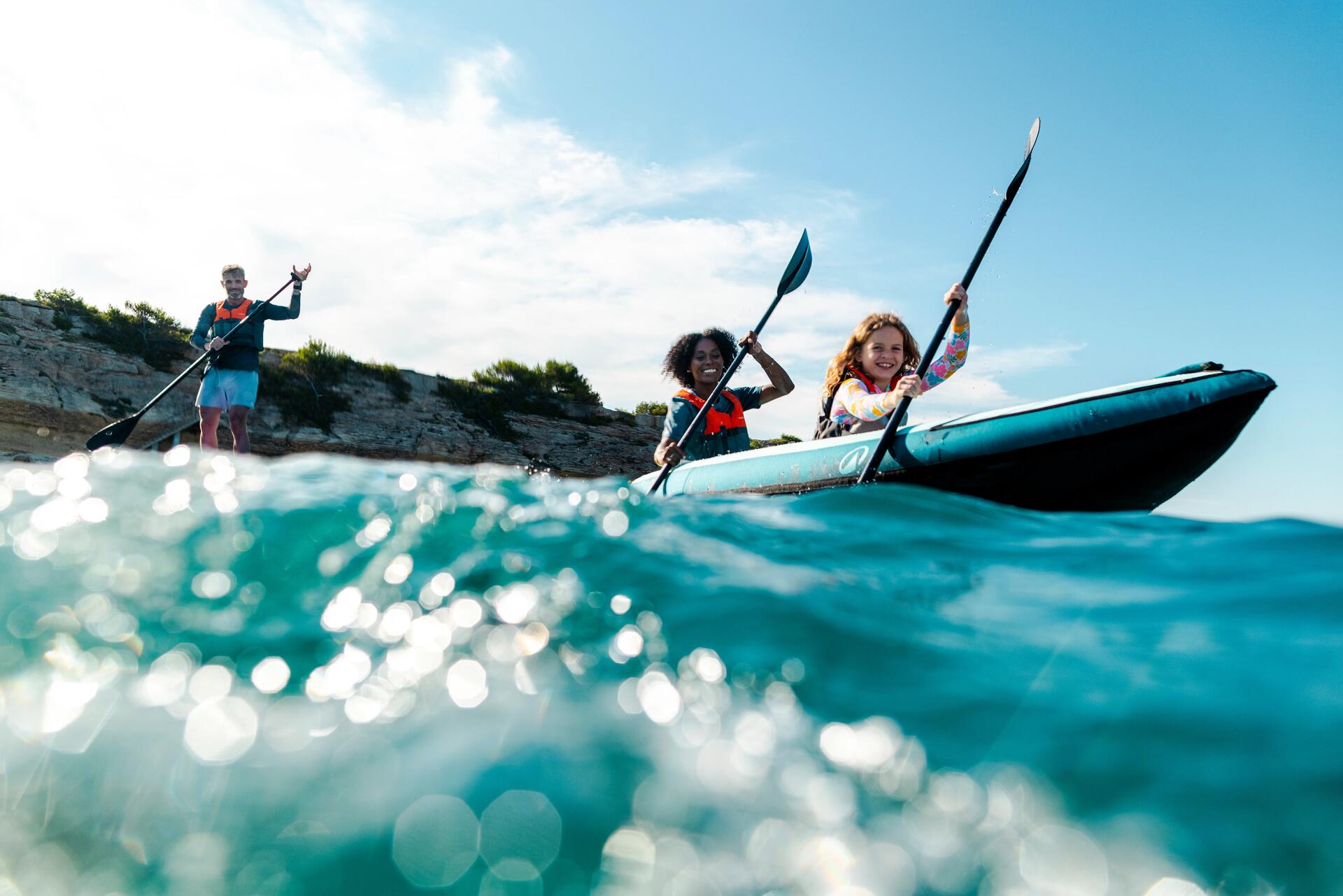
If you’re unsure about kayaking or only plan to paddle a few times a year, renting can be smarter than buying. Rentals let you test different types, and you don’t have to worry about storage or transport. Most rental shops offer both sit-on-top and sit-inside models. After a few trips, you’ll know what feels best for you.
Common Questions To Ask Before Buying
- Where will I store my kayak? If space is tight, consider an inflatable.
- How will I transport it? Can you lift it alone? Do you have a roof rack?
- Who will paddle with me? If you want to kayak with kids or a pet, look for tandem or extra-wide models.
- Will I paddle year-round? For cool weather, a sit-inside model gives more protection.
- Do I want to fish or take photos? Some kayaks come ready for fishing, with rod holders and extra stability.
Comparing Sit-on-top Vs. Sit-inside For Beginners
This is the biggest choice for most first-timers. Here’s a side-by-side look:
| Feature | Sit-on-Top | Sit-Inside |
|---|---|---|
| Stability | Very High | Medium |
| Ease of Entry/Exit | Very Easy | Moderate |
| Weather Protection | None | Good |
| Safety if Capsized | Easy Re-entry | Harder |
| Storage Space | Less | More |
| Ideal Conditions | Warm, calm water | Cool, rough water |
Most beginners are happier with a sit-on-top kayak, unless they plan to paddle in cold or rough water.
Tips For Your First Trips
- Start in calm, shallow water to get used to balance and paddling.
- Bring a friend or join a group for safety and fun.
- Always wear your PFD, even if you’re a good swimmer.
- Don’t overload your kayak with gear.
- Watch the weather—wind and currents can make paddling hard.
- Practice getting back on your kayak in shallow water.
A helpful tip many beginners miss: Learn basic paddling strokes before your first trip. YouTube has great tutorials, or ask a local club for lessons.

Frequently Asked Questions
What Size Kayak Is Best For A Beginner?
Most beginners do well with kayaks between 9 and 12 feet long and at least 28 inches wide. This size is stable, easy to turn, and not too heavy to carry.
How Much Should A Beginner Spend On A Kayak?
A good beginner kayak usually costs $300–$600. Try to buy the best you can afford for comfort and safety. Don’t forget to budget for a paddle and safety gear.
Is A Sit-on-top Or Sit-inside Kayak Safer For Beginners?
For most beginners, a sit-on-top kayak is safer and easier. If you tip over, you can climb back on. Sit-inside kayaks give more protection in cold water but are harder to re-enter if you flip.
Can I Use An Inflatable Kayak On Rivers Or The Sea?
Most inflatable kayaks work well on calm lakes and slow rivers. Some advanced inflatables can handle sea conditions, but always check the model’s rating. Avoid using cheap inflatables in rough or fast water.
Where Can I Learn More About Kayak Safety?
You can find more kayak safety tips and beginner advice from the American Whitewater Association.
Choosing your first kayak is exciting. If you focus on stability, comfort, and the type of water you’ll use, you’ll enjoy learning and exploring. Remember, don’t rush—try different models, ask questions, and you’ll soon find the perfect kayak for your adventures.
