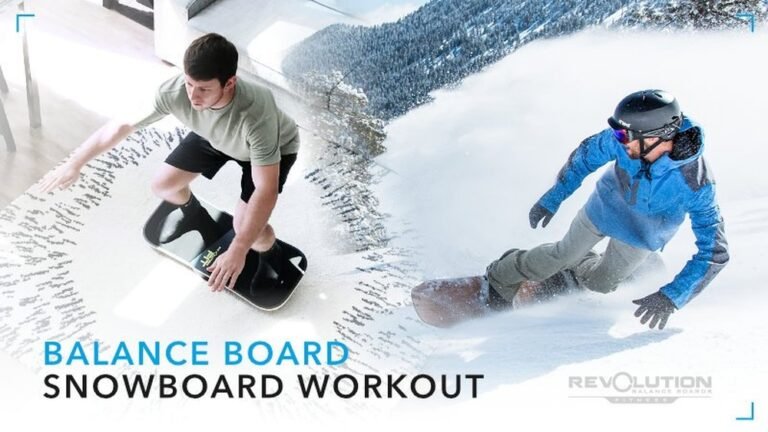
Balancing on a snowboard can feel almost magical when you get it right. But for beginners, just standing upright without falling can be a real struggle. Snowboarding is not just about riding down a hill — it’s about controlling your body, feeling the snow, and making small adjustments every moment.
If you want to ride with confidence, learning to balance is the very first skill to master. This guide will walk you through every detail, from getting into the right stance to handling rough slopes, so you can stay upright and enjoy the ride.
Understanding Snowboard Balance
Before you even step onto the snow, it’s important to know what balance means on a snowboard. Unlike walking or running, snowboarding requires dynamic balance. This means your center of gravity is always shifting as you move, turn, or stop. Your body must react to changes under your feet, the slope of the hill, and even the snow condition. Good balance is not about staying stiff or frozen — it’s about being flexible and making constant, small movements to stay upright.
Beginners often think balance is about being still. In reality, you need to stay relaxed and let your knees and ankles absorb bumps and changes. Many new riders also look down at their feet, which throws off their balance even more. Instead, focus on where you want to go and keep your head up.
Setting Up For Balance
Choosing The Right Snowboard Size
The first step to better balance is picking a board that fits you. If your snowboard is too long or too short, controlling it becomes much harder. A general rule is that your board should stand somewhere between your chin and nose when upright.
Heavier riders may need a longer board, while lighter riders can go shorter.
Adjusting Your Bindings
Bindings connect your boots to the board. The angle and stance width can make a big difference. Most beginners start with a stance about shoulder-width apart. Set your binding angles to around 15° on the front foot and 0° to -6° on the back foot for easier balance. Your feet should feel comfortable, not stretched or cramped.
Checking Your Gear Fit
Loose boots or bindings can cause your feet to slip, making balance almost impossible. Make sure everything is snug, but not painfully tight. Wear proper snowboarding socks that don’t bunch up inside your boots.
The Basic Snowboard Stance
How you stand on the board affects everything. A good stance keeps you stable and ready to move.
- Bend your knees slightly, so you’re not standing straight up.
- Keep your back straight and shoulders relaxed.
- Distribute your weight evenly over both feet.
- Arms out to the side for balance, not in front of your body.
- Look forward in the direction you want to go.
Tip: Imagine you are sitting lightly on a barstool. This position keeps you flexible and helps absorb bumps.
Practicing Static Balance
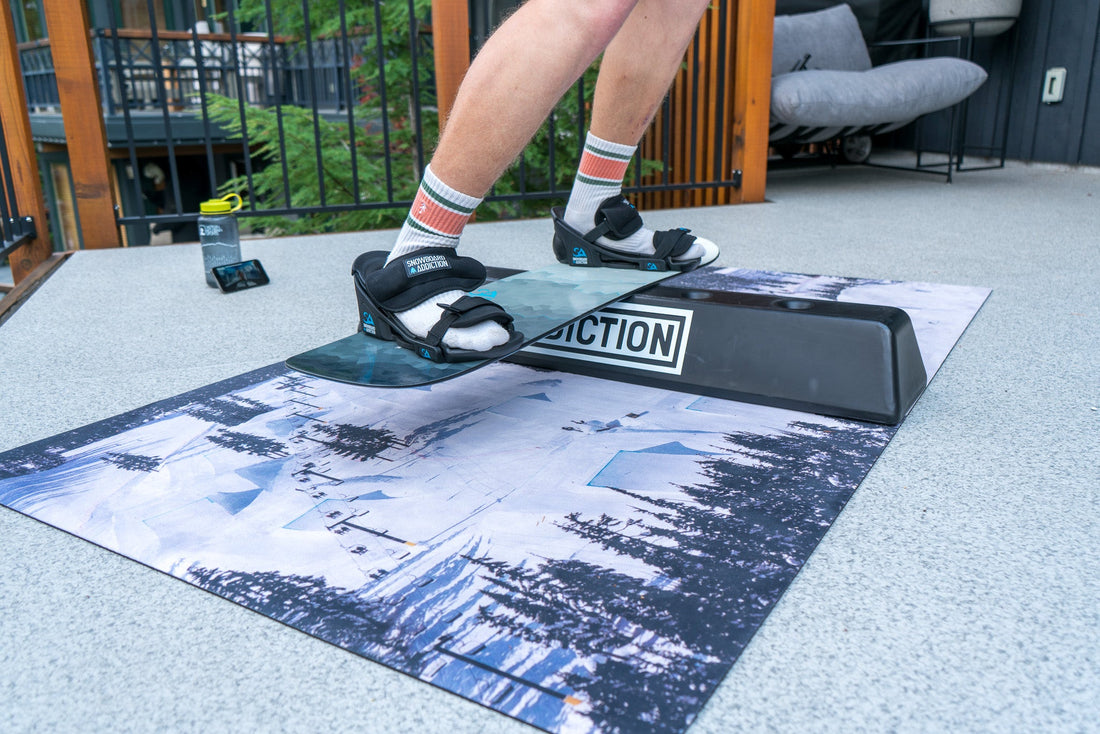
Before moving, practice balancing on your board while standing still. Find a flat spot on the snow. Strap in with both feet and try shifting your weight from your heels to your toes. Notice how the board tilts.
- Try standing on your toes for a few seconds, then on your heels.
- Rock back and forth gently, feeling how your body adjusts.
- Stand on one foot, then the other, for a few seconds each.
This helps you get used to the board’s movement and your own center of gravity.
Balancing While Moving
Once you’re comfortable standing still, it’s time to try moving. Start on a gentle, beginner-friendly slope.
Sliding On A Flat Surface
Push yourself forward with one foot while the other stays strapped in. This is called skating. It helps you practice shifting your weight and controlling the board’s movement.
Straight Glide
Strap in both feet and point the board straight down a gentle slope. Keep your stance as before and focus on looking forward, not at your feet. Try to ride a short distance without falling.
- If you feel unsteady, bend your knees more and keep your arms out.
- Don’t lean back — this will make you slip out and fall.
Controlling Speed With Edges
Snowboards have two main edges: toe edge and heel edge. Learning to balance on each edge is key.
- Heel edge: Lean back slightly so the front of the board lifts up. You’ll feel the board dig into the snow and slow down.
- Toe edge: Lean forward onto your toes to dig the toe edge into the snow.
Try sliding slowly, then use your edges to stop. Practice balancing on both edges until you feel comfortable.
Turning And Balance
Turning is where balance skills really show. As you turn, your center of gravity shifts from one edge to the other.
- Start a turn by gently shifting your weight toward your toes or heels.
- Look in the direction you want to go — your body will follow.
- Keep your knees bent and stay relaxed.
- Finish the turn and find your balance before starting the next one.
Common beginner mistake: Leaning only with your shoulders. Turns should start from your feet and hips, with your whole body working together.
Using Your Core Muscles
Your legs do a lot of work, but your core muscles are just as important for balance. Strong core muscles help you control your upper body and react quickly to changes.
- Practice exercises like planks, squats, or balance boards off the snow to build core strength.
- While riding, keep your abs tight and your hips centered.
Recovering From Loss Of Balance
Everyone loses balance sometimes. Knowing how to recover can save you from a fall.
- If you feel yourself tipping, bend your knees more and lower your center of gravity.
- Use your arms for balance, but don’t wave them wildly — this can make things worse.
- If you can’t recover, try to fall safely: Tuck your arms in and roll onto your side.
Pro tip: Don’t fight the fall. Trying to stay up at all costs often leads to injury. It’s better to fall in a controlled way and get back up.
Riding Over Uneven Terrain
Not all slopes are smooth. You’ll face bumps, ice, and ruts. Balancing on rough snow requires even more focus.
- Keep your knees soft so they can absorb shocks.
- Stay centered over the board, not leaning too far forward or back.
- Watch the terrain ahead and adjust your stance before you hit a bump.
Practicing Balance Drills
Practicing specific drills can help improve your balance quickly.
- One-foot riding: Try gliding with only your front foot strapped in. This challenges your balance and improves control.
- Flatland 180s: On flat snow, practice spinning your board 180 degrees. This helps you learn to shift your weight and rotate your body.
- Ollies: Jumping with your snowboard (ollies) strengthens your legs and core.
Repeat these drills often for better balance and confidence.
Common Balance Problems And Solutions
Even with practice, some problems can slow your progress. Here’s how to fix them:
| Problem | Why It Happens | How to Fix |
|---|---|---|
| Leaning Back Too Much | Fear of speed, stiff legs | Bend knees, center weight, relax |
| Looking Down | Lack of confidence, checking feet | Focus forward, trust your stance |
| Stiff Arms | Tension, poor posture | Keep arms loose and out to sides |
| Uneven Weight | Unbalanced stance, wrong binding setup | Readjust bindings, practice even stance |
Progressing To Advanced Balance
As your skills improve, you can challenge your balance with more advanced techniques:
- Carving: Riding on the edge of your board in smooth, controlled turns.
- Jumps and tricks: Small jumps require quick balance adjustments in the air and on landing.
- Riding switch: Try riding with your opposite foot forward to improve all-around balance.
Advanced riders combine all these skills to handle any slope or snow condition.
Comparison: Beginner Vs. Advanced Balance
To understand how your balance will change as you progress, see the differences between beginner and advanced riders:
| Aspect | Beginner | Advanced |
|---|---|---|
| Stance | Wide, low, cautious | More upright, relaxed |
| Balance Recovery | Slow, often falls | Quick, smooth corrections |
| Edge Control | Basic, often skids | Precise, carves cleanly |
| Terrain | Prefers easy slopes | Confident on any terrain |
Mistakes Beginners Usually Miss
Many new snowboarders overlook two important things:
- Ignoring body position when tired. As you get tired, it’s easy to stand up straight and lose your stance. This makes balancing much harder and increases the risk of falling. Always check your posture, especially after a long run.
- Not practicing on both edges. Some riders feel comfortable on their heel edge but avoid the toe edge. This creates bad habits and limits progress. Practice balancing on both edges from the start.

Real-world Examples
Imagine you’re snowboarding for the first time. You start on a flat area, practicing standing still. After a few tries, you begin to glide slowly down a gentle hill. At first, you lean back because you’re afraid of going too fast and fall.
You remember to bend your knees and keep your weight centered. On your next attempt, you glide farther and recover your balance by shifting your hips, not just your shoulders. Soon, you’re making basic turns and feeling confident.
Professional snowboarders often spend time doing balance drills, even after years of experience. They know that strong balance is the foundation for all advanced tricks and riding. You’ll see them riding switch, practicing on one foot, or even balancing on rails — all because they’ve mastered the basics.
Tips For Faster Progress
- Take lessons from a certified instructor. Personalized feedback helps correct bad habits early.
- Video yourself riding. Watching your posture can reveal mistakes you didn’t notice.
- Ride often. The more time you spend on the board, the better your balance becomes.
- Stay positive. Progress can feel slow, but every small improvement counts.
Safety Precautions
Balancing on a snowboard can sometimes lead to falls. Always wear a helmet and wrist guards, especially when you’re learning. Check your gear before each session to make sure everything is secure. If you feel tired or sore, take a break — riding while exhausted increases the risk of injury.
Frequently Asked Questions
How Long Does It Take To Learn To Balance On A Snowboard?
Most beginners start to feel comfortable balancing after about 2–3 days of practice. Progress depends on your fitness, lessons, and how often you ride. Consistent practice is key.
What Should I Do If I Keep Falling Backward?
If you’re falling backward, you’re likely leaning too far on your heels. Try bending your knees more and keeping your weight centered over the board. Focus your eyes forward instead of looking down.
Can I Practice Snowboard Balance At Home?
Yes, you can improve your balance at home using a balance board or simple exercises like squats and planks. Strengthening your core and legs will help when you get back on the snow.
Should I Ride With My Bindings Tight Or Loose?
Your bindings should be snug enough that your boots don’t move around but not so tight that they cut off circulation. Loose bindings make balancing much harder and can be dangerous.
Where Can I Find More Tips On Snowboarding Techniques?
You can find reliable advice and video tutorials on the official Burton Snowboards Blog, which covers beginner to advanced techniques.
Balancing on a snowboard is a journey that starts with the basics and never really ends. The more you practice, the more natural it becomes. With the right stance, equipment, and mindset, you’ll be riding with confidence and style in no time.
Each run is a chance to improve — so enjoy the process and keep pushing your limits.

