
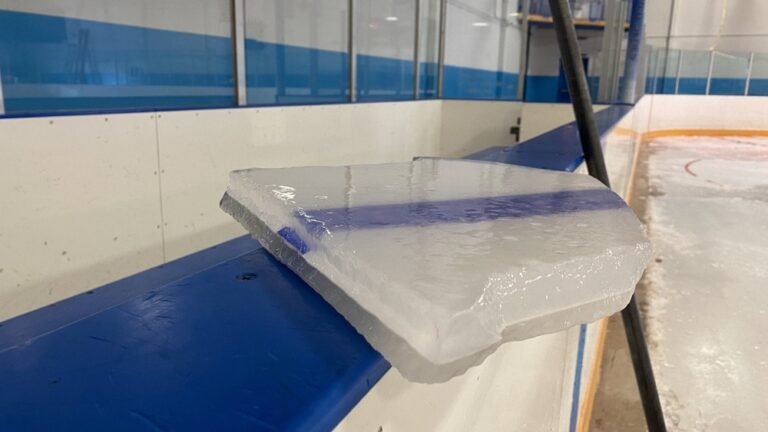
How Thick Is The Ice On An Ice Hockey Rink?
If you have ever watched an ice hockey game, you might have wondered how thick the ice really is. The players move fast, the puck glides smoothly, and sometimes players crash hard onto the surface. The quality and thickness of the ice matter a lot for safety, speed, and performance. But the answer is not just a single number—it depends on many factors, from arena size to climate and even the type of game. Let’s explore what makes ice thickness so important and what goes into maintaining the perfect surface for hockey.
Standard Ice Thickness In Hockey Rinks
Most professional ice hockey rinks keep their ice at a thickness of about 1 inch (2.54 centimeters). This standard is followed in the NHL, Olympic arenas, and most major leagues around the world.
Why exactly 1 inch? This thickness creates a strong, smooth surface without being too heavy for the refrigeration system under the rink. If the ice is too thin, it can crack easily and be dangerous. If it’s too thick, it becomes soft and slow, making it harder for players to skate quickly and control the puck.
How Ice Thickness Is Measured
Maintaining the correct ice thickness is a precise job. Rink managers use a special ice drill or a long steel ruler to measure at several spots across the rink. They check the ice depth daily, especially before big games.
In professional arenas, sensors under the ice sometimes help monitor both temperature and thickness. These checks help prevent weak spots and ensure the ice feels the same everywhere on the rink.
Building The Ice: Layer By Layer
Making a hockey rink’s ice is not as simple as just pouring water. The process is done in stages to get the ideal thickness and smoothness:
- The concrete floor is cooled to about -7°C (19°F) using pipes filled with coolant.
- Workers spray thin layers of water, each layer freezing before the next one is added.
- It takes about 10 to 15 layers to reach the full 1-inch thickness.
- Painted lines and logos are added halfway, then sealed with more ice layers on top.
This method ensures the ice is clear, strong, and has the right grip for the steel blades on players’ skates.
Comparing Ice Thickness: Different Rinks And Levels
Not all ice hockey rinks are the same. Here’s how ice thickness can vary depending on the level and location:
| Rink Type | Average Ice Thickness | Notes |
|---|---|---|
| NHL/Professional | 1 inch (2.54 cm) | Standard for speed & safety |
| Olympic | 1 inch (2.54 cm) | Similar to NHL, slightly larger rink |
| Community Rinks | 0.75-1.25 inch (1.9-3.2 cm) | Varies with equipment & use |
| Outdoor Rinks | 1-2 inches (2.54-5 cm) | Thicker to handle weather changes |
One interesting point: outdoor rinks often need thicker ice. That’s because weather can cause melting, so the extra thickness prevents soft patches and keeps the rink usable even on warmer days.

Why Thickness Matters: Safety And Performance
The right ice thickness is not just about looks. It directly affects how the game is played and how safe it is for the athletes.
- Player Safety: Too-thin ice cracks easily. This can cause injuries from sharp edges or sudden falls.
- Puck Movement: On thicker, softer ice, the puck slows down and doesn’t glide as well. Thin, hard ice gives faster, more accurate passes and shots.
- Skating Speed: Players skate fastest on hard, thin ice. But if it’s too thin, it risks breaking.
- Maintenance: Thicker ice takes more energy to keep cold. This increases costs and can make the surface uneven.
How Ice Is Maintained During Games
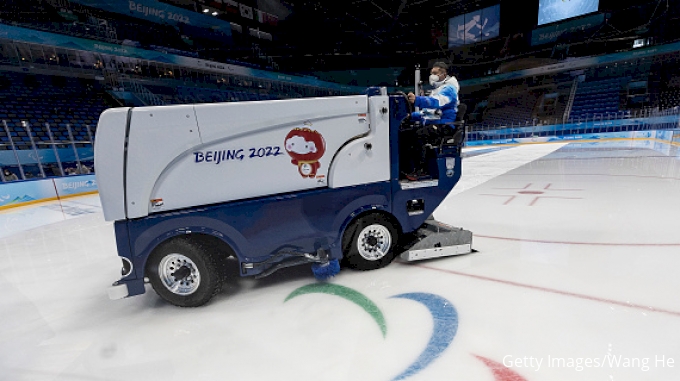
Even after the perfect ice is created, it needs constant care. During games, you might see the Zamboni or ice resurfacing machine drive onto the rink between periods. Here’s what happens:
- The machine shaves a thin layer off the top to remove ruts and chips.
- It washes the ice with warm water, filling small cracks.
- A final layer of water is spread, freezing instantly to make a shiny, smooth surface.
This process happens several times during a game, keeping the ice at the right thickness and quality.

Special Cases: When Ice Thickness Changes
Sometimes, arenas change the ice thickness for special reasons:
- During figure skating events, the ice might be slightly thicker and softer to give skaters more grip.
- For curling, ice is often thicker and is “pebbled” with water droplets for the stone to slide properly.
- In very hot climates, rinks may add extra thickness to help prevent melting during events.
These adjustments show that the standard thickness is not always perfect for every sport or situation.
Surprising Insights About Ice Thickness
Many beginners think thicker ice is always better. In reality, extra-thick ice can slow down the game and cost much more to cool. Also, small changes in thickness—just a few millimeters—can make a big difference in how the puck and players move.
Another detail: the bottom layers of the ice are sometimes colored to improve visibility. For example, a light blue bottom makes it easier to see the puck and lines on TV.
Data: Temperature And Ice Quality
It’s not just thickness that matters. The ice temperature is also critical. Here’s a quick comparison:
| Ice Temperature | Effect on Play |
|---|---|
| -9°C to -7°C (15°F to 19°F) | Fast ice, hard surface, best for hockey |
| -4°C to -2°C (25°F to 28°F) | Softer, slower ice, more chipping |
Professional rinks use advanced cooling to keep the temperature and thickness constant, no matter how many fans are in the building.
How Ice Thickness Has Changed Over Time
In the early days of hockey, ice was often thicker—up to 2 inches (5 cm)—because the technology for cooling was not as strong. Today’s modern systems allow rinks to keep ice thinner, which saves energy and improves speed.
Some rinks have experimented with even thinner ice, but the risk of damage and player injury is too high. So, the 1-inch standard has stayed strong for decades.
Frequently Asked Questions
How Long Does It Take To Freeze A Hockey Rink?
Building a new ice surface usually takes 24 to 48 hours. Multiple thin layers are sprayed and frozen one at a time, which creates a strong, clear surface.
Can You Skate On Ice That Is Less Than 1 Inch Thick?
It is possible, but not safe. Ice thinner than 1 inch can crack under the weight of players, making it risky for games or practice.
How Often Is The Ice Checked During A Game?
Ice thickness is usually checked before and after games, but not during. However, ice quality is monitored throughout the game by staff who look for cracks or soft spots.
Why Is Outdoor Ice Thicker Than Indoor Ice?
Outdoor ice faces sunlight, wind, and warmer temperatures. Thicker ice helps protect against melting and keeps the surface safe for longer.
Where Can I Learn More About Hockey Rink Construction?
The National Hockey League (NHL) provides a detailed look at rink standards and ice maintenance. See more at Wikipedia.
Maintaining the perfect ice thickness is both an art and a science. It creates the stage for the world’s fastest team sport and helps keep players safe, game after game. Next time you watch a hockey match, remember: that thin, hard ice is the result of careful planning, technology, and expertise.
