How Safe Is Skydiving For Beginners?
Skydiving is one of the most thrilling adventures you can try. For many beginners, the idea of jumping out of a plane feels both exciting and scary. Safety is always the first question. You might wonder: Is skydiving really safe for someone who has never done it before? What are the risks, and how do professionals reduce them? This article will give you clear answers, honest data, and practical advice. You’ll learn what makes skydiving safe, what can go wrong, and how beginners can protect themselves. If you’re thinking about trying skydiving, this guide will help you make a confident decision.
How Safe Is Skydiving Compared To Other Activities?
Safety matters most when you’re new to skydiving. Let’s look at the facts. Each year, thousands of people skydive for the first time. According to the United States Parachute Association (USPA), in 2022 there were about 3.5 million jumps in the US and only 10 fatal accidents. That’s a rate of 0.28 deaths per 100,000 jumps. For tandem jumps (where a beginner is strapped to a professional), the fatality rate is even lower: 0.15 per 100,000 jumps.
Now, compare this with other popular activities:
| Activity | Fatality Rate (per 100,000) |
|---|---|
| Skydiving | 0.28 |
| Tandem Skydiving | 0.15 |
| Scuba Diving | 1.98 |
| Motorcycling | 23.41 |
| General Aviation | 1.2 |
As you can see, skydiving is statistically safer than many other sports. The numbers show that tandem skydiving for beginners is especially safe.
What Makes Skydiving Safe For Beginners?
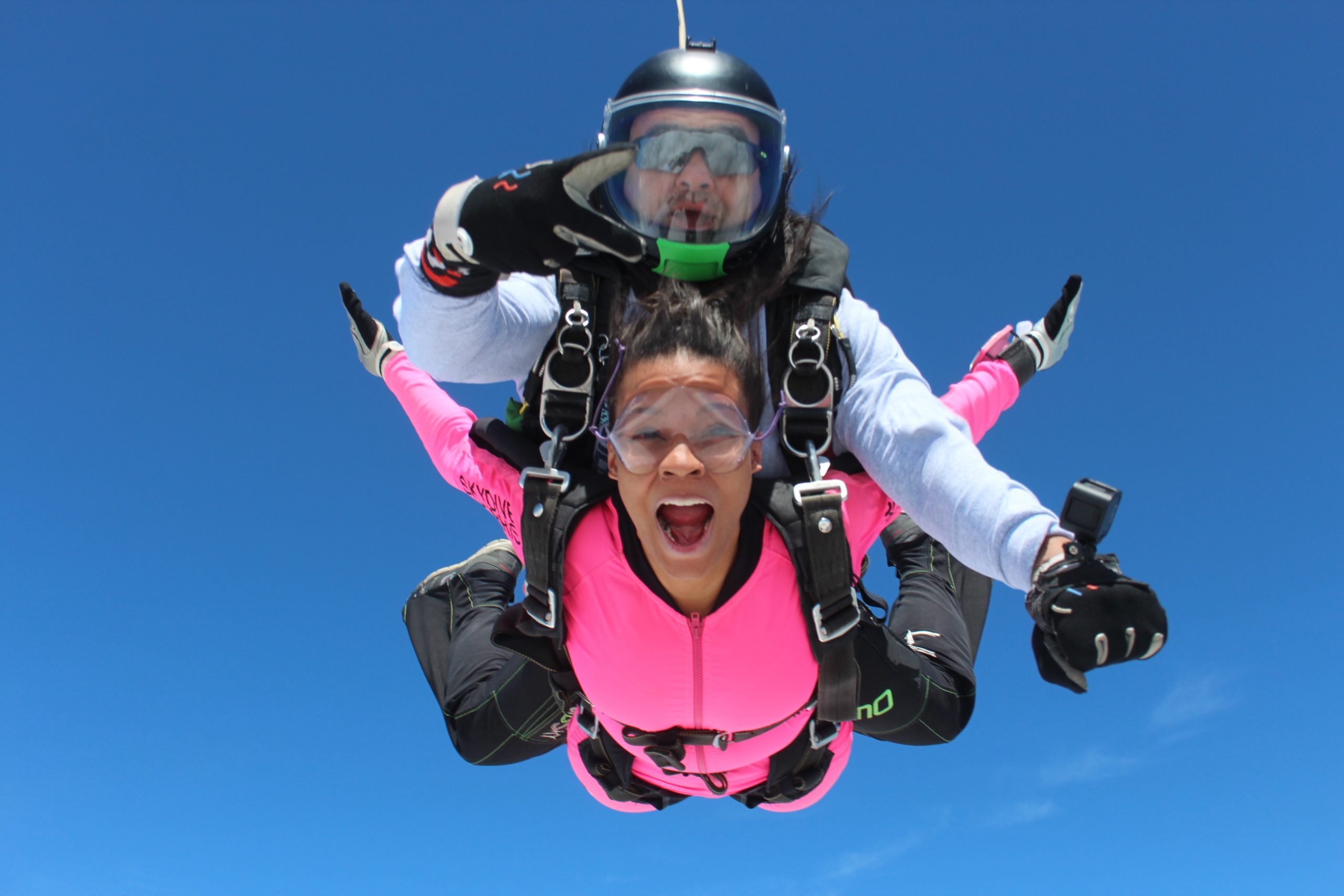
Skydiving companies have strong safety rules. Beginners rarely jump alone. Instead, they use the tandem system, where an experienced instructor controls the jump. Here are key reasons skydiving is safe:
- Professional Instructors: All tandem instructors have hundreds (often thousands) of jumps. They are trained to handle emergencies.
- Modern Equipment: Parachutes have backup systems. Every skydiver wears a main parachute and a reserve. Automatic Activation Devices (AAD) open the reserve if needed.
- Pre-jump Training: Beginners get a safety briefing. You’ll learn how to exit the plane, body position, and landing technique.
- Strict Regulations: Most countries follow rules set by groups like the USPA or British Parachute Association. Drop zones must pass safety inspections.
These steps lower the risk for beginners, making the experience much safer than most people expect.
Common Risks In Skydiving
No sport is completely risk-free. Skydiving has dangers, but most are well managed. The main risks for beginners include:
- Equipment Failure: Modern parachutes rarely fail. If the main chute does not work, the reserve parachute will open automatically.
- Weather Conditions: Bad weather can make jumps unsafe. Professional centers cancel jumps if the wind or rain is strong.
- Human Error: Mistakes happen, but tandem instructors are trained to avoid them. Beginners follow simple instructions.
- Landing Injuries: Most injuries in skydiving are minor, like sprained ankles. Hard landings are rare but possible.
Understanding these risks helps you see why the safety systems matter so much.
How Beginners Prepare For Skydiving
Preparation is the key to safety. Here’s what you’ll do before your first jump:
- Safety Briefing: You’ll watch a video or attend a short class explaining the jump process.
- Gear Fitting: Instructors help you put on a jumpsuit, harness, helmet, and goggles.
- Health Check: Some centers require you to sign a medical form. You should be in good health.
- Practice Exit and Freefall Position: You’ll practice how to leave the plane and how to arch your body in the air.
This training is simple and quick, but it makes a big difference. Beginners often feel nervous, but most say the briefing helps them relax.
Tandem Skydiving: Why It’s The Best Choice For Beginners
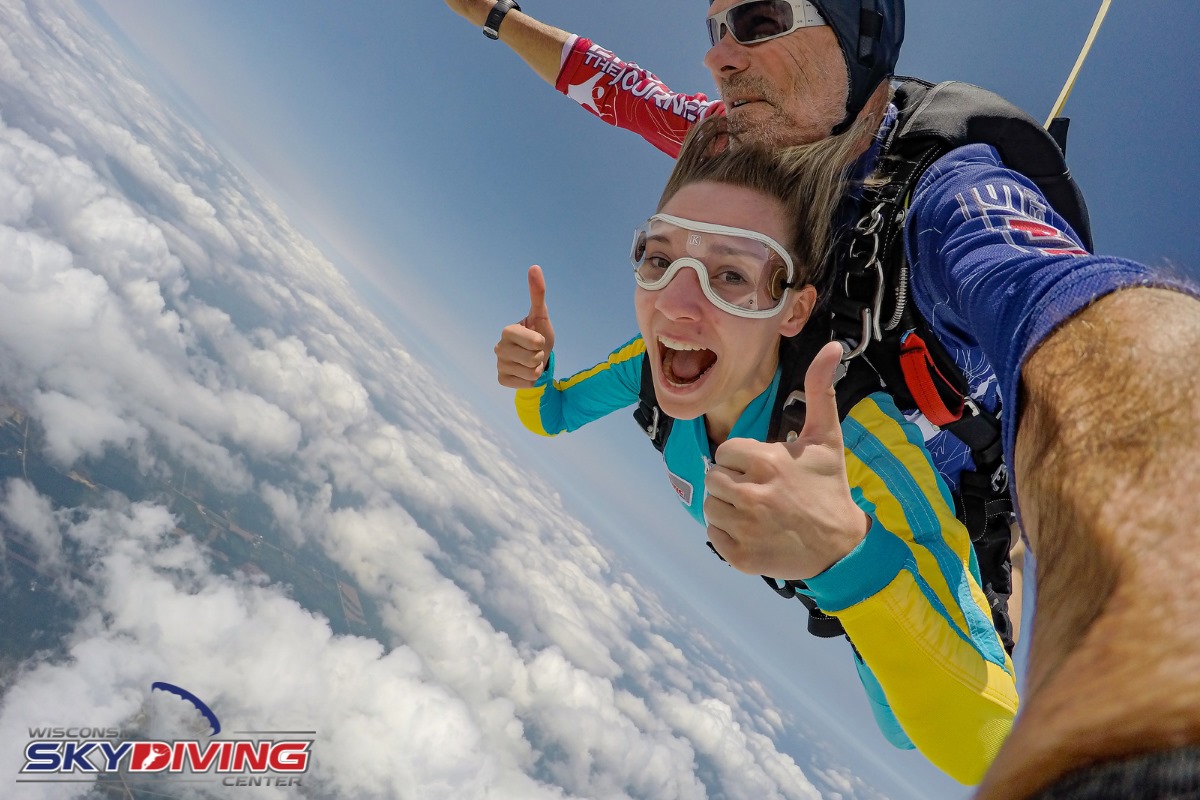
Most first-time skydivers do a tandem jump. You’re attached to a pro, who controls everything. This method is designed for safety:
| Solo Jump | Tandem Jump |
|---|---|
| Requires long training | Short briefing |
| Beginner responsible for parachute | Instructor handles parachute |
| Higher risk of mistakes | Very low risk |
| Not allowed for most beginners | Standard for all beginners |
A tandem jump lets you experience skydiving without any complex training or responsibility. The instructor takes care of everything, so you can enjoy the experience safely.
Important Safety Equipment In Skydiving
Modern skydiving gear is designed with safety in mind. Here’s what every beginner uses:
- Main Parachute: The primary parachute used for landing.
- Reserve Parachute: Backup parachute. Inspected regularly.
- Automatic Activation Device (AAD): This device senses altitude and speed. If a skydiver is too low without deploying the parachute, the AAD opens the reserve automatically.
- Harness and Container: Keeps you securely attached to the parachute.
- Helmet and Goggles: Protect your head and eyes during the jump.
The combination of these items makes skydiving safe, even if something goes wrong.
Weather And Skydiving Safety
Weather affects every jump. Professionals never risk bad conditions. Here’s how weather safety works:
| Weather Condition | Is Jump Allowed? |
|---|---|
| Clear skies | Yes |
| Light wind | Yes |
| Strong wind | No |
| Rain | No |
| Thunderstorm | No |
| Low clouds | No |
If the weather isn’t good, your jump will be postponed. This can be disappointing, but it’s a key safety rule.
What Beginners Often Miss About Skydiving Safety
Many first-timers believe that skydiving is dangerous because of movies or stories. But here are two important insights most beginners overlook:
- Most Risks are Managed: Almost every risk you hear about is controlled by equipment, training, and strict rules. For example, the AAD is a technology that did not exist decades ago. Today, it’s standard and saves lives every year.
- Landing Injuries are Rare: You might worry about landing. In reality, tandem instructors control the landing. They often slide in gently, especially for beginners. Most injuries are minor and happen only to solo skydivers.
It’s easy to focus on the fear, but the facts show a different story.
What To Look For In A Safe Skydiving Center
Choosing the right drop zone makes a big difference. Here’s what you should check:
- Certified Instructors: Ask if the instructors are certified by groups like USPA or BPA.
- Equipment Inspection: Good centers inspect their gear daily.
- Clear Safety Briefing: You should get instructions before your jump.
- Positive Reviews: Look for honest customer feedback online.
- Medical Support: Some centers have staff trained in first aid.
If you see these signs, you can feel confident about your safety.
Common Mistakes Beginners Make (and How To Avoid Them)
Beginners sometimes make mistakes that can affect their safety or experience. Here’s what to avoid:
- Ignoring Instructions: Listen carefully to your instructor. Follow their advice.
- Wearing Wrong Clothes: Wear comfortable clothes. Avoid loose items or jewelry.
- Eating Too Much Before Jump: Eat light. Heavy meals can make you feel sick.
- Panicking in the Plane: Nervousness is normal. Breathe slowly and focus on the instructor.
- Expecting Perfect Weather: Sometimes jumps are delayed. Be patient.
If you avoid these mistakes, your jump will be safer and more enjoyable.
Real Stories: Beginner Experiences
Many beginners are surprised by how safe they feel during their first jump. For example, Jane, a 28-year-old from London, said: “I was scared at first, but the instructor made me feel calm. The briefing helped me understand everything. The jump was easier than I expected.”
Another example is David, age 35, who tried tandem skydiving in California. He said, “The equipment looked complicated, but the instructor explained everything. The landing was smooth, and I never felt unsafe. ”
These real stories show that preparation and professional help make a big difference.
How To Handle Fear As A Beginner
Fear is natural before your first jump. Here’s how you can manage it:
- Talk to Your Instructor: Ask questions. They have seen all kinds of nervous beginners.
- Focus on Training: The safety briefing is designed to calm you and prepare you.
- Visualize the Jump: Imagine yourself landing safely. This helps reduce anxiety.
- Accept Nervousness: It’s normal to feel scared. Almost everyone does, even instructors once did.
Most beginners say their fear disappears once they leave the plane and start enjoying the freefall.
What Happens If Something Goes Wrong?
You might wonder what happens in an emergency. Here’s how professionals handle problems:
- Parachute Doesn’t Open: The instructor pulls the reserve chute. If they can’t, the AAD opens it automatically.
- Injury During Landing: First aid is available at the drop zone. Most injuries are minor.
- Bad Weather Suddenly Appears: The jump is stopped. Safety always comes first.
These systems are tested and used worldwide. That’s why accidents are so rare for beginners.
Frequently Asked Questions
What Is The Minimum Age For Skydiving?
Most centers require you to be at least 18 years old. Some countries allow younger jumpers with parental consent, but this is rare. Always check with your local center.
Can Someone With Health Problems Skydive?
If you have heart issues, epilepsy, or other serious health problems, skydiving may not be safe. Always speak to your doctor first. Most centers require you to sign a medical form.
How Long Does A Beginner Skydiving Jump Last?
The whole experience takes about 2-4 hours. The actual freefall lasts around 40-60 seconds, and the parachute ride to the ground is 5-7 minutes.
What Should I Wear For My First Jump?
Wear comfortable clothes that fit snugly. Avoid loose items, jewelry, or anything that could catch on equipment. The center will give you a jumpsuit, helmet, and goggles.
Is Skydiving Expensive?
Prices vary, but most tandem jumps cost between $200–$300. This includes gear, instructor, training, and the jump itself. It’s a one-time experience for many, but some people return for more jumps.
If you want official safety statistics and more details, the United States Parachute Association has reliable information: USPA Safety Resources.
Skydiving is a safe adventure for beginners, thanks to modern equipment, skilled instructors, and strict rules. If you prepare well and choose a good center, your first jump can be exciting and safe. Don’t let fear or myths hold you back—trust the facts, follow the guidance, and enjoy one of the most unforgettable experiences of your life.