Scuba diving attracts people with its promise of adventure and a world beneath the waves. But if you’re a beginner, one question often comes to mind: How safe is scuba diving for beginners? Many have seen dramatic videos or heard stories of risks in the ocean. But how much of this is true for those just starting out?
Let’s take a clear look at what makes scuba diving safe, the real risks, and what you can do to protect yourself. With the right knowledge and preparation, scuba diving can be as safe as many other popular activities. This guide will break down the facts, offer practical advice, and help you feel confident about exploring the underwater world.
Understanding The Risks In Scuba Diving
Every sport has some risk, and scuba diving is no different. The good news is that modern training and equipment have made diving much safer than in the past. Still, it’s important to know what dangers exist.
Most scuba diving accidents happen because of three main reasons:
- Not following safety rules
- Poor health or fitness
- Equipment problems
For beginners, training and guided dives help keep these risks low. According to the Divers Alert Network (DAN), the death rate for scuba divers is about 2 per 100,000 dives—lower than driving a car or even swimming.
Here are the most common risks:
- Decompression sickness (the bends): This happens if you surface too quickly.
- Ear and sinus injuries: Pressure changes can cause pain or damage if not equalized.
- Running out of air: Rare, but happens if you don’t check your gauge.
- Panic or anxiety: Can cause poor decisions underwater.
Most of these risks can be avoided with good training, proper equipment checks, and diving within your limits.
Beginner Safety: What Makes Scuba Diving Safe?
Scuba diving is much safer for beginners today because of strict rules and improved technology. Here’s why:
Professional Training
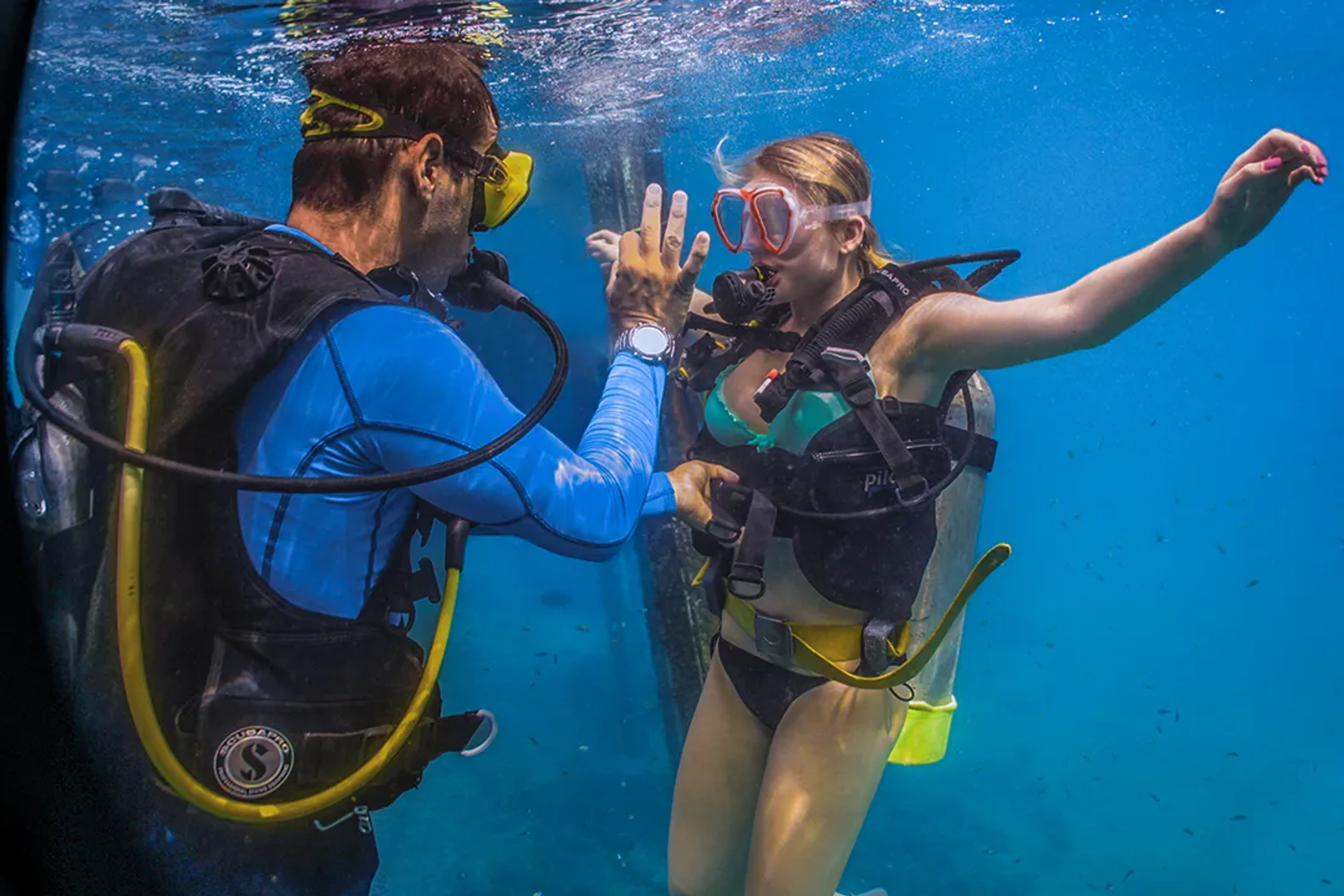
Beginners must complete a certification course, such as PADI Open Water Diver or SSI Open Water. These courses teach you:
- How to use diving gear
- Basic underwater skills
- Safety procedures
- How to handle common problems
You’ll start in a pool or shallow water with an instructor. Only after passing skills and a written test do you dive in open water.
Reliable Equipment
Modern scuba gear is designed with safety in mind. For example, the buoyancy control device (BCD) helps you float easily, and the regulator delivers air smoothly. Equipment is checked before every dive.
Guided Dives
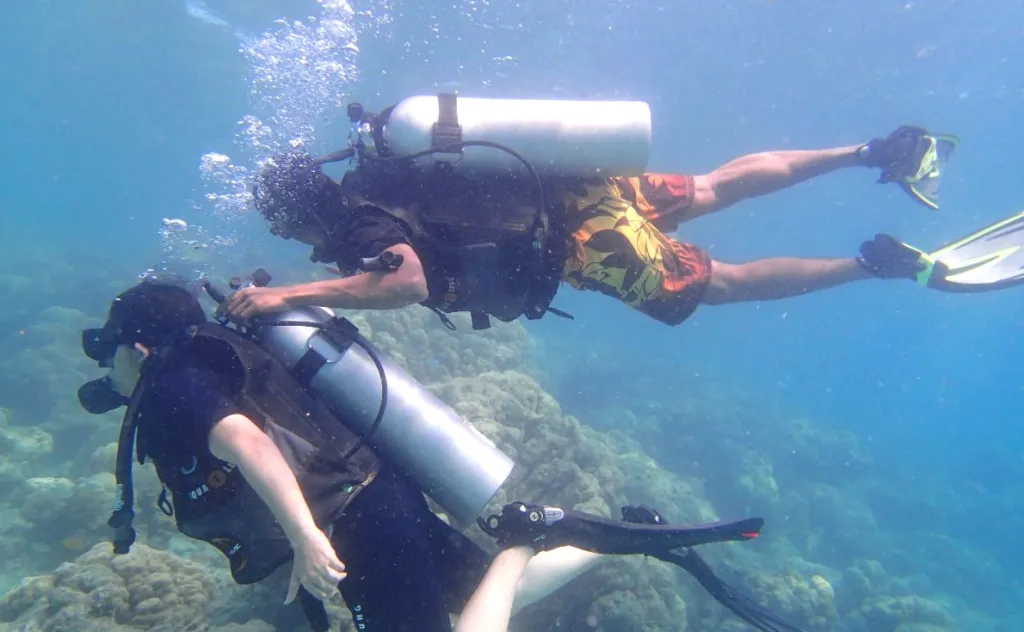
Most beginners dive with professionals on their first open water trips. Dive masters watch the group, manage emergencies, and know the local conditions.
Emergency Support
Popular dive spots have emergency plans, oxygen kits, and connections with medical help. Dive boats also carry radios to call for help if needed.
Comparing Scuba Diving To Other Activities
Many people wonder if scuba diving is more dangerous than other sports. Let’s compare the risk using data:
| Activity | Fatalities (per 100,000 participants/year) | Common Risks |
|---|---|---|
| Scuba Diving | 2 | Decompression, drowning |
| Swimming | 1.7 | Drowning |
| Cycling | 21 | Traffic accidents |
| Running/Jogging | 13 | Heart attack, falls |
| Skydiving | 10 | Parachute failure |
As you can see, scuba diving is not the most dangerous activity. With training and care, it’s a manageable risk.
Key Safety Tips For Beginner Divers
If you want to stay safe, focus on these important tips:
1. Get Proper Training
Don’t skip the official course. Learn from certified instructors and practice skills until you’re comfortable.
2. Always Dive With A Buddy
Diving alone is never safe, especially for beginners. A buddy can help in emergencies.
3. Check Your Equipment
Before every dive, inspect your mask, fins, BCD, regulator, and gauges. Report any problems.
4. Plan Your Dive
Know your dive site, depth, and time. Review the plan with your buddy.
5. Monitor Your Air
Check your air gauge often. Ascend with enough air left in your tank.
6. Equalize Your Ears
Pinch your nose and blow gently or swallow to avoid pain from pressure changes.
7. Ascend Slowly
Never rush to the surface. Follow the instructor’s speed and make a safety stop at 5 meters for 3 minutes.
8. Stay Calm
If you feel anxious, stop, breathe slowly, and signal your buddy or instructor.
9. Know Your Limits
Don’t push yourself deeper or longer than your training allows.
10. Stay Fit
Diving is easier if you’re in good health. Let your instructor know about any medical conditions.
Common Mistakes Beginners Make
Learning from others’ mistakes can keep you safe. Here are some errors new divers often make:
- Skipping the pre-dive check: This quick check can catch problems before you’re underwater.
- Ignoring equalization: Don’t force yourself if your ears hurt.
- Not watching air levels: Running out of air is preventable.
- Diving when tired or sick: Fatigue can make problems worse underwater.
- Panic: If you feel stressed, remember your training and signal for help.
One thing many beginners miss is the importance of buoyancy control. Mastering your BCD early will help you avoid accidental rises or descents. Another tip is to pay attention to underwater currents. Even in calm-looking water, currents can be strong and surprising.
What To Expect On Your First Dive
Knowing what will happen on your first real dive can ease your worries. Here’s a simple outline:
- Briefing: The instructor explains the plan, signals, and safety steps.
- Equipment Setup: You’ll learn to assemble and check your gear.
- Entry: You’ll enter the water from a boat or shore, usually with help.
- Descent: You go down slowly, equalizing your ears often.
- Exploration: The group swims together, staying close to the instructor.
- Ascent: The instructor leads a slow rise and a safety stop.
- Exit: Helpers assist you out of the water.
You’re not expected to be perfect. Instructors are trained to help beginners and keep the dive at a safe, shallow depth.
How Equipment Makes Diving Safer
Scuba gear has improved a lot over the years. Here’s how some items protect beginners:
| Equipment | Purpose | Beginner Benefit |
|---|---|---|
| BCD (Buoyancy Control Device) | Controls floatation | Prevents accidental sinking or floating up |
| Regulator | Delivers air from tank | Smooth, easy breathing at any depth |
| Dive Computer | Tracks depth, time, ascent rate | Warns if you ascend too quickly |
| Wetsuit | Thermal protection | Keeps you warm and prevents stings |
| Surface Marker Buoy (SMB) | Marks position | Makes you visible to boats |
Many dive centers rent out high-quality gear, so you don’t need to buy everything as a beginner.
Medical Considerations For New Divers
Diving is not recommended for everyone. You should check with a doctor if you:
- Have lung or heart problems
- Are pregnant
- Have had ear surgery
- Take medications that affect alertness
Most dive agencies ask you to fill out a medical questionnaire. If you answer ‘yes’ to any question, you may need a doctor’s note.
It’s also important to avoid diving after drinking alcohol or while very tired. Dehydration can increase your risk of decompression sickness.

Environmental Factors And How To Handle Them
Natural conditions can affect dive safety. Here are common factors and how to deal with them:
- Currents: Stay close to your group and follow your guide.
- Visibility: If the water is murky, stay even closer to your buddy.
- Cold Water: Wear a thicker wetsuit and finish the dive if you start to shiver.
- Marine Life: Most creatures are not dangerous, but don’t touch or chase animals.
A non-obvious tip: Sun exposure. Beginners often forget that waiting on boats or beaches can lead to sunburn. Use reef-safe sunscreen and drink water before and after your dive.
The Role Of Dive Operators And Guides
Choosing a good dive shop is key to a safe experience. Look for these signs:
- Certification from a group like PADI or SSI
- Modern, well-kept equipment
- Clear safety rules and briefings
- Small group sizes
- Positive reviews from other beginners
A quality dive operator will answer your questions, help with gear, and never pressure you to dive if you’re uncomfortable.
Real Stories: Beginner Experiences
Many new divers are surprised by how relaxed they feel underwater after training. For example, Maria from Spain was nervous at first but found that her instructor’s calm approach made her feel secure. She now dives regularly and says the first few lessons were the most important for her safety.
Another diver, John from Canada, made the mistake of trying to descend too fast, which hurt his ears. He learned to go slowly and now always reminds new divers to take their time.
The Learning Curve: Improving Your Safety Over Time
The more you dive, the safer you become. Skills like buoyancy control and air management improve with practice. Many divers also take advanced courses or specialties, such as underwater navigation or rescue diver, to build confidence.
It’s smart to keep a logbook of your dives. Record what went well and what you want to improve. This habit makes you more aware and helps you learn from each experience.
For more in-depth data and safety tips, you can read reports from the Divers Alert Network, a leader in dive safety research.
Frequently Asked Questions
Is Scuba Diving Safe For People Who Can’t Swim Well?
Basic swimming ability is required for certification, but you don’t need to be an expert. You must be comfortable in water and able to float and swim short distances. Instructors teach you to move with fins, which is easier than regular swimming.
What Is The Minimum Age For Scuba Diving?
The minimum age is usually 10 years old for junior certifications. Some programs allow younger children for shallow, pool-only experiences. Always check local rules and the dive shop’s policy.
Can I Dive If I Wear Glasses Or Contact Lenses?
Yes, you can use prescription masks or wear soft contact lenses. Tell your dive shop about your vision needs. Never wear hard contact lenses, as they can be uncomfortable.
How Deep Do Beginner Divers Go?
Entry-level divers stay at depths of 12–18 meters (40–60 feet). This is safe and offers plenty to see. Deeper dives require extra training.
How Long Does A Beginner Dive Last?
Most beginner dives last 30–45 minutes, depending on air usage and conditions. Your instructor will track time and make sure you return with enough air.
Scuba diving can be a safe and thrilling hobby for beginners if approached with respect and preparation. With proper training, attention to safety, and support from professionals, the risks are low and the rewards are great. Remember: safety starts with you. Stay curious, ask questions, and enjoy discovering the wonders of the underwater world.
