Many people dream about jumping out of a plane, feeling the rush of the wind, and seeing the world from high above. Skydiving is an adventure that attracts both thrill-seekers and those who want to conquer their fears. But before you book your first jump, there’s an important question you need to answer: How old do you have to be to go skydiving? The answer isn’t always simple. It depends on where you live, the skydiving center’s rules, and sometimes even the type of jump you want to do. This guide explains everything you need to know about age limits for skydiving, including legal restrictions, parental consent, international differences, and what to expect if you’re a teenager or senior. If you’re planning your first jump or helping someone younger get started, this article covers all the details.
Why Age Limits Exist In Skydiving
Age restrictions in skydiving aren’t just random rules. They serve several important purposes. First, safety is the top reason. Skydiving involves understanding instructions, managing stress, and making quick decisions. People under a certain age may not be mature enough to handle these demands.
Second, there are legal and insurance requirements. Most countries have laws about who can take part in potentially dangerous sports. Insurance companies also often refuse to cover minors unless special steps are taken. Centers that break these rules risk losing their licenses or getting sued.
Finally, there’s the question of responsibility. Adults are expected to understand the risks. If something goes wrong, they can’t claim they didn’t know what could happen. With minors, the situation is much more complicated, and skydiving centers want to avoid legal trouble.
Minimum Age To Skydive In Different Countries
The age you need to be to go skydiving varies depending on the country. Here’s a look at the rules in some popular skydiving destinations:
| Country | Minimum Age | Parental Consent Needed? |
|---|---|---|
| United States | 18 | No (minors cannot skydive) |
| United Kingdom | 16 | Yes (under 18) |
| Australia | 16 | Yes (under 18) |
| New Zealand | 16 | Yes (under 18) |
| Canada | 16 | Yes (under 18) |
| France | 15 | Yes (under 18) |
| Dubai (UAE) | 18 | No (minors cannot skydive) |
As you can see, most countries set the minimum age at 16 or 18. A few places, like France, allow younger jumpers if they have strong parental support and pass medical checks.
Why The Minimum Age Is 18 In The United States
The United States is one of the strictest when it comes to skydiving age limits. All skydiving centers that are part of the United States Parachute Association (USPA) require jumpers to be at least 18 years old. This rule applies to both tandem skydiving (where you jump attached to an instructor) and solo jumps.
Why is the age set at 18? It’s about legal adulthood. In the U. S. , a person under 18 cannot sign a legal waiver that holds up in court. Skydiving is risky, and everyone must sign a waiver before they jump.
Insurance policies also require jumpers to be legal adults. Even if a parent says it’s okay, the USPA does not allow exceptions.
Some small, non-USPA centers used to take younger jumpers with parental consent, but today this is very rare and not recommended. If you’re in the U. S. and under 18, you’ll have to wait.
Age Limits For Tandem Skydiving
Tandem skydiving is the most common way for beginners to experience freefall. You are securely attached to a trained instructor who controls everything. Because it’s considered safer and less demanding, some countries allow younger people to do tandem jumps.
But even for tandem jumps, the age limits still apply. Centers must follow national laws and their insurance rules. For example, in the UK, you can do a tandem skydive at 16, but you need a signed parental consent form.
In the U. S. , you must be at least 18, even for tandem jumps.
A few places might offer special programs for teenagers, but these often include extra training, medical checks, and more paperwork.
Parental Consent And Medical Certificates
If you are under 18 and want to skydive in a country that allows it, you’ll probably need parental consent. This usually means a parent or legal guardian has to sign a special permission form. Some centers ask parents to come in person.
In addition, many places require a medical certificate for younger jumpers. A doctor must confirm you are healthy enough for the jump. This step protects both the jumper and the skydiving center.
A practical tip: If you’re a parent considering this for your child, read all the forms carefully. Ask the center about their safety record and what training your child will get. Not all centers have the same standards.
How Old Is Too Old For Skydiving?
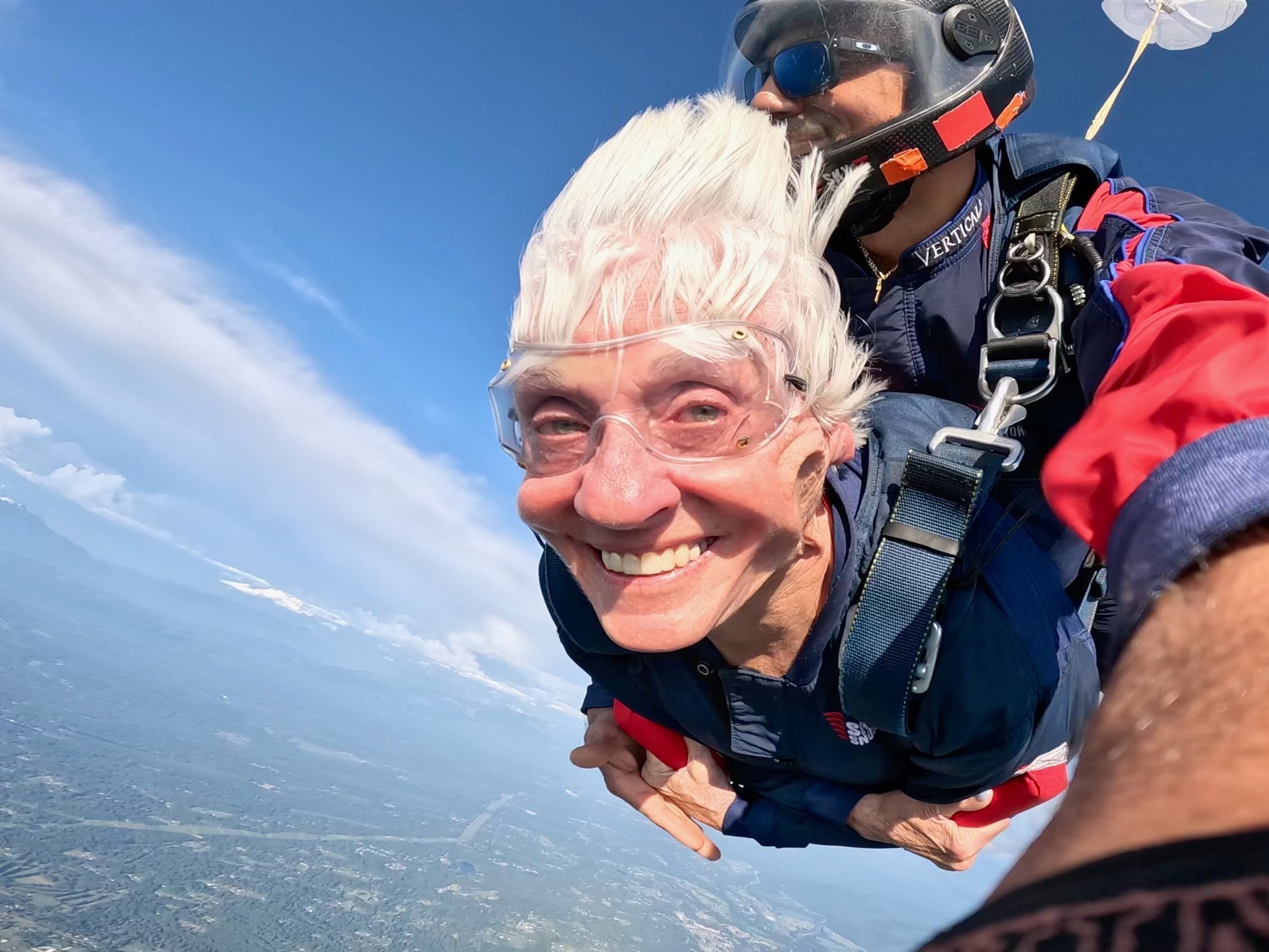
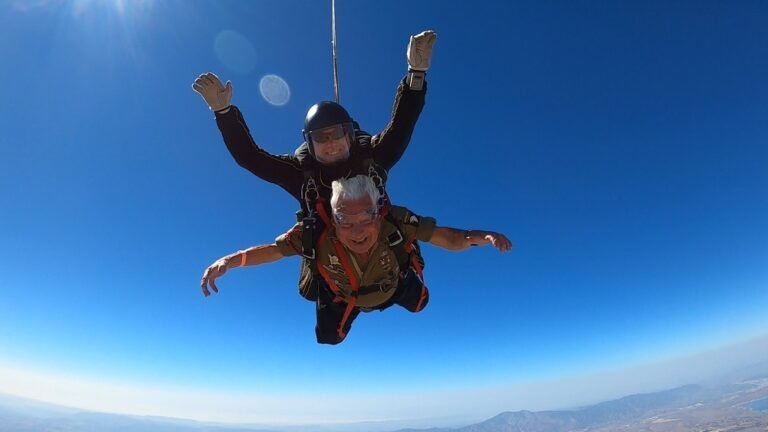
There is no official maximum age for skydiving. People in their 70s, 80s, and even 90s have made jumps. The oldest recorded tandem skydiver was Irene O’Shea, who jumped at age 102 in Australia.
What matters more than age is your health. Skydiving puts stress on your body, especially during landing. Most centers require you to be in reasonable health and able to move freely. Some will ask for a doctor’s note if you are over a certain age (often 60 or 65).
Here’s a comparison of age considerations:
| Age Group | Common Requirements | Notes |
|---|---|---|
| Under 16 | Not allowed | Few exceptions worldwide |
| 16-17 | Parental consent, medical check | Allowed in some countries |
| 18-59 | Legal waiver, standard health | Most common group |
| 60+ | Doctor’s certificate, health assessment | Check with center |
If you’re older and considering skydiving, talk with your doctor first. Make sure the center is experienced with seniors. Never hide health problems to avoid paperwork; honesty keeps you safe.
Skydiving For Teenagers: What To Expect
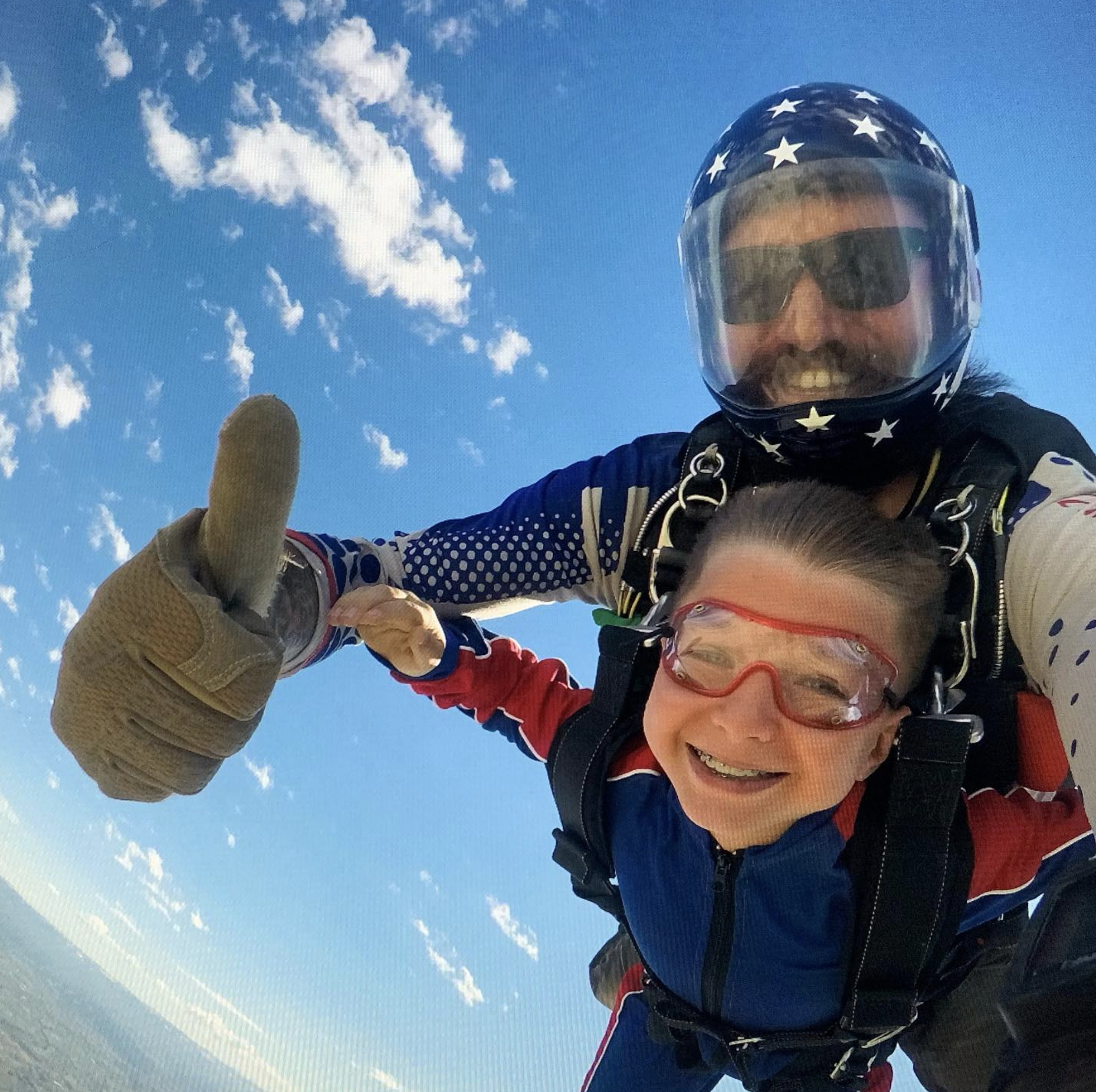
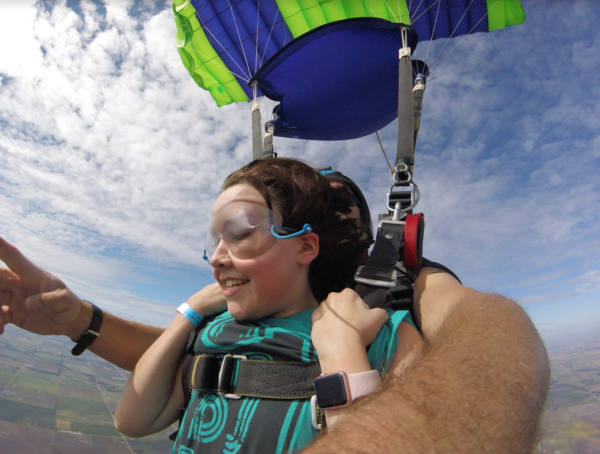
For teens, skydiving can be a big adventure. But it’s important to understand what’s involved. Teenagers under 18 will need more than just excitement—they need legal permission and good health.
Here’s what usually happens:
- Parental consent: A parent or guardian must sign a form. In some cases, they must be present at the center.
- Health checks: You may need a doctor’s note, especially if you have medical issues or are younger than 18.
- Extra training: Some centers provide additional safety training for teenagers.
- Weight limits: There are often weight restrictions to ensure the harness fits properly and the parachute works safely.
- Emotional readiness: Teens should be able to stay calm and follow instructions under pressure.
A non-obvious insight: Some centers have a policy of not allowing teenagers to jump during very busy times. This is to make sure instructors have extra time for training and supervision.
Skydiving For Kids: Are There Any Exceptions?
Skydiving for kids under 16 is almost never allowed. There are rare exceptions for competitive skydivers or special events, but these are highly regulated. Sometimes, young people in skydiving families get special training, but this is not the same as a commercial first-time jump.
For most families, the best option for younger kids is indoor skydiving in a wind tunnel. This gives the feeling of freefall in a safe, controlled space. Many wind tunnels allow children as young as 3 or 4, with parental supervision.
What About Military Or Professional Skydiving?
Military and professional skydivers often start younger, but they have strict training and safety standards. Military parachutists may begin training at 16 or 17, but only as part of an official program and with medical exams.
For civilians, the rules are much stricter. Even if you plan to become a professional, you must follow the age and legal requirements of your country.
Why Some Centers May Set Higher Age Limits
Not every skydiving center follows just the national minimum age. Some set their own higher limits for safety or insurance reasons. For example, a center in a tourist area may require all jumpers to be at least 18, even if the country allows 16-year-olds.
Others may refuse first-time jumps to people over a certain age without a medical certificate.
Skydiving centers must balance customer demand with safety and legal risks. Always check the specific rules before booking, and don’t assume that one center’s policy matches another’s—even in the same city.
Common Mistakes And Misunderstandings
Many beginners believe that parents can always give permission for kids to skydive. In reality, this is rarely enough. Legal waivers must be signed by someone the law considers an adult. If you’re in the U. S. , there are no exceptions under USPA rules.
Another mistake is thinking that a doctor’s note is a guarantee. Some people try to hide medical problems to avoid being turned away. This is dangerous. Skydiving instructors are trained to spot health risks, and they can refuse a jump if they feel it’s not safe, even with a doctor’s note.
A final misunderstanding: Some think that once you reach the minimum age, you’re ready to jump. But mental readiness is as important as physical age. Skydiving is a big emotional challenge. If you’re not sure you’re ready, talk honestly with the instructors.
Preparing For Your First Skydive: Age Isn’t The Only Factor
Once you know you meet the age requirement, you still need to prepare. Here are a few tips:
- Check your health honestly. If you have heart, back, or joint problems, talk to your doctor.
- Read all paperwork before the day of your jump. Don’t skip the fine print.
- Arrive well-rested and hydrated.
- Listen to your instructors. They know how to keep you safe.
- If you’re under 18 (and allowed to jump), make sure your parent or guardian is available and understands the rules.
One final tip: Skydiving is an unforgettable experience, but it’s not for everyone. If you feel anxious or unsure, it’s okay to wait.
International Age Limit Comparison
To help you plan your skydiving trip, here’s a summary of age limits in popular countries:
| Country | Minimum Age | Notes |
|---|---|---|
| United States | 18 | No exceptions, USPA rule |
| United Kingdom | 16 | Parental consent required under 18 |
| Australia | 16 | Parental consent required under 18 |
| France | 15 | Strict medical checks |
| Canada | 16 | Some centers require 18 |
| New Zealand | 16 | Parental consent required under 18 |
| Dubai (UAE) | 18 | Strict, no exceptions |
This information helps you avoid disappointment if you’re planning a skydive while traveling.
Frequently Asked Questions
What Is The Youngest Age You Can Skydive Anywhere In The World?
The lowest minimum age for skydiving is usually 15 or 16, depending on the country. In France, some centers accept jumpers at 15 with parental consent and a medical certificate. Most countries set the limit at 16 or 18.
Can A 17-year-old Skydive In The United States?
No. The United States Parachute Association (USPA) requires all skydivers to be at least 18. No exceptions are allowed, even with parental consent.
Is There An Age Limit For Indoor Skydiving?
Indoor skydiving, using a wind tunnel, is open to children as young as 3 or 4 in many places. There are usually lower age and size limits, but indoor skydiving is much more accessible for young kids than real skydiving.
Do You Need A Medical Certificate To Skydive If You Are Over 60?
Many skydiving centers ask for a doctor’s certificate if you are over a certain age, often 60 or 65. This is to make sure you are physically fit for the jump. Check with your chosen center for their specific policy.
Where Can I Find More Information About Skydiving Age Rules?
For up-to-date age limits and regulations, visit the official website of the United States Parachute Association or the national skydiving association in your country. They provide the latest guidelines and safety information.
Skydiving is one of the most exciting experiences you can have, but following the age rules is essential for your safety and legal protection. Whether you’re a teenager eager for adventure or a senior looking for a new thrill, make sure you meet all requirements before making your leap.
Take time to prepare, ask questions, and enjoy the flight—if you meet the age and health standards, the sky’s the limit!