
Waxing your snowboard is more than just a maintenance task—it’s the key to smooth gliding, better control, and a longer-lasting board. Many riders wonder, “How often should you wax a snowboard? ” The answer isn’t as simple as a fixed number.
It depends on several things, including how often you ride, the snow conditions, the type of wax, and even your riding style. Understanding the right waxing frequency can help you get the best performance and protect your investment, season after season.
This guide will break down what affects waxing frequency, clear signs your board needs attention, and the benefits of proper waxing. Whether you’re a beginner or a seasoned snowboarder, you’ll find practical advice and insights that go beyond the basics.
Why Waxing Matters
Snowboard wax is not just for speed. It helps your board glide over snow by reducing friction. Less friction means less effort, fewer sticky spots, and more fun on the slopes. But that’s not all. Waxing also protects the base from drying out and keeps it from getting damaged by rough snow or debris.
A well-waxed board is easier to maneuver, especially in flat areas or sticky spring snow. If you’ve ever felt your board dragging or catching, that’s often a sign it needs fresh wax. Regular waxing can even extend the life of your board, helping you avoid costly repairs.
What Affects How Often You Should Wax
There is no one-size-fits-all answer. Several factors play a role in how often your snowboard needs waxing:
1. How Often You Ride
The most important factor is frequency of use. If you ride every day, your wax will wear off faster than if you ride just a few weekends a year.
- Daily riders (5+ times a week): Wax after every 2-3 days on the mountain.
- Weekly riders: Wax every 3-5 days on snow.
- Occasional riders: Wax after every 5-7 days on snow.
2. Snow Conditions
Different types of snow can strip wax at different rates:
- Wet, spring snow: Removes wax faster due to higher moisture and friction.
- Cold, dry snow: Gentler on wax, so it lasts longer.
- Icy or abrasive snow: Can remove wax quickly and dry out the base.
If you ride mostly in wet or icy conditions, plan to wax more often.
3. Type Of Wax Used
There are many wax types, and they don’t last equally:
- Universal/all-temperature wax: Most common. Lasts for about 3-5 days of riding.
- High-fluoro or race wax: Designed for speed, but wears off quickly.
- Hard wax (for cold snow): More durable, may last longer.
- Rub-on wax: Quick fix, but usually only lasts 1-2 days.
Hot waxing with an iron lasts longer than rub-on wax. If you use quick wax, expect to reapply often.
4. Base Material
Not all snowboard bases are the same. The material affects how well the wax stays on.
| Base Type | Wax Absorption | Wax Retention |
|---|---|---|
| Extruded | Low | Shorter |
| Sintered | High | Longer |
- Sintered bases absorb more wax and hold it longer. You’ll get better glide and can go a bit longer between waxing.
- Extruded bases are easier to repair but need waxing more often.
5. Riding Style
Aggressive riders who carve hard, race, or ride in the park will wear off wax faster. If you spend a lot of time on rails, boxes, or icy terrain, check your base often.
6. Storage And Age
If your board sits unused for months, the wax can dry out. Always wax your snowboard before storing it for the off-season and after taking it out again.
How To Know When Your Board Needs Wax
Some signs are easy to spot. If you see any of these, it’s time to wax:
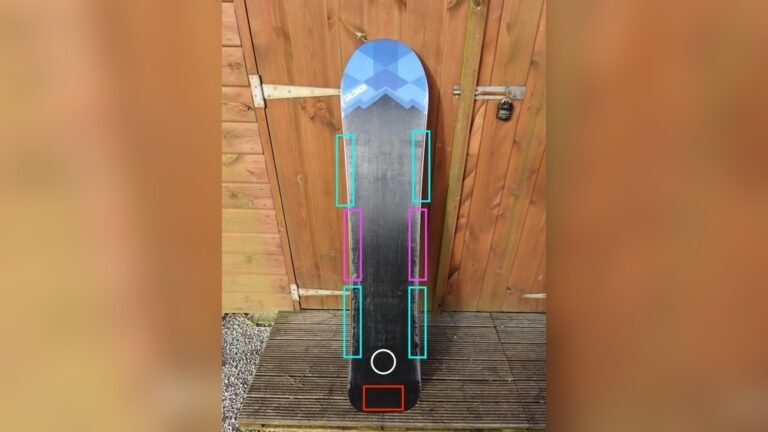
- White or dry-looking patches: These appear along the edges or base. They show the base is drying out.
- Sticky or slow feeling: Your board feels slower, especially in flat areas.
- Difficulty turning: You notice your board doesn’t respond as well.
- Squeaky noise: The base can make a squeaking sound on snow when wax is gone.
Check your base after every few days of riding, especially if you hit rough or wet conditions.
Recommended Waxing Frequency
You can use these general guidelines, but remember to adjust for your personal situation.
| Rider Type | Waxing Frequency | Notes |
|---|---|---|
| Daily Rider | Every 2-3 days | Especially after wet or icy snow |
| Weekend Warrior | Every 3-5 days | Check for white patches |
| Beginner | Every 5-7 days | Wax more if snow is wet |
| Park/Jib Rider | Every 2-3 days | Rails wear base faster |
| Occasional Rider | Before each trip | Wax after storage too |
Don’t be afraid to wax more often than suggested. Over-waxing does not harm your board. In fact, it helps protect the base and keeps it in top shape.
The Waxing Process: Quick Overview
If you’re new to waxing, it’s easier than you might think. Most riders can learn to do it themselves with a few tools.
- Clean the base: Wipe off dirt and old wax.
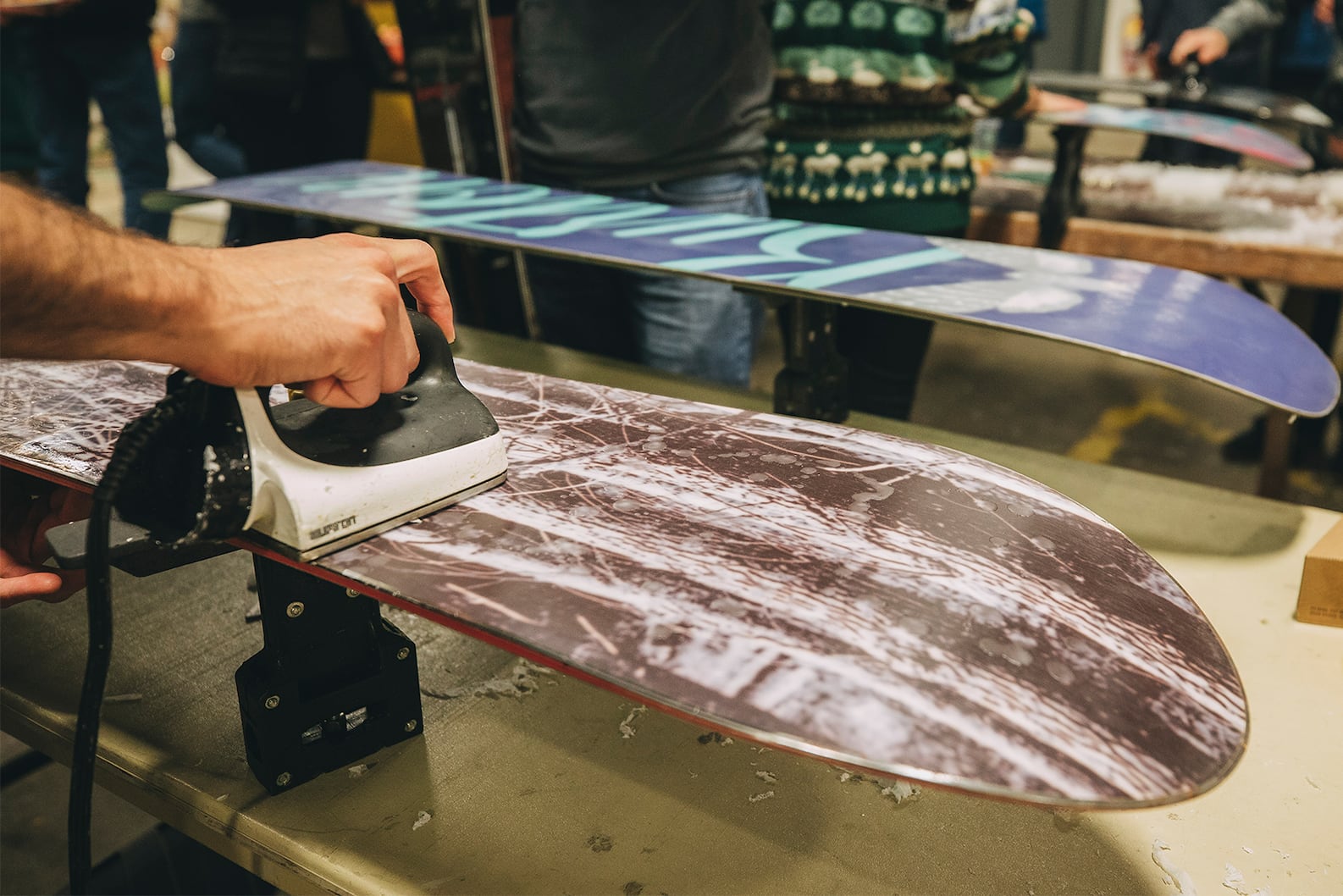
- Melt wax onto the base: Use a waxing iron and drip wax across the board.
- Spread the wax: Glide the iron over the base, making sure all areas are covered.
- Let it cool: Allow the wax to harden for 20-30 minutes.
- Scrape off excess: Use a plastic scraper to remove extra wax.
- Brush the base: Use a nylon brush for a smooth finish.
It takes about 30-45 minutes total, and most of that is waiting for the wax to cool.
Hot Wax Vs. Rub-on Wax
There are two common ways to wax your snowboard. Both have pros and cons.
Hot Wax
- Lasts longer (3-7 days)
- Provides better coverage and glide
- Takes more time and equipment
Rub-on Wax
- Quick and easy (5-10 minutes)
- Good for quick fixes on the mountain
- Wears off faster (1-2 days)
If you ride often, hot waxing is worth the effort. For a quick touch-up, rub-on wax can save your day.
Common Mistakes To Avoid
Even experienced riders sometimes get it wrong. Watch out for these common errors:
- Not waxing enough: Waiting too long dries out your base and slows you down.
- Using the wrong wax: Temperature-specific wax works best in certain conditions. Universal wax is good for most, but race wax is for short-term speed.
- Overheating the base: Holding the iron too long can damage the board. Keep the iron moving.
- Skipping the brush: Brushing helps remove tiny wax particles and gives better glide.
- Not scraping enough: Leaving thick layers slows the board. Scrape until only a thin layer remains.
A smart tip: mark your calendar or keep a note on your phone every time you wax. This helps track your waxing schedule and spot patterns in wear and tear.
Benefits Of Regular Waxing
Riders sometimes see waxing as a chore, but it brings many benefits:
- Smoother ride: You’ll glide faster and with less effort.
- Better control: Turns and stops become easier.
- Base protection: Wax acts as a shield against scratches and drying out.
- Longer board life: Regular care means fewer repairs and a board that stays in good condition for years.
A surprising insight: even if you mostly ride on man-made snow, you still need to wax regularly. Artificial snow is often icier and more abrasive than natural snow, stripping wax faster than you might expect.
When To Wax Before Storing Your Board
If you’re done riding for the season, always apply a thick coat of wax before storage. This is called a storage wax. Do not scrape it off. This thick layer protects the base from drying out and stops rust from forming on the edges. When you start the next season, scrape off the old wax and apply a fresh coat.
Should You Wax At Home Or Use A Shop?
Many snowboarders wax at home with a simple iron and kit. It’s cost-effective and gives you control over the process. However, if you’re not comfortable, most ski shops offer waxing services. Professional waxing can cost between $15 and $30 per session.
If you ride a lot, learning to wax at home will save you money in the long run.
How Snowboard Waxing Compares To Ski Waxing
The principles are very similar, but snowboards have a larger base area. That means you’ll use more wax and need to be more thorough, especially at the edges. Skis can sometimes go longer between waxes, depending on the base material and snow conditions.
Data: Average Rider Waxing Habits
A survey from the SnowSports Industries America (SIA) found:
- 62% of riders wax their boards at least once per month during the season.
- 23% wax only when the board feels slow.
- Only 15% wax after every trip.
The most common reason for not waxing? Many riders are unsure how often it’s needed or think it’s not important. But, the riders who wax more often report fewer base repairs and better performance.
Pro Tips For Maximum Glide
- Try temp-specific wax: If you know the forecast, use wax that matches the temperature for best results.
- Brush after scraping: A good nylon or horsehair brush polishes the base.
- Pay attention to edges: Wax sometimes misses the edges—make sure to cover them for even performance.
- Keep your kit handy: Store your wax, scraper, and brush in your car or bag for quick fixes.
- Don’t forget the structure: After many waxes, consider a base grind at a shop to restore the texture, which helps hold wax and improves glide.
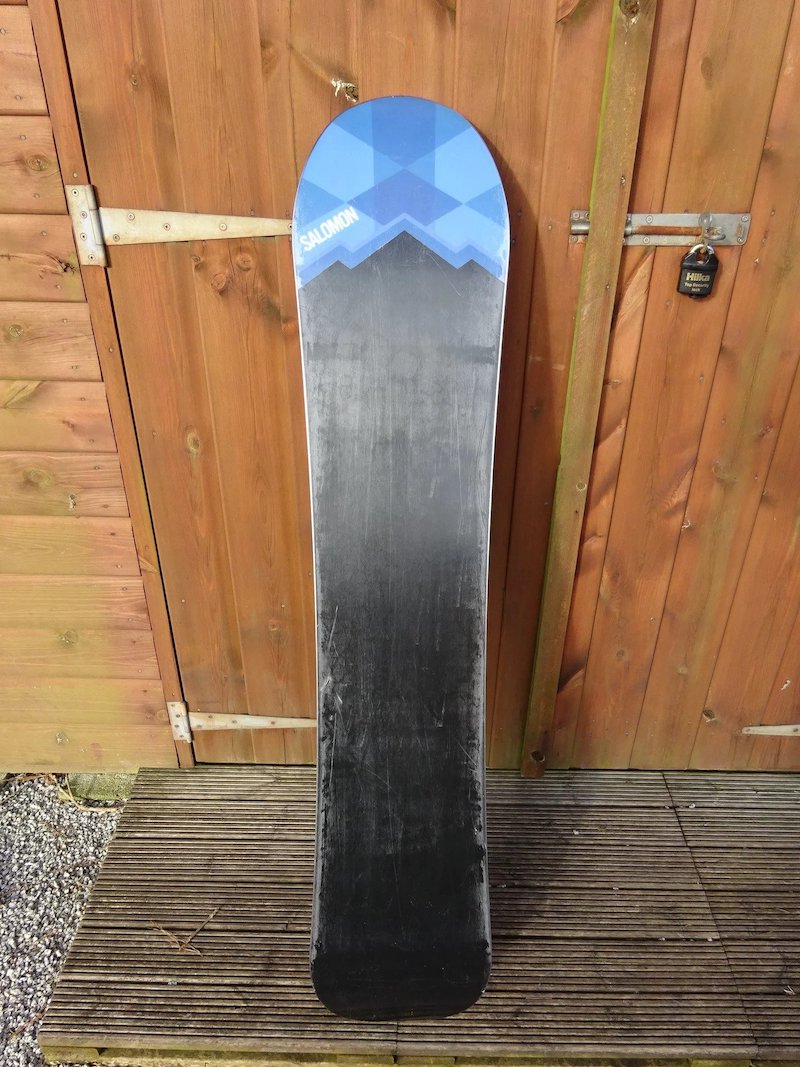
One thing beginners often overlook: the base can look shiny and still be dry. The shine comes from plastic, not moisture. Always check for white patches and slow spots, not just appearance.
Frequently Asked Questions
How Can I Tell If My Snowboard Needs Waxing?
Check for white, dry spots on the base, especially near the edges. If your board feels slow, sticky, or is harder to turn, it’s probably time to wax.
What Happens If I Never Wax My Snowboard?
The base can dry out, become rough, and even crack. You’ll lose speed and control, and the board won’t last as long.
Can I Wax My Snowboard Too Often?
No. Frequent waxing does not hurt your board. In fact, it helps keep the base healthy and strong.
Is Rub-on Wax Good Enough?
Rub-on wax is fine for a quick fix, but it wears off quickly. For the best results, especially for longer trips, use hot wax with an iron.
Where Can I Learn More About Waxing And Snowboard Maintenance?
You can find step-by-step guides and videos from experts on the REI Expert Advice page.
A well-waxed snowboard means more fun, safer rides, and a longer-lasting board. Take the time to learn what your board needs, and you’ll enjoy every run, from first snow to spring slush.
