Waxing your skis is one of the simplest ways to keep them fast, smooth, and in great shape. For many skiers, especially those just starting out, it’s hard to know how often skis should be waxed. Some believe once a season is enough, while others say it should be after every run.
The truth sits somewhere in between, depending on how much you ski, where you ski, and your performance goals. Understanding ski waxing can save you money, make skiing more enjoyable, and extend the life of your gear.
Why Waxing Skis Matters
Ski bases are made from a material called polyethylene, which is slightly porous. Waxing fills these tiny holes and creates a smooth surface. This helps your skis glide easily over snow. Without wax, the bases dry out, turn white or “fuzzy,” and slow you down. You’ll notice your turns feel sticky and you need to push harder.
Wax also protects the base from damage. Dirt, small rocks, and even salt on resort snow can scratch or wear away the base. Regular waxing acts as a shield, making your skis last longer.
Factors That Affect How Often You Should Wax Skis
There’s no single answer for everyone. Here are the key things that decide how often you should wax:
1. Skiing Frequency
If you ski every weekend, your skis need more care than someone who skis twice a season. Regular use wears off wax faster.
2. Snow Conditions
Fresh powder is gentle, but icy, man-made, or dirty snow grinds wax away quickly. Spring skiing, where snow is wet and slushy, also strips wax in a few hours.
3. Type Of Skier
- Recreational skiers: Waxing every 4–6 ski days is usually enough.
- Racers and performance skiers: Wax before every race or important session.
- Backcountry skiers: Wax less often, as snow is often cleaner and softer.
4. Ski Base Material
Some skis have sintered bases, which hold wax longer but need more frequent waxing to perform their best. Extruded bases (found on cheaper skis) don’t absorb wax as well, so you may not notice much difference.
5. Temperature And Wax Type
Cold, dry snow requires a different wax than warm, wet snow. Using the right wax helps it last longer. Universal or all-temperature wax is okay for most conditions, but not as long-lasting as specialized waxes.
6. Your Expectations
If you want max speed and smooth turns, wax often. If you’re happy as long as the skis slide, you can go longer between waxes.
How To Tell If Your Skis Need Waxing
Knowing when to wax is a skill that gets easier with experience. Here are clear signs:
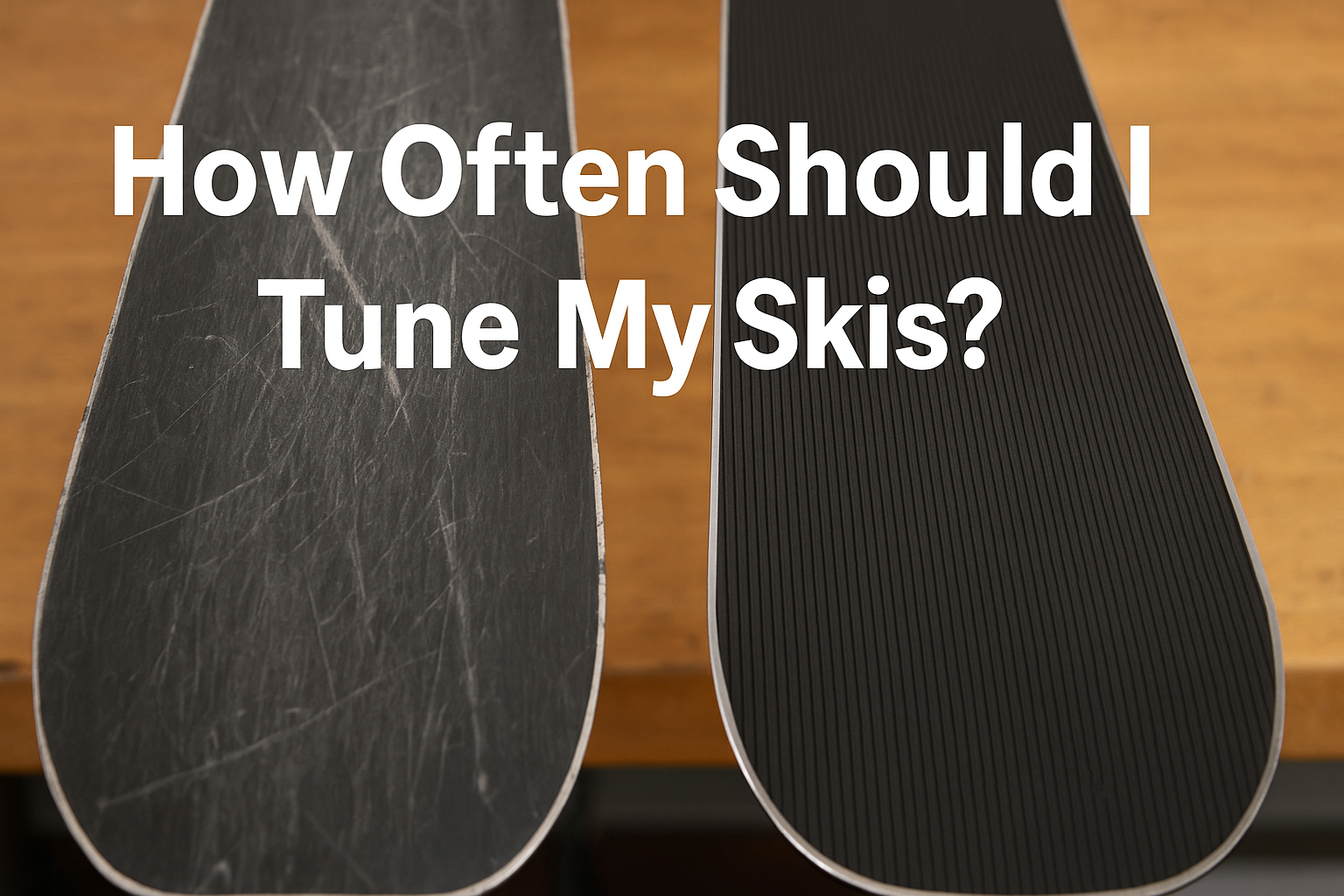
- White, dry-looking patches on the ski base, especially near the edges and tips.
- Sticky feeling: Skis slow down on flat areas or seem to drag.
- Lack of water beads: Drip water on the base. If it absorbs instead of beads up, it’s time to wax.
- Squeaking sound: Dry bases sometimes make more noise on snow.
If you notice any of these, it’s a good idea to wax soon.
Typical Waxing Frequency Guidelines
Here’s a simple guide for how often to wax, based on skiing style and snow type:
| Skiing Style | Waxing Frequency | Notes |
|---|---|---|
| Casual/recreational | Every 4–6 days | Check for dryness |
| Intermediate/advanced | Every 2–4 days | Depends on snow type |
| Racer | Every session | Performance matters most |
| Backcountry | Every 6–10 days | Cleaner snow |
These are starting points. If you ski on very dirty or wet snow, consider waxing more often.
Hot Wax Vs. Liquid And Rub-on Wax
There are different types of ski wax and methods for applying them:
Hot Wax
- Lasts longest and gives best protection.
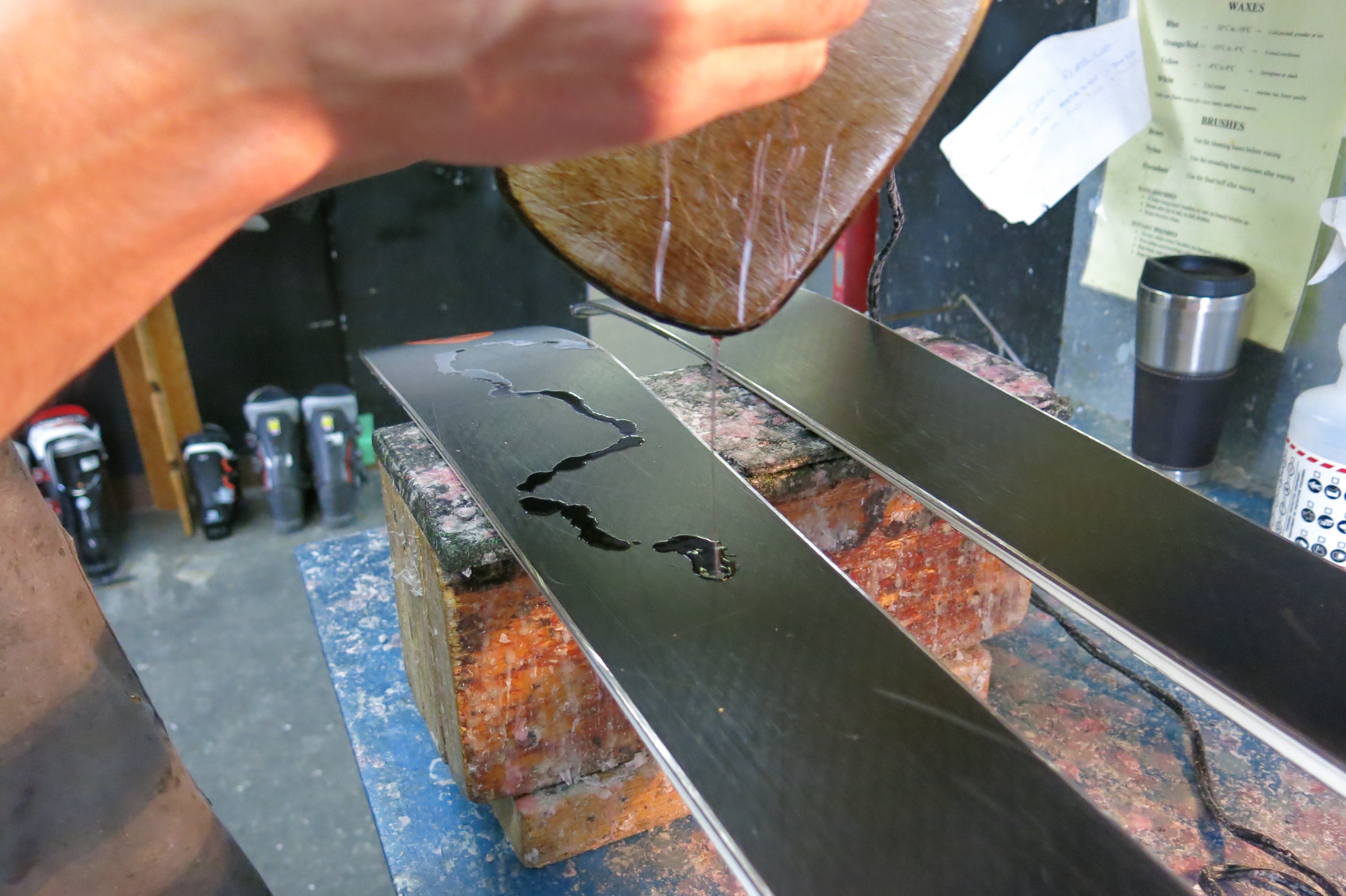
- Applied by melting wax onto the base with a special iron, then scraping off extra.
- Takes more time and tools, but results are much better.
- Most ski shops and racers use this method.
Liquid Wax
- Quick and easy to apply.
- Good for a fast fix, but wears off after 1–2 ski days.
- Great for travelers or when you don’t have access to tools.
Rub-on Wax
- Fastest to apply—just rub a block of wax on the base.
- Lasts only a few runs.
- Handy for emergencies or mid-day touchups.
Hot waxing is the gold standard. Liquid and rub-on waxes are for convenience, not long-term performance.
How To Wax Skis: Step-by-step
If you want to wax your own skis, here’s a quick overview:
- Clean the bases. Brush off dirt and old wax with a nylon brush.
- Set up a workspace. Use a ski vise or stable table.
- Melt wax onto the base with a waxing iron. Move the iron slowly to avoid burning.
- Spread the wax evenly. Make sure the whole base gets covered.
- Let it cool. Wait at least 30 minutes.
- Scrape off excess wax with a plastic scraper.
- Brush the base with a nylon brush for a smooth finish.
Plan for about 30–45 minutes per pair. For more details, you can check this guide from Wikipedia.
Pros And Cons Of Diy Waxing Vs. Ski Shop Waxing
Should you do it yourself, or pay a shop? Here’s a comparison to help you decide:
| DIY Waxing | Ski Shop Waxing |
|---|---|
| Cheaper in the long run | Professional results |
| Wax any time you want | No need to buy tools |
| Initial cost for iron and tools | Can be expensive over time |
| Learning curve | Quick turnaround (sometimes) |
If you ski often, investing in your own tools pays off quickly. For occasional skiers, a shop may be more convenient.
Common Mistakes Beginners Make
Many skiers either wax too little or too much. Here are mistakes to avoid:
- Waiting too long. Dry bases slow you down and wear out faster.
- Using the wrong wax. Temperature-specific wax works better than universal wax in extreme conditions.
- Too much heat. Overheating can damage the base.
- Skipping the brush. Brushing after scraping helps the ski glide better.
- Applying wax unevenly. All parts of the base need coverage.
A non-obvious tip: Don’t forget to wax the tips and tails. Many people only focus on the middle, but full coverage helps the ski turn and glide smoothly.
How Snow Conditions Affect Wax Longevity
Snow can be soft and powdery, icy and hard, or wet and slushy. Each type affects wax differently:
- Powder snow: Gentle on wax. Wax lasts longer.
- Icy, artificial snow: Acts like sandpaper. Wax wears off quickly.
- Wet, spring snow: Water and dirt remove wax fast.
If you ski in changing conditions, consider a quick rub-on wax mid-day to keep performance high.
What Happens If You Don’t Wax Skis Enough?
Neglecting waxing leads to several issues:
- Slower glide: You’ll work harder, and skiing feels less fun.
- Base damage: Dry, unprotected bases get scratched and worn quickly.
- Less control: Turning and stopping become harder.
- Shorter ski life: Unwaxed skis need repairs or replacing sooner.
A less obvious effect: Edges rust faster on dry bases, especially if you store skis without waxing. Wax acts as a moisture barrier.

How To Store Skis To Reduce Waxing Needs
If you store skis correctly, they keep wax longer and need less maintenance:
- Dry the bases after every use.
- Store in a cool, dry place.
- Apply a thick “storage” wax coat at season’s end (don’t scrape it off until next season).
- Avoid direct sunlight and hot garages.
This simple routine protects your investment and reduces how often you need to wax.
How To Choose The Right Wax
There are many waxes available, but you don’t need to buy them all. Here’s what matters:
- Temperature range: Get one cold-weather and one warm-weather wax if you ski in variable conditions.
- Type of base: Sintered bases need more wax, but all skis benefit from waxing.
- Eco-friendly options: Some waxes are better for the environment—look for “fluoro-free” or plant-based waxes.
Don’t be fooled by expensive racing wax if you’re a casual skier. Most people only need a basic universal or temperature-matched wax.
Pro Tips For Getting The Most Out Of Your Wax
- Brush before and after waxing for best glide.
- Use less wax than you think. Too much just gets scraped off.
- Keep your waxing iron at a safe temperature (not smoking or burning).
- Label your wax blocks for easy identification.
If you ski as a family, sharing tools and wax can save money and time.
Frequently Asked Questions
How Long Does A Hot Wax Job Last?
A good hot wax usually lasts 3–6 ski days for most skiers. It depends on snow type and how aggressively you ski. Racers may re-wax after every session, while casual skiers can go longer.
Can You Over-wax Skis?
No, but over-waxing is mostly a waste of time and wax. Once the base is saturated, extra wax does not improve performance. Too much scraping can also wear the base.
What’s The Difference Between Hot Wax And Rub-on Wax?
Hot wax penetrates deeper and lasts longer. Rub-on wax is fast but only coats the surface and wears off quickly—good for emergencies.
Is Waxing Necessary For New Skis?
Yes. Factory wax is often thin and not ideal for real snow. It’s smart to do a full hot wax before your first ski day.
Can I Ski Without Waxing At All?
You can, but your skis will be slower and wear out faster. Waxing is cheap insurance for performance and ski life.
Ski waxing is both a science and an art, but it’s not hard to master. With the right routine, your skis will glide smoothly, turn easily, and last for years. Start simple, pay attention to how your skis feel, and adjust your waxing schedule as you gain experience.
With just a little effort, you’ll enjoy better days on the mountain every time.