
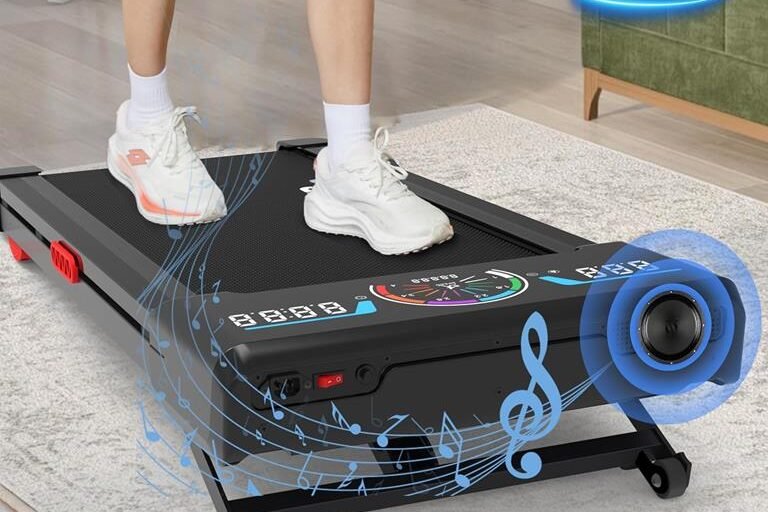
Are you thinking about adding a walking pad to your daily routine but wonder if it can support your weight? Knowing how much weight a walking pad can hold is crucial before making your purchase.
You want to be sure it’s safe, durable, and built to fit your needs. You’ll discover exactly what weight limits to expect and how to choose the right walking pad for your body. Keep reading to find out how to make the best decision for your health and comfort.
Walking Pad Weight Limits
Walking pads are popular for home workouts and daily walking routines. Knowing the weight limit is important for safety and device longevity. Weight limits vary by model and design. Choosing the right walking pad depends on your weight and usage needs.
Standard Weight Capacities
Most walking pads support between 220 to 265 pounds. This range suits average users for light walking exercises. The frame and motor are built to handle this load comfortably. Exceeding the limit can cause damage or reduce the device’s lifespan. Always check the product specifications before buying.
Heavy-duty Models
Heavy-duty walking pads can hold up to 330 pounds or more. These models feature stronger motors and reinforced frames. They are designed for users who need extra support and durability. These pads often cost more but provide better stability. Ideal for heavier users or more intense walking sessions.

Factors Affecting Load Capacity
The load capacity of a walking pad depends on several key factors. These factors ensure safety and durability during use. Understanding them helps you choose the right walking pad for your needs. Let’s explore what affects the weight a walking pad can hold.
Frame Material And Build
The frame is the foundation of a walking pad. Strong materials like steel or aluminum increase weight support. A well-built frame resists bending or breaking under pressure. Thicker frames usually hold more weight. The quality of welding and joints also matters. A sturdy frame keeps the walking pad stable during exercise.
Motor Power And Design
The motor powers the belt movement and affects load capacity. Higher motor power can handle heavier users easily. Motors designed for durability last longer under heavy loads. Some motors have cooling systems to prevent overheating. A strong motor keeps the belt moving smoothly with weight on it.
Belt And Deck Quality
The belt and deck are the walking surface. Durable belts resist wear and tear from heavy use. The deck’s material and thickness affect how much weight it can hold. High-quality decks reduce noise and absorb shock better. A good belt and deck combination supports weight evenly for comfort and safety.
Choosing The Right Walking Pad
Choosing the right walking pad is important for safety and comfort. Every walking pad has a weight limit. This limit helps you pick a model that fits your needs.
Consider your height and weight carefully. Also, think about how long and often you will use the walking pad. These factors help you find the best fit.
Matching Your Weight And Height
Check the walking pad’s maximum weight capacity. Choose a pad that supports your weight plus extra for safety. Taller people should find pads with longer decks. This gives enough space for natural steps. A pad too small can cause discomfort and risk injury.
Intended Use And Duration
Think about how often you will walk on the pad. Light use means occasional walking for short times. Heavy use involves daily walking for long hours. Some pads are made for long use and can hold more weight. Others are for light exercise and may have lower limits. Match your walking habits to the right pad for best results.
Safety Tips For Maximum Load
Knowing the right safety tips for the maximum load of a walking pad helps avoid accidents. It also keeps the machine working well for a long time. Overloading the walking pad can cause damage or injury. Follow these simple tips to protect yourself and your device.
Proper Usage Guidelines
Check the weight limit before use. Never exceed the maximum load capacity. Stand firmly in the middle of the walking pad. Avoid sudden jumps or sharp movements while walking. Use the walking pad only on flat, stable surfaces. Wear proper shoes to prevent slipping. Keep children and pets away during operation.
Maintenance To Ensure Durability
Clean the walking pad regularly to remove dust and dirt. Inspect the belt and motor for wear or damage. Tighten loose screws and bolts as needed. Lubricate moving parts according to the manual. Store the walking pad in a dry place to avoid rust. Schedule professional check-ups if you notice unusual sounds or performance issues.
Comparing Popular Walking Pads
Walking pads are useful for staying active indoors. Knowing how much weight each walking pad can hold helps you pick the right one. Different models have different weight limits. This guide compares popular walking pads to make your choice easier.
Top Models And Their Limits
Many walking pads support between 220 and 265 pounds. The Xiaomi WalkingPad A1 Pro holds up to 220 pounds. The WalkingPad R1 Pro supports 265 pounds, making it ideal for heavier users. Some models like the Egofit Walker Pro support up to 330 pounds. Check weight limits before buying to ensure safety and durability.
Price Vs Load Capacity
Higher load capacity often means a higher price. Budget models usually support less weight but cost less. Mid-range models balance price and weight capacity well. Premium walking pads offer strong frames and support more weight but cost more. Choose a model that fits your budget and weight needs for best results.
Consequences Of Overloading
Overloading a walking pad can cause serious problems. Exceeding the weight limit affects the device’s function and safety. It puts extra stress on the machine parts. This stress can lead to breakdowns and accidents. Users should understand the risks of overloading to avoid damage and hazards.
Potential Damage Risks
Excess weight strains the motor and belt of the walking pad. These parts wear out faster than usual. The frame and deck may bend or crack under heavy loads. Overloading can cause the machine to stop working suddenly. It may also lead to uneven walking surfaces. This creates a risk of falls and injuries.
Warranty And Repair Issues
Most walking pads have a set weight limit in their warranty terms. Overloading the device often voids the warranty. This means repairs or replacements will not be covered. Repair costs can be high if damage happens from too much weight. Following the recommended weight helps keep the warranty valid and saves money.
Frequently Asked Questions
What Is The Maximum Weight Capacity Of A Walking Pad?
Most walking pads support between 220 to 265 pounds. Always check the manufacturer’s specifications for exact limits to ensure safety.
Can Heavier Users Safely Use A Walking Pad?
Yes, but users should choose pads designed for higher weight limits. Using a pad beyond its capacity risks damage and injury.
How Does Weight Affect Walking Pad Performance?
Heavier weight can reduce motor efficiency and battery life. Staying within the weight limit ensures optimal speed and durability.
Are Weight Limits Different For Folding Walking Pads?
Yes, folding models often have lower weight capacities. Verify the product details before purchasing to match your weight needs.
Conclusion
A walking pad’s weight limit matters for safety and comfort. Most models support between 220 to 265 pounds. Choose one that fits your body weight well. Using a pad beyond its limit can cause damage. Check the product details before buying.
This helps you enjoy steady and safe walking. Remember, a good fit leads to better results. Walking pads offer easy exercise at home or work. Keep these tips in mind for the best experience.
