

Are you thinking about adding a hyperextension bench to your workout space but unsure how much room it will take? Knowing the right amount of space you need is key to making sure your exercise area stays comfortable and safe.
You don’t want to buy equipment that won’t fit or that makes your workout cramped and frustrating. You’ll discover exactly how much space a hyperextension bench requires and get simple tips to set it up perfectly in your home gym.
Keep reading to make sure your fitness setup works for you, not against you.
Choosing The Right Bench Size
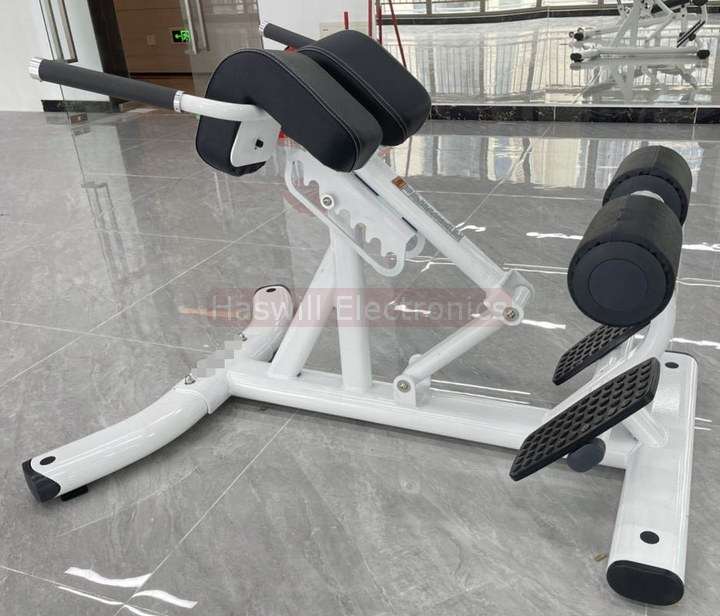
Choosing the right bench size matters for comfort and safety. The bench must fit your space and body size. It should allow free movement during exercise. Space also depends on your room size and layout. Measuring your area before buying helps avoid issues. Below are details about bench sizes to guide you.
Standard Bench Dimensions
Most hyperextension benches measure about 48 to 52 inches long. The width usually ranges from 18 to 22 inches. The height sits between 20 to 28 inches for proper exercise form. These sizes fit most adults comfortably. Standard benches need enough floor space to avoid crowding. Leave extra room around the bench for safe use.
Adjustable Bench Sizes
Adjustable benches offer flexible height and angle settings. This feature suits users of different heights and workout styles. Length and width remain similar to standard benches. Adjustability adds some weight and bulk to the bench. You need slightly more space to change settings easily. Adjustable benches work well in shared spaces or gyms.
Compact Models For Small Spaces
Compact benches fit tight or home gym spaces. They usually measure around 40 inches in length. Width narrows to 15 to 18 inches to save space. These models often fold for easy storage after use. Compact benches suit small rooms or apartments. Check stability and comfort before choosing a compact bench.
Space Requirements For Use
Knowing the space you need for a hyperextension bench is important before buying one. The right amount of space helps you exercise comfortably and safely. It also allows full movement and keeps the area clear of obstacles. Below are key points to consider for the space requirements during use.
Room For Movement
You need enough space to move freely around the bench. The bench length varies but usually measures 4 to 5 feet. Allow extra space at both ends to stretch and adjust your position. Your legs and body need room to bend and extend without hitting walls or furniture.
Safety Clearance
Keep a clear zone around the bench for safety. At least 2 feet of open space on all sides is best. This prevents accidents while mounting or dismounting the bench. Clear floors reduce tripping hazards and give you peace of mind during workouts.
Additional Equipment Nearby
Think about other gym tools you use near the bench. Space for weights, mats, or dumbbells helps keep things organized. Avoid clutter to maintain an efficient workout area. Plan the layout so you can reach all equipment easily without crowding the bench.
Optimizing Gym Layout
Optimizing your gym layout helps save space and improve workout flow. A good layout lets you move freely and use equipment safely. Planning where to put a hyperextension bench is key. It needs enough room for exercises and easy access.
Think about space not just for the bench, but for your entire gym area. Smart placement keeps your gym neat and comfortable. It also makes workouts more enjoyable and efficient.
Placement Tips
Place the hyperextension bench near a wall or corner. This saves central floor space for other exercises. Leave at least 3 feet of clear space around it. Make sure the area allows full range of motion. Avoid tight spots that limit movement or cause discomfort.
Multi-use Space Ideas
Use your gym space for more than one purpose. A hyperextension bench can double as a step platform or a stretching station. Choose benches that fold or adjust easily. This frees space when not in use. Combine equipment to keep your gym versatile and clutter-free.
Vertical Storage Solutions
Use wall racks or hooks to store the hyperextension bench. Vertical storage keeps the floor clear and safe. It also protects your bench from damage. Consider shelves for smaller accessories nearby. This keeps everything organized and easy to find.
Measuring Your Space
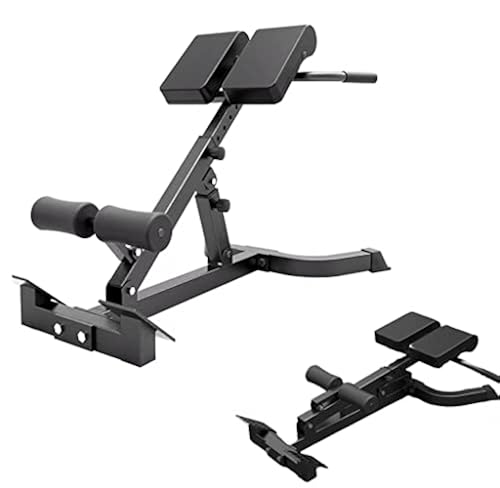
Measuring your space is the first step before buying a hyperextension bench. Knowing the exact area helps avoid tight fits or wasted space. Proper measurement ensures safety and comfort during workouts. Take your time to get accurate numbers. This will help you choose the right bench size and plan your room better.
Tools To Use
Use a tape measure for precise length and width. A laser distance measurer speeds up the process and improves accuracy. A notepad or app helps record your numbers. Mark the area with painter’s tape to visualize the bench’s footprint. These tools make measuring simple and clear.
Common Measurement Mistakes
Not measuring the full length of the bench is a frequent error. Forgetting to add space for movement can cause cramped workouts. Ignoring ceiling height can block some exercises. Relying on rough estimates leads to problems later. Measure twice to avoid these issues.
Planning For Future Equipment
Leave extra space for new fitness gear you might add later. A little more room means easier rearranging or upgrades. Think about storage space for accessories too. Planning ahead saves time and money in the long run. Keep your workout area flexible and ready to grow.
Alternative Exercises With Limited Space
Not everyone has room for a hyperextension bench at home. Small spaces limit bulky equipment. Thankfully, you can still train your lower back and glutes with simple alternatives. These exercises need little or no space but give great results.
Bodyweight Variations
Bodyweight exercises need no machines or tools. Try the superman hold by lying face down. Lift your arms and legs off the floor. Hold for a few seconds, then rest. Another option is the glute bridge. Lie on your back and push hips upward. Both moves strengthen your back and hips effectively.
Resistance Band Options
Resistance bands are cheap and easy to store. Use them for good back extensions. Anchor the band low, hold ends in your hands, and lean forward slowly. The band will pull you back, working your muscles. You can also do seated rows with bands. These improve posture and build strength without space issues.
Floor-based Movements
Floor exercises save space and boost core power. Try bird-dogs on all fours. Extend opposite arm and leg, then switch. This move improves balance and lower back strength. Another choice is the plank. Hold your body straight on elbows or hands. Planks engage many muscles, including your lower back.
Frequently Asked Questions
How Much Floor Space Does A Hyperextension Bench Require?
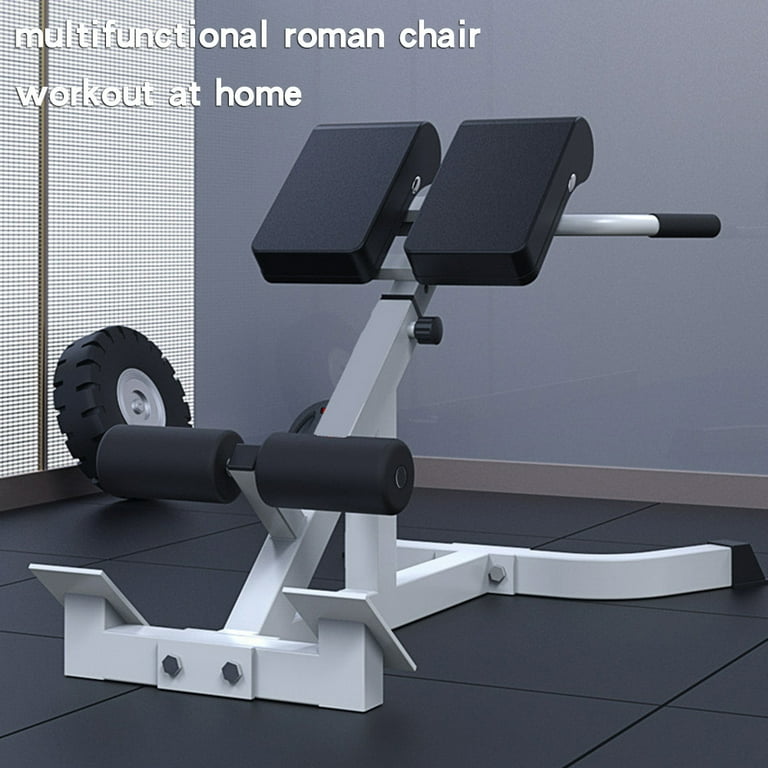
A hyperextension bench typically needs about 4 to 6 feet in length and 2 to 3 feet in width. Ensure extra space around it for safe movement and exercise performance.
Can I Fit A Hyperextension Bench In A Small Room?
Yes, many hyperextension benches are compact and fit in small rooms. Measure your available space and compare it with the bench dimensions before purchasing.
How Much Clearance Is Needed Around The Bench?
At least 2 feet of clearance on all sides is recommended. This space allows for comfortable and safe exercise movements without restrictions.
Is Ceiling Height Important For Hyperextension Benches?
Ceiling height matters if you perform standing exercises near the bench. A standard ceiling height of 8 feet is usually sufficient for most users.
Conclusion
Choosing the right space for a hyperextension bench matters a lot. You need enough room to move freely and safely. Most benches need about 4 to 6 feet in length and 2 to 3 feet in width. Don’t forget to leave space around the bench for exercise comfort.
A clear area helps prevent accidents and improves workout quality. Measuring your available space before buying saves hassle later. Planning well makes your home gym both safe and effective. Small space? Look for compact or foldable benches that fit better.
Keep these tips in mind for a great workout setup.
