
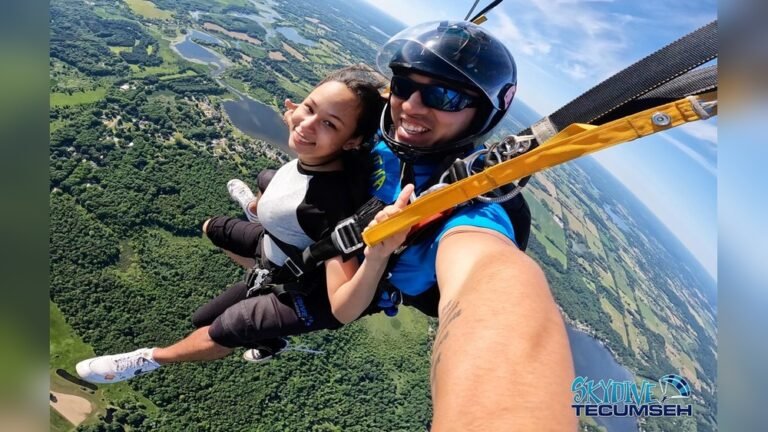
Skydiving is an experience that attracts both thrill-seekers and people who want to overcome their fears. The feeling of jumping from a plane, free-falling at over 120 mph, and then floating safely to the ground is unforgettable. But before you leap, it’s smart to know: how much does skydiving usually cost? Prices can surprise many first-time jumpers, and there are many details to understand. By knowing the typical costs and what affects them, you can budget with confidence and avoid hidden surprises.
What’s Included In The Cost Of Skydiving?
Skydiving is not just paying for a quick jump out of a plane. The price usually covers several things:
- Training and briefing: Safety instructions and basic training.
- Gear rental: Parachute, harness, jumpsuit, helmet, goggles.
- Instructor fees: For tandem jumps or for advanced instruction.
- Plane ride: The flight to your jump altitude.
- Insurance: Some drop zones include basic coverage.
Some centers may add small fees for extras, so always ask what’s included before you book.
Average Cost Of Skydiving In The United States
The price of skydiving changes depending on where you are, the type of jump, and what’s included. Here are the typical costs you can expect in the U.S.:
Tandem Skydiving
This is the most popular choice for first-timers. You are harnessed to an experienced instructor.
- Average price: $200–$300 per person
- What you get: Safety briefing, gear, plane ride, tandem jump from 10,000–14,000 feet
Some drop zones offer discounts on weekdays or for groups.
Solo Skydiving (aff And Static Line)
If you want to jump solo, you must take a training course first.
- Accelerated Freefall (AFF): $300–$400 for the first jump (includes extensive ground training)
- Static Line: $180–$250 for the first jump
Courses usually include instructor supervision and all gear for your first jump.
Repeat Jumps (licensed Skydivers)
Once you’re certified, the cost drops.
- Jump ticket: $25–$35 (just the plane ride; you use your own gear)
- Gear rental: $30–$50 per jump, if you don’t own equipment
Owning your own gear saves money over time.
Comparison Of Common Skydiving Costs
| Type of Jump | Average Cost (USD) | Includes |
|---|---|---|
| Tandem Jump | $200–$300 | Instructor, gear, briefing, plane ride |
| First Solo (AFF) | $300–$400 | Ground school, gear, instructor, plane ride |
| First Solo (Static Line) | $180–$250 | Shorter training, gear, instructor, plane ride |
| Licensed Jumper | $25–$85 per jump | Plane ride, gear rental (if needed) |
What Affects The Cost Of Skydiving?
You may wonder why prices differ so much. Here’s what changes the price:
1. Location
Skydiving in major cities or scenic locations (like near the ocean or mountains) usually costs more. Rent, insurance, and demand are higher. For example, jumps in California or Hawaii often cost $30–$50 more than in rural states.
2. Altitude Of The Jump
The higher you go, the more you pay. A jump from 10,000 feet might be $200, while 18,000 feet can be $350 or more. More altitude means a longer freefall and a bigger thrill, but also more fuel and time for the plane.
3. Day Of The Week And Time Of Year
Weekends are busier and usually more expensive. Some centers offer weekday deals or off-season discounts. If you’re flexible, you can save $20–$40 per person.
4. Group Rates
Bringing friends can reduce your price. Many drop zones offer a free jump for the group leader if you bring 5–10 people, or everyone gets $10–$20 off.
5. Extra Services
Want video or photos of your jump? That’s extra. Buying a certificate or a custom T-shirt also adds to your bill.
Extra Costs To Know About
Skydiving comes with options and add-ons that can boost your total price.
Video And Photo Packages
Capturing your jump on video is popular but not cheap.
- Handycam video: $80–$120
- Outside cameraman: $100–$180 (a separate skydiver films you)
- Photo and video combo: $120–$200
These packages usually include editing and a download link or USB.
Tips And Gratuity
Tipping is not required, but many people give $10–$20 to their instructor or videographer, especially for a great experience.
Repeat Jumps
Some people get hooked and want to jump again the same day. Second jumps are usually discounted by 10–20%.
Licensing And Courses
If you want to become a certified skydiver, you’ll need to complete a course.
- A-License package: $2,500–$3,500 (includes 20–25 jumps, training, gear rental, and fees)
This is an investment, but you’ll pay less for each jump afterward.
Uspa Membership
Most U. S. drop zones require membership in the United States Parachute Association for solo students.
- Annual fee: $78 (2024 rate)
Membership includes insurance and a subscription to Parachutist magazine.
Skydiving Costs Around The World
Prices can be very different outside the U. S. Some places are much cheaper, others more expensive.
| Country | Average Tandem Jump Cost | Notable Locations |
|---|---|---|
| United States | $200–$300 | California, Florida, Arizona |
| Australia | $180–$250 | Sydney, Cairns, Gold Coast |
| New Zealand | $220–$300 | Queenstown, Auckland |
| United Kingdom | £200–£270 ($250–$340) | London, Cornwall, Scotland |
| Thailand | $200–$250 | Pattaya, Bangkok |
Some countries include the video package in the main price, so always check before you book.
Is Skydiving Worth The Price?
The cost of skydiving can seem high, but you’re paying for much more than just the fall. The safety standards, equipment maintenance, and instructor training are expensive for operators. The adrenaline and the memory can last a lifetime. Most people say the experience is worth every dollar.
Two Insights Many Beginners Miss
- Altitude matters more than you think. A jump from 14,000 feet gives you nearly twice the freefall time as a jump from 10,000 feet, but the price difference is often small. If you want the best thrill, pay for the extra altitude.
- You can save by booking early or with a group. Many drop zones offer web-only specials or group rates that are not available if you just walk in. Always check online and call ahead.

Hidden Costs And Common Mistakes
Many first-timers don’t realize the little extras that can add up:
- Weight fees: If you’re over a certain weight (often 200 lbs), expect a $20–$40 surcharge for extra equipment and safety considerations.
- Refund policies: Weather delays are common. Some places charge a rebooking fee or don’t refund if you cancel late.
- Gear damage fees: If you damage rented gear, you may be liable for repairs.
A common mistake is booking the cheapest jump without checking reviews or safety records. It’s better to pay a bit more for a center with a strong safety reputation.
How To Get The Best Value
- Shop around: Compare at least three reputable drop zones near you.
- Check for deals: Look for online coupons, group discounts, or off-season rates.
- Ask what’s included: Avoid centers that charge hidden fees for basics like goggles or training.
- Read reviews: Safety and staff experience matter as much as price.
If you plan to make skydiving a hobby, investing in your own gear and a license will save thousands of dollars over time. Used gear can be found for $2,000–$3,000, compared to $5,000+ for new.

Skydiving Cost Breakdown Example
Let’s walk through a typical first-time tandem jump booking:
- Tandem jump: $250
- Video/photo package: $120
- Weight surcharge: $30 (if over limit)
- Tip for instructor: $15
Total: $415
This is a realistic total for a memorable first jump with a video to show friends.
How Skydiving Prices Compare To Other Adventure Sports
To put skydiving costs in perspective, here’s a quick comparison with other popular thrill activities:
| Activity | Average Cost (USD) | Duration |
|---|---|---|
| Skydiving (Tandem) | $200–$300 | 3–5 minutes (jump), half-day total |
| Bungee Jumping | $80–$150 | Seconds (jump), 1 hour total |
| Paragliding | $100–$200 | 10–20 minutes (flight) |
| Hot Air Balloon Ride | $200–$350 | 45–60 minutes |
Skydiving is not the cheapest, but it’s one of the most intense and unique experiences.
Frequently Asked Questions
How Long Does A Skydiving Experience Last?
The freefall lasts about 30–60 seconds, but the total experience (training, gearing up, flight, jump, and debrief) takes about 3–4 hours. Plan for half a day at the drop zone.
Is It Safe To Choose The Cheapest Skydiving Center?
Not always. While many budget centers are safe, always check for USPA certification, recent reviews, and clear safety records. Paying a bit more can mean better gear and instructors.
Can I Skydive If I’m Over 200 Pounds?
Most drop zones have a weight limit (usually 220–250 lbs). People over 200 lbs often pay a surcharge. Always confirm your weight and ask about limits before booking.
How Much Should I Tip My Skydiving Instructor?
Tipping is optional but appreciated. Most people give $10–$20 for a great experience, especially if the instructor is friendly and reassuring.
Where Can I Find More Information About Skydiving Safety And Prices?
For up-to-date safety guidelines and average prices, visit the United States Parachute Association website.
Skydiving is not just about the fall—it’s about challenging yourself, making memories, and maybe even starting a new hobby. If you plan your jump well and understand all the costs, you’ll enjoy the experience with no unwanted surprises.
