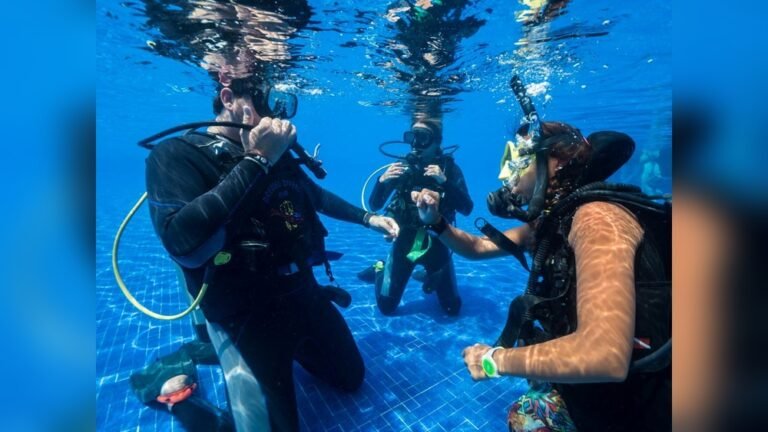
Scuba diving opens a window to a hidden world—colorful coral reefs, graceful sea turtles, and shipwrecks waiting to be explored. But before you can enjoy these underwater adventures, you need the right training. Scuba diving certification is your passport to safe and enjoyable dives. Many people wonder how much this certification costs, and the answer is more complex than a single number. Prices vary by location, training agency, course type, and what’s included. This guide explains all the details you need to know, so you can plan your scuba journey with confidence.
What Is Scuba Diving Certification?
A scuba diving certification (also called an “Open Water Diver” certification) is an official recognition that you’ve completed basic training and are qualified to dive independently with a buddy, usually to a depth of 18 meters (60 feet). Major agencies offering certification include PADI, SSI, and NAUI. You can take the course almost anywhere with water—from tropical resorts to local dive shops.
Basic Scuba Diving Certification Cost Breakdown
Let’s look at the typical costs for a beginner’s scuba diving certification. The most popular is the Open Water Diver course.
| Location | Course Cost (USD) | What’s Included? |
|---|---|---|
| USA/Canada/Western Europe | $350–$600 | Course, pool training, basic equipment rental |
| South East Asia (Thailand, Philippines) | $250–$400 | Course, equipment, boat dives |
| Caribbean | $400–$700 | Course, equipment, boat dives |
| Australia | $350–$500 | Course, equipment, boat dives |
The average cost for scuba diving certification worldwide is about $350 to $500. Prices can be higher or lower depending on where you go and what’s included.
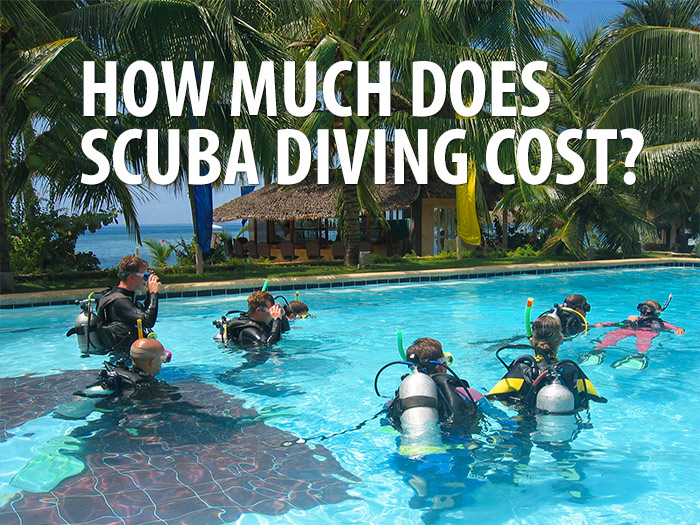
What Does The Course Fee Cover?
When you pay for a scuba course, you are buying more than just lessons. Here’s what is usually included:
- Academic materials: Books or e-learning access for dive theory
- Instructor fees: Professional teaching and supervision
- Pool sessions: Confined water training to learn skills safely
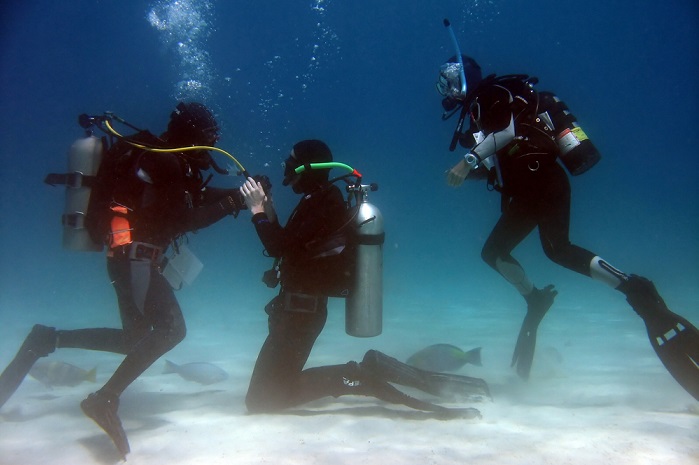
- Open water dives: Real dives in a lake, ocean, or quarry
- Certification card: Proof you completed the course
Some dive centers also include equipment rental (like wetsuit, mask, fins, regulator, and BCD). Others may charge extra for full rental or certain items, especially in the USA and Europe.
Costs That May Not Be Included
It’s easy to focus on the course fee and miss other expenses. Here are some common extra costs:
- Personal gear: Mask, snorkel, fins (often $100–$200 for quality gear)
- Certification fees: Sometimes an extra $30–$60
- Boat fees: If open water dives happen from a boat, expect $50–$100 more
- Photos and videos: Memory of your first dive, but often not free
- Travel and accommodation: If you go to a dive destination
- Medical clearance: Some regions require a doctor’s note
Always ask your dive center for a detailed breakdown before you pay. This avoids surprises and lets you compare offers fairly.
How Location Affects Certification Price
Your geographic location has a big impact on cost. Training in the US, UK, or Australia is usually more expensive than in Southeast Asia or Central America. High labor costs, insurance, and rent push prices up in developed countries. In places like Thailand or Egypt, the cost of living and competition between dive shops keeps prices lower.
For example, a full PADI Open Water course in Koh Tao, Thailand might cost $300, including all equipment and boat dives. In California, the same course could be $600, and you may need to buy or rent your own gear.
Comparison Of Major Scuba Agencies
Most people choose between PADI, SSI, and NAUI for their first certification. The costs are similar, but there are small differences in teaching style and materials.
| Agency | Typical Cost | Global Recognition | Unique Features |
|---|---|---|---|
| PADI | $350–$600 | Very high | Most widespread, easy e-learning |
| SSI | $300–$550 | High | Flexible online materials |
| NAUI | $350–$600 | High | More academic focus |
All three are accepted worldwide. Choose the dive shop and instructor you like best; the agency matters less for most beginners.
Online Vs. In-person Courses
Some agencies now offer e-learning or hybrid courses. You study the theory online at your own pace, then finish the pool and open water dives in person. E-learning can add $100–$150 to the total cost, but it saves classroom time.
Some travelers do the online part at home and finish the dives on vacation. This is called a referral course. It can be more expensive overall, as you pay two different dive centers, but it’s convenient if you have limited travel time.
Advanced And Specialty Course Costs
After your first certification, you may want to take more courses:
- Advanced Open Water Diver: $250–$450
- Rescue Diver: $300–$500
- Specialties (like Deep, Wreck, or Nitrox): $150–$300 each
These prices usually include all materials and certification fees, but may not cover equipment rental or boat trips.
Equipment: Buy Or Rent?
Many beginners rent equipment for their first course. This is smart, as you learn what fits and what you like. But if you plan to dive often, buying your own gear can save money in the long run.
Basic personal gear (mask, snorkel, fins) costs about $100–$200. Full sets (adding wetsuit, BCD, regulator, etc.) range from $800–$2,000. Most divers buy personal gear first, then rent the rest until they are sure they love the sport.
Is Scuba Diving Certification Worth The Cost?
It may seem expensive, but scuba certification is a lifetime qualification. Once you are certified, you can dive almost anywhere in the world without repeating the course. Dive shops will ask to see your certification card before renting you equipment or taking you on a dive trip.
Think of it as an investment in safety and freedom. Good training makes you a better diver and keeps you and your buddy safe. Most people find that the cost is a small price for the memories and adventures that follow.
Common Beginner Mistakes That Add To Cost
Many new divers spend more than they need to because of a few common mistakes:
- Not comparing what’s included: Cheaper courses may not include equipment or boat fees.
- Buying all equipment upfront: It’s better to rent first and buy only what you need.
- Skipping medical checks: If you have health issues, get checked before paying for the course.
- Forgetting travel costs: If you go abroad for training, add flights and hotels to your budget.
- Not asking about hidden fees: Always ask for a total price with all extras included.
Knowing these pitfalls can save you hundreds of dollars.
How To Save Money On Your Certification
There are smart ways to keep costs down without sacrificing safety or quality:
- Take the course off-season: Prices are lower when tourist numbers drop.
- Group discounts: Bring a friend, and many shops will offer a better rate.
- Look for package deals: Some resorts bundle certification with accommodation.
- Ask for used gear: Dive shops sometimes sell used equipment at big discounts.
- Choose local: Training close to home avoids travel costs.
Real-world Examples
- Anna from Germany paid €450 for her PADI Open Water Diver course in Spain. This included all fees, equipment, and four open water dives.
- Ravi from India took his course in the Andaman Islands for $320, including boat dives. He later paid $120 for his own mask and fins.
- Lisa from the USA did her e-learning at home ($150), then finished her dives in Mexico for $300. She had to rent a wetsuit for $40 extra.
These examples show the wide range of costs, but also how the biggest factor is location and what’s included.
Is There A Cheaper Way To Try Scuba?
If you’re not sure about full certification, try a Discover Scuba Diving or Try Dive experience first. These one-day programs cost $50–$120 and let you try scuba in a pool or shallow water with an instructor. You don’t get certified, but you’ll know if you want to continue.
Why Quality Matters More Than Price
While saving money is important, don’t choose a course based only on cost. A good instructor, safe equipment, and patient teaching make a huge difference. Read reviews, ask about group sizes, and be sure you feel comfortable before you book.
Safety is always the best investment in scuba diving.
Useful Resources
For official details, check the Wikipedia page on scuba diving certification.
Frequently Asked Questions
How Long Does Scuba Diving Certification Take?
Most Open Water courses take 3–4 days if done full-time. E-learning can shorten the classroom part, but you need at least two days for open water dives. Part-time or weekend courses may take a few weeks.
Do I Need To Buy All My Own Equipment For The Course?
No. Most dive centers include equipment rental in the course fee. You may need your own mask, snorkel, and fins for comfort and hygiene. Ask your dive shop what’s included before you sign up.
Is The Certification Card Valid For Life?
Yes. Your Open Water Diver certification is permanent and does not expire. However, if you don’t dive for a long time, it’s wise to take a refresher course to review your skills.
Are There Age Or Health Requirements?
Most agencies require students to be at least 10–12 years old and in good health. You’ll fill out a medical form, and some conditions may need a doctor’s clearance. Each agency has its own policy.
Can I Get Certified While Traveling?
Yes. Many people combine a vacation with scuba training in places like Thailand, Egypt, or the Caribbean. Just be sure to allow enough time for the course, and check what is included in the price.
Scuba diving certification is a valuable investment for anyone who loves adventure and the ocean. With the right information, you can plan your training, avoid hidden costs, and start your underwater journey with confidence.
