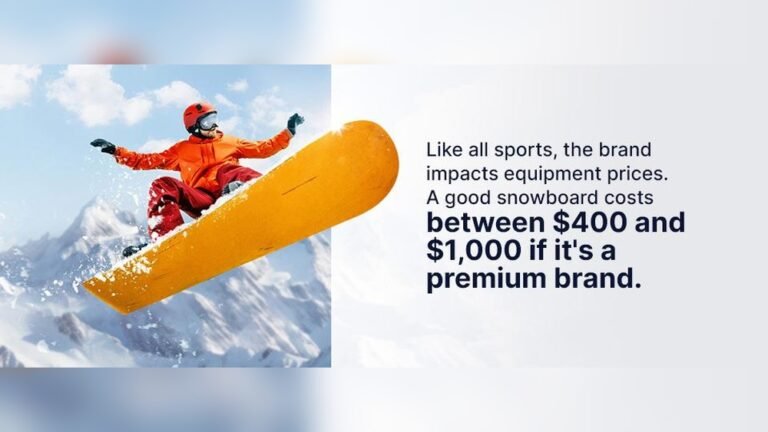
Many people dream of carving down snowy mountains, feeling the crisp air and the thrill of a fresh winter day. But before you can enjoy the slopes, you need a snowboard. For beginners and even some experienced riders, one big question stands out: How much does a snowboard cost? The answer isn’t as simple as a single number. The price depends on your skill level, the type of board, and what’s included in your purchase. This guide will break down every factor so you can budget wisely and choose the right equipment without surprises.
What Influences The Price Of A Snowboard?
The cost of a snowboard is not just about the board itself. Many things affect the final price you pay. Understanding these factors helps you make a smart choice, especially if you’re buying your first setup.
- Brand reputation – Some brands are known for high quality or unique designs, which can raise prices.
- Material quality – Boards made with advanced materials, like carbon or bamboo, usually cost more.
- Board type – Freestyle, all-mountain, and powder boards can have different prices.
- Size and shape – Special shapes or sizes (wide, extra-long) can be more expensive.
- Graphics and limited editions – Eye-catching artwork or limited runs cost more than basic models.
- New vs. used – Used boards are usually much cheaper, but condition matters a lot.
Buying only the board is one thing; complete setups including bindings, boots, and other gear will add to your total cost. Don’t forget about extra expenses like maintenance and accessories.
Price Ranges: Beginner, Intermediate, And Advanced
Snowboards come in a wide range of prices. Let’s look at what you can expect to pay depending on your experience level.
Beginner Snowboards
Most beginner boards are designed for easy control and learning. They use simpler materials and basic designs.
- Price range: $150–$350
- Common brands: Burton, K2, Salomon, Rossignol
- What’s included: Usually just the board (bindings and boots sold separately)
- Example: The Burton Ripcord is a popular beginner board, often found around $300.
Intermediate Snowboards
These boards offer better performance and durability. They often use higher-quality materials and more advanced shapes.
- Price range: $350–$550
- Common brands: GNU, Lib Tech, Never Summer, Ride
- What’s included: Board only, but sometimes bundle deals are available
- Example: The GNU Money is a solid intermediate choice, typically $400–$500.
Advanced And Pro Snowboards
Top-level boards are built for speed, precision, and unique riding styles. They use the best materials and sometimes feature pro rider collaborations.
- Price range: $550–$1,200+
- Common brands: Jones, Capita, Yes, Arbor
- What’s included: Board only
- Example: The Jones Flagship, a high-end freeride board, sells for around $650–$750.
Here’s a quick comparison of price ranges:
| Skill Level | Typical Price Range | Example Board |
|---|---|---|
| Beginner | $150–$350 | Burton Ripcord |
| Intermediate | $350–$550 | GNU Money |
| Advanced/Pro | $550–$1,200+ | Jones Flagship |
Types Of Snowboards And Their Costs
Not all snowboards are built for the same purpose. The type of board you choose will also affect your cost.
All-mountain Snowboards
These are the most versatile and common boards, good for different terrains and conditions.
- Cost range: $250–$700
- Who should buy: Most beginners and recreational riders
Freestyle Snowboards
Built for tricks, jumps, and terrain parks. Usually shorter and more flexible.
- Cost range: $200–$600
- Who should buy: Riders who spend time in the park or enjoy playful riding
Freeride/powder Snowboards
Designed for deep snow and off-piste adventures. They have special shapes for float and control.
- Cost range: $400–$1,000+
- Who should buy: Advanced riders seeking powder days
Splitboards
These boards split in half for backcountry touring. They have extra features and hardware, making them more expensive.
- Cost range: $700–$1,800
- Who should buy: Backcountry explorers and advanced riders
Youth And Kids’ Snowboards
Smaller and simpler, made for children and teens.
- Cost range: $80–$250
Here’s a useful overview:
| Type | Typical Price Range | Best For |
|---|---|---|
| All-Mountain | $250–$700 | All abilities |
| Freestyle | $200–$600 | Park/tricks |
| Freeride/Powder | $400–$1,000+ | Deep snow |
| Splitboard | $700–$1,800 | Backcountry |
| Youth/Kids’ | $80–$250 | Children/teens |
Additional Gear And Costs
Buying a snowboard is just the start. Other gear is essential for a good and safe experience.
Bindings
Bindings connect your boots to the board. Prices depend on quality and features.
- Price range: $100–$400
- Beginner tip: Don’t buy the cheapest bindings. Comfort and fit matter more than saving $20.
Boots
Snowboard boots affect comfort and control. Good boots can make a huge difference in your day.
- Price range: $120–$450
- Non-obvious insight: Boots often last longer than boards, so consider investing in a better pair.
Helmet And Protection
Safety gear is crucial, especially for beginners.
- Helmet: $50–$200
- Wrist guards, pads: $20–$80
Outerwear (jacket, Pants, Gloves)
Staying warm and dry is important. Snowboarding clothes are made for snow and cold.
- Jacket: $100–$300
- Pants: $80–$250
- Gloves: $30–$100
Goggles
Protect your eyes from sun and snow.
- Price range: $40–$250
Lift Passes And Lessons
While not equipment, these are real costs to consider.
- Lift pass (per day): $50–$200 (varies by resort)
- Lessons: $50–$150 per hour
Maintenance And Tuning
Your board needs care to last longer.
- Waxing: $10–$30 per session
- Edge tuning: $10–$30
Here’s an estimate of a full beginner setup:
| Item | Low-End Cost | High-End Cost |
|---|---|---|
| Snowboard | $150 | $350 |
| Bindings | $100 | $200 |
| Boots | $120 | $200 |
| Helmet | $50 | $100 |
| Goggles | $40 | $100 |
| Jacket & Pants | $180 | $550 |
Total beginner setup: $640 (low) to $1,500 (high), not including lift passes or lessons.
New Vs. Used Snowboards
Buying a used snowboard can save a lot of money, but there are risks.
Pros Of Buying Used
- Much lower price (often 40–70% less than new)
- Good for beginners unsure about long-term commitment
- Eco-friendly option
Cons Of Buying Used
- Unknown history (possible hidden damage)
- Outdated technology or worn materials
- No warranty
Experience-based tip: If buying used, check for cracks, delamination, or warped edges. Ask for clear photos if buying online and, if possible, see the board in person.
Where To Buy A Snowboard
Your choice of where to buy affects price, selection, and service.
- Local shops: Great for advice, fittings, and support. Prices may be a bit higher, but you get personal service.
- Online retailers: Larger selection and sometimes better deals. Look for trusted sites like Evo, REI, or Backcountry.
- Secondhand markets: Craigslist, Facebook Marketplace, or local classified ads can have deals, but buy carefully.
When buying online, factor in shipping costs and possible return fees.

How To Save Money When Buying A Snowboard
Snowboarding can be expensive, but there are smart ways to reduce costs.
- Buy last season’s models. Old stock is often sold at large discounts, even though the board is new.
- Shop off-season. Prices drop in spring and summer.
- Look for package deals. Some shops offer snowboard, bindings, and boots together for less.
- Rent before you buy. If you’re unsure, rent equipment to test different styles and sizes.
- Join local clubs or forums. Riders often sell good gear at fair prices.
A common mistake is buying the most expensive board without knowing your true needs. Start with a board that fits your skill level and upgrade later if you ride often.
Is An Expensive Snowboard Worth It?
Many people believe that a higher price means better performance. This is only partly true. For most beginners and casual riders, mid-range boards offer the best value. High-end boards are made for experts who can feel the difference in materials and design.
Spending more on boots and bindings often gives a bigger comfort boost than paying for a top-tier board.
Non-obvious insight: Even professional snowboarders sometimes ride less expensive boards in certain conditions. It’s more about fit and feel than price tag.

Frequently Asked Questions
How Much Should I Spend On My First Snowboard?
For beginners, a budget of $150–$350 for the board is reasonable. This lets you get quality without overspending. Remember to set aside money for bindings, boots, and safety gear.
Are Used Snowboards A Good Option?
Used boards are good for saving money, especially for new riders. Always check the board for damage and try to buy from someone who can answer questions about its history.
What’s The Difference Between A Cheap And An Expensive Snowboard?
Expensive boards often have better materials, lighter weight, and more advanced designs. For beginners, you may not notice much difference. As your skills grow, you’ll appreciate the benefits of higher-end boards.
Can I Rent A Snowboard Instead Of Buying?
Yes, renting is a great option, especially for your first few trips. Rental prices range from $30 to $60 per day for a board, boots, and bindings. It’s a good way to try the sport before buying.
Where Can I Find Reliable Snowboard Reviews And Advice?
Check trusted outdoor gear sites, snowboarding magazines, and community forums. REI’s Snowboard Buying Guide is a reliable place to start for in-depth information.
Choosing the right snowboard is a personal journey, but knowing what affects cost and what to expect gives you a clear advantage. With smart shopping and good advice, you can find a board that fits your budget and helps you enjoy every ride down the mountain.
