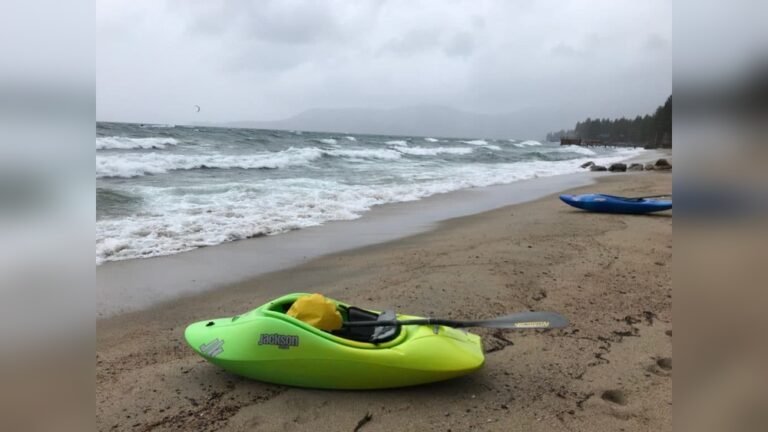
Buying a kayak is more than just picking a boat. The cost of a kayak depends on many things, from the material to the type of water you want to explore. Whether you want to enjoy a quiet day on a lake or ride the ocean waves, knowing what affects the price will help you make a smart choice. People often get surprised when they see how much prices can change. Some kayaks are under $200, while others can cost as much as a used car.
In this guide, you’ll learn what really matters when buying a kayak, how much you should expect to pay, and what hidden costs you might face. This way, you won’t be caught off guard at the store or online.
Main Factors That Affect Kayak Cost
When you look at kayak prices, it helps to know why they are so different. Here are the main reasons:
- Type of kayak: Recreational, touring, fishing, inflatable, and others all have different price ranges.
- Material: Plastic kayaks cost less, while fiberglass or carbon fiber kayaks are much more expensive.
- Brand: Popular brands often cost more but may offer better support and quality.
- Size and capacity: Longer, wider, or tandem kayaks use more material and usually cost more.
- Features and accessories: Built-in storage, comfortable seats, and fishing mounts can add to the price.
People often think only the type matters, but material and brand can change the price by hundreds of dollars for similar kayaks.
Common Kayak Types And Their Prices
Each type of kayak suits a different activity. Here is what you can expect to pay for each kind.
Recreational Kayaks
These are made for calm waters like lakes or slow rivers. They are stable and easy to use.
- Price range: $200 to $600
- Best for: Beginners, casual paddlers
Most beginners choose these because they are easy to get in and out of. A basic plastic recreational kayak can be as low as $250. If you want a lighter one with a padded seat, expect to pay around $500.
Touring (sea) Kayaks
Touring kayaks are longer and built for speed and tracking over long distances. They work well in open water.
- Price range: $900 to $2,500
- Best for: Long trips, open water, experienced paddlers
A budget touring kayak starts at about $900, but a high-end fiberglass one may cost over $2,000. These often have extra storage and safety features.
Fishing Kayaks
Specially designed with extra stability, rod holders, and storage, these are for fishing lovers.
- Price range: $500 to $2,500
- Best for: Anglers, people who want to fish from their kayak
A basic fishing kayak costs around $600. Models with pedal drives, electronics mounting, or special seats often cost over $1,500.
Inflatable Kayaks
These are made from strong, flexible materials and are easy to store or carry.
- Price range: $100 to $1,200
- Best for: People with limited space, travelers
Very cheap inflatables can be found for under $150, but they are not as durable. Good-quality inflatables for real use cost $400 to $900.
Whitewater Kayaks
Made for rough rivers and rapids, these are short and strong.
- Price range: $700 to $1,600
- Best for: Adventure seekers, whitewater enthusiasts
These are built for safety and control. The price goes up for lighter and stronger designs.
Sit-on-top Kayaks
These have an open design and are common for fun in warm climates.
- Price range: $250 to $900
- Best for: Kids, families, short trips
They are often used for rentals because they are easy to use. Expect to pay about $350 to $700 for a good one.
Tandem Kayaks
These let two people paddle together.
- Price range: $500 to $2,000
- Best for: Couples, families
A basic tandem starts at $500, but lighter, more comfortable tandems can cost $1,200 or more.
Price Comparison: Main Kayak Types
To help you see the differences, here’s a simple comparison:
| Kayak Type | Low-End Price | High-End Price | Who Should Buy |
|---|---|---|---|
| Recreational | $200 | $600 | Beginners, casual |
| Touring | $900 | $2,500 | Long-distance, open water |
| Fishing | $500 | $2,500 | Anglers |
| Inflatable | $100 | $1,200 | Travelers, small spaces |
| Whitewater | $700 | $1,600 | Whitewater sports |
| Sit-on-Top | $250 | $900 | Family, rentals |
| Tandem | $500 | $2,000 | Couples, families |
How Material Changes Kayak Price
The material is a big reason for price differences. Here’s how it works:
Plastic (polyethylene)
This is the most common and cheapest material. It’s strong but heavy.
- Price: $200–$800
- Pros: Cheap, tough, good for beginners
- Cons: Heavy, fades in sun
Fiberglass
Lighter than plastic and moves faster in the water.
- Price: $1,200–$3,000
- Pros: Light, good performance
- Cons: More expensive, can crack if hit
Carbon Fiber / Kevlar
Very light and strong, but costs the most.
- Price: $2,500–$5,000+
- Pros: Best for speed, easy to carry
- Cons: Expensive, needs careful handling
Inflatable Pvc Or Rubber
Used for inflatable kayaks. Quality varies a lot.
- Price: $100–$1,200
- Pros: Easy to store, portable
- Cons: Less durable, not for rough use
Brand And Price Differences
Some brands are known for low prices, while others are famous for top quality. For example, Pelican and Lifetime offer affordable kayaks, often under $400. High-end brands like Hobie or Wilderness Systems can cost over $2,000 for certain models. A well-known brand often means better warranty, support, and resale value, but you pay for the name.
New Vs. Used Kayaks
Buying a used kayak is a smart way to save money. Here is a simple look at the differences.
| Kayak Condition | Average Cost | Main Benefits | Main Risks |
|---|---|---|---|
| New | Full market price | Warranty, latest features | High price |
| Used | 30–60% less | Lower cost | Unknown history, possible damage |
A kayak that costs $900 new may be $400–$600 used if it’s in good condition. Always check for cracks, sun damage, or repairs before buying used.
Essential Accessories And Their Costs
The kayak itself is not the only cost. You’ll need some basic gear:
- Paddle: $40–$300 depending on material and brand.
- Life jacket (PFD): $30–$150 for a proper fit and safety.
- Spray skirt (for sit-inside kayaks): $40–$120.
- Dry bags: $15–$60 each for keeping things dry.
- Roof rack or trailer: $100–$600 if you need to transport your kayak by car.
- Kayak cart: $50–$150 for easy moving to the water.
Many beginners forget to include these in their budget. A good rule: plan to spend at least $100–$300 extra for basic accessories.
Hidden And Ongoing Costs
There are some costs that people often miss:
- Storage: If you don’t have space at home, renting storage can cost $10–$50 per month.
- Maintenance: Cleaning, UV protection spray, and small repairs add up over time.
- Permits or fees: Some lakes or parks charge for kayak use or require registration.
- Insurance: Not always needed, but some people choose to insure their kayak.
These costs are not huge, but they do add up, especially over years of use.

What’s Worth Paying More For?
You might wonder if a $1,000 kayak is really five times better than a $200 one. The answer depends on your needs:
- Comfort: Expensive kayaks often have better seats and footrests. This matters for long trips.
- Weight: Lighter kayaks are easier to carry but cost more.
- Performance: Higher-priced kayaks track straighter and move faster.
- Durability: Stronger materials last longer and handle bumps better.
If you only paddle a few times a year, a cheaper model is fine. But for regular use or rough water, the extra money often means a safer, more enjoyable experience.
Example: Budgeting For Your First Kayak
Let’s say you want a beginner-friendly recreational kayak:
- Kayak: $400
- Paddle: $60
- Life jacket: $40
- Roof rack: $120
Total: $620
This is a realistic starting point. If you need to buy new clothes, dry bags, or pay for storage, the cost will go up.
Common Buyer Mistakes
Many first-time buyers focus only on price. Here are mistakes to avoid:
- Ignoring comfort: Cheap kayaks often have hard seats or poor footrests.
- Choosing the wrong type: A fishing kayak is not ideal for fast rivers.
- Skipping accessories: You need a paddle and life jacket to paddle safely.
- Forgetting transport: A 14-foot kayak won’t fit in most cars.
- Not checking weight: Some kayaks are too heavy to move alone.
Always test a kayak if you can, and think about your main use before buying.
Renting Vs. Buying
If you only kayak a few times a year, renting may be cheaper. Rentals usually cost $20–$50 per day. If you kayak more than ten times a year, buying makes more sense financially. Rentals also let you try different types before you commit.
Where To Buy: Online, In-store, Or Used
- Online stores like Amazon or REI offer many choices and easy price comparison.
- Local outdoor shops can give advice and let you test kayaks.
- Used kayaks are often found on Craigslist, Facebook Marketplace, or local paddling groups.
If you’re not sure, start with a local shop. Staff can help match you with the right kayak.
For more details on kayak types, the Wikipedia Kayak Article explains the history and uses of different kayaks.
Frequently Asked Questions
How Much Should I Spend On My First Kayak?
Most beginners spend between $300 and $700 for their first kayak, including basic accessories. It’s smart to start with a mid-range model for comfort and safety.
Is A More Expensive Kayak Always Better?
Not always. More expensive kayaks offer better materials, features, and performance, but you may not need these if you only paddle sometimes. Choose based on your needs and how often you plan to go out.
Can I Use A Cheap Inflatable Kayak For Fishing?
You can, but cheap inflatables are not very stable or durable for fishing. If you plan to fish often, invest in a kayak designed for fishing, even if it costs more.
Are There Extra Costs After Buying A Kayak?
Yes. You’ll need a paddle, life jacket, and possibly a roof rack. Over time, you may pay for storage, maintenance, or permits.
What Is The Best Time Of Year To Buy A Kayak?
Late summer or early fall usually has the best deals, as shops want to clear out old stock before winter.
Choosing a kayak is an investment in fun and adventure. The right kayak at the right price will give you years of good memories on the water. Take your time, ask questions, and you’ll find a kayak that fits your needs and budget perfectly.

