
Paddle boarding is a fantastic way to enjoy the water and stay active, but before the adventure begins, there’s a job to do: inflating your board. If you’ve ever wondered, “How much air does a paddle board pump move per stroke?” you’re not alone. Understanding this can help you choose the right pump, inflate your board faster, and avoid common mistakes. In this article, you’ll learn exactly how much air a paddle board pump moves per stroke, why it matters, what affects the number, and how to make pumping easier and more efficient.
Understanding Paddle Board Pumps
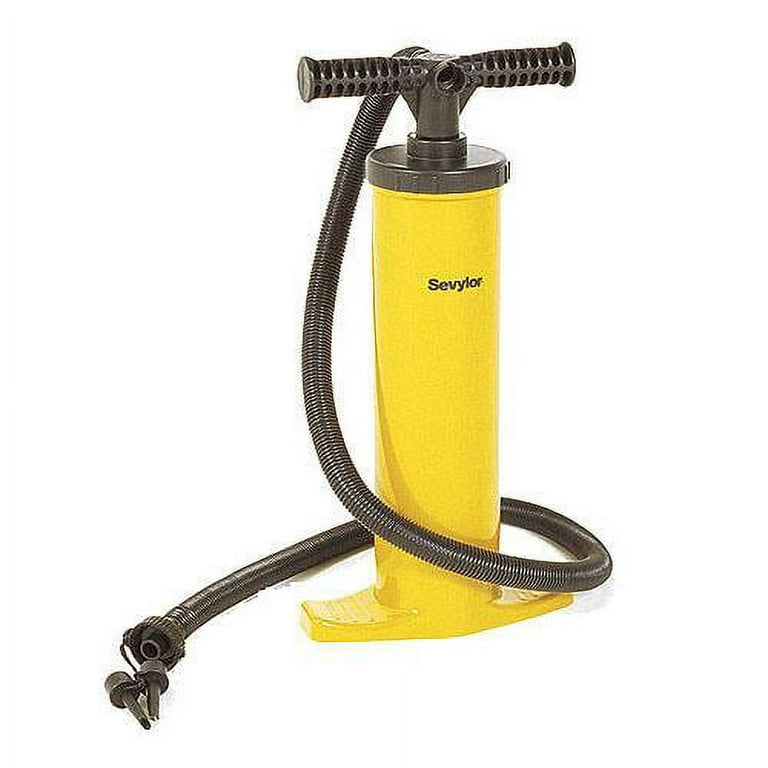
A paddle board pump is a hand or foot-operated device designed to fill inflatable boards with air. These pumps come in different types: single-action, double-action, and electric. The most common for stand-up paddle boards (SUPs) are manual pumps, which require physical effort but are reliable and portable. Each time you move the handle up or down, you are completing one “stroke”—and with each stroke, a certain volume of air is pushed into your board.
How Much Air Does A Paddle Board Pump Move Per Stroke?
The amount of air moved per stroke depends on the pump type and its design. Most standard manual SUP pumps move between 1.5 to 2.5 liters of air per stroke. Some high-capacity pumps can even reach up to 3.5 liters per stroke, while smaller, compact pumps may deliver less than 1 liter.
Here’s a quick look at typical air volume per stroke for different pump types:
| Pump Type | Air Moved Per Stroke (Liters) | Typical Use |
|---|---|---|
| Single-Action Manual | 1.5 – 2.0 | Basic SUPs |
| Double-Action Manual | 2.0 – 3.5 | Faster Inflation |
| Compact/Travel Pump | 0.8 – 1.2 | Lightweight, Emergency |
| Electric Pump | Varies (Continuous) | Effortless, Consistent |
The double-action pump is popular because it pushes air into the board both on the upstroke and the downstroke, making it much faster. Single-action pumps only move air on the downstroke.
Factors That Affect Air Volume Per Stroke
Several factors can change how much air your paddle board pump moves per stroke.
Pump Design And Cylinder Size
Larger cylinders hold more air, so they move more volume per stroke. A wide and tall pump can push more air with each movement, but it might also be harder to use as pressure increases.
Stroke Length
A full, deep stroke moves more air than a short, incomplete stroke. People often get tired and start making shorter strokes, which reduces efficiency.
Pressure Resistance
As the board fills and internal pressure increases, the resistance grows. Most manual pumps move maximum air at low pressure. As you reach higher PSI (pounds per square inch), the pump moves less air per stroke because it becomes harder to push.
Valve Efficiency
A good valve keeps the air from leaking out between strokes. If the valve is poor or dirty, you lose air with each pump, reducing the effective volume.
User Strength And Technique
Stronger users, or those who use proper body mechanics, can move more air by completing full, strong strokes. Incomplete strokes, common with fatigue or poor technique, reduce the amount of air delivered.
Why Air Volume Per Stroke Matters
The air volume per stroke determines how quickly and easily you can inflate your paddle board. If your pump moves more air, you’ll inflate the board faster and with less effort. If it moves less, the process will take longer, and you may tire out before reaching the required pressure.
Imagine you have to inflate a SUP that needs 300 liters of air. Using a pump that moves 2 liters per stroke, you’ll need 150 strokes. With a pump that only moves 1 liter, you’ll need 300 strokes—double the work.

Comparing Manual And Electric Pumps
Manual pumps are simple, portable, and don’t need power. However, they require physical effort, especially as pressure builds. Electric pumps are becoming more popular, especially for those who inflate boards often or have limited strength.
| Feature | Manual Pump | Electric Pump |
|---|---|---|
| Air Volume per Stroke | 1.5 – 3.5 liters | Continuous (varies by model) |
| Effort Required | High (especially above 10 PSI) | Low (just connect and wait) |
| Portability | Very portable | Less portable (needs battery or car plug) |
| Inflation Time | 5-10 minutes (board size dependent) | 5-10 minutes (board size dependent) |
Electric pumps don’t technically have “strokes,” but their air output per minute is often equal to or higher than manual pumps. However, many electric pumps can overheat if used for multiple boards in a row.
Real-world Examples: How Many Strokes To Inflate A Sup?
Let’s break down an example. Suppose your paddle board has a recommended inflation of 15 PSI and needs about 300 liters of air.
- Using a 2-liter per stroke pump: 150 strokes
- Using a 1-liter per stroke pump: 300 strokes
- Using a 3-liter per stroke pump: 100 strokes
But remember, the first part of pumping is easy—the air goes in quickly. The last 20% is the toughest, as pressure builds. Many people find the last 10 PSI the most difficult, and the effective air per stroke drops as resistance increases.
How To Maximize Pump Efficiency
Getting the most from your paddle board pump isn’t just about the equipment—it’s about using it well. Here are practical tips:
- Use Full Strokes: Always push the handle all the way down and pull it all the way up.
- Keep the Pump Steady: Place the pump on a flat surface and use your body weight for extra power.
- Check for Leaks: Make sure the hose and valve are tight. Air leaks waste your energy.
- Switch Modes If Possible: Many double-action pumps let you switch to single-action for high-pressure pumping. Use double-action at first, then single-action when it gets hard.
- Rest as Needed: If you get tired, take short breaks. Tired arms mean shorter, weaker strokes.
- Clean and Maintain: A clean, well-lubricated pump works more efficiently and lasts longer.
Common Mistakes People Make
Many beginners make errors that slow down the inflation process or tire them out quickly.
- Using short, fast strokes: This seems faster but moves less air.
- Ignoring the pump type: Using a small, travel-sized pump for a large board means a long, hard workout.
- Skipping maintenance: Sand or salt can clog the pump, reducing efficiency.
- Not switching modes: Forgetting to change from double to single-action as pressure builds makes the last stage much harder.
- Over-inflating or under-inflating: Not watching the pressure gauge can result in a board that is too soft or too stiff.
How To Choose The Right Pump
Selecting the right paddle board pump can make a big difference in your experience. Here are some factors to consider:
- Board Size and Volume: Bigger boards need more air. Choose a pump with higher air volume per stroke for large boards.
- Physical Strength: If you have less upper body strength, a double-action pump or electric pump is easier.
- Portability: If you travel a lot, consider a compact pump, but know it will take more strokes.
- Pump Quality: Look for durable materials and a strong hose.
- Included Accessories: Some pumps come with multiple nozzles or adapters.
- Pressure Gauge: Always choose a pump with a reliable gauge, so you don’t guess PSI.
Remember, not all pumps fit all boards. Check the valve compatibility before buying.
Is There An Ideal Air Volume Per Stroke?
There’s no single “best” air volume per stroke for everyone. It depends on your body strength, the size of your board, and how quickly you want to get on the water. For most adult paddlers inflating a standard SUP, a 2 to 3-liter per stroke pump offers the best mix of speed and effort. If you use a smaller pump for portability, be prepared for more strokes and a longer inflation time.

Advanced Tips: Getting The Most From Your Pump
Here are two tips most people miss:
- Warm Up Your Pump: If your pump is cold (from storage or cool weather), it may work less smoothly. Pump a few slow strokes to “warm up” the seals and cylinder for better efficiency.
- Upgrade the Hose: A stiff or leaky hose can cut efficiency. Some brands sell reinforced or flexible hoses that make pumping much easier and reduce air loss.
These small changes can make a noticeable difference, especially if you paddle board often.
How Paddle Board Inflation Compares To Other Inflatables
If you’ve ever inflated an air mattress or a pool float, you might think paddle boards are similar. In reality, SUPs need much more air at a much higher pressure. Most air mattresses use less than 0.5 PSI, while SUPs require 12–20 PSI. That’s why SUP pumps are designed for both high volume and high pressure, which is rare in other inflatables.
When To Upgrade To An Electric Pump
If you paddle frequently, inflate multiple boards, or simply want to save energy for paddling, an electric pump can be a smart investment. Modern electric SUP pumps are compact and can be powered by your car or a portable battery.
They can fill most boards in the same time as a manual pump—with zero effort from you.
For more about electric pumps and their specs, you can check resources like the Wikipedia page on standup paddleboarding.
Frequently Asked Questions
How Do I Know How Much Air My Pump Moves Per Stroke?
Most manufacturers list the air volume per stroke in the pump’s specs. If not, you can estimate by pumping air into a measured container or checking paddle board forums for your pump model.
Is A Higher Air Volume Per Stroke Always Better?
Not always. Pumps with very high air volume are great for quick inflation but become difficult to use as pressure rises. For the final PSI, a lower-volume pump or single-action mode is often easier.
Can I Use A Bike Pump To Inflate My Paddle Board?
Bike pumps are designed for high pressure but low volume. It would take a very long time to inflate a SUP with a bike pump, and the valve may not fit. It’s best to use a SUP-specific pump.
Why Does The Pump Get Harder To Push As I Inflate?
As the board’s internal pressure increases, resistance grows. This is normal. That’s why many SUP pumps have a double/single-action switch—to make the final stage easier.
How Can I Make Pumping Easier If I Have Limited Strength?
Use full body weight, keep arms straight, and bend your knees. Consider a double-action pump, or upgrade to an electric pump for effortless inflation.
Pumping up your paddle board is the first step to a great day on the water. Understanding how much air your pump moves per stroke—and how to use it efficiently—can save time and energy. With the right pump and a few smart techniques, you’ll spend less time on the shore and more time paddling.
