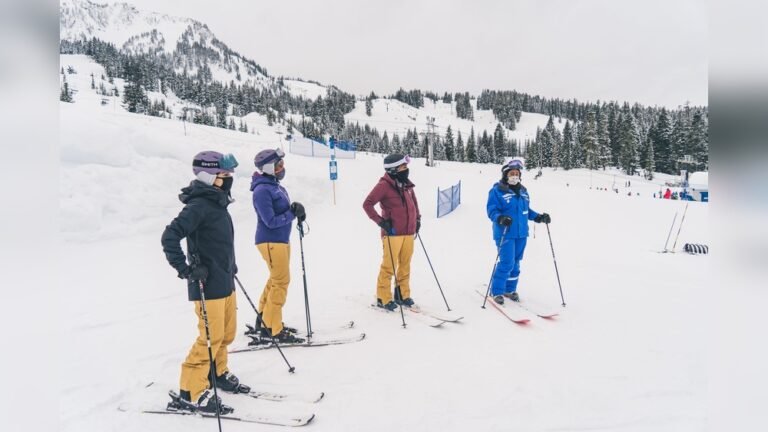
Learning how to ski is an exciting adventure, but many beginners wonder: How many days does it take to learn basic skiing? The answer can vary, but with the right guidance and mindset, most people can expect to make significant progress in a short time. If you dream of gliding down snowy slopes without falling every few meters, you’ll want to know what “basic skiing” really means, what factors influence your learning speed, and how to make the most of your days on the mountain. Let’s break down everything you need to know about the journey from total beginner to confident skier.
What Does “basic Skiing” Mean?
Before counting days, it’s important to define basic skiing. For most people, this means:
- Putting on ski gear by yourself
- Using the ski lift safely
- Controlling your speed on green (beginner) slopes
- Making simple turns (snowplough or wedge turns)
- Stopping confidently
- Getting up after a fall
Reaching this level doesn’t mean you’re ready for steep or icy slopes, but it does mean you can enjoy a day at a ski resort without constant help. Understanding this goal will help you track your progress and set realistic expectations.
How Many Days Do Most Beginners Need?
The big question: How long does it take to learn basic skiing? For most adults, the answer is 2 to 5 days of lessons and practice. Children often learn even faster, but sometimes need more supervision for safety.
Why this range? Here’s what you can expect:
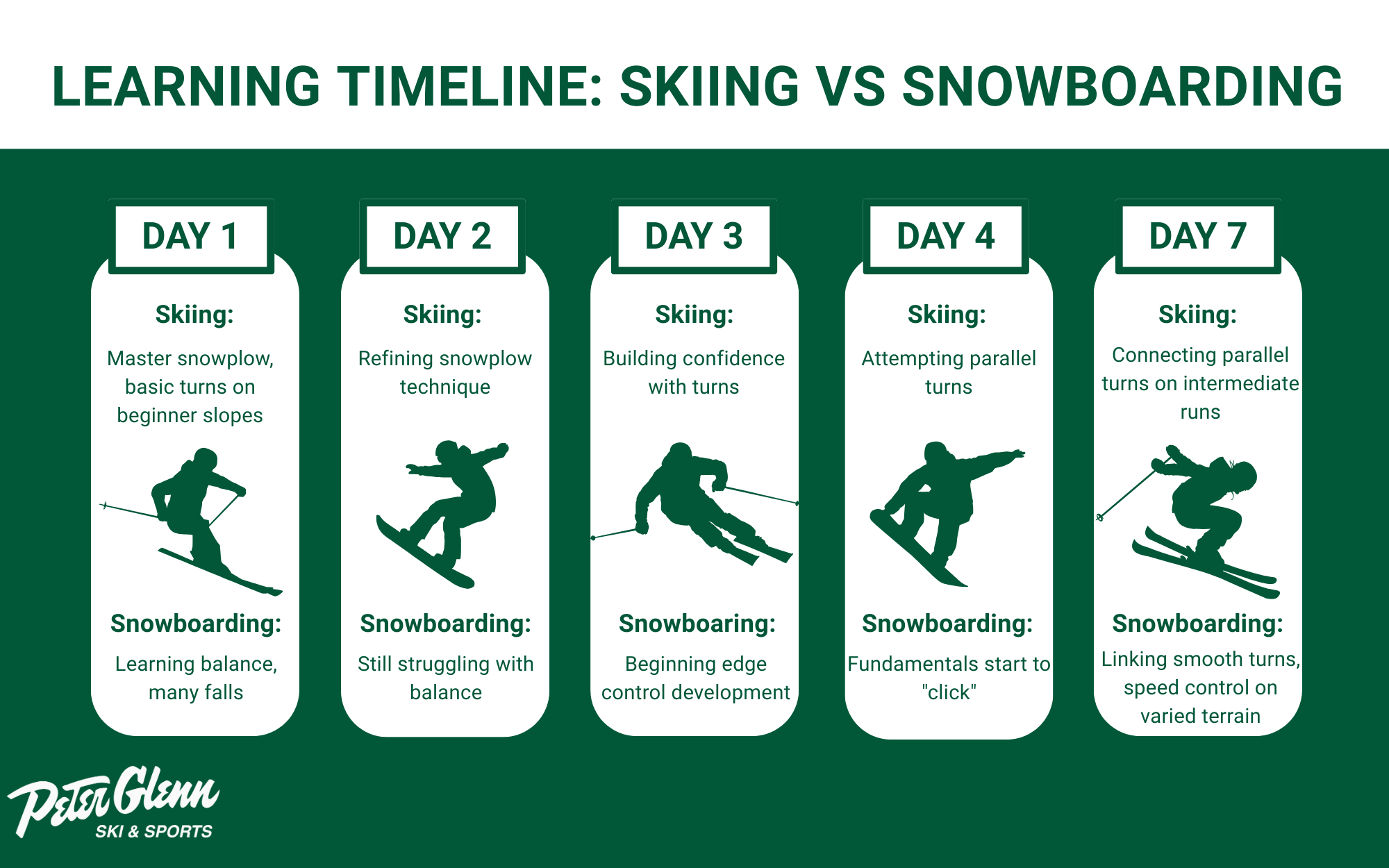
- Day 1: Learning how to wear ski boots, attach skis, stand, and slide on flat snow. By the end, you’ll probably manage short slides and maybe a basic stop.
- Day 2: Practicing snowplough (wedge) turns and stops on a gentle slope. You’ll likely try a beginner ski lift.
- Day 3: Gaining confidence. Turning, stopping, and controlling your speed on green runs. Fewer falls.
- Day 4-5: Smoother, more natural movements. Starting to link turns and use the lift independently.
Two key insights:
- Progress is not always smooth—some people plateau for half a day, then improve quickly.
- The first day usually feels the hardest. Day two feels much easier because your body starts to understand basic balance.
Factors That Affect Your Learning Speed
Not everyone learns to ski at the same pace. Here are some factors that can speed up or slow down your progress:
1. Fitness Level
If you’re reasonably fit, you’ll find skiing easier. Strong legs and core muscles help you balance and recover from slips. But you don’t need to be an athlete—most healthy adults can manage.
2. Age
Children often pick up skiing quickly because they’re less afraid of falling. Adults can learn just as well, but may need more time to build confidence.
3. Previous Experience
People who have tried ice skating, rollerblading, or snowboarding often learn faster because they’re used to sliding and balancing.
4. Quality Of Instruction
Taking lessons with a professional instructor speeds up learning. Friends can help, but trained teachers know how to correct mistakes and build good habits.
5. Snow And Weather Conditions
Soft, fresh snow is more forgiving for beginners. Icy or slushy snow makes learning harder and increases the risk of falling.
6. Personal Mindset
A positive, patient attitude is key. Getting frustrated or scared slows your progress. Celebrate small wins, and don’t compare yourself to others.
A Typical Beginner’s Learning Curve
To understand what your first days might look like, here’s a sample timeline:
| Day | Main Skills Learned | Common Mistakes |
|---|---|---|
| 1 | Putting on skis, sliding, basic stopping | Falling while standing up, leaning back |
| 2 | Snowplough turns, using magic carpet lift | Crossing skis, losing balance in turns |
| 3 | Linking turns, controlling speed on green slope | Not bending knees, overthinking movements |
| 4 | Confident turns, smooth stops, using regular ski lifts | Occasional falls, forgetting to look ahead |
| 5 | Independent skiing on green runs, improved balance | Minor technique errors, tiredness |
Most people reach the “comfortable on green slopes” level by the end of day 3 or 4. A few need more time, especially if conditions are tough.
Group Vs. Private Lessons: Which Is Better?
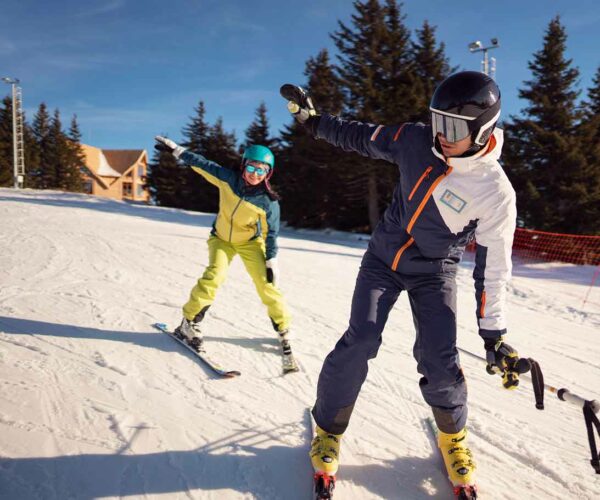
How you learn matters almost as much as how long you practice. Should you choose group lessons or private lessons?
| Lesson Type | Pros | Cons |
|---|---|---|
| Group | Cheaper, fun with others, less pressure | Less personal attention, slower pace if group is big |
| Private | One-on-one feedback, faster progress, flexible pace | More expensive, less social |
If your goal is to learn basic skiing as quickly as possible, private lessons are the best choice. But group lessons are more affordable and can be more enjoyable for some.
Common Challenges Beginners Face
Many new skiers are surprised by a few things:
- Ski boots are stiff and heavy. Walking in them feels odd at first. This gets better after a few hours.
- Getting up after a fall is tricky. Most beginners struggle with this. Instructors can teach you the right way.
- Fear of speed. It’s normal to worry about going too fast. Learning to control your speed early makes skiing more fun.
- Tiredness. Skiing uses muscles you might not use every day. Take breaks and drink water.
Don’t worry if you face these issues. With practice, they become easier, and you’ll feel much more confident after a few days.
Practical Tips To Speed Up Your Learning
Want to learn faster? Here are some effective strategies:
- Take lessons from a certified instructor for at least your first two days.
- Practice balancing at home. Standing on one foot or using a balance board helps your body prepare.
- Wear proper ski socks and clothing to stay warm and comfortable.
- Watch beginner skiing videos before your trip to understand the movements.
- Get plenty of sleep—fatigue slows your reaction time and learning.
A less obvious tip: Try to relax your body, especially your knees and ankles. Many beginners stiffen up, which makes falls more likely.
How To Prepare Before Your Ski Trip
Preparation can save you a lot of frustration:
- Book lessons in advance. Popular resorts fill up quickly.
- Rent equipment from a reputable shop. Well-fitted boots and skis make a big difference.
- Check the weather. If possible, pick days with mild temperatures and fresh snow.
- Stretch and strengthen your legs with simple exercises like squats and lunges.
If you have any medical concerns, talk to your doctor before skiing.
The Role Of Resort Size And Facilities
Not all ski resorts are the same. Larger resorts often have better beginner areas, magic carpet lifts, and more gentle slopes. Smaller resorts can be less crowded and easier to navigate. Check if the resort has a dedicated beginner area—this makes learning safer and more enjoyable.
Why Some People Learn Faster
You might see someone skiing confidently after just two days. Why? Besides the factors already mentioned, here’s what you may not realize:
- Fearlessness helps. Young children and some adults have little fear of falling, which speeds up learning.
- Listening to feedback. Those who actively listen to instructors and correct mistakes improve faster.
- Taking enough breaks. Short, regular rests keep your energy (and mood) high.
Remember, comparing yourself to others can be discouraging. Focus on your own journey.

When Are You “ready” For The Next Level?
Once you can ski green slopes comfortably, you might be tempted to try blue (intermediate) runs. Wait until you can:
- Link turns smoothly without stopping
- Control your speed easily
- Stand up after a fall without help
- Feel confident on all green slopes
Moving too quickly to harder runs is the number one cause of accidents for beginners.
Learning As An Adult Vs. Learning As A Child
Adults sometimes worry that it’s “too late” to learn skiing. In reality, adults can learn just as well—sometimes better, since they listen to instructions and pay attention to safety. The main challenge for adults is fear of falling. For children, the biggest challenge is staying focused.
Both groups usually reach basic skiing level in the same number of days, though children may progress faster if they’re comfortable with snow.
How To Avoid Common Beginner Mistakes
Here are some pitfalls to avoid:
- Skipping lessons. Self-teaching often leads to bad habits.
- Wearing the wrong gear. Cold, wet clothing ruins the experience.
- Trying steep slopes too soon. Stick to beginner areas until you’re truly ready.
- Not drinking water. Dehydration is common at altitude.
- Ignoring fatigue. Rest before you get too tired to avoid injury.
If you avoid these mistakes, your progress will be smoother and more enjoyable.
What If You Don’t Learn In 5 Days?
Some people need more time, and that’s okay. Learning to ski is not a race. If you’re struggling, consider taking a rest day or switching instructors. Sometimes a new teaching style makes all the difference. Remember, every extra day on the snow improves your skills and confidence.
Resources For Further Learning
For those who want to dive deeper, organizations like the International Ski Federation offer more details about skiing techniques, safety, and events.
Frequently Asked Questions
How Many Hours Per Day Should I Practice As A Beginner?
Most beginners do well with 2 to 4 hours of lessons or practice each day. After this, tiredness sets in and progress slows. It’s better to take breaks and enjoy the experience than push too hard.
Is Skiing Dangerous For Complete Beginners?
Skiing has risks, but beginner slopes are designed to be safe. Wearing a helmet, taking lessons, and following resort rules reduces your risk of injury. Most beginners only experience minor falls and bruises.
Can I Learn Skiing Without An Instructor?
It’s possible, but not recommended. Instructors teach correct technique and help you avoid common mistakes. Self-taught skiers often struggle with confidence and develop bad habits that are hard to fix later.
How Do I Know If I’m Ready For Intermediate Slopes?
You’re ready when you can turn, stop, and control your speed on all green (beginner) runs without falling or freezing up. Ask your instructor for feedback if you’re unsure.
What Should I Wear For My First Ski Lesson?
Wear waterproof pants and jacket, thermal layers, ski socks (not cotton), gloves, and a helmet. Don’t forget goggles or sunglasses for eye protection. Renting proper gear is better than using regular winter clothes.
Skiing is a skill that rewards patience and practice. Whether you need two days or five to learn the basics, you’ll soon be enjoying the thrill of the mountains. Remember, every expert was once a beginner—and your first turns are the start of a lifetime of adventure.
