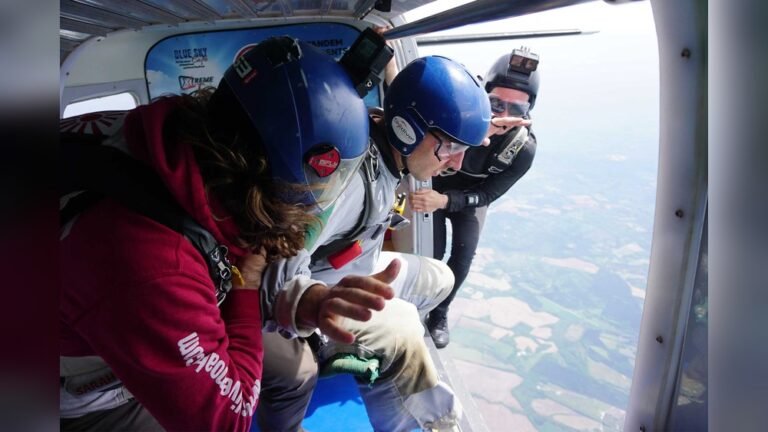
Learning to skydive is a thrilling journey that brings excitement, nerves, and a sense of freedom. Many people dream about jumping from a plane, but wonder: How long does it take to learn skydiving? The answer depends on your goals, your progress, and how much time you can dedicate. Whether you want to try skydiving just once, or become a licensed solo jumper, the path is clear but requires both time and commitment. This guide will explain every step, from your very first jump to earning your skydiving license. By the end, you’ll know exactly what to expect, how long it takes, and tips to learn faster and safer.
Different Paths To Learning Skydiving
The time it takes to learn skydiving depends on what you want to achieve. There are three main paths:
- Tandem jump experience – For people who want to try skydiving once, with an instructor.
- Solo skydiving (first jump) – For those who want to jump solo after training.
- Becoming a licensed skydiver – For those who want to jump alone, unsupervised, and join the skydiving community.
Each path requires a different amount of time, training, and practice.
Tandem Skydiving: The Fastest Way To Experience Skydiving
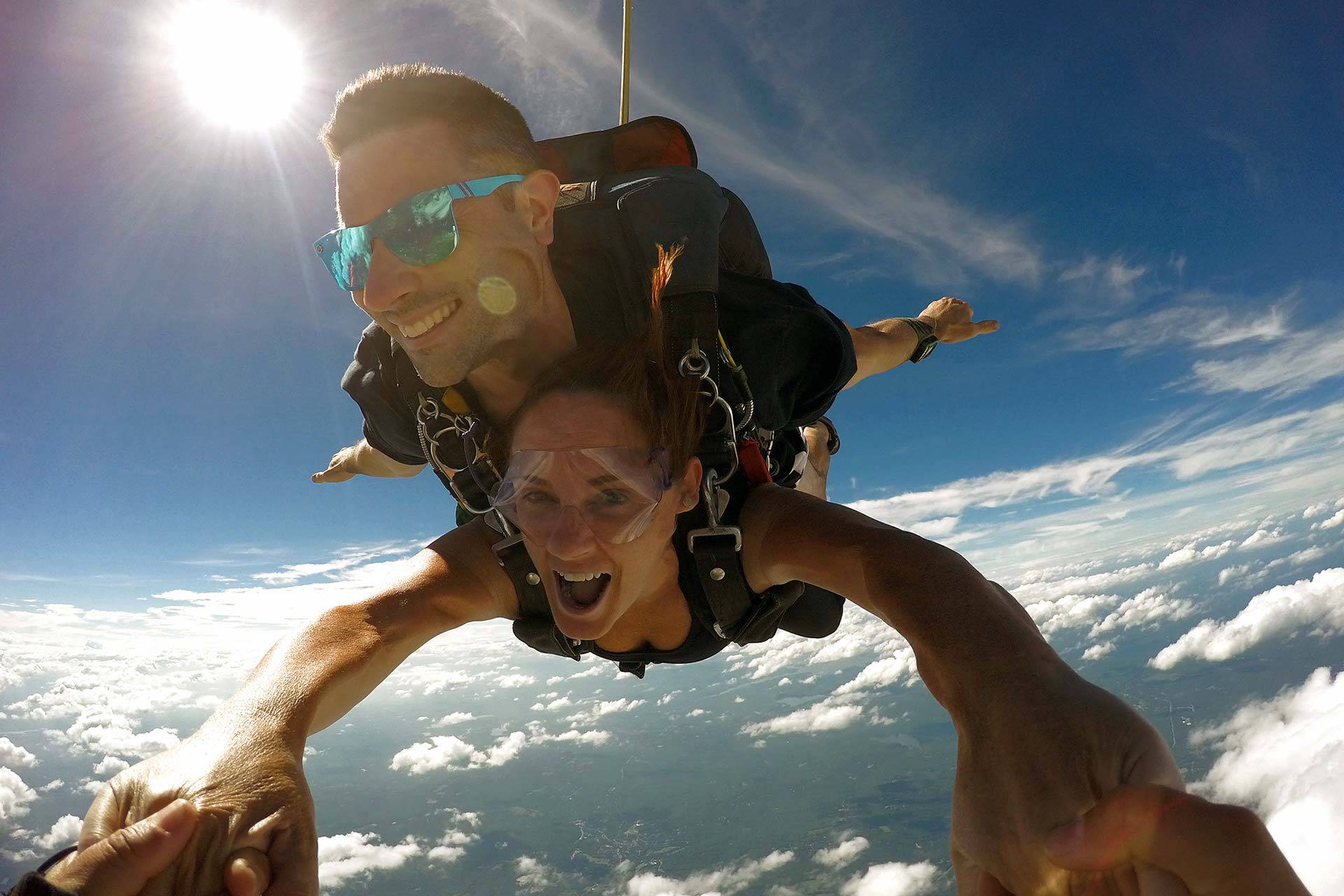
If you want to experience skydiving quickly, tandem skydiving is the best choice. In a tandem jump, you are attached to a trained instructor who controls everything. You don’t need any special skills or experience.
- Training time: 15–30 minutes
- Jump time: Around 5–7 minutes of freefall and canopy ride
- Total time at the dropzone: 2–3 hours (including paperwork, waiting, and the jump)
You’ll learn basic information, like body position and safety, then jump together with your instructor. Most people can experience their first skydive within a single morning or afternoon.
What You Learn In Tandem Training
- How to wear the harness and equipment
- How to exit the plane safely
- The correct body position for freefall
- Landing instructions
There’s no test or solo skills required. Tandem is perfect if you want to try skydiving without a big time investment.
Solo Skydiving: The Aff Course
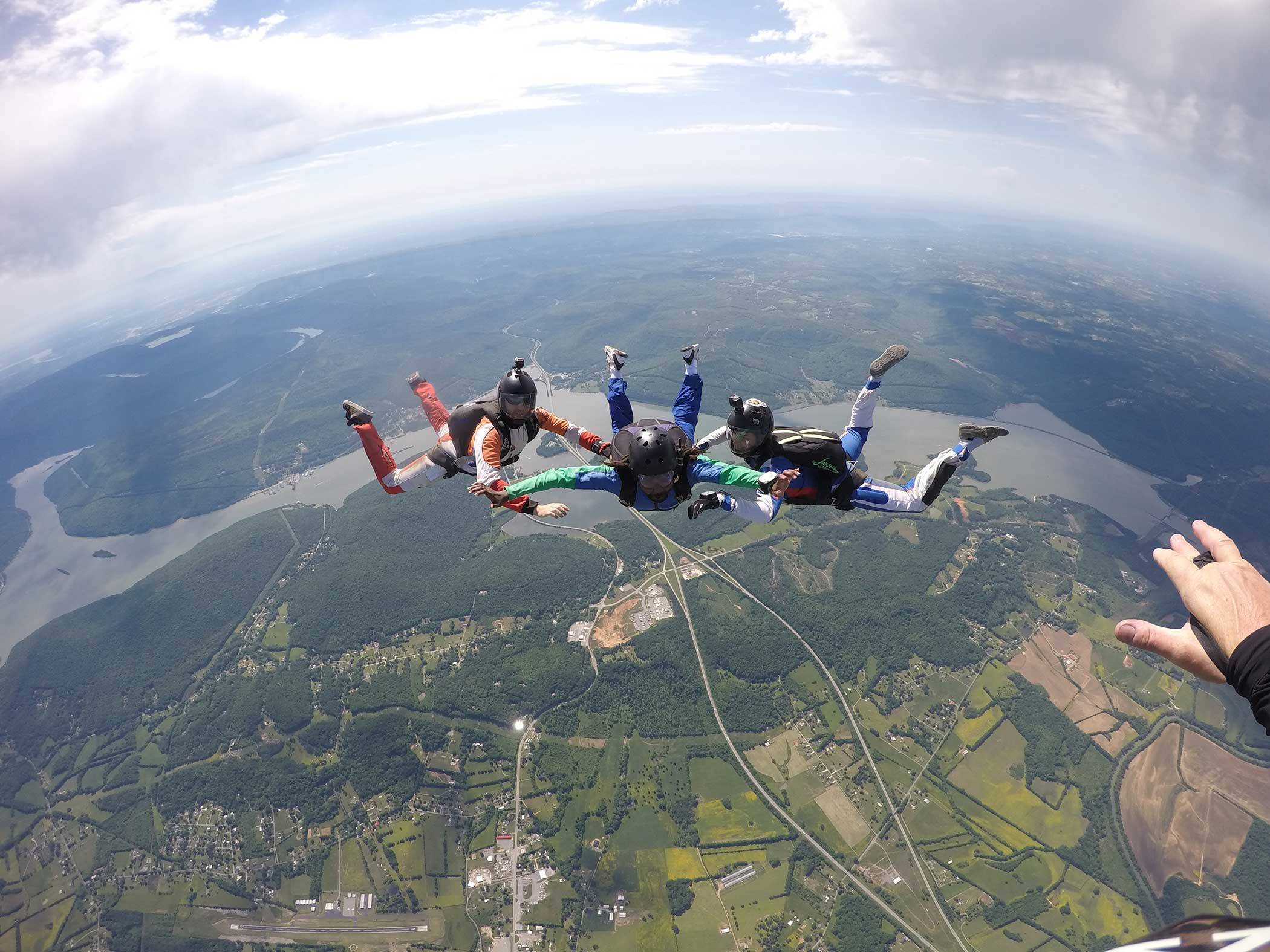
If you want to skydive solo, you must complete ground training and supervised jumps. The most common way is the Accelerated Freefall (AFF) course.
What Is The Aff Course?
The AFF course is an international program approved by the United States Parachute Association (USPA) and other organizations. It teaches you to jump solo, control your body in freefall, deploy your parachute, and land safely.
How Long Is Aff Training?
- Ground school: 4–8 hours (usually one day)
- Minimum supervised jumps: 7 jumps (Levels 1–7)
- Time to complete all jumps: 2 days to 3 weeks, depending on weather, personal progress, and dropzone schedule
Some students finish in a weekend, others take several weeks. If you have time and good weather, you can finish the first solo jump in one or two days.
Aff Training Steps
- Ground school – One full day of training on the ground, covering equipment, safety, body position, and emergency procedures.
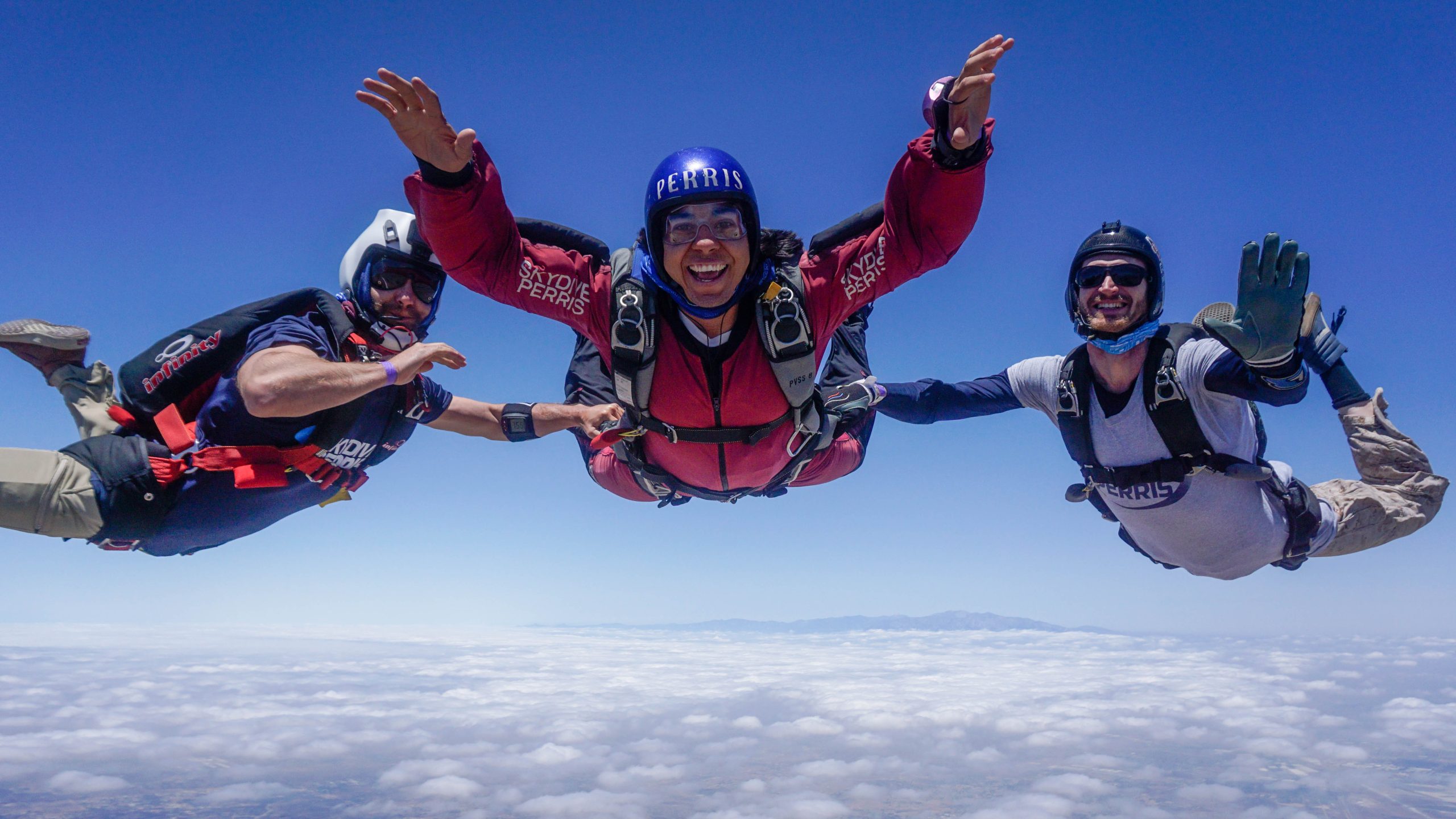
- Level 1–3 jumps – Jump with two instructors holding you during freefall.
- Level 4–7 jumps – Jump with one instructor; you perform more skills on your own.
- Graduation – After passing all levels, you can jump solo under supervision.
What Slows Down Aff Progress?
- Bad weather (rain, clouds, wind) can cause delays.
- Nerves or hesitation may make students repeat jumps.
- Dropzone busyness – Weekends are busy, so weekdays can be faster.
- Physical fitness – Good fitness helps you learn and react faster.
Example Aff Timeline
| Step | Minimum Time | Typical Range |
|---|---|---|
| Ground School | 1 day | 1 day |
| First AFF Jump | Same day as ground school | 1–3 days |
| All 7 AFF Jumps | 2 days | 1–3 weeks |
Getting Your Skydiving License
Learning to skydive truly means earning your A License. This license allows you to jump solo without supervision at almost any dropzone in the world.
A License Requirements
- Minimum jumps: 25 (including AFF jumps)
- Training: Pass all AFF levels, complete additional solo jumps, learn advanced skills
- Tests: Pass a written exam and a practical skills test
How Long To Get The A License?
- Fastest time: 2–4 weeks (if jumping daily and weather is good)
- Average time: 2–4 months (if jumping on weekends)
- Maximum time allowed: Some dropzones require you to finish within 12 months
Most people need 25–30 jumps to build skill and confidence. Weather, budget, and personal time affect progress.
A License Training Breakdown
| Step | Number of Jumps | Skills Learned |
|---|---|---|
| AFF Course | 7 | Basic freefall, canopy control, safety |
| Solo Supervised Jumps | 10–15 | Turns, tracking, stability, accuracy |
| Group Jumps | 3–5 | Flying with others, formation |
| License Test Jump | 1 | Demonstrate all skills |
Costs And Time Commitment
- Each jump takes: 30–60 minutes (including prep, flight, and landing)
- Training days: Plan for half or full days at the dropzone
- Budget: $3,000–$4,000 for 25 jumps (varies by location)
Factors That Affect Learning Speed
Not everyone learns skydiving at the same speed. Here are the main factors that change how long it takes:
Weather And Location
Bad weather is the most common reason for delays. Skydiving is only possible in clear skies and safe winds. Some areas have longer skydiving seasons (spring to fall), while others offer year-round jumps.
Dropzone Schedule
Busy dropzones may have long waits, especially on weekends. Choosing less crowded times can help you finish faster.
Personal Schedule And Budget
People with more free time and a bigger budget can progress quickly. Those who can jump only on weekends or must save between jumps will need more time.
Physical And Mental Preparation
Good fitness helps with landings, stability, and carrying gear. Staying calm and focused speeds up learning. Nervousness is normal, but practice and preparation help.
Instructor Availability
Experienced instructors make a big difference. If your dropzone has many instructors, you can move through training faster.
Common Beginner Mistakes That Slow Progress
New skydivers often face problems that make learning take longer. Here are two common issues people miss:
- Taking long breaks between jumps: If you wait weeks between jumps, you forget skills and may need to repeat training.
- Ignoring ground practice: Some skip ground drills, but practicing exits, body position, and emergency procedures on the ground makes real jumps easier and safer.
Staying consistent and practicing on the ground can cut weeks off your learning time.
How To Learn Skydiving Faster And Safer
If you want to finish your skydiving training quickly, here are some proven tips:
- Book jumps in advance to secure your spot, especially during busy seasons.
- Ask for video debriefs – Watching your jumps helps you improve faster.
- Practice arching and landing rolls at home or on a mat. Muscle memory helps in the air.
- Stay healthy and rested – Fatigue slows learning and reaction time.
- Communicate with instructors – Ask for feedback and clarify doubts.
One less obvious tip: Join a skydiving community online. Sharing experiences and advice with others can boost your confidence and help you avoid mistakes.
Comparison: Aff Vs. Static Line Vs. Tandem
There are several ways to learn skydiving. The three most popular are AFF, Static Line, and Tandem. Here’s how they compare:
| Method | First Jump Time | Solo Jump Possible? | Best For |
|---|---|---|---|
| AFF | 1–2 days | Yes (after ground school) | People who want to skydive solo |
| Static Line | 1 day | Yes (parachute opens automatically) | Budget-focused students |
| Tandem | 2–3 hours | No | First-timers/one-time experience |
The Path Beyond: Advanced Licenses And Skills
After your A License, you can keep learning:
- B, C, and D Licenses – Allow more advanced jumps, night jumps, and coaching.
- Specializations – Formation skydiving, freeflying, wingsuit, camera flying.
Each level has its own requirements. Most advanced licenses take several months to years, depending on jump frequency.
Is Learning Skydiving Safe?
Skydiving is safer than many people think. Modern gear, strict rules, and professional instructors make student jumps very safe. According to the USPA, in 2021 there were only 0.28 fatalities per 100,000 jumps in the US. Most injuries happen from poor landings, which are rare if you follow your training.
One non-obvious safety tip: Listen to your body and never jump if you feel unwell. The sky will always be there for your next jump.
Frequently Asked Questions
How Fit Do I Need To Be To Learn Skydiving?
You don’t need to be an athlete, but basic fitness helps. You should be able to walk, jog, and lift about 25–30 pounds (the weight of the gear). Good flexibility helps with landings. If you have health issues, check with your doctor first.
Can I Skydive If I Am Afraid Of Heights?
Yes. Many skydivers started with a fear of heights. The feeling in the plane is different from standing on a ladder or building. Most people say the fear goes away after the first jump.
How Old Do I Have To Be To Start Skydiving?
In most countries, the minimum age is 18 years. Some places allow younger jumpers with parental consent, but always check local laws and dropzone rules.
How Much Does It Cost To Learn Skydiving?
A full AFF course and 25 jumps (to get your license) usually cost $3,000–$4,000 in the US. Tandem jumps cost $200–$300. Prices vary by country and dropzone.
Where Can I Find More Information About Skydiving Training And Safety?
The United States Parachute Association (USPA) is a trusted resource for skydiving training, safety, and dropzone listings. Visit their official site at USPA.
Learning to skydive is an unforgettable adventure. Whether you want a one-time thrill or a lifetime hobby, the process is clear—and much faster than many people imagine. With focus, practice, and the right guidance, you can be jumping out of planes solo in just a few weeks.
The sky is waiting for you!
