
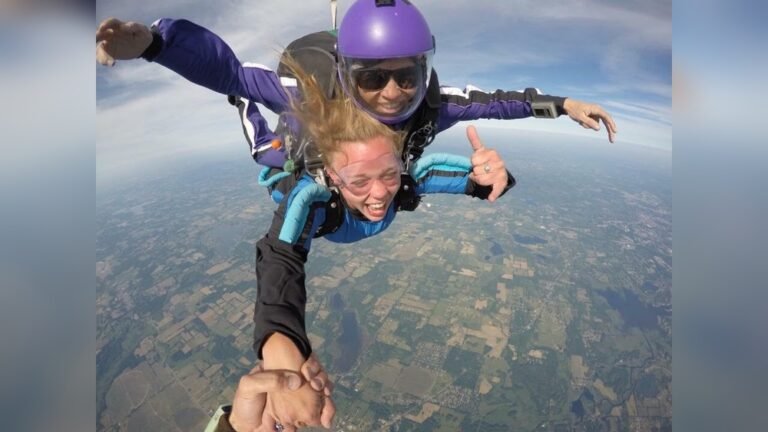
Skydiving is an adventure sport that catches the imagination of many. The idea of jumping out of an airplane and free-falling through the sky excites and scares people at the same time. But one question often comes up, especially for beginners: how high do you jump when skydiving? The answer is more interesting than you might expect. The altitude you jump from affects everything—from how long you freefall, to what you see, to the safety rules involved. Understanding this can help you prepare for your first jump or satisfy your curiosity about this thrilling sport.
Let’s break down skydiving altitudes, why they matter, and what you can expect at different jump heights.
What Is The Standard Skydiving Jump Height?
Most tandem skydives—where you jump attached to an instructor—happen between 10,000 and 14,000 feet above the ground. This range is popular around the world. Why? Because it gives enough time to enjoy the rush of freefall, while keeping the plane ride and cost reasonable.
At 10,000 feet, you’ll freefall for about 30 seconds before your parachute opens. At 14,000 feet, the freefall lasts closer to 60 seconds. The higher you go, the longer you fall, and the more intense the experience.
But 10,000–14,000 feet isn’t a strict rule. Some drop zones offer jumps as low as 8,000 feet or as high as 18,000 feet. The exact altitude depends on airspace rules, plane type, weather, and how much you’re willing to pay.
Why Altitude Matters In Skydiving
Altitude is not just a number—it changes your entire jump. Here’s why:
- Freefall Time: Higher jumps mean more time falling before opening your parachute.
- Scenery: From higher up, you see more land, clouds, and sometimes even the curve of the earth.
- Adrenaline: Longer freefalls give you more time to enjoy (or survive!) The thrill.
- Safety: Some altitudes require extra oxygen, special gear, or more training.
A jump from 8,000 feet feels very different from one at 15,000 feet. Most first-time jumpers are surprised how much more intense a 14,000-foot jump feels compared to a lower one.
Common Skydiving Altitudes Explained
Let’s look at the most common jump heights and what each one offers.
1. 8,000–10,000 Feet
This is the lowest altitude you’ll usually find for a “full experience” skydive. At 8,000 feet, you get about 20 seconds of freefall. It’s over fast, but still gives you a taste of the rush. These jumps are sometimes cheaper, but most people prefer a bit more height.
2. 10,000–12,000 Feet
This is the classic altitude at smaller drop zones. You’ll get 30–40 seconds of freefall. It’s enough to enjoy the fall and get comfortable with the sensation. Many first-time jumpers start here, especially in places where airspace is limited.
3. 13,000–14,000 Feet
This is the “sweet spot” for most jumpers. At 13,000–14,000 feet, you experience 50–60 seconds of freefall. That’s a full minute of wind in your face, heart in your throat, and sights all around you. Most professional drop zones and skydiving schools offer this height as their standard.
4. 15,000–18,000 Feet
Some locations let you jump from even higher—up to 18,000 feet. These jumps are rare and usually cost more. You need oxygen masks above 15,000 feet, because the air is thin. Freefall can last 75–90 seconds. The view is stunning, and the thrill is unmatched.
5. Specialty Jumps (above 18,000 Feet)
Only expert skydivers or special events offer jumps above 18,000 feet. These require special training, oxygen, and often government permission. For example, record jumps have been made from over 100,000 feet, but these are not open to the public.
Tandem Vs. Solo Skydiving: Does The Height Change?
Most beginners do a tandem skydive—strapped to an instructor. Tandem jumps usually happen at 10,000–14,000 feet for safety and comfort.
Solo skydivers—those with training and a license—can often choose their jump altitude, depending on weather, aircraft, and drop zone rules. Some solo jumpers go lower for practice, while others go higher for fun.
Comparing Freefall Times At Different Heights
How long you freefall depends on your altitude. Here’s a quick look:
| Jump Height (Feet) | Freefall Time (Seconds) | Oxygen Needed? |
|---|---|---|
| 8,000 | 20 | No |
| 10,000 | 30 | No |
| 12,000 | 40 | No |
| 14,000 | 60 | No |
| 15,000 | 75 | Yes |
| 18,000 | 90 | Yes |
As you can see, a jump from 14,000 feet gives you double the freefall time compared to 8,000 feet. But above 15,000 feet, special safety steps are needed.
What Affects Jump Altitude?
Not every drop zone can offer the same heights. Here’s why:
- Airspace Restrictions: Some airports and cities have strict rules.
- Aircraft Performance: Smaller planes can’t always climb as high.
- Weather: Strong winds, clouds, or storms limit safe altitude.
- Cost: Higher jumps use more fuel, which means higher prices.
Always check with your drop zone for their exact altitudes.
The World’s Highest Skydives
For those who love records, some skydives have gone far beyond normal. The Red Bull Stratos project sent Felix Baumgartner to 128,100 feet in 2012, setting the world record for the highest skydive. He needed a space suit and special capsule to survive.
Most “high altitude” jumps for experts are in the range of 25,000–30,000 feet, with oxygen tanks and months of training. These are not for first-timers.
Skydiving Altitude And Safety
Jumping from higher altitudes is exciting, but safety is the top priority. Here’s what you should know:
- Oxygen: Above 15,000 feet, the air is too thin. Lack of oxygen can make you feel dizzy or even pass out. That’s why oxygen masks are used.
- Temperature: It gets much colder as you go up. At 14,000 feet, temperatures can be 20–30°F colder than on the ground.
- Equipment: Parachutes must be packed and checked carefully for high jumps.
- Training: Only licensed skydivers are allowed to jump alone from higher altitudes.
Beginners should stick with standard heights until they have more experience.
How Skydiving Altitude Affects The Experience
Jumping from 10,000 feet and 14,000 feet may not seem like a big difference, but it feels huge. At lower heights, the freefall is over quickly, and you spend more time under the parachute. At higher altitudes, you have more time to adjust, enjoy, and even do tricks (for experienced jumpers).
Higher jumps also mean you see more scenery—like distant mountains, lakes, or even coastlines. Some people say the “rush” is much stronger at 14,000 feet or above.
Skydiving Altitude Around The World
Different countries and regions have their own common jump heights. Here’s a quick comparison:
| Country | Typical Jump Altitude (Feet) | Notes |
|---|---|---|
| USA | 13,000–14,000 | Most popular for tandem jumps |
| Australia | 14,000–15,000 | Some of the highest commercial jumps |
| UK | 10,000–12,000 | Lower airspace limits |
| New Zealand | 12,000–16,500 | Famous for high-altitude scenic jumps |
| Dubai | 13,000 | Iconic urban jumps |
This variety means you can find the right experience for your comfort level and budget.
How To Choose The Best Altitude For You
If you’re new to skydiving, here’s how to decide:
- First Jump? Go for 10,000–14,000 feet. This is safe, affordable, and gives you enough freefall to enjoy.
- Looking for More Thrill? Try 14,000 feet or higher if your drop zone offers it.
- On a Budget? Shorter jumps (8,000–10,000 feet) are often cheaper.
- Ready for a Challenge? Once you are licensed, you can try higher jumps with oxygen.
Remember, the most important thing is to feel comfortable and safe.
Non-obvious Insights About Skydiving Altitude
Many beginners believe higher means always better. But that’s not always true.
- Higher jumps can be overwhelming. If you are nervous, a shorter freefall might be easier to handle for your first time.
- Weather changes quickly with altitude. Clouds or wind that are not visible from the ground can affect your jump. Always trust your instructor’s advice about safe heights.

What To Expect On Your First Skydive
Here’s a simple breakdown of the experience:
- Briefing: You’ll learn safety and what to do in the plane.
- Suit Up: Get your jumpsuit, harness, and gear.
- Plane Ride: Climb to your jump height. This takes 10–20 minutes.
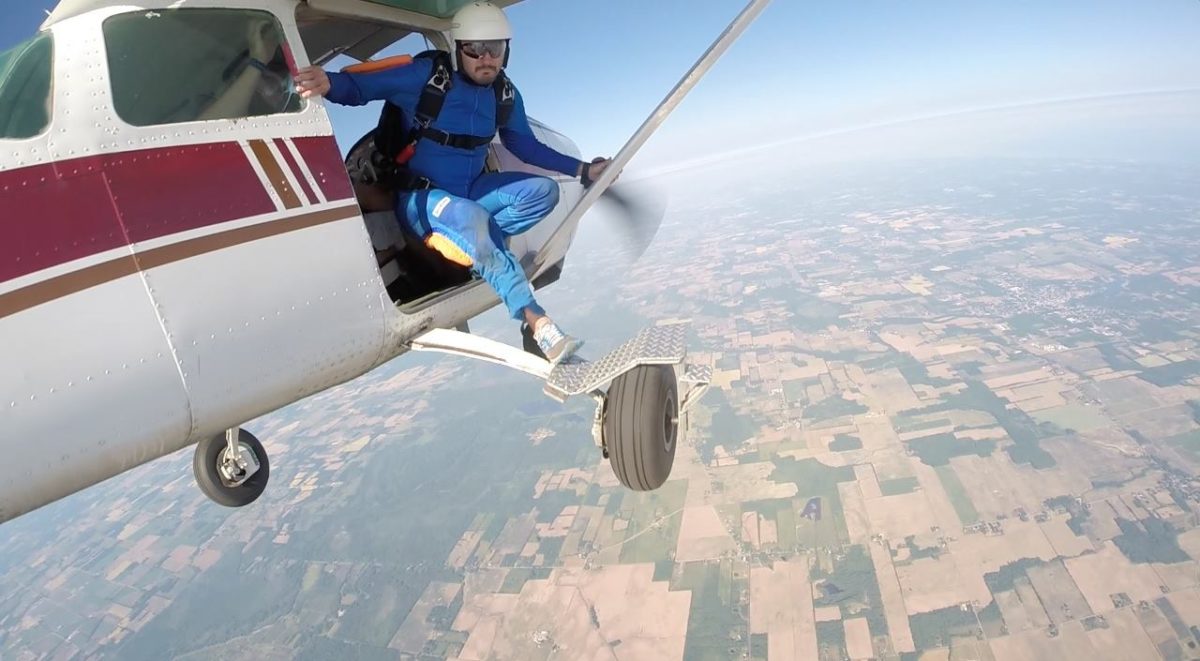
- The Jump: At the right altitude, you move to the door and leap!
- Freefall: Enjoy the rush for 20–60 seconds, depending on height.
- Parachute Open: Your instructor opens the parachute. You glide to earth for 4–7 minutes.
- Landing: Smooth touchdown, with help from your instructor.
If you’re jumping solo (with training), the steps are similar but you’ll have more responsibility.
How Skydiving Altitude Affects Price
It’s simple: higher jumps cost more. Planes burn more fuel, and sometimes extra gear is needed. Prices can range from $200 for a basic jump to $400+ for high-altitude jumps with oxygen.
Ask your drop zone for details. Don’t be afraid to pay a little more for a jump that gives you the best experience.
Skydiving Altitude And Film
If you’re getting your jump filmed, altitude matters too. Longer freefall means more footage and better shots. Many people choose 13,000–14,000 feet for the best video memories.
Where To Learn More
For official information on skydiving altitudes and safety, visit the United States Parachute Association.
Frequently Asked Questions
How High Do You Jump When Skydiving For The First Time?
Most first-time tandem jumps happen between 10,000 and 14,000 feet. This gives you enough freefall to enjoy the experience without needing extra oxygen or special training.
Can You Choose Your Jump Altitude?
Sometimes, yes. Some drop zones let you pick from a few heights (usually 10,000, 12,000, or 14,000 feet). Higher jumps cost more. Always ask your instructor what’s available.
Why Do Some Skydives Need Oxygen?
Above 15,000 feet, the air is thinner and has less oxygen. To prevent dizziness or fainting, jumpers use oxygen masks. Only experienced skydivers should attempt these heights.
What Is The Lowest Altitude You Can Skydive From?
The lowest practical altitude for a “real” skydive is around 8,000 feet. Below this, there’s not enough time for freefall and parachute deployment. Military jumps sometimes happen lower, but they use different gear and training.
How Does Altitude Affect The Price Of A Skydive?
Higher jumps use more fuel and sometimes need special equipment. Expect to pay more for jumps above 12,000 feet. Always ask your drop zone for prices at different heights.
Skydiving is a unique adventure where altitude changes everything. Whether you jump from 10,000 or 18,000 feet, the thrill is unforgettable. Always choose the altitude that matches your comfort, budget, and experience—and enjoy the flight!
