
Ice hockey is a fast, exciting sport that keeps fans on the edge of their seats. But for beginners, one question often comes up: how does scoring actually work in ice hockey? Understanding this is key to enjoying the game and following the action. Let’s break down how teams score, what counts as a goal, and the details that make hockey scoring unique.
The Basic Idea Of Scoring In Ice Hockey
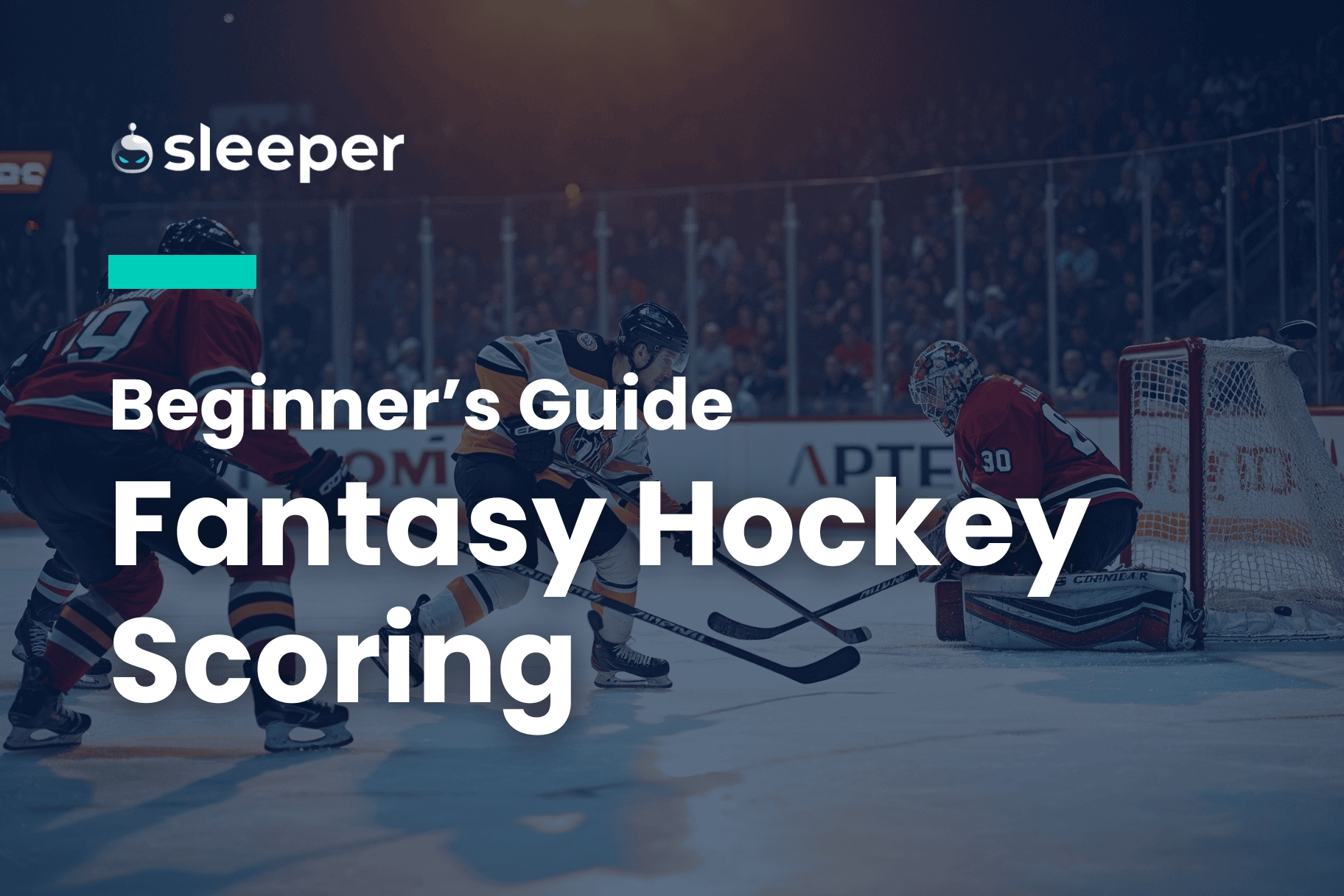
In ice hockey, the main goal is simple: put the puck into your opponent’s net. Each time the puck fully crosses the goal line between the goalposts and under the crossbar, your team scores one point. The team with the most points at the end of the game wins.
But there’s more to it than just shooting the puck. The rules decide if a goal counts or not, and special situations like overtime or shootouts can affect the final score.
How A Goal Is Scored
For a goal to count, several conditions must be met:
- The puck must completely cross the goal line
- The puck must go between the goalposts and under the crossbar
- The puck cannot be kicked, thrown, or batted in with the hand (unless it deflects off a defender or the goalie)
The referee signals a goal by pointing to the net, and the arena horn usually sounds.
Example: Legal Vs. Illegal Goals
- Legal: A player shoots the puck, and it slides under the goalie’s pads into the net.
- Illegal: A player directs the puck in with his skate (kicking motion).
If there’s any doubt, officials can review the play using video to decide if the goal is good.
The Role Of Assists
Hockey is a team game, and scoring a goal often involves more than one player. When a player scores, the last one or two teammates who touched the puck before him are awarded assists.
For example, if Player A passes to Player B, who passes to Player C, and C scores, both A and B get assists. A maximum of two assists can be given per goal.
Assists are important because they show which players help create scoring chances, not just who puts the puck in the net.
Scoring In Regular Time
A standard ice hockey game has three periods of 20 minutes each. Teams try to score as many goals as possible. If one team scores more than the other by the end of the third period, they win.
If the score is tied, the game can continue into overtime or a shootout, depending on the league and game stage.
Scoring Example
- Team A: 3 goals
- Team B: 2 goals
Team A wins.
Special Scoring Situations
Power Play Goals
When a player gets a penalty, their team must play short-handed. The other team has a power play—a big chance to score. If a goal is scored during a power play, it’s called a power play goal.
Shorthanded Goals
If the team with fewer players (penalty kill) scores, it’s called a shorthanded goal. These are rare and exciting.
Empty Net Goals
Near the end of a game, if a team is losing, they might remove their goalie for an extra attacker. If the other team scores with the goalie missing, it’s an empty net goal.
Overtime And Shootouts
If the game is tied after three periods, overtime is played. In the NHL, this means a five-minute period with fewer skaters (three per side), making scoring more likely.
If no one scores in overtime, a shootout happens. Each team sends three players, one at a time, to try and score on the goalie. The team with the most goals after three rounds wins. If still tied, it goes to sudden death.
Overtime Vs. Shootout Comparison
| Situation | Overtime | Shootout |
|---|---|---|
| Players on Ice | 3 skaters per team | 1 shooter vs. goalie |
| Duration | 5 minutes | 3 rounds (minimum) |
| How to Win | First goal wins | Most goals after 3 shooters |
Points, Standings, And Tiebreakers
In many leagues, teams earn points based on game results:
- Win: 2 points
- Overtime/Shootout loss: 1 point
- Regulation loss: 0 points
This system rewards teams for games that go to overtime, not just wins and losses.
Example Nhl Standings
| Team | Wins | OT/SO Losses | Points |
|---|---|---|---|
| Sharks | 30 | 5 | 65 |
| Flames | 28 | 8 | 64 |
Teams with more points rank higher in the standings.
Unique Aspects Of Ice Hockey Scoring
Goal Differential
Goal differential means the number of goals scored minus goals allowed. This is often used as a tiebreaker if teams have the same number of points.
Game-winning Goals
A game-winning goal is the goal that puts a team ahead for good. For example, in a 4-2 game, if the score was 2-2 and a player scored the third goal, that’s the game-winner.
Hat Tricks
When a player scores three goals in one game, it’s called a hat trick. Fans sometimes throw hats onto the ice to celebrate.
Common Scoring Mistakes And Misunderstandings
- Not all goals count: If a puck is kicked in or batted with a hand, it won’t count.
- Assists matter: Many beginners focus only on the goal scorer, but assists are crucial.
- Shootout goals don’t count for player stats: These only decide the game result.
- Empty net goals can change stats: These are often easy but still count for a player’s totals.
- Overtime and shootout rules change in playoffs: In the NHL playoffs, overtime is sudden death with full teams, no shootouts.
Non-obvious Insights
- In the NHL, coaches can challenge goals if they think the play was offside or goalie interference. Video review can overturn a goal, which can change the game result dramatically.
- Goals scored during a delayed penalty (when the team about to get a penalty hasn’t touched the puck yet) count as normal, but the penalty is cancelled if the non-offending team scores.

Why Scoring Is So Exciting In Hockey
Goals are often rare and hard-fought. Goalies make amazing saves, and teams play tough defense. This means every goal is a big moment. Sometimes, a whole game can be decided by just one or two goals.
The balance of skill, speed, and chance is what makes ice hockey scoring so thrilling for fans and players.
Frequently Asked Questions
What Happens If A Goal Is Scored With A High Stick?
If a player’s stick is above the height of the crossbar when he hits the puck into the net, the goal does not count. This is to keep play safe and fair.
Can A Goalie Score A Goal?
Yes, but it’s rare. A goalie can shoot the puck into the other net, usually when the other team’s goalie is pulled for an extra attacker.
Do Shootout Goals Count For A Player’s Goal Totals?
No, shootout goals only decide the game outcome. They do not count toward a player’s official goal tally or stats.
What Is The Fastest Goal Ever Scored In Ice Hockey?
The fastest goal in NHL history was scored two seconds after the opening faceoff. Fast goals often happen because of surprise or mistakes at the start of play.
Where Can I Find Official Ice Hockey Scoring Rules?
You can read the full rules and scoring details on the Wikipedia page about ice hockey rules.
Ice hockey scoring is complex but rewarding to understand. Knowing the details makes watching games much more enjoyable and helps you appreciate the skill and strategy behind every goal.