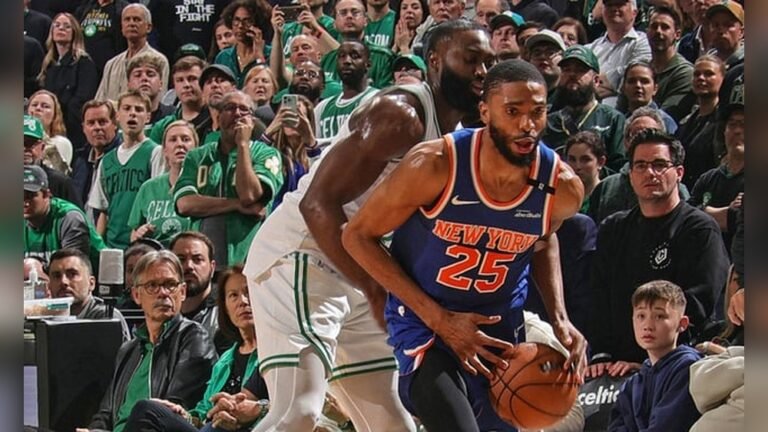
When a basketball game is tied after regular play, excitement rises to a whole new level. Overtime is where legends are made and every play counts more than ever. But many fans, especially those new to the sport, wonder exactly how overtime works in basketball.
What changes? How is it different from regular play? And why do some games seem to have endless overtimes? Let’s break down everything you need to know about overtime in basketball, from basic rules to special strategies and historical moments.
What Triggers Overtime In Basketball?
A basketball game is split into quarters (or halves, in some leagues). After the final period, if the score is tied, overtime is required. The main goal is simple: break the tie and declare a winner. This applies in professional leagues, college basketball, international play, and even in many amateur competitions.
- NBA: Four 12-minute quarters. Overtime is used if tied after the fourth quarter.
- NCAA (college): Two 20-minute halves. Overtime follows if tied after regulation.
- FIBA (international): Four 10-minute quarters. Overtime if tied.
So, overtime is only played when the score is tied at the end of regular play.
Overtime Rules: How Are They Different?
Many fans think overtime is just “extra time.” But there are unique rules and situations that make overtime periods special. Here’s how overtime works in most major basketball formats:
Length Of Overtime Periods
- NBA: Each overtime period lasts 5 minutes.
- NCAA & FIBA: Also 5 minutes per overtime.
- Some amateur leagues may use shorter periods (e.g., 3 minutes).
The clock is reset to zero at the start of overtime, not continued from regular play.
Tip-off And Possession
At the start of each overtime, a jump ball is held at center court, just like the beginning of the game. The winner of the jump ball gets first possession.
Foul Rules In Overtime
Team and personal fouls carry over into overtime. For example:
- If a player has 5 (NCAA/FIBA) or 6 (NBA) fouls, they remain at risk of fouling out.
- Team fouls from the fourth quarter carry into overtime. If a team was already in the penalty, this continues.
Timeouts
Teams get extra timeouts in overtime, but fewer than in regular play. Here’s a quick comparison:
| League | Regulation Timeouts | Overtime Timeouts |
|---|---|---|
| NBA | 7 per game | 2 per overtime |
| NCAA | 4 per game | 1 per overtime |
| FIBA | 2 per half | 1 per overtime |
If a team has timeouts left from regulation, they may also carry over, but this depends on the league.
Substitutions And Lineups
There are no restrictions on substitutions in overtime. Teams can change their entire lineup if they want. Coaches may put in their best defenders or fresh shooters for the extra period.
Overtime Scoring And Stats
All stats from overtime count toward a player’s official game totals. This includes points, rebounds, assists, and even fouls.
How Overtime Is Played: Step-by-step
Let’s walk through what happens from the end of regulation to the end of overtime:
- End of regulation: Scores are tied.
- Referees announce overtime: The game resets for the extra period.
- Jump ball at center: Decides first possession.
- Five-minute clock: The game plays like a mini-period. First team to lead at the end wins.
- If tied again: Another overtime period starts, repeating the process.
- Game ends: The first time a period finishes with one team ahead, the game is over.
There is no limit on the number of overtime periods. Some rare games have gone into double, triple, or even more overtimes.
Key Differences Between Regular Play And Overtime
Many of the rules remain the same, but overtime has some unique features:
| Feature | Regulation | Overtime |
|---|---|---|
| Period Length | 10-12 min (quarter) or 20 min (half) | 5 min |
| Jump Ball | Start of game only | Start of each overtime |
| Timeouts | Varies, more per game | 1-2 per overtime |
| Fouls | Carry over | Continue from regulation |
| Number of Periods | Fixed | Unlimited until winner |
Strategies Teams Use In Overtime
Overtime is about more than just playing extra minutes. Coaches and players must adjust quickly:
- Short rotations: Coaches often use their top 5 or 6 players, keeping star players on the court for most of overtime.
- Managing fouls: Players with high fouls may sit or play carefully to avoid fouling out.
- Aggressive offense: Some teams attack quickly, hoping to catch tired defenders off guard.
- Defensive focus: Others slow the game, forcing the opponent to make tough shots.
- Timeout management: With fewer timeouts, every decision is more important.
A non-obvious insight: Coaches sometimes save a key play or strategy for overtime, knowing the game could go beyond regulation. Experienced teams also practice “late game” and “overtime” situations regularly.
Famous Overtime Moments In Basketball History
Some of the most thrilling games in basketball have been decided in overtime. Here are a few notable examples:
- NBA’s Longest Game: Indianapolis Olympians vs. Rochester Royals (1951), went to 6 overtimes. The Olympians won 75-73.
- NCAA Tournament Classics: The 2008 NCAA championship, where Kansas beat Memphis in overtime after a dramatic comeback.
- Olympic Drama: In the 1972 Olympic final, the USA and USSR went to overtime under controversial circumstances.
These moments remind us that overtime is not just about time, but about handling pressure, fatigue, and mental toughness.

Overtime Rules In Youth And Amateur Basketball
Overtime is not just for professionals. Many youth and amateur leagues also use overtime, but with slight differences:
- Shorter periods (2-3 minutes) are common.
- Some leagues limit to one overtime, then use sudden death (first team to score wins).
- Running clocks may be used to save time.
Always check the specific rules for your league or tournament.
Impact On Players: Physical And Mental Challenges
Playing overtime is exhausting. Players have already given their all in regulation, so extra minutes test both body and mind.
- Fatigue: Muscles tire, increasing risk of mistakes or injury.
- Foul trouble: Star players may play cautiously if close to fouling out.
- Pressure: Every possession is more intense, and mistakes are magnified.
A common mistake for beginners: focusing only on scoring in overtime. Smart teams play solid defense and control the tempo, knowing that one or two key stops can decide the game.
How Overtime Affects Game Statistics
Overtime periods can inflate stats for both teams and players. For example:
- Higher total points, rebounds, and assists.
- Records for “most points in a game” often come from overtime contests.
- Some advanced metrics (like efficiency) can be skewed by extra minutes.
It’s important to consider overtime when comparing stats across games or players.
Overtime In International Basketball
FIBA rules govern most international competitions. Overtime in FIBA is similar to the NBA and NCAA, but with some small differences:
- Four 10-minute quarters in regulation.
- Five-minute overtime.
- Team fouls reset every overtime, but personal fouls carry over.
International tournaments like the Olympics and World Cup often feature dramatic overtime finishes, adding to the global excitement of basketball.
For more details on official rules, the FIBA rulebook provides full regulations.
Does Overtime Change The Way Basketball Is Played?
In many ways, overtime is a test of a team’s depth, preparation, and mental strength. Coaches often trust experienced players more. Teams that have practiced for overtime situations usually perform better under pressure.
A non-obvious insight: Some players become “overtime heroes” because they thrive when the game is tight. Others struggle with the extra pressure. For teams, learning to play well in overtime can be a sign of championship potential.
Comparing Overtime In Major Basketball Leagues
Here’s a look at how overtime rules compare across the world’s top leagues:
| League | Regulation Periods | Overtime Length | Personal Fouls to Foul Out | Timeouts in OT |
|---|---|---|---|---|
| NBA | 4 x 12 min | 5 min | 6 | 2 |
| NCAA | 2 x 20 min | 5 min | 5 | 1 |
| FIBA | 4 x 10 min | 5 min | 5 | 1 |
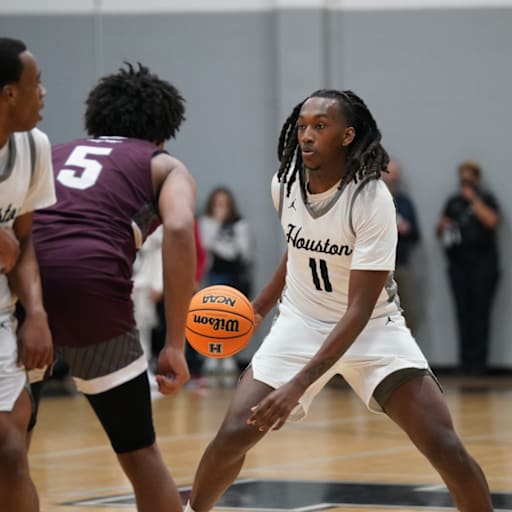
Tips For Watching And Enjoying Overtime
- Watch for which players are in “foul trouble” — will they stay aggressive?
- Notice if teams change their strategy (faster pace or slower, more isolation plays).
- Pay attention to timeouts — coaches will use them at critical moments.
- Overtime can turn role players into heroes. Don’t just focus on stars.
- Check if the energy in the arena changes. Crowds are usually louder and more intense during overtime.
Frequently Asked Questions
Why Do Some Basketball Games Have Multiple Overtimes?
Games continue into extra overtimes if the score is still tied after each overtime period. There is no maximum number of overtimes; play continues until one team leads at the end of an overtime period.
Do Fouls Reset In Overtime?
Team fouls may reset depending on the league, but personal fouls always carry over. For example, if a player has 5 fouls in regulation, they do not get more fouls just because overtime starts.
Can A Team Win With A Last-second Shot In Overtime?
Yes, if a player makes a shot and time expires, their team wins if they are ahead. If the shot ties the game, another overtime is played.
Are Stats From Overtime Counted In Player Records?
Yes, all points, assists, rebounds, and other stats from overtime count towards official totals for players and teams.
Is Overtime Used In Every Basketball Competition?
Most organized basketball leagues use overtime, but some youth or recreational leagues may use different rules, like sudden death or ending the game as a tie.
In basketball, overtime brings drama and tests the true skill and heart of a team. Understanding how it works helps fans enjoy the game even more, making every minute — and every point — matter.

