

Rugby is a sport where tackles happen every few seconds. Doing a proper tackle is not just about stopping the opponent—it’s about staying safe, keeping your team in control, and following the rules. If you want to play rugby well, you need to master tackling technique.
Many beginners focus only on strength, but the real secret is in your body position, timing, and decision-making.
What Is A Proper Rugby Tackle?
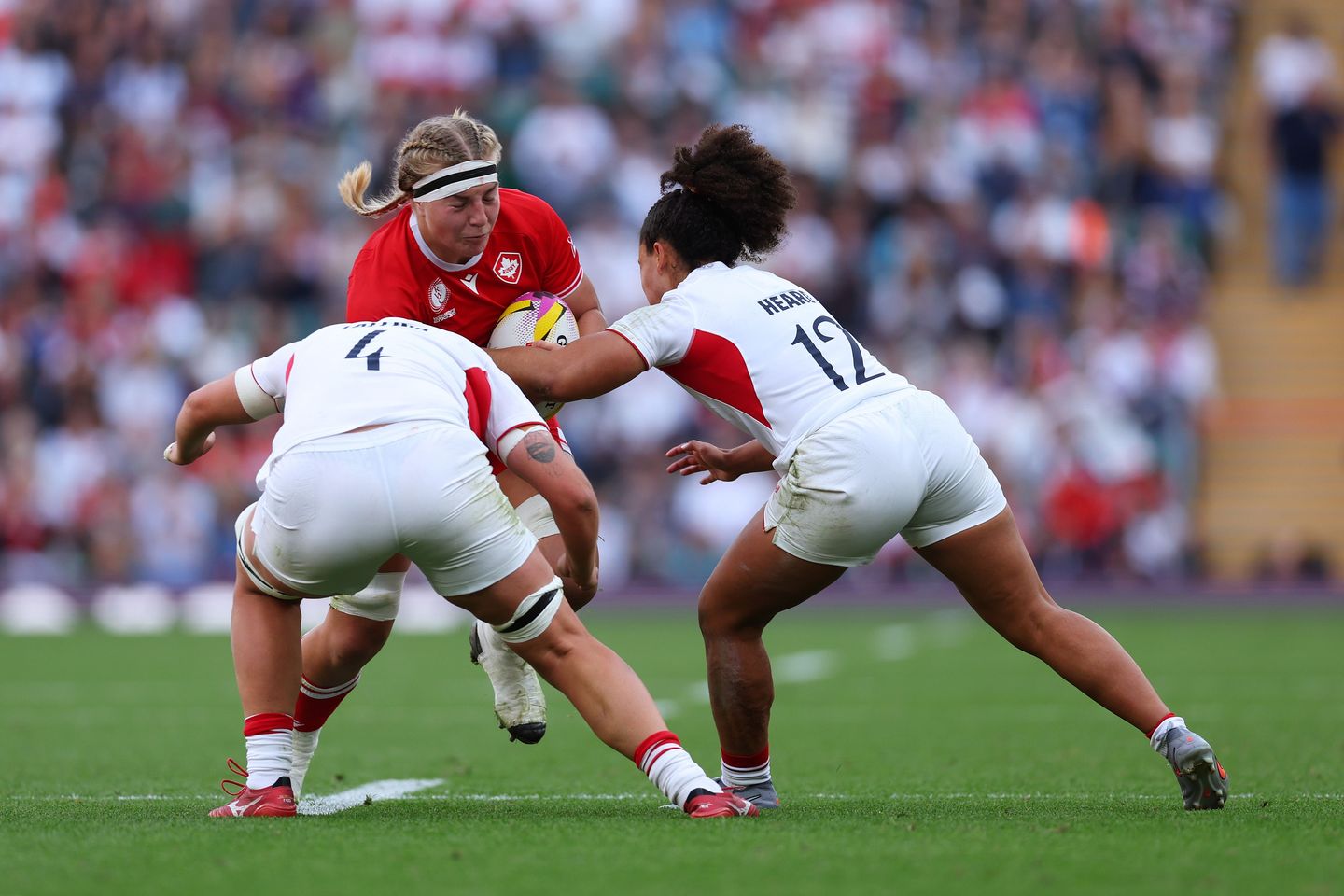
A proper rugby tackle means stopping the ball carrier using your body, while keeping your head safe and obeying the laws of the game. The goal isn’t to hurt, but to halt progress and create a chance for your team to win the ball. In rugby, a bad tackle can cause injury or give away penalties, so learning the right way is essential.
Step-by-step: How To Tackle Properly
Let’s break down the rugby tackle into clear steps:
- Get Low and Ready
- Bend your knees.
- Keep your back straight and eyes on the ball carrier.
- Stay on your toes, ready to move sideways or forward.
- Target the Hips or Thighs
- Aim your shoulder at the ball carrier’s hips or upper thighs.
- Don’t tackle high (shoulder, neck, or head area)—it’s dangerous and illegal.
- Head Placement
- Keep your head to one side of the ball carrier’s body (not in front).
- Look at the target, not at the ground.
- Drive with the Legs
- As you make contact, use your legs to push forward.
- Explode through the tackle, wrapping your arms around the legs or hips.
- Wrap Your Arms
- Both arms must go around the opponent—never try to ‘shoulder charge’ without your arms.
- Squeeze tight as you drive.
- Complete the Tackle
- Pull the ball carrier down while staying in control.
- Let go as soon as both players are on the ground.
- Get Back on Your Feet
- Release immediately, roll away, and get up quickly.
- Be ready to contest for the ball if allowed.
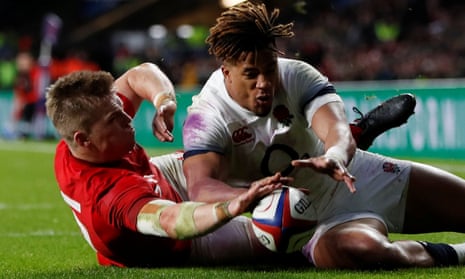
Common Mistakes To Avoid
Many beginners repeat the same errors. Here are some frequent mistakes and how to fix them:
- Tackling Too High: This leads to penalties and injuries. Always aim lower.
- Head in Front: Placing your head in front of the runner can cause concussion or neck injury.
- Closed Eyes: Tacklers sometimes close their eyes in fear. This reduces accuracy and control.
- Flat Feet: If you stand flat-footed, you can’t react quickly or drive powerfully.
- Not Wrapping Arms: Without wrapping, tackles are weak and often illegal.
Safety Tips For Tackling
Proper tackling keeps both players safe. Here’s how to protect yourself:
- Mouthguard: Always wear a mouthguard to protect your teeth.
- Tuck Chin: Keep your chin tucked to protect your neck.
- Practice Technique: Good tackling is about repetition, not just size or strength.
- Stay Alert: Watch the ball carrier’s hips, not their feet or eyes.
Comparing Legal Vs. Illegal Tackles
Understanding the rules is crucial. Here’s a comparison of what’s allowed and what’s not:
| Type of Tackle | Legal? | Result |
|---|---|---|
| Shoulder to hips, arms wrap | Yes | Play continues |
| Tackle above shoulders | No | Penalty or card |
| No arms (shoulder charge) | No | Penalty, possible suspension |
| Trip with leg | No | Penalty, possible card |
Body Position: Why It Matters
Body position is the foundation of every tackle. The lower your center of gravity, the more control you have. If you stay upright, you’re easier to knock over. But if you crouch, keep your back straight, and eyes up, you can absorb and stop much bigger players.
A good way to practice is to set up a tackle bag and work on your approach angle and body shape. Coaches often say, “shoulder in, eyes up, and drive through. ” This is the safest, most effective way to tackle.
Tackling Drills For Beginners
Training drills help you build muscle memory. Some effective drills include:
- Tackle Bag Hits: Practice approaching, hitting, and driving the bag.
- Shadow Tackling: Work with a partner at slow speed, focusing on technique.
- 1-on-1 Channel Drill: Mark a narrow channel and try to stop a ball carrier.
- Leg Wraps: Practice wrapping your arms tightly around a moving object.
Repeat these drills regularly to build confidence.
Physical Stats In Tackling
You don’t have to be the biggest player to tackle well. In fact, many of the world’s best tacklers are under 6 feet tall. The key is in your technique, reaction time, and fitness.
Here’s how different body types perform in tackles:
| Player Type | Average Successful Tackles/Game | Key Strength |
|---|---|---|
| Flanker (back row) | 15-20 | Agility, fitness |
| Prop (front row) | 8-12 | Power, stability |
| Scrum-half | 5-10 | Speed, low center |

Real-world Example
In the 2019 Rugby World Cup, South Africa’s captain Siya Kolisi made 10 tackles in the final. He used perfect technique—low body position, strong wrap, and quick recovery. His discipline helped his team control the game and win the trophy.
Two Insights Beginners Miss
First, many new players focus on bringing the ball carrier down, but stopping their forward momentum is more important. If you stop their legs and drive them back, your team can compete for the ball.
Second, after a tackle, your job isn’t done. Quick recovery—getting up and into the next play—often makes the difference between winning and losing possession.
Comparing Tackling In Rugby Vs. American Football
Some players come from American football and assume tackling is the same. But rugby tackles are different—no pads, and you must wrap with your arms.
| Feature | Rugby | American Football |
|---|---|---|
| Pads | No | Yes |
| Wrapping Required | Yes | No |
| Legal Tackle Area | Shoulders down | Varies |
Final Thoughts
Tackling properly in rugby is a skill you can always improve. Focus on body position, head safety, and wrapping your arms. Practice with purpose, and learn from experienced players. The best tacklers are not always the biggest—they are the smartest, most disciplined, and most determined.
Remember, a great tackle can change a game.
If you want to see more about tackling technique, visit the official World Rugby laws page.
Frequently Asked Questions
What Is The Safest Way To Tackle In Rugby?
The safest tackle is head to the side, eyes open, aiming for the hips, and wrapping your arms around the ball carrier. Always avoid high tackles.
How Can I Improve My Tackling Confidence?
Practice tackling drills slowly at first, focusing on technique. Increase speed as you get better. Watching experienced players and reviewing game footage also helps.
Are There Penalties For Illegal Tackles?
Yes, tackling above the shoulders, shoulder charges, or tripping are all penalized. Repeated offenses can lead to yellow or red cards.
Can Smaller Players Tackle Bigger Opponents?
Absolutely. Smaller players use good technique, low body position, and speed to tackle larger opponents effectively.
Do I Need To Wear Protective Gear?
A mouthguard is essential. Some players wear light shoulder pads, but these are not required. Focus on technique for real safety.
