Skiing is one of the most exciting winter sports, offering speed, freedom, and beautiful mountain views. But before you can enjoy the slopes, you must learn how to stop safely. Stopping while skiing is a vital skill for beginners and experts alike. It protects you from accidents, helps you avoid obstacles, and gives you control over your movement. Without knowing how to stop, skiing can become dangerous and stressful.
If you are new to skiing or still learning, stopping can feel tricky. Many beginners struggle to control their speed or panic when going downhill. Even experienced skiers can face challenges on steep slopes or icy surfaces. In this article, you will discover clear, practical ways to stop while skiing.
You will learn about different stopping techniques, safety tips, and how to avoid common mistakes. By the end, you will feel confident and ready to ski with control.
Why Stopping Matters In Skiing
Every skier, no matter their skill level, must know how to stop quickly and safely. Here’s why:
- Safety: Stopping prevents collisions with people, trees, or equipment.
- Control: Knowing how to stop lets you manage your speed and direction.
- Confidence: When you can stop anytime, you ski more comfortably.
- Skill Development: Stopping is the foundation for learning turns and advanced moves.
In fact, ski resorts report that most beginner accidents happen because people cannot stop in time. According to the National Ski Areas Association, over 40% of beginner injuries involve loss of control.
Basic Stopping Techniques
There are several ways to stop while skiing. Each method suits different situations and skill levels. Let’s explore the most common techniques.
The Snowplow (pizza) Stop
The snowplow stop is the first method all beginners learn. It is simple and works well on gentle slopes.
To do a snowplow stop:
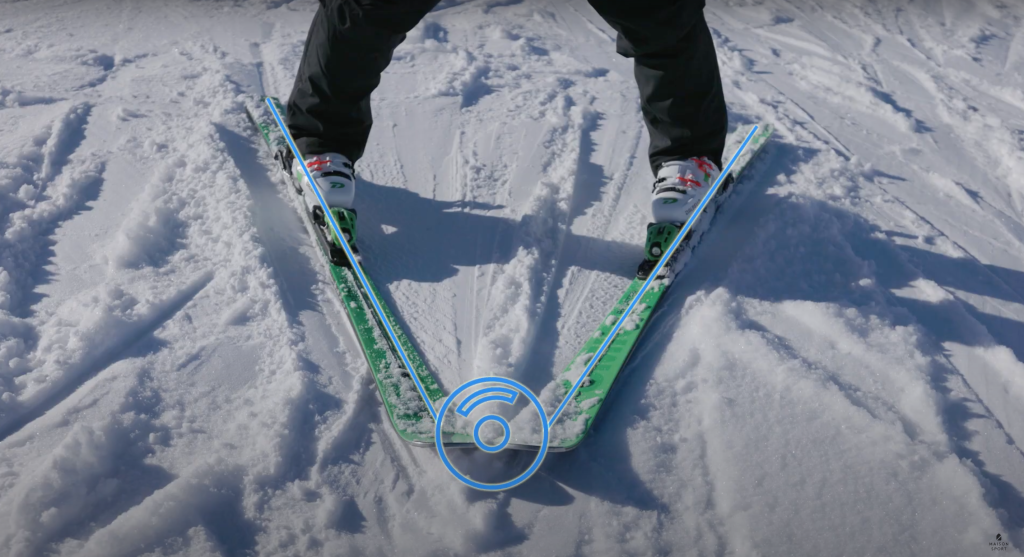
- Point the tips of your skis together, forming a “V” shape.
- Keep the ski tails apart.
- Press the inside edges of your skis into the snow.
- Bend your knees slightly for balance.
This position creates friction, slowing you down until you stop. The snowplow is sometimes called the pizza stop because your skis look like a slice of pizza.
Practical Tips
- The wider the “V”, the faster you will stop.
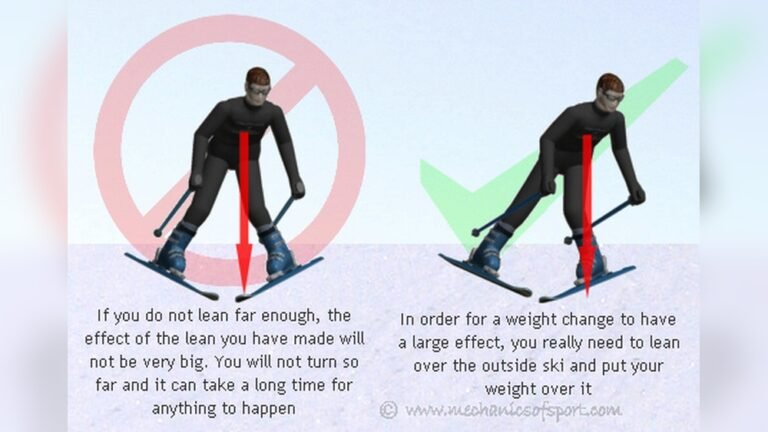
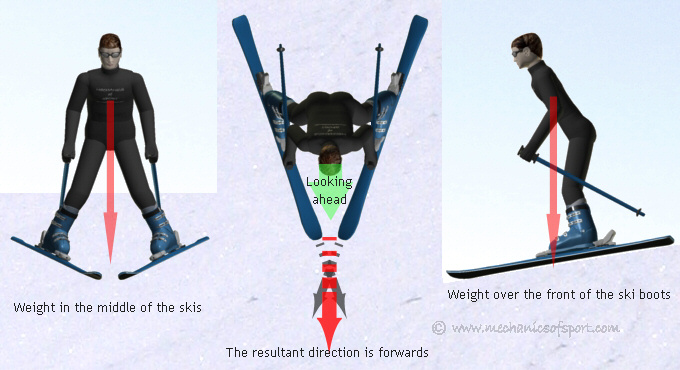
- Keep your weight centered over your skis.
- Practice on flat areas first.
The Parallel Stop
Once you gain confidence, you can try the parallel stop. This method is faster and works on steeper slopes.
Steps for a parallel stop:
- Ski with your feet close together and skis parallel.
- Turn your skis sideways across the slope.
- Apply pressure to the edges of both skis.
- Lean slightly uphill.
This motion brings your skis perpendicular to your direction of travel, creating maximum friction and stopping you quickly.
Common Mistakes
- Not turning the skis fully across the slope.
- Leaning downhill instead of uphill.
- Not bending knees enough.
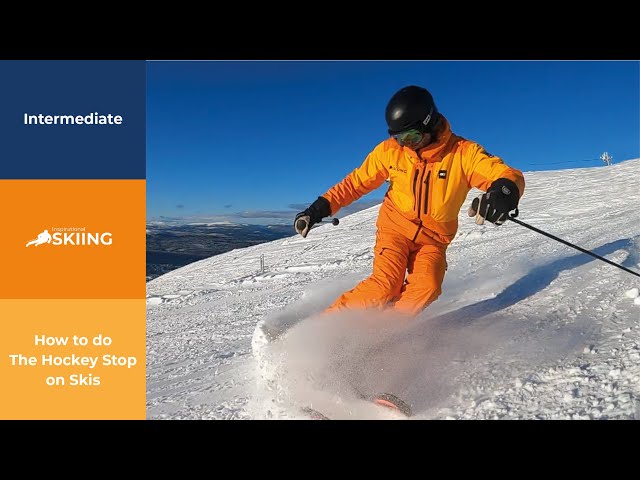
The Hockey Stop
The hockey stop is a quick, sharp stopping technique used by advanced skiers.
To perform a hockey stop:
- Move at moderate speed.
- Twist your hips and legs to turn both skis sharply sideways.
- Press hard on the edges.
- Lean your body slightly uphill and keep your balance.
The hockey stop is similar to how ice hockey players stop on skates. It requires confidence and practice.
Where To Use It
- When you need to stop suddenly.
- On steeper or icy slopes.
- To avoid obstacles.
Advanced Stopping Methods
As you progress, you may encounter situations where basic stops are not enough. Here are advanced stopping methods for difficult terrain.
Carving Stop
The carving stop uses deep turns and strong edge control. It is best for high-speed skiing.
How to do it:
- Start a wide, strong turn across the slope.
- Apply firm pressure to the ski edges.
- Lean into the turn and let the skis carve a path.
- Gradually slow down and stop.
This method requires good balance and edge control.
Emergency Stop
Sometimes, you must stop immediately to avoid danger. The emergency stop combines elements of the hockey and parallel stop.
Steps:
- Twist your skis sideways quickly.
- Push your heels out and dig in the edges.
- Drop your weight low for stability.
Do not panic; focus on maintaining balance. Practicing emergency stops can save you from injury.
Comparing Stopping Techniques
Let’s compare the main stopping methods:
| Technique | Skill Level | Best For | Stopping Speed |
|---|---|---|---|
| Snowplow | Beginner | Gentle slopes | Slow |
| Parallel | Intermediate | Moderate slopes | Medium |
| Hockey | Advanced | Steep or icy slopes | Fast |
| Carving | Expert | High speed | Medium |
| Emergency | All levels | Sudden dangers | Fast |
How Terrain And Conditions Affect Stopping
Stopping is not the same everywhere. Terrain and weather can change how easily you stop.
- Steep slopes: Require faster, sharper stops. Use parallel or hockey stops.
- Flat areas: Snowplow works well.
- Icy surfaces: Edges must be sharp. Hockey stops are most effective.
- Powder snow: More friction, easier to slow down.
Weather changes can impact ski performance. For example, after a snowfall, stopping becomes easier. But icy days mean you need strong edge control.
Ski Equipment Comparison
Your gear affects how well you stop. Let’s look at how ski types compare:
| Type of Ski | Edge Grip | Best Stop | Difficulty Level |
|---|---|---|---|
| Beginner skis | Moderate | Snowplow | Easy |
| All-mountain skis | Good | Parallel/Hockey | Medium |
| Racing skis | Excellent | Carving | Hard |
| Freestyle skis | Variable | Hockey/Parallel | Medium |
Step-by-step: Learning To Stop
If you are just starting, follow these steps to build your stopping skills:
- Practice on flat ground: Get used to balancing and moving.
- Try the snowplow: Focus on making the “V” shape and pressing edges.
- Move to gentle slopes: Practice stopping at slow speeds.
- Learn to turn: Turns help with advanced stopping methods.
- Try parallel stops: As you gain confidence, keep your skis close and turn across the hill.
- Master the hockey stop: Practice twisting your skis quickly.
- Test in different conditions: Try stopping on icy, powdery, and steep slopes.
- Use proper gear: Make sure your skis are sharp and fit your skill level.
Example: Beginner Progress
Anna, a beginner skier, started with snowplow stops on a flat beginner slope. After two days, she could stop smoothly. She then practiced parallel stops, and after a week, she could control her speed on steeper slopes. By her third week, Anna felt confident using hockey stops for quick stopping.
Safety Tips For Stopping
Stopping is not just about technique. Safety matters, too.
- Look ahead: Always check for people or obstacles before stopping.
- Signal your stop: Raise a hand or call out if you are stopping near others.
- Avoid sudden stops in busy areas: Move to the edge of the slope.
- Keep distance: Don’t stop too close behind someone.
- Wear protective gear: Helmets and pads can prevent injury.
Most ski resorts offer beginner lessons. These lessons often focus on stopping and safety as the first skills. According to a report by National Ski Areas Association, lessons reduce accidents by 60% among new skiers.
Common Mistakes And How To Fix Them
Many beginners make mistakes when learning to stop. Here are some you should avoid:
- Leaning back: This causes loss of control. Keep your weight forward.
- Not pressing edges enough: Without edge pressure, you won’t slow down.
- Panicking: Stay calm and focus on technique.
- Trying to stop on steep slopes before mastering basics: Start small and build confidence.
If you find stopping difficult, ask an instructor for help. Practice makes perfect.
Stopping For Different Skiing Styles
Skiing is not the same everywhere. Here’s how stopping works for different types:
Alpine Skiing
Most people learn alpine skiing (downhill). The stops described above work for this style.
Cross-country Skiing
In cross-country skiing, you use a snowplow stop or step turn. Since slopes are gentler, stopping is easier.
Freestyle Skiing
Freestyle skiers use hockey stops and quick turns to control speed after jumps.
Ski Touring
Touring skiers use carving and parallel stops on backcountry terrain.
How To Improve Your Stopping Skills
Improving your stops takes practice and patience. Here are some ways to get better:
- Take lessons: Professional instructors teach the right technique.
- Watch videos: Visual examples help understand movements.
- Practice regularly: Repetition builds muscle memory.
- Ski with friends: They can give feedback and support.
- Try drills: Set up cones or markers and practice stopping at different points.
Data On Skill Progression
Studies show that most beginners can master the snowplow stop in 2–3 hours of practice. Parallel stops usually take 5–7 hours. Hockey stops require 10+ hours and advanced confidence.
What To Do If You Can’t Stop
If you find yourself unable to stop:
- Aim for a gentle slope or flat area.
- Fall safely: If you must, sit down and slide to stop.
- Avoid obstacles: Steer away from trees, rocks, or people.
- Ask for help: Ski patrol can assist in emergencies.
Remember, falling is better than crashing into something or someone.
Frequently Asked Questions
How Do I Stop If My Skis Are Not Sharp?
If your skis are dull, it is harder to use edge-based stops like hockey or parallel. Try the snowplow stop and avoid icy slopes. Get your skis sharpened at a rental shop or ski service center.
Can Children Learn To Stop While Skiing?
Yes, children can learn to stop. Most ski schools teach the snowplow stop first. Kids often master it quickly because their skis are short and light.
What Is The Best Stop For Icy Conditions?
The hockey stop works best on ice because it uses sharp ski edges. Make sure your equipment is well-maintained, and practice edge control.
How Can I Practice Stopping Safely?
Start on flat ground or gentle slopes. Practice snowplow stops before moving to parallel or hockey stops. Always wear protective gear and avoid crowded areas.
Is It Possible To Stop Quickly On Steep Slopes?
Yes, but you need to use parallel or hockey stops. On very steep slopes, stopping quickly requires strong edge control and a low, balanced stance.
Stopping while skiing is one of the most important skills you will ever learn. With practice, patience, and the right technique, you can control your speed and enjoy the slopes safely. Remember to start with the basics, build confidence, and always focus on safety.
Whether you are skiing for fun or sport, knowing how to stop turns every run into a confident adventure.