Warming up before a baseball game is more than just a tradition—it’s a science-backed approach to better performance and injury prevention. Whether you’re a youth player, high school athlete, or adult league competitor, a proper warm-up can make the difference between a sluggish start and a strong game.
Yet, many players rush through or skip warm-ups, not realizing how much it impacts their play. If you want to move well, throw hard, and stay healthy, knowing how to properly warm up for baseball is essential. Let’s explore each step, from dynamic stretches to mental focus, so you can step onto the field ready to perform at your best.
Why Warming Up Matters In Baseball
Baseball may look slow at times, but it requires explosive movements, quick reflexes, and repeated throwing. Without a good warm-up, your muscles are tight, your reactions slow, and your injury risk goes up. Studies show that proper warm-ups can reduce soft tissue injuries by up to 30%. They also help your brain get into game mode, improving focus and reaction time. Skipping this step isn’t just risky—it’s a missed opportunity for better play.
Key Components Of A Baseball Warm-up
A great baseball warm-up isn’t just jogging and stretching. It’s a series of steps designed to prepare your body and mind for the specific demands of the game. Here’s how you can break it down:
- General Aerobic Activity
- Dynamic Stretching
- Arm Care and Throwing Progression
- Position-Specific Drills
- Base Running and Sprint Work
- Mental Preparation
Each phase builds on the last, and skipping any one can leave you underprepared.
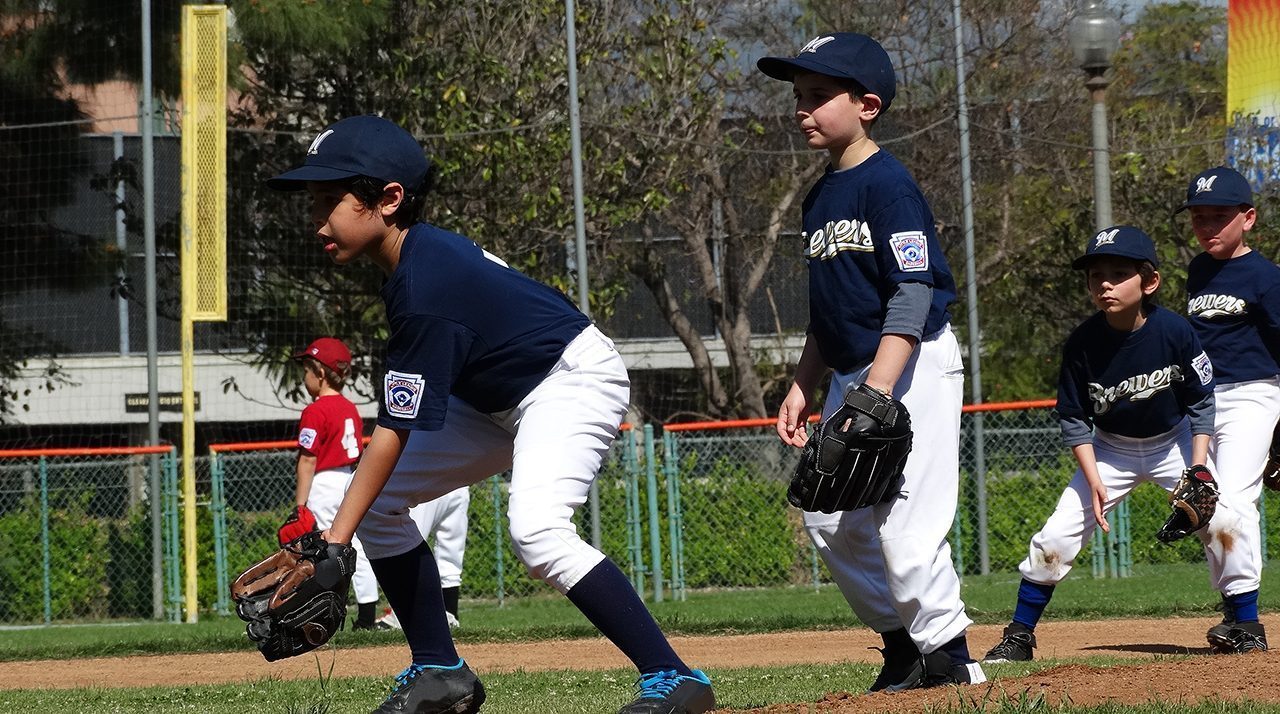
Step 1: General Aerobic Activity
Start with 5–10 minutes of light aerobic exercise. This raises your heart rate, increases blood flow, and warms your muscles. Examples include:
- Jogging around the field
- Jumping jacks
- High knees or butt kicks
This first step is crucial because cold muscles are more likely to strain or tear. Don’t rush it—your muscles need this gentle start.
Step 2: Dynamic Stretching
Unlike static stretching (holding one position), dynamic stretching uses movement to prepare muscles and joints. Baseball requires a wide range of motion, especially in the shoulders and hips. Dynamic stretches help:
- Improve flexibility
- Activate stabilizing muscles
- Boost coordination
Here are some dynamic stretches perfect for baseball:
- Arm circles (small to large)
- Leg swings (forward/backward and side-to-side)
- Walking lunges with a twist
- Inchworms (walking hands out to plank, then feet up)
- Torso rotations
Aim for about 10–12 reps per movement. This phase should take 8–10 minutes.
Step 3: Arm Care And Throwing Progression
The throwing arm is the most injury-prone part of a baseball player’s body. Warming it up properly is non-negotiable. Start with arm care exercises using resistance bands or light dumbbells:
- External rotations
- Scapular retractions
- Shoulder raises
Follow this with a throwing progression:
- Begin with short, gentle tosses (about 30 feet)
- Gradually increase distance and intensity
- Incorporate position-specific throws (e.g., quick infield flips, long outfield throws)
Take at least 10 minutes for this. Never jump into full-power throws without working up to them.
Step 4: Position-specific Drills
After general warm-up, focus on movements that mimic your game role.
Infielders: Practice short hops, quick lateral shuffles, and quick throws to bases.
Outfielders: Work on crow hops, tracking fly balls, and long throws.
Catchers: Include blocking drills, pop-up throws, and quick transfers.
Pitchers: Add dry reps of pitching motion and work on balance.
These drills make your warm-up more relevant and mentally get you into game situations.
Step 5: Base Running And Sprint Work
Baseball isn’t all about standing still. You’ll need to run, sprint, and change direction quickly. Practice:
- Short sprints (from home to first base distance)
- Quick starts (reacting to a coach’s signal)
- Lateral shuffles (for base stealing and defense)
This not only prepares your legs but also fires up your nervous system for quick reactions during the game.
Step 6: Mental Preparation
Physical warm-up is only part of the picture. Mental preparation is just as important. Top players use visualization techniques to see themselves succeeding—fielding cleanly, hitting well, or making good decisions.
You can try:
- Taking a few deep breaths to settle nerves
- Visualizing one or two successful plays
- Reviewing your role in the game
This last step is often overlooked but can set the tone for your performance.
Sample 15-minute Warm-up Routine
Here’s a practical warm-up plan you can follow before any baseball game:
- Jog around the field: 3 minutes
- Dynamic stretches: 7 minutes
- Arm circles, leg swings, walking lunges, inchworms, torso rotations
- Band work/Arm care: 2 minutes
- External rotations, scapular retractions
- Throwing progression: 5 minutes
- Start short, move to longer throws
- Position drills: 5 minutes
- Fielding, blocking, or pitching reps
- Sprints/base running: 3 minutes
- Mental focus: 1 minute
This routine covers all the necessary elements and can be adapted based on your needs.
Common Mistakes To Avoid
Many players make errors in their warm-up that can lead to poor performance or injury. Watch out for these:
- Skipping dynamic stretches and jumping straight into throwing
- Doing only static stretching (which can actually reduce power if done before activity)
- Throwing at max effort too soon
- Ignoring arm care exercises
- Overlooking mental preparation
A quick warm-up is better than nothing, but a complete routine is always best.
The Difference Between Dynamic And Static Stretching
Some players think stretching is all the same, but that’s not true. Here’s a quick comparison:
| Type of Stretch | When to Use | Benefits | Risks if Used Incorrectly |
|---|---|---|---|
| Dynamic | Before the game | Increases blood flow, preps muscles for movement | Rare (if done too aggressively, can strain muscles) |
| Static | After the game | Improves flexibility, aids recovery | If used before, can reduce power and performance |
Use dynamic stretches to get ready for action. Save static stretching for after the game to help your body recover.
Arm Care: Why It’s Non-negotiable
Pitchers and position players alike need to protect their arms. The shoulder and elbow are under huge stress with every throw. Research from the American Sports Medicine Institute shows that a good arm care routine can cut throwing injuries by up to 50% in youth players.
Here’s a look at some common arm care exercises and their benefits:
| Exercise | Target Area | Key Benefit |
|---|---|---|
| External Rotations | Rotator cuff | Prevents shoulder strains |
| Scapular Retractions | Upper back | Improves throwing mechanics |
| Shoulder Raises | Deltoids | Stabilizes the arm during throws |
Don’t skip these, even if you’re not a pitcher. Healthy arms are key to a long, successful season.
The Role Of Warm-up In Injury Prevention
Baseball injuries often happen early in games or practices, when muscles are cold and not ready for sudden movements. A proper warm-up:
- Reduces muscle stiffness
- Improves reaction time
- Prepares the mind for quick decisions
- Lowers risk of strains and pulls
According to the National Athletic Trainers’ Association, most baseball injuries are preventable with better preparation routines.
Real-world Example: How Pros Warm Up
Professional baseball teams spend up to 30 minutes warming up before games. Here’s a simplified version of what you might see:
- Jog and light agility work
- Team dynamic stretching led by coaches
- Specific throwing progression, starting with soft tosses
- Fielding and positional drills
- Short sprints and base running
- Group huddle for mental focus
While you may not have 30 minutes, following a similar structure—even in 15 minutes—can make a huge difference.

Two Non-obvious Insights For Better Warm-ups
- Warm up based on your position: Catchers need more hip and knee mobility, while outfielders benefit from long tosses and explosive sprints. Customizing your routine pays off.
- Change your warm-up as you age: Younger players recover faster and may need less time warming up, but as you get older, proper warm-up and arm care become even more important. Don’t use a one-size-fits-all approach.
Data: How Warm-ups Impact Performance
A study published in the Journal of Strength and Conditioning Research showed that teams using a structured dynamic warm-up routine had:
- 18% fewer muscle injuries over a season
- 11% faster reaction times in fielding drills
- Improved throwing velocity by 2–3 mph compared to teams with minimal warm-up
This isn’t just about avoiding injuries—it’s about playing better.
Adapting Warm-ups For Different Ages And Skill Levels
Youth players: Focus on making warm-ups fun and active, with simple dynamic stretches and basic throwing drills.
High school/college players: Add more specific arm care and position drills, and spend extra time on mental focus.
Adult and older players: Prioritize longer warm-ups and arm care, and don’t skip any steps, as muscles and joints need more time to get ready.
Frequently Asked Questions
What Is The Best Warm-up For Youth Baseball Players?
Youth players benefit from a short, fun warm-up that combines jogging, simple dynamic stretches (like arm circles and lunges), and gentle throwing. The focus should be on movement and enjoyment, not strict routines.
How Long Should A Baseball Warm-up Last?
A complete warm-up should last between 15 and 25 minutes. If you’re short on time, aim for at least 10 minutes but don’t skip dynamic stretching and light throwing.

Can I Use Static Stretching Before A Game?
Static stretching is best saved for after the game. Before play, use dynamic stretching to activate muscles and prepare for explosive movements. Static stretches can reduce your power and speed if done too soon.
Why Do I Need Arm Care Exercises If I’m Not A Pitcher?
All players throw, and every throw puts stress on the shoulder and elbow. Arm care exercises help prevent injuries and improve throwing mechanics, no matter your position.
Where Can I Find More Detailed Baseball Warm-up Routines?
You can find science-based warm-up routines and videos on the official MLB Youth Academy site, which offers resources for all ages and skill levels.
Warming up before a baseball game is the foundation for great performance and injury-free seasons. By following these steps and making your routine specific to your needs, you’ll feel stronger, react faster, and enjoy the game even more. Take your warm-up seriously—it’s the smartest way to play your best baseball.
