
Baseball is a game built on moments, and one of the most important moments is the pitch. Every time the pitcher throws the ball, everyone waits to see: is it a strike or a ball? This simple question shapes every at-bat, changes game strategy, and even decides who wins. But if you are new to baseball, it can be confusing. How do umpires decide? How do players and fans know? Even experienced fans can get confused when pitches are close to the edge of the strike zone.
This article will guide you step by step. You will learn the exact rules, see real examples, and understand what makes a pitch a strike or a ball. We will cover the official definitions, how umpires make their decisions, and why sometimes it seems unclear.
You will also find helpful graphics and tips to spot the difference yourself, whether you are watching on TV or at the stadium. By the end, you will watch baseball with new confidence, understanding one of the sport’s most important calls.
What Is A Strike? The Official Definition
A strike in baseball is not just a good pitch; it has a strict definition. According to Major League Baseball (MLB) rules, a pitch is a strike if any one of these conditions are met:
- The batter swings at the pitch and misses.
- The batter hits the ball foul (with some exceptions, like a two-strike bunt attempt).
- The pitch is thrown in the strike zone and the batter does not swing.
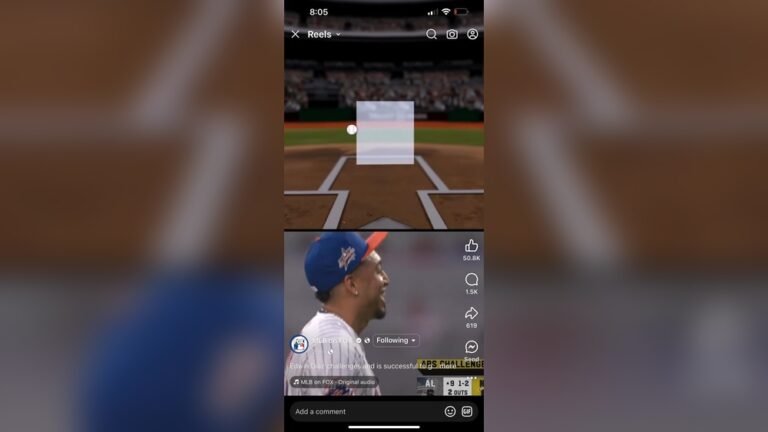
The strike zone is crucial. It is an imaginary box above home plate. The top of the zone is at the midpoint between the batter’s shoulders and the top of their pants. The bottom is at the hollow beneath the kneecap. The sides are the edges of home plate.
If a pitch passes through any part of this box, it is a strike—if the batter does not swing. If the batter swings and misses, it is always a strike, no matter where the pitch is.
What Is A Ball? The Official Definition
A ball is a pitch that does not meet the strike criteria. It is called when:
- The pitch is outside the strike zone.
- The batter does not swing at the pitch.
It does not matter how close the pitch is to the strike zone. If it is not inside the zone and the batter does not swing, it is a ball.
Sometimes, a pitch can look like a strike but is just outside the zone. These are called “borderline” pitches, and they often lead to debates.
The Strike Zone: Details And Dimensions
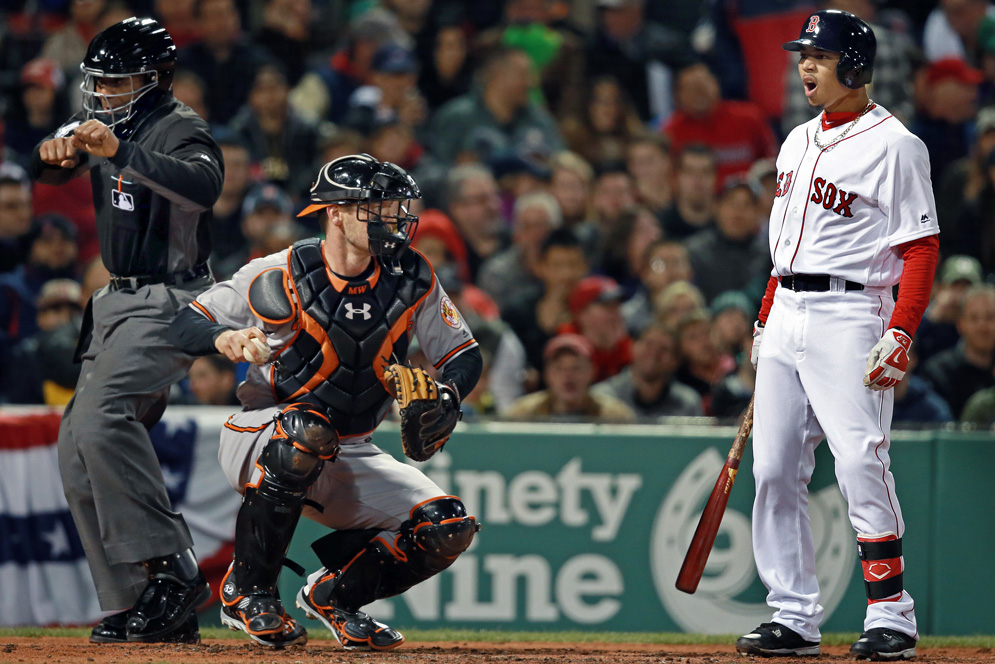
Understanding the strike zone is key. This zone changes slightly depending on the batter’s stance and height.
The Official Dimensions
The strike zone is shaped like a rectangle:
- Top: Midpoint between the top of the shoulders and top of the uniform pants.
- Bottom: Hollow just below the kneecap.
- Sides: The two edges of home plate (17 inches wide).
Here’s a simple visual of the strike zone compared to home plate:
| Zone Part | Measurement | Description |
|---|---|---|
| Top | Varies (mid-torso) | Midpoint between shoulders and pants |
| Bottom | Varies (knees) | Hollow beneath kneecap |
| Width | 17 inches | Same as home plate |
How The Strike Zone Changes
The umpire adjusts the zone based on the batter’s stance. If a tall batter crouches, the zone shrinks. If they stand tall, the zone is higher. This makes calling strikes and balls harder than it looks.
How Umpires Judge Strikes And Balls
Umpires stand behind the catcher to call each pitch. They watch the ball as it crosses the plate and decide in real time.
- If the ball touches any part of the strike zone, it is a strike.
- If the ball misses the zone, it is a ball (unless the batter swings).
Umpires use their eyes, experience, and sometimes guesswork, especially with very fast pitches (over 90 mph). Technology now helps review these calls, but the human umpire makes the official decision.
Human Error And Controversy
No umpire is perfect. Sometimes, two umpires will call the same pitch differently. Studies show umpires are correct on about 94% of ball-strike calls, but that means mistakes happen. This is part of baseball’s drama and debate.
Examples: Clear Vs. Borderline Pitches
It helps to see examples. Imagine these three pitches:
- Middle of the strike zone: Always a strike if not swung at.
- Just outside the edge: Often called a ball, but sometimes an umpire calls it a strike.
- At the knees, over the plate: This is a strike, even if it barely clips the bottom of the zone.
Here’s a comparison of typical pitch calls:
| Pitch Location | Usual Call | Notes |
|---|---|---|
| Direct center of zone | Strike | Obvious strike |
| Just outside edge | Ball (usually) | Can be called a strike on close plays |
| Bottom edge, over plate | Strike | Must cross plate at knee height |
What About When The Batter Swings?
If the batter swings at any pitch, the outcome changes:
- Swings and misses: Always a strike.
- Swings and hits foul: Strike, except after two strikes (then it just counts as another pitch, except for bunts).
- Swings and hits fair: The ball is in play.
Even if the pitch is very far outside the strike zone, if the batter swings and misses, it is called a strike.
Special Situations: Check Swings, Foul Balls, And More
Some situations are tricky, even for experts.
Check Swings
A check swing is when the batter starts to swing but tries to stop. The umpire must decide if the batter went far enough for it to count as a swing. There is no fixed rule—just the umpire’s judgment. Often, the home plate umpire will ask the first or third base umpire for help.
Foul Balls
A foul ball is a ball hit outside the lines of the field. If a batter hits a foul ball with less than two strikes, it is a strike. With two strikes, it is not a strike (except for bunts).
Hit By Pitch
If a batter is hit by a pitch outside the strike zone, it is not a ball or a strike. The batter goes to first base.
Technology And The Strike Zone
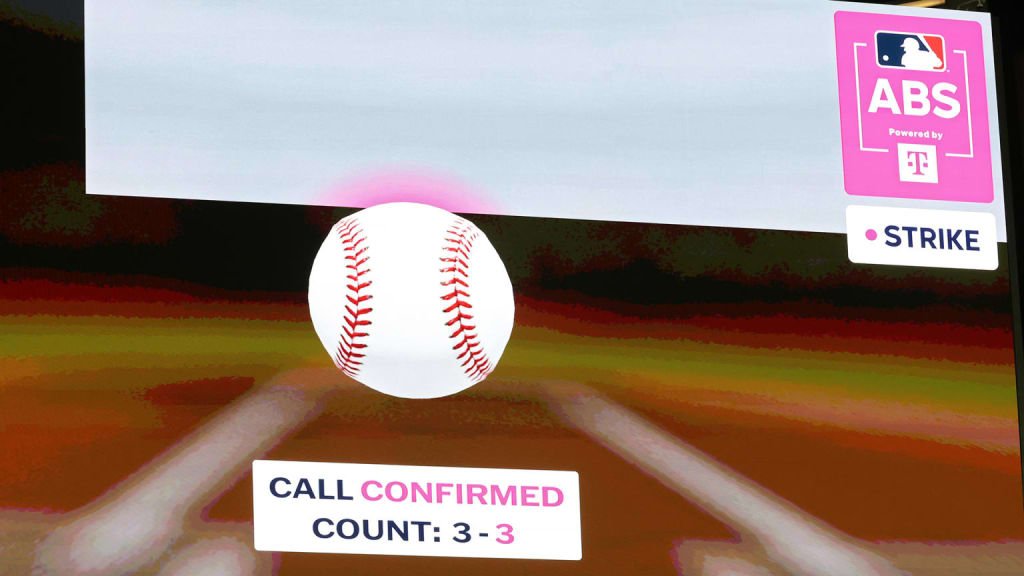
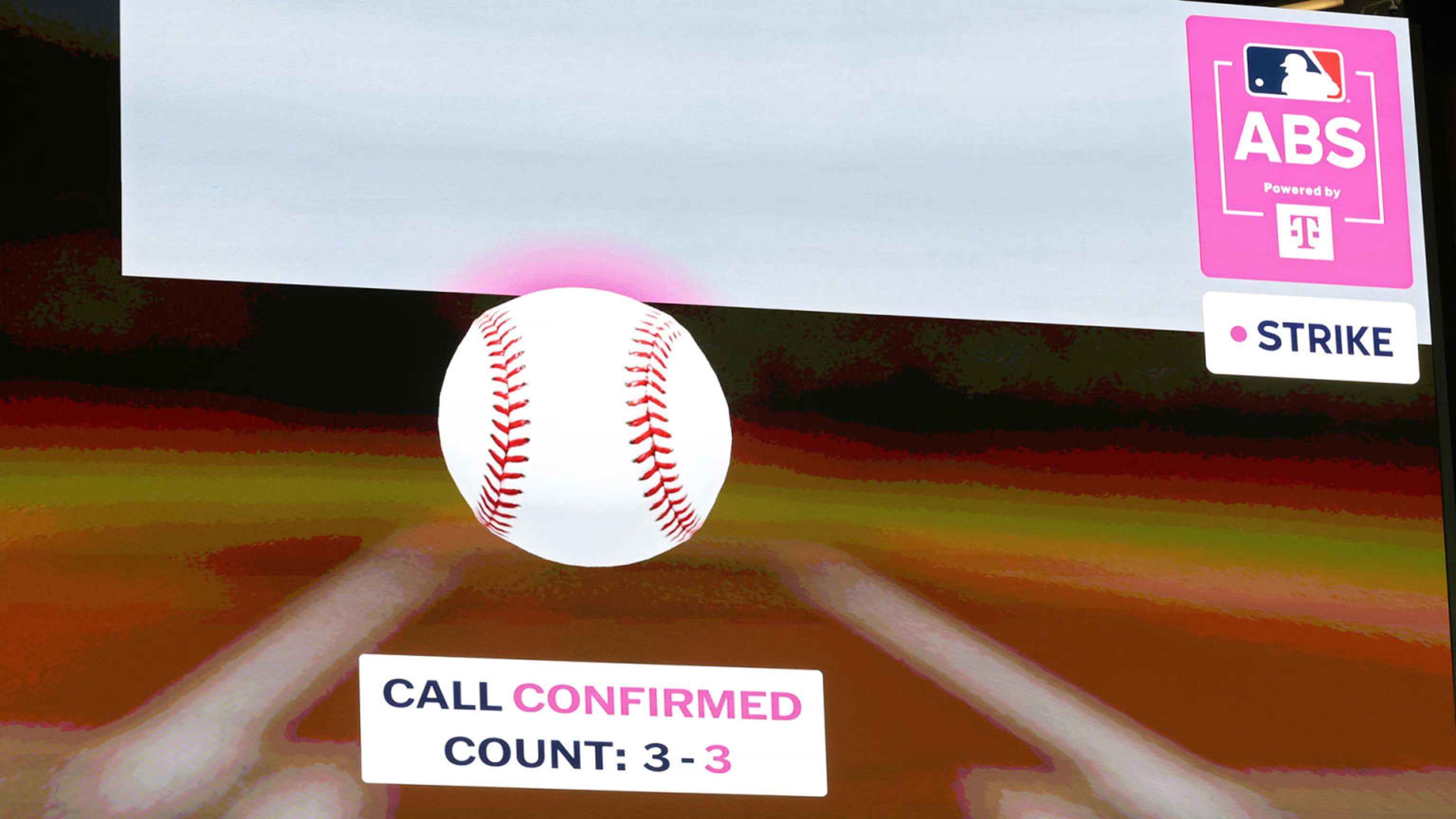
Today, MLB uses technology to track pitches. This is called pitch tracking or pitch framing. Systems like Statcast and Hawk-Eye show exactly where each pitch crosses the plate. TV broadcasts use graphics to help fans see if a pitch was in the strike zone.
However, these systems are not official. Only the umpire’s call counts in the game. There is debate about using “robot umpires” in the future, but for now, humans still decide.
Tips For Spotting Strikes And Balls Yourself
If you want to learn to judge pitches like an umpire, try these tips:
- Watch the catcher’s glove. If the catcher catches the ball in the center of their body, it is likely a strike.
- Focus on the plate, not the batter. The ball must pass over any part of home plate at the right height.
- Look for catcher movement. If the catcher has to reach far to catch the ball, it is probably a ball.
- Notice the batter’s reaction. Experienced batters often know right away if a pitch was a strike or a ball.
- Practice with TV graphics. Many broadcasts show the strike zone. Watch where the ball crosses.
Many beginners miss that the strike zone is three-dimensional—the ball can cross the front of the plate at the right height, even if it curves away by the time it reaches the catcher.
Another common beginner mistake is to focus only on where the catcher catches the ball. But what matters is where the ball crosses the plate, not where it ends up.
The Importance Of Count And Strategy
The count (the number of balls and strikes) changes the game’s strategy. For example:
- Three balls, no strikes (3-0): Pitchers try to throw an easy strike.
- No balls, two strikes (0-2): Pitchers may throw a “waste pitch” outside the zone, hoping the batter will chase.
Knowing what is likely can help you guess whether the next pitch will be a ball or a strike.
Here’s a quick look at how often certain counts lead to a walk (four balls) or a strikeout (three strikes):
| Count | Chance of Walk | Chance of Strikeout |
|---|---|---|
| 3-0 | ~60% | ~2% |
| 0-2 | ~5% | ~55% |
| Full count (3-2) | ~30% | ~25% |
Why Strikes And Balls Matter So Much
Every pitch changes the at-bat. Too many balls and the batter walks to first base. Too many strikes and the batter is out. Pitchers and batters both try to control the count. Umpires must be accurate, or the game is not fair.
A single bad call can change a game. That is why fans, players, and coaches pay so much attention to every pitch.
Frequently Asked Questions
What Happens If The Umpire Makes A Mistake On A Ball Or Strike Call?
Umpires are human and sometimes make mistakes. The call stands, but teams can complain. In MLB, there is no official replay for balls and strikes, though some minor leagues are testing this.
Can A Pitch Be Both A Ball And A Strike?
No. Every pitch is either a strike or a ball, never both. However, if the batter swings and misses at a pitch outside the zone, it is a strike because of the swing.
How Do Electronic Strike Zones Work?
Electronic systems use cameras and computers to track pitches. They show if a pitch was inside the strike zone. Some leagues are testing these as official, but in MLB, only the umpire’s call counts. For more detail, see this Wikipedia article.
Why Do Some Pitches Look Like Strikes On Tv But Are Called Balls?
TV graphics are not always perfect. Also, the umpire’s view can be blocked, or the pitch may curve at the last moment. The strike zone is 3D, so sometimes a pitch can clip the zone and still look outside to the eye.
What Is A “borderline” Pitch?
A borderline pitch is one that is very close to the edge of the strike zone. Umpires must decide quickly, and these pitches often cause arguments between teams and fans.
Learning how strikes and balls are called gives you a deeper understanding of baseball. Next time you watch a game, you will see each pitch differently—catching the drama and skill behind every call.
