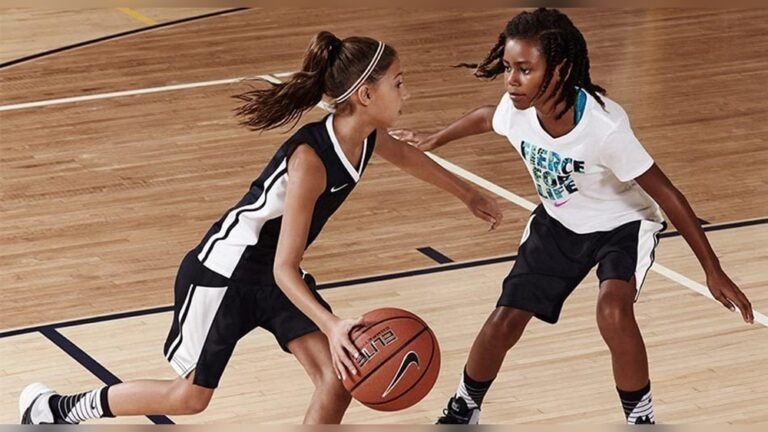
Dribbling is the heartbeat of basketball. When you watch a great player like Stephen Curry or Kyrie Irving, their ball control looks almost magical. They move with the ball as if it’s attached to their hand. But the truth is, anyone can dribble better with the right practice and understanding.
Whether you’re a new player or someone looking to polish your game, learning how to dribble better in basketball can change the way you play. This guide will show you how to improve your dribbling skills with clear steps, real examples, and practical tips you won’t find everywhere else.
Why Dribbling Matters In Basketball
Dribbling is not just about bouncing the ball. It’s the main tool to move across the court, escape defenders, and create scoring chances. If you can dribble well, you can control the game’s pace and create space for yourself and your teammates.
Poor dribbling, on the other hand, leads to turnovers and missed opportunities.
Most coaches agree: ball handling is the foundation for all other basketball skills. Even the best shooters or defenders need to dribble under pressure. If you want to be a complete player, strong dribbling is not optional.
The Basics: Building A Strong Foundation
Before you try advanced moves, you need to master the basics. Many players skip this, but without a solid base, flashy tricks will not help you in real games.
Correct Hand Position
Your fingers, not your palm, should control the ball. Spreading your fingers gives you better grip and control. The ball should bounce up to your waist or just below—higher dribbles are easy for defenders to steal.
Proper Stance
Good dribblers keep a low center of gravity. Bend your knees, keep your back straight, and stay balanced. This position lets you move quickly in any direction.
Eyes Up
It’s tempting to look at the ball, but great dribblers watch the court, not their hand. Practice dribbling while focusing on your surroundings—see your teammates, opponents, and open spaces.
Ball Control
Start with simple stationary dribbles. Use both hands, not just your strong one. Try dribbling 100 times with each hand every day. It builds muscle memory and confidence.
Key Dribbling Drills For Improvement
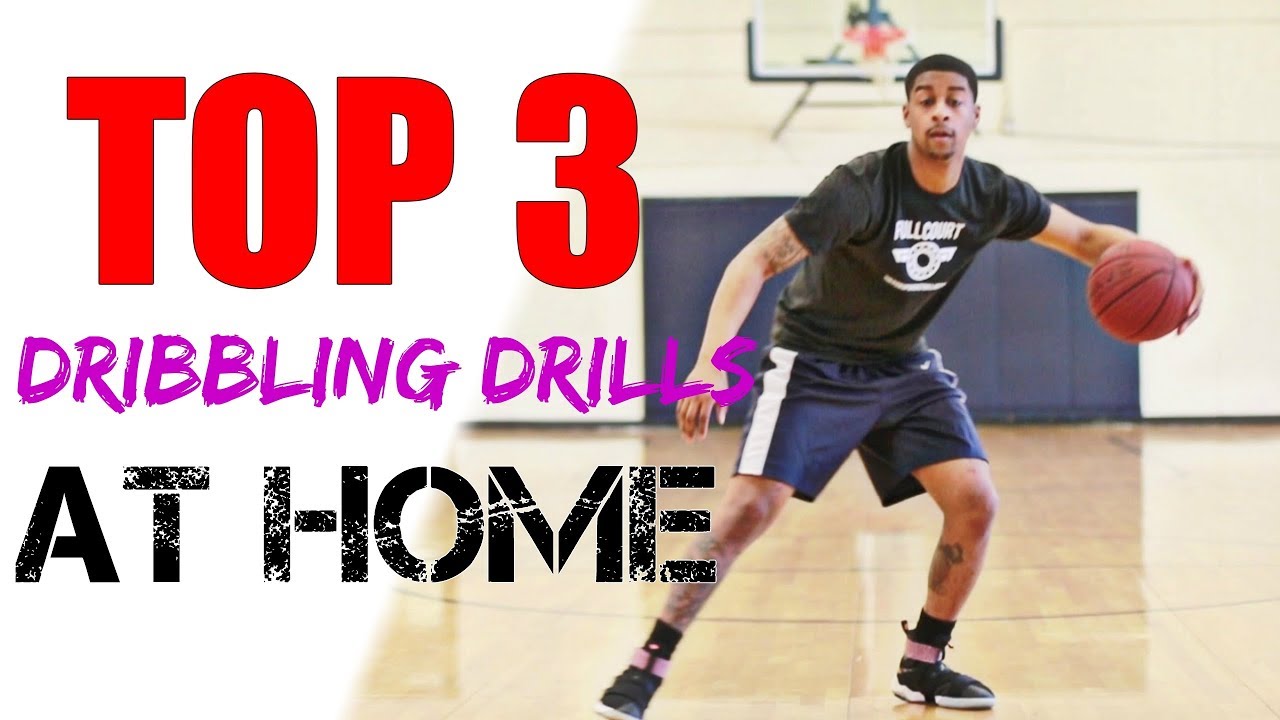
Drills are the fastest way to get better at dribbling. Here are some that work for players at all levels.
- Pound Dribble: Dribble the ball forcefully at your side, using your fingertips. Do this with each hand for 30 seconds.
- Crossover Drill: Quickly switch the ball from one hand to the other in front of your body. Go for 20 reps at a time.
- Zigzag Dribble: Move from one end of the court to the other, changing direction at each line. Use crossovers, between-the-legs, or behind-the-back moves.
- Figure Eight Dribble: Stand with legs apart and dribble the ball in a figure-eight motion around your legs. Start slow, then increase speed.
- Cone Dribbling: Set up cones or water bottles in a line. Dribble in and out, keeping the ball close.
Consistency is more important than speed. Focus on control first, then add quickness.
Advanced Dribbling Techniques
Once you’re comfortable with the basics, try these advanced moves. They help you break down defenders and create your own shot.
Crossover
The crossover is a fast side-to-side move. You fake in one direction, then switch hands and explode the other way. The key is to sell the fake with your shoulders and eyes.
Behind-the-back
This move hides the ball from your defender. Dribble behind your back to change direction or protect the ball under pressure. It’s useful when defenders reach for steals.
Spin Move
Spin your body while keeping your dribble close. This move helps you escape tight defenses. Make sure to protect the ball on the spin’s back side.
Hesitation Dribble
Slow down as if you’re about to stop, then speed up quickly. This change of pace often tricks defenders into relaxing or reaching.
In-and-out Dribble
Move the ball in one hand as if you’ll cross it over, but then pull it back and continue with the same hand. It’s subtle but very effective.
Common Dribbling Mistakes And How To Fix Them
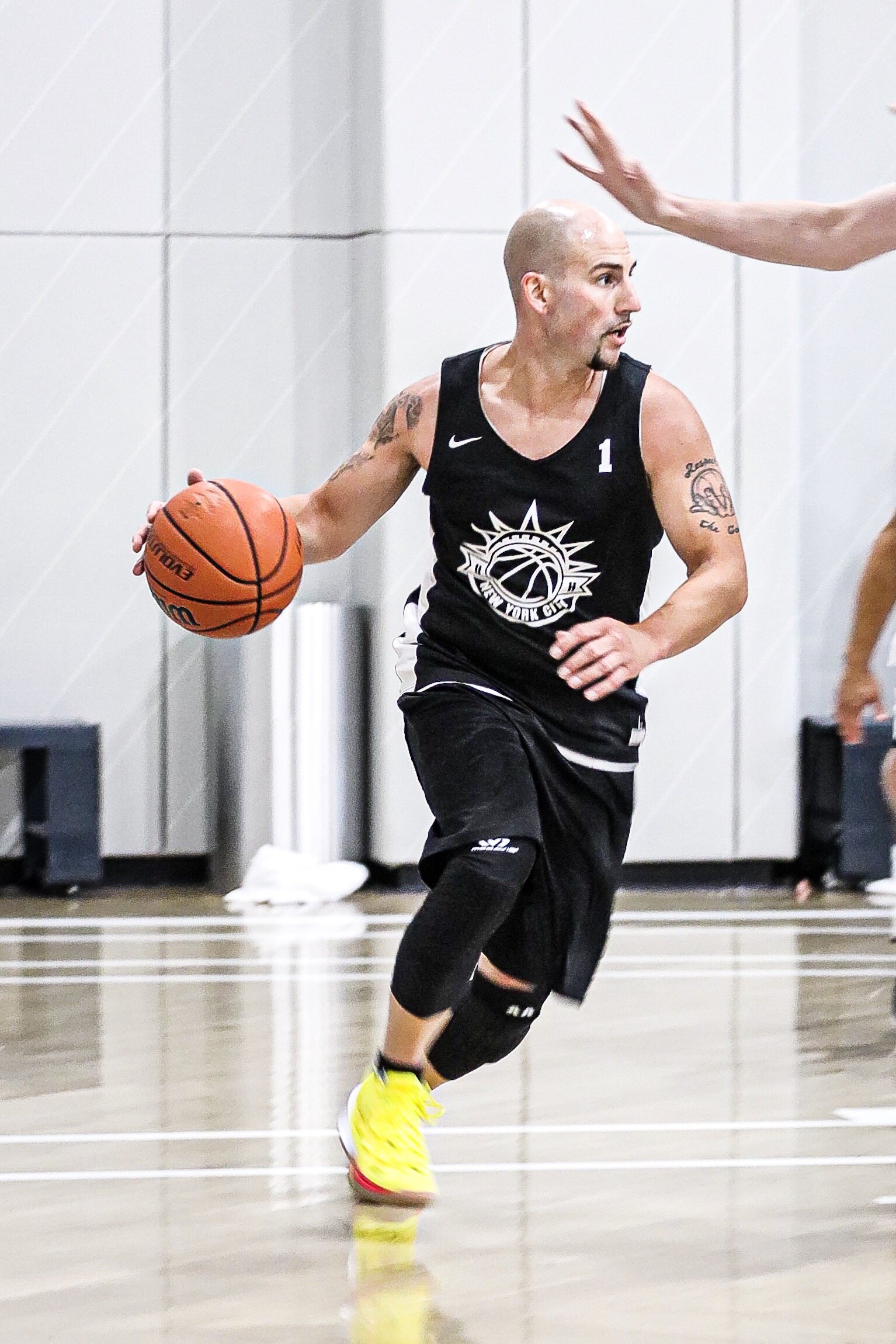
Even good players make mistakes when dribbling. Knowing what to avoid can speed up your progress.
- Dribbling Too High: High dribbles are easier to steal. Keep the ball below your waist, especially in traffic.
- Using Only One Hand: If you only dribble with your strong hand, defenders can force you to your weak side. Practice with both hands equally.
- Stiff Body: If your knees are straight, you can’t move quickly. Always bend your knees and stay low.
- Not Using the Off-Hand: Your non-dribbling hand should shield the ball from defenders, not hang at your side.
- Watching the Ball: This stops you from seeing open teammates or defenders. Train your eyes to look ahead.
How To Dribble Under Pressure
In games, defenders will try to steal the ball. To dribble better under pressure, you need to stay calm and use smart body movements.
- Protect the Ball: Keep your body between the defender and the ball.
- Use Your Off-Hand: Hold your non-dribbling arm out, but don’t push—just create space.
- Keep Your Head Up: Scan the court for open teammates or driving lanes.
- Change Speeds: Mix slow dribbles with sudden bursts of speed to throw off defenders.
- Stay Low: The lower you are, the harder it is for defenders to reach the ball.
Practicing With Purpose: The 3 Key Principles
It’s not enough to just spend hours dribbling. Focus on the following principles to make your practice much more effective.
1. Quality Over Quantity
Dribble with intention. Doing 10 minutes of focused, mistake-free dribbling is more valuable than 30 minutes of lazy practice.
2. Game-like Situations
Practice moves you’ll actually use in games. For example, dribble at game speed, use defensive pressure (ask a friend to guard you), and make quick decisions.
3. Consistency
Dribbling is like learning a language—the more often you do it, the more natural it feels. Short, daily sessions (10–15 minutes) are better than one long session each week.
How Nba Players Train Their Dribbling
NBA players are the best dribblers in the world, but even they practice the basics every day. For example, Chris Paul spends the first 10 minutes of every practice on simple ball-handling drills. Kyrie Irving often does two-ball dribbling drills to challenge his coordination.
One non-obvious insight: top players work on dribbling under fatigue. They’ll dribble after running sprints to simulate game tiredness. This builds control even when your legs are heavy.
Another secret: many pros use weighted balls (basketballs that are heavier than normal) in drills. This makes their regular ball feel lighter and more responsive during games.
Data: How Dribbling Affects Game Performance
Let’s look at how important dribbling is in real games. Here’s a comparison of turnover rates for teams with strong vs. weak ball handlers in the NBA (2023 season):
| Team Type | Average Turnovers/Game | Winning Percentage |
|---|---|---|
| Strong Ball Handlers | 12.3 | 62% |
| Weak Ball Handlers | 16.7 | 47% |
Teams with better dribblers turn the ball over less and win more games. This shows how valuable ball control is at all levels of play.
Comparing Popular Dribbling Drills
Some drills are better for beginners, others for advanced players. Here’s a quick comparison:
| Drill Name | Skill Level | Focus Area |
|---|---|---|
| Pound Dribble | Beginner | Ball Control |
| Figure Eight | Intermediate | Hand Quickness |
| 2-Ball Dribble | Advanced | Coordination |
| Zigzag Dribble | All Levels | Change of Direction |
Mixing different drills challenges your body in new ways and avoids boredom.

Choosing The Right Ball For Dribbling Practice
Your ball choice affects your dribbling. Use a ball that matches your age and level.
| Ball Size | Age Group | Best For |
|---|---|---|
| Size 5 | 9 & Under | Young Players |
| Size 6 | 10–14 | Youth Players |
| Size 7 | 15 & Up | High School & Adults |
A ball that’s too big or heavy can make learning harder. Start with the right size for your age.
Two Insights Most Beginners Miss
- Dribbling in Traffic Is Different: Practicing alone is not enough. The real test comes when defenders are reaching for the ball. Add pressure by playing 1-on-1 or using cones as defenders.
- Body Movement Matters as Much as Hands: Great dribblers move their hips, shoulders, and feet to protect the ball and fake out defenders. Work on your footwork, not just your hands.
How To Track Your Progress
Set clear goals for your dribbling practice. For example, time yourself: how many crossovers can you do in 30 seconds without losing the ball? Or, see how many cones you can dribble through without a mistake. Write down your scores and aim to improve each week.
Filming yourself is another powerful tool. You’ll see bad habits you didn’t notice before, like standing too straight or looking down.
Getting Help: When To Work With A Coach
A good coach can spot weaknesses and give you feedback you can’t get alone. If you’re serious about improving, consider joining a camp or team. Even one private lesson can make a big difference.
There are also many high-quality tutorials online. For example, the NBA official site offers skill videos from top trainers.
Frequently Asked Questions
How Long Does It Take To Improve My Dribbling?
Most players see real progress after 2–4 weeks of daily practice. Improvement depends on your focus and how often you work on both hands and different moves.
Should I Practice Dribbling With My Weak Hand?
Yes, always. The more comfortable you are with both hands, the harder it is for defenders to stop you. Spend at least half your practice time on your weaker hand.
What’s The Best Age To Start Dribbling Practice?
You can start as young as five or six years old. The earlier you start, the easier it is to build strong habits. But it’s never too late—adults can improve their dribbling with regular practice.
How Do I Dribble Better In Games Compared To Practice?
Try to practice at game speed and under pressure. Add defenders, play 1-on-1, or use a timer. The more game-like your practice, the better you’ll perform in real games.
Can I Get Better At Dribbling Without A Court?
Yes. You can practice ball-handling in your driveway, garage, or even inside your house with a rubber ball. Focus on control, low dribbles, and using both hands.
Improving your dribbling takes time, patience, and smart practice. But every bit of progress will make you a more confident and effective basketball player. Stay consistent, keep challenging yourself, and remember: even the best dribblers in the world started with simple, daily drills.
