When the snow starts falling and the mountains call, nothing ruins a ski trip faster than being cold, wet, or uncomfortable. The right ski jacket is more than a style statement—it’s your shield against the elements, your mobile comfort zone, and sometimes, your safety net.
But with so many options, technical terms, and price ranges, how do you choose the right ski jacket? Whether you’re a first-timer or a seasoned pro looking to upgrade, this guide will help you make a confident choice.
Understanding Types Of Ski Jackets
Before looking at features, it’s important to know the main types of ski jackets. Each serves a different purpose and fits a different style of skiing.
Insulated Jackets
Insulated jackets are the most common for recreational skiers. They combine a waterproof outer shell with built-in insulation (synthetic or down). This all-in-one design keeps you warm and dry, making it a popular pick for cold conditions and those who don’t layer much.
Shell Jackets
Shell jackets offer a lightweight, waterproof, windproof layer without insulation. You control warmth by adding or removing layers underneath. Shells are the top choice for advanced skiers, backcountry adventurers, or anyone who wants flexibility.
3-in-1 Jackets
A 3-in-1 jacket consists of a waterproof shell and a zip-out insulated liner that can be worn separately or together. This option is great for unpredictable weather or those who want one jacket for all conditions, but the fit and protection may not be as perfect as dedicated shells or insulated jackets.
Non-obvious insight: Some skiers buy both a shell and an insulated jacket. The shell handles wet, warm days while the insulated jacket is reserved for freezing conditions.
Key Features: What Really Matters
Jacket marketing can be overwhelming. Here’s a breakdown of the essential features you should look for and why they matter:
Waterproofing And Breathability
These two properties determine how well your jacket performs in snow, rain, and sweat.
- Waterproof rating is measured in millimeters (mm). A jacket rated 10,000 mm can handle most snowy days. For heavy, wet snow or rain, look for 15,000 mm or higher.
- Breathability is measured in grams (g). A rating of 10,000 g or more means the jacket can release sweat vapor, keeping you dry inside.
Pro tip: Gore-Tex and similar membranes offer excellent waterproofing and breathability. Cheaper coatings can work but often lose effectiveness with time.
Insulation
There are two main types:
- Synthetic insulation (like PrimaLoft) works even when wet and dries quickly. It’s usually more affordable and easier to care for.
- Down insulation is warmer for its weight but loses insulating power when wet unless it’s treated with a water-resistant finish.
Choose more insulation for cold resorts and less for warm, spring skiing.
Fit And Mobility
A ski jacket should allow easy movement, especially at the shoulders and arms. Try on jackets with your base and mid-layers underneath.
- Regular fit gives space for layers and comfort.
- Athletic fit is slimmer, for those who like a closer cut.
- Articulated sleeves and stretch fabrics improve freedom of movement.
Seams And Zippers
A jacket’s seams and zippers are weak points for water entry.
- Fully taped seams mean every seam is sealed—a must for harsh, wet conditions.
- Critically taped seams seal only key areas—fine for dry climates.
- Waterproof zippers or zipper flaps keep water out.
Ventilation
Pit zips or underarm vents help release heat without removing your jacket. This is especially important for backcountry or high-intensity skiing.
Pockets And Storage
Look for:
- Goggle pocket: Soft, often fleece-lined.
- Pass pocket: For easy lift access.
- Media pocket: With headphone routing.
- Handwarmer pockets: Often lined with soft fabric.
Powder Skirt And Cuffs
A powder skirt is an elastic or snap closure inside the jacket, keeping snow out if you fall. Adjustable cuffs (with Velcro or elastic) block wind and snow from sleeves.
Hood
A helmet-compatible hood is important if you ski with a helmet. Look for adjustable, removable hoods for versatility.
Non-obvious insight: Some jackets have a RECCO reflector, a safety feature that helps rescuers locate you in an avalanche.
Materials And Durability
Not all materials are equal. Here’s a quick look at what’s inside your jacket:
Outer Fabric
Most jackets use nylon or polyester shells. Higher-denier fabrics are tougher and last longer, but may be heavier.
Membrane
- Gore-Tex is the gold standard for waterproofing and breathability.
- Proprietary membranes (like DryVent, H2No) can offer good performance at a lower price.
Dwr Coating
A Durable Water Repellent (DWR) coating makes water bead up and roll off the surface. It needs reapplying over time.
Pro tip: Check the care instructions. Some jackets lose their waterproofing if washed incorrectly.
Comparing Common Ski Jacket Types
Here’s a quick comparison to help you visualize the differences:
| Type | Warmth | Versatility | Best For |
|---|---|---|---|
| Insulated | High | Low-Medium | Resort, cold weather |
| Shell | Low (layer as needed) | High | Backcountry, varying weather |
| 3-in-1 | Medium-High | Very High | Changing conditions, travel |
Climate And Location: Matching Your Jacket To Conditions
Where and how you ski should guide your choice:
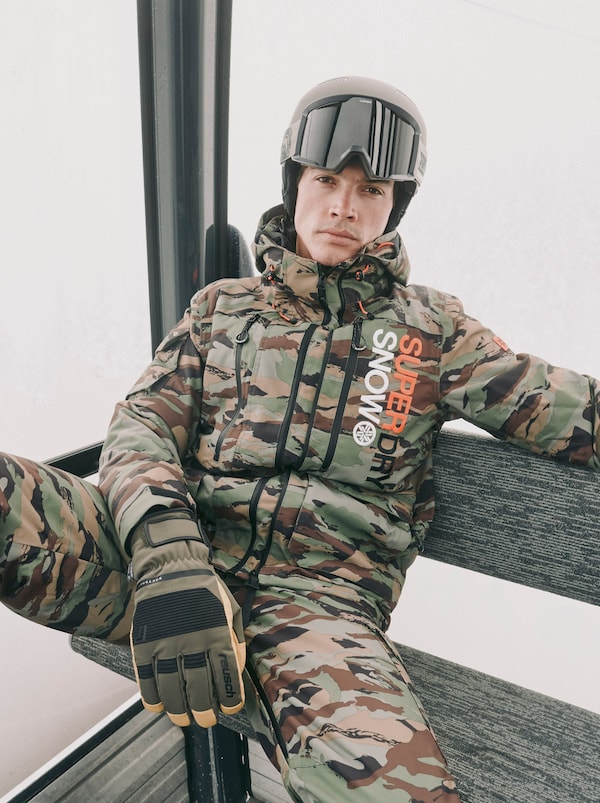
- Cold, dry climates (e.g., Colorado, Canada): Insulated jackets shine here.
- Wet, mild climates (e.g., Pacific Northwest): Prioritize waterproofing and breathability, consider shells with layering.
- Spring skiing: Shells or light insulation work best; look for vents.
- Backcountry skiing: Lightweight, breathable shells are essential for uphill climbs and deep powder.
Example: A trip to Whistler in March might need a shell with good venting, while a January trip to Vermont calls for serious insulation.
Fit: How Your Jacket Should Feel
Fit is more than style. It affects comfort, warmth, and even safety.
- Try jackets with your base layers and mid-layers on.
- Raise your arms and twist—does anything pull or feel tight?
- The hem should cover your waist and lower back, but not restrict movement.
- Sleeves should reach your wrists when arms are extended.
- The hood should fit over your helmet without blocking your view.
Quick check: Sit down as if riding a ski lift. The jacket should not ride up or pull tightly.
Important Features Breakdown
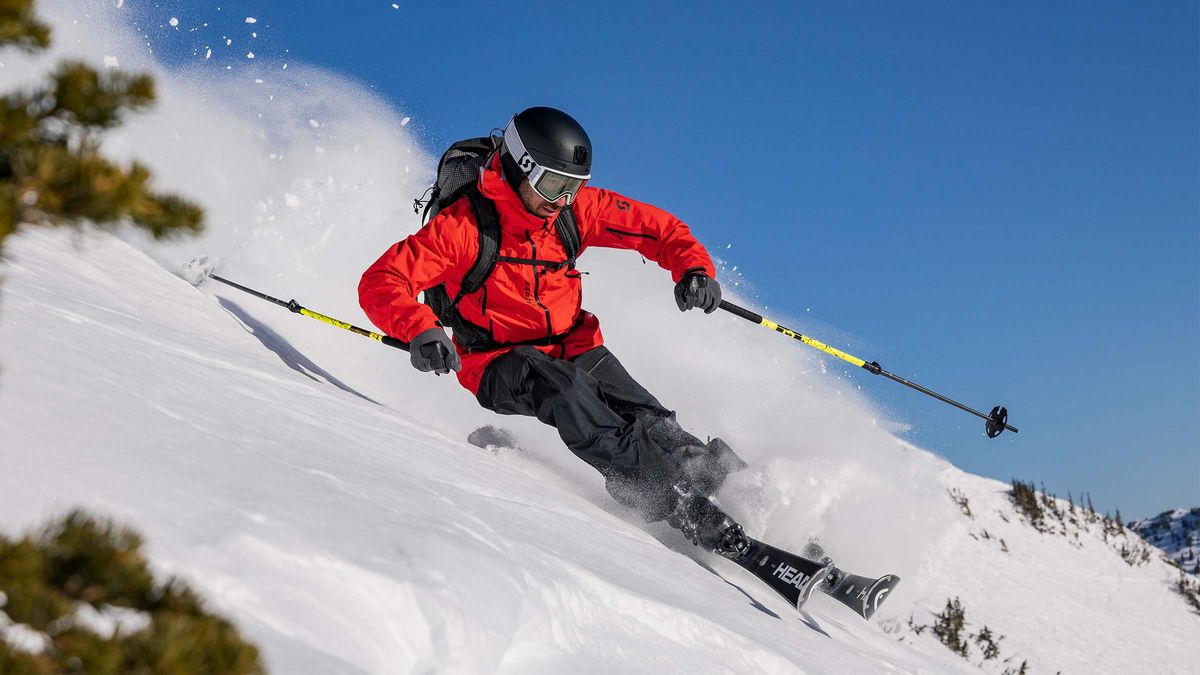
To quickly compare features, see the table below:
| Feature | Why It Matters | Must-Have? |
|---|---|---|
| Pit zips | Release heat during intense activity | Recommended |
| Powder skirt | Stops snow from entering jacket | Essential for powder |
| Wrist gaiters | Seal out snow at sleeves | Useful |
| Helmet-compatible hood | Fits over ski helmet | Very useful |
| RECCO reflector | Helps rescuers in avalanches | Bonus for safety |
Budget: How Much Should You Spend?
Ski jackets range widely in price. Here’s what you can expect:
- Entry-level (under $150): Basic waterproofing, synthetic insulation, fewer features. Good for occasional use.
- Mid-range ($150–$350): Better waterproofing, more features (vents, powder skirt), improved durability.
- High-end ($350+): Top materials (Gore-Tex), advanced features, best breathability and weather protection.
Tip: Spending more often means better durability and comfort, but bargains can be found during end-of-season sales. Don’t overpay for brand names or features you won’t use.
Style And Color: More Than Looks
While not as critical as performance, style and color impact your experience:
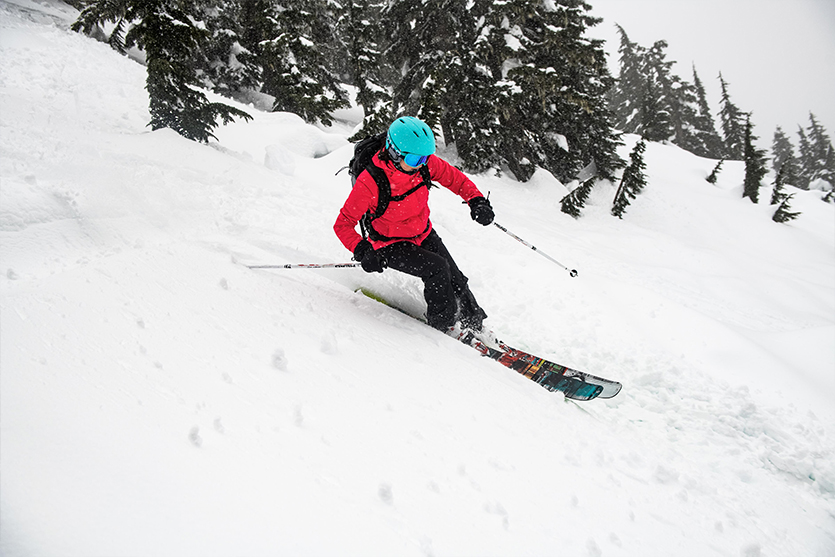
- Bright colors help friends or rescuers spot you in bad weather.
- Neutral tones hide stains and look less dated.
- Reflective details are a bonus for safety.
Non-obvious insight: Some resorts have dress codes for uniforms or lessons. Check if you need a specific color or style.
Common Mistakes To Avoid
Even experienced skiers make these errors:
- Ignoring fit: Too tight or too loose ruins comfort and movement.
- Choosing style over performance: Looks matter, but warmth and dryness are more important.
- Underestimating breathability: Overheating is common—ventilation matters as much as insulation.
- Forgetting about pockets: You’ll want places for snacks, passes, phones, and more.
- Not thinking about layering: If you already own good layers, a lighter jacket may work better.
How To Try On And Test A Jacket
Don’t just go by size charts. Here’s how to test:
- Wear your usual ski base and mid-layers.
- Zip up fully, adjust the hood and cuffs.
- Move your arms overhead and twist side to side.
- Sit down or crouch as if on a lift.
- Check pocket placement and ease of use with gloves on.
- Try the hood over your helmet.
If you shop online, read reviews and check return policies. Try the jacket at home before hitting the slopes.
Caring For Your Ski Jacket
A good ski jacket lasts years if cared for:
- Wash as directed—usually cold, gentle cycle, mild detergent.
- Reapply DWR treatment every few washes.
- Store dry, away from sunlight.
- Check seams and zippers for damage before each season.
For more on waterproof materials and care, see the Wikipedia Waterproof Fabric entry.
Frequently Asked Questions
What’s The Difference Between A Ski Jacket And A Regular Winter Jacket?
A ski jacket is designed for activity, with features like waterproofing, breathability, vents, and special pockets. Regular winter jackets focus more on warmth and may not be as weatherproof or comfortable for skiing.
How Should A Ski Jacket Fit?
It should be roomy enough for layers but not baggy. You should move your arms freely, and the hem should cover your waist when you sit or bend. The hood must fit over your helmet if you wear one.
Is Gore-tex Worth The Extra Cost?
For frequent or serious skiers, Gore-Tex offers excellent long-term waterproofing and breathability. For casual skiers, a high-quality proprietary membrane can also work well and save money.
How Do I Layer Under A Ski Jacket?
Start with a moisture-wicking base layer (like merino or synthetic), add a warm mid-layer (fleece, wool), and top with your ski jacket. Adjust layers for changing weather and activity levels.
What Features Are Most Important For Beginners?
Waterproofing, insulation, and a good fit are key for beginners. Ventilation, powder skirt, and helmet-compatible hood are helpful but not essential for occasional skiers.
Choosing the right ski jacket is a balance between protection, comfort, and budget. If you focus on the features that truly matter—waterproofing, insulation, fit, and the extras you’ll actually use—you’ll stay warm and dry, letting you enjoy every run on the mountain.
