Choosing the right golf clubs is one of the most important steps to improving your game. Many beginners buy a full set without thinking about their needs, while experienced players often seek custom clubs for small advantages. The truth is, the right clubs can make golf easier, more enjoyable, and help you lower your scores.
But how do you pick the best set for your skill, body type, and playing style? This guide will help you understand what matters, what mistakes to avoid, and how to make smart decisions when buying golf clubs.
Understanding Golf Club Types
Golf clubs are not all the same. Each type is designed for a specific purpose, and knowing what each one does can help you build a balanced set.
Woods
Woods are used for long-distance shots, usually off the tee or fairway. The driver (1-wood) is the longest club with the largest head, helping you hit the ball far. Fairway woods (3, 5, or 7-wood) are slightly shorter and easier to control but still offer good distance.
Irons
Irons are for more precise shots, especially when you are less than 200 yards from the green. They are numbered (usually 3 to 9) — the lower the number, the longer the shot and the lower the loft.
Hybrids
Hybrids combine features of woods and irons. They are easier to hit than long irons and can be a great option for beginners or those who struggle with long irons.
Wedges
Wedges are specialized irons for short, high shots. The most common types are pitching wedge, sand wedge, gap wedge, and lob wedge. Each helps with different situations like getting out of sand or hitting over obstacles.
Putters
Putters are used on the green to roll the ball into the hole. They come in different shapes and sizes, so finding one that feels comfortable is important.
Assessing Your Skill Level
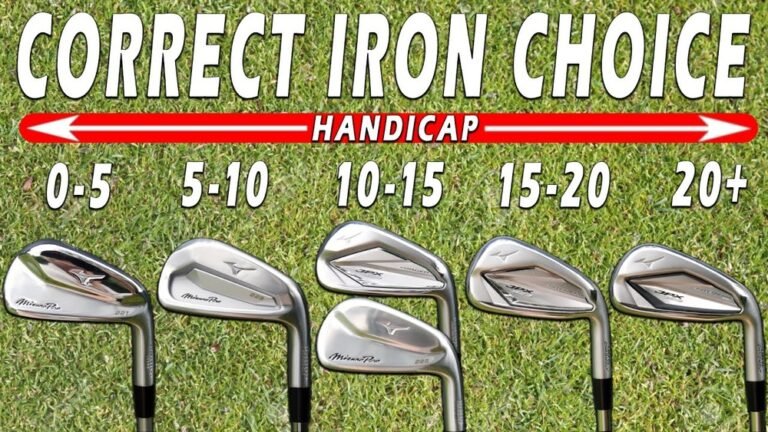
Your experience level should guide your club selection. Many players make the mistake of buying advanced clubs too early, which can slow their progress.
- Beginners should look for clubs that are forgiving and easy to use. Oversized clubheads, graphite shafts, and hybrids instead of long irons are all good choices.
- Intermediate players may want to experiment with different shaft flexes, more traditional irons, and a wider variety of wedges.
- Advanced golfers often choose custom-fitted clubs to match their swing and style.
One insight: Many new players believe more expensive clubs will improve their game instantly. In reality, the right fit matters far more than price.
Importance Of Club Fitting
Club fitting means adjusting the clubs to suit your body and swing. This process includes measuring your height, arm length, swing speed, and even how you grip the club.
Why Club Fitting Matters
A properly fitted club helps you hit straighter and more consistently. For example, a shaft that is too stiff or too flexible can cause wild shots. The wrong club length can make you bend too much or stand too tall, hurting your accuracy.
Custom Vs. Standard Clubs
Many shops offer basic fitting for free or a small fee. Custom clubs can be more expensive, but they help serious golfers play their best. Even small tweaks, like changing grip size or lie angle, can make a big difference.
Key Factors To Consider When Choosing Golf Clubs
Shaft Material
Graphite shafts are lighter and help generate more swing speed, making them good for beginners, seniors, and those with slower swings. Steel shafts are heavier and offer more control, favored by stronger or more experienced players.
Shaft Flex
The flex refers to how much the shaft bends during a swing. Common options are extra stiff, stiff, regular, senior, and ladies. Choosing the wrong flex can cause hooks, slices, and loss of distance.
Clubhead Size And Design
Oversized heads are more forgiving and easier to hit, while smaller heads allow for more control but require precise contact.
Grip Size
A grip that is too small or large can affect your swing. If your hands are big or small, ask for different grip sizes during fitting.
Set Makeup
Most players do not need every club from 1 to 9 iron. Many sets replace long irons with hybrids and choose only the wedges that match their game. Carrying clubs you are comfortable with is more important than having a “complete” set.

Comparing Club Sets: Pre-packaged Vs. Custom
You will often face a choice between buying a pre-packaged set or building a set club by club.
| Aspect | Pre-Packaged Set | Custom Set |
|---|---|---|
| Cost | Lower | Higher |
| Fit | General | Personalized |
| Selection | Standard | Choose each club |
| Best For | Beginners, casual players | Intermediate/advanced |
Pre-packaged sets are a good way to start, but as your game improves, you may want more control over each club in your bag.
Common Mistakes When Choosing Golf Clubs
- Buying clubs without a fitting: Even beginners should get basic measurements to avoid common problems.
- Choosing the wrong shaft flex: Swing speed matters more than age or gender.
- Ignoring hybrids: Many struggle with long irons and would benefit from easier-to-hit hybrids.
- Focusing only on brand or price: Big brands are not always better for your game. Focus on fit and comfort.
- Carrying too many clubs: The rules allow 14 clubs, but you do not need to fill every spot if you are not comfortable with all of them.
How Your Physical Build Affects Club Selection
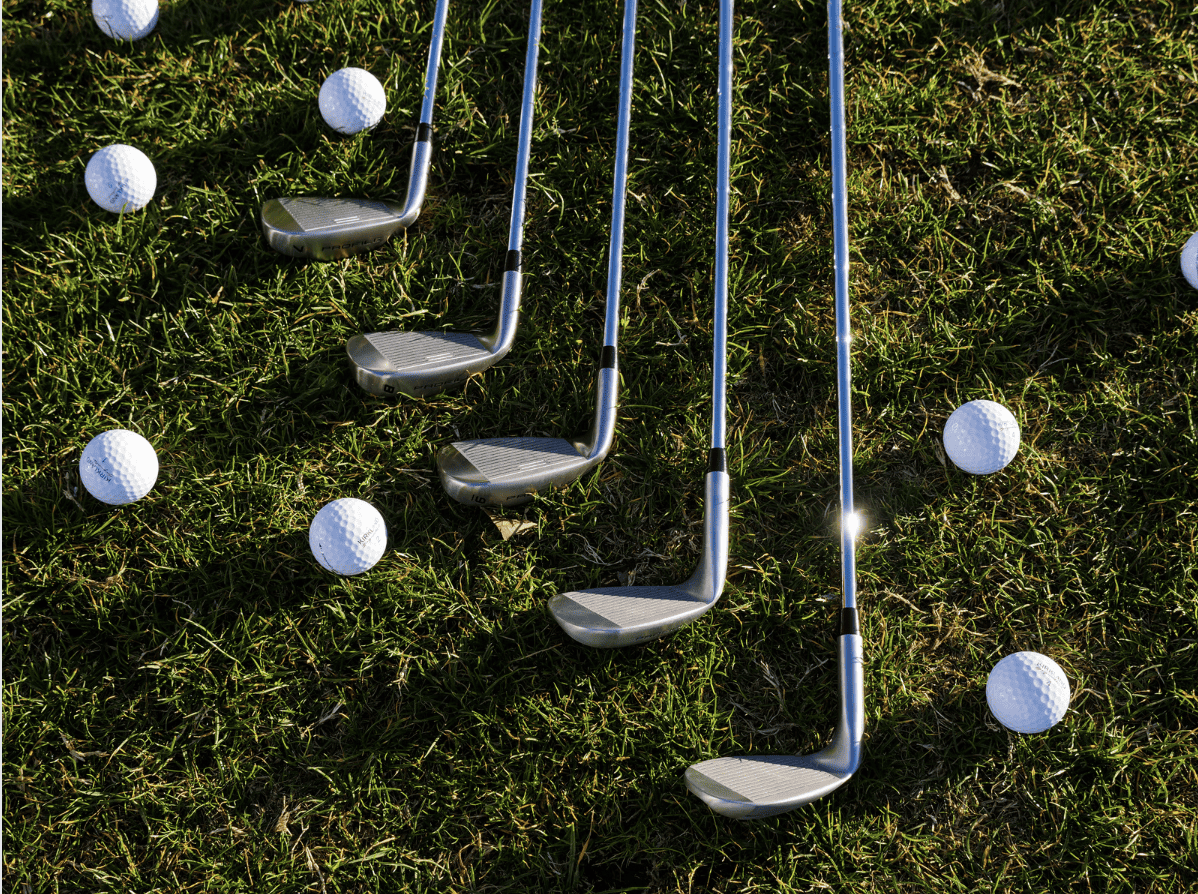
Your height, arm length, and even your hand size all impact what clubs will work best for you.
- Taller players may need longer shafts or upright lie angles.
- Shorter players might need shorter clubs to stand comfortably over the ball.
- Large hands usually require thicker grips for better control.
Most pro shops can measure you quickly. This is a step many amateurs skip, but it prevents years of bad habits.
Trying Before Buying
It is smart to test clubs before you buy. Most stores and driving ranges offer demo clubs.
- Try different brands, shaft materials, and flex levels.
- Pay attention to how the club feels in your hands and during the swing.
- Notice if some clubs help you hit straighter or with less effort.
Borrowing or renting before buying a full set can save you money and help you make a confident decision.
Analyzing Loft, Lie, And Length
Three measurements often confuse new golfers but are important for fit and performance.
| Measurement | Description | Why It Matters |
|---|---|---|
| Loft | Angle of the clubface | Affects height and distance of the shot |
| Lie | Angle between shaft and ground | Impacts accuracy; wrong lie causes hooks/slices |
| Length | Overall club length | Needs to match your body for comfort |
A common insight: Many players struggle with slicing or hooking, not because of their swing but because their clubs have the wrong lie angle or length.
When To Upgrade Your Golf Clubs
You do not need new clubs every year. Upgrade when:
- Your skill improves and you want more control or distance.
- Your body changes (for example, if you get stronger or lose flexibility).
- Your current clubs are damaged or outdated.
If you start hitting the ball well but want more feel or workability, it may be time to shop for new clubs.
Brand And Model Differences
Different brands offer unique technologies and materials, but the biggest difference is often feel and forgiveness.
- Callaway and TaylorMade focus on forgiveness for beginners.
- Titleist and Mizuno are preferred by advanced players for control.
- Ping is known for custom fitting.
Research independent reviews and player feedback before deciding. For more on brands and technology, visit the PGA official site.
Golf Club Care And Maintenance
Taking care of your clubs can extend their life and keep your game sharp.
- Clean clubheads after each round.
- Check grips for wear and replace as needed.
- Store clubs in a dry place to avoid rust.
A well-maintained set will help you play your best and protect your investment.
Practical Examples: Building A Starter Set
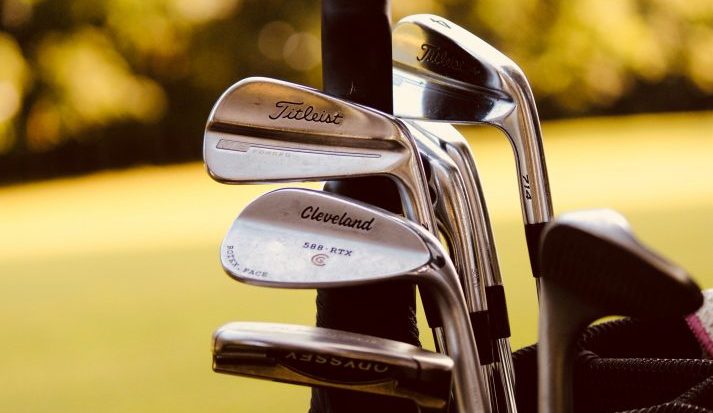
If you are a beginner, you do not need 14 clubs. Here’s a simple, effective starter set:
- Driver (for tee shots)
- Hybrid (replaces long iron)
- 5-iron
- 7-iron
- 9-iron
- Pitching wedge
- Sand wedge
- Putter
This covers all basic situations without making your bag heavy or complicated.
Women, Seniors, And Juniors: Special Considerations
Women’s, seniors’, and junior clubs are built for different swing speeds and strength levels.
- Women’s clubs are lighter, have more flexible shafts, and smaller grips.
- Seniors’ clubs offer extra flex and sometimes larger, more forgiving clubheads.
- Junior sets are sized for kids’ height and strength.
Buying the right set for your age and strength helps you enjoy the game and avoid injury.
Frequently Asked Questions
What Is The Most Important Factor When Choosing Golf Clubs?
The fit and feel of the clubs are most important. Clubs that match your body and swing will help you hit straighter, more consistent shots.
Should I Buy A Full Set Or Individual Clubs?
Beginners can start with a pre-packaged set for convenience and savings. As you improve, you may want to add or replace clubs one at a time to suit your style.
How Often Should I Replace My Golf Clubs?
Most clubs last 5-10 years if cared for properly. Upgrade when you notice wear, technology improves, or your game changes.
Do Expensive Clubs Make A Difference?
Price does not guarantee better performance. Proper fit and comfort are more important than brand or cost.
Can I Use Men’s Clubs If I’m A Woman Or Vice Versa?
You can, but women’s clubs are designed for slower swings and smaller hands. Try both to see which feels better for you.
—
Choosing the right golf clubs is about much more than picking a famous brand or the latest model. Focus on fit, comfort, and your own style of play. Getting measured, trying clubs before buying, and starting simple can save you money and frustration.
As you improve, you will learn what works best for your game — and the right clubs will help you enjoy golf for years to come.
