
Choosing the right baseball glove can make a big difference in how you play. The perfect glove helps you catch balls more easily, throw quickly, and feel confident on the field. But with so many types, sizes, and features, finding the best glove for your position is not simple—especially for beginners or those buying their first glove.
This guide will break down everything you need to know, whether you’re a parent shopping for a young player or an adult joining a recreational league.
Why Your Position Matters
Each position on the baseball field has different responsibilities and needs. For example, an outfielder often catches high fly balls, while an infielder deals with fast grounders. Because of these differences, manufacturers design gloves specifically for each position. Using the right glove not only improves your game but also reduces the risk of injury.
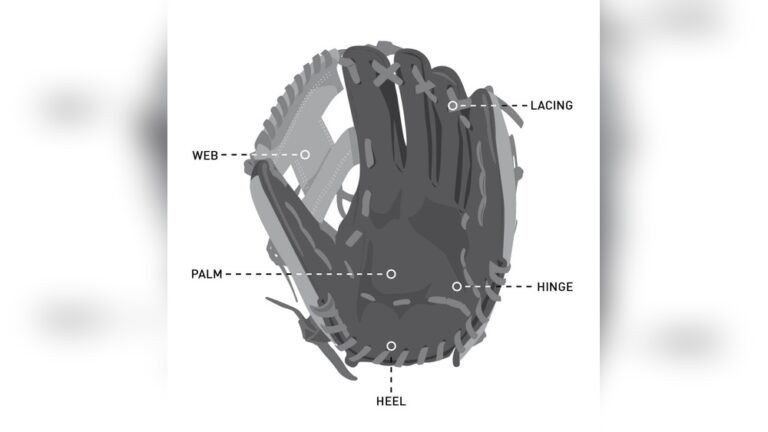
Main Parts Of A Baseball Glove
Before choosing, it helps to understand the parts of a glove:
- Webbing: Connects the thumb to the fingers; helps trap the ball.
- Pocket: The area where you catch the ball.
- Heel: The lower part of the glove, below the palm.
- Lacing: The leather that holds the glove together.
- Wrist Adjustment: Some gloves have straps or laces to fit your hand size.
Knowing these terms will make it easier to compare gloves and talk with salespeople or coaches.
Glove Sizing And Fit
Getting the right size is crucial. Too big, and you’ll fumble the ball. Too small, and it will be uncomfortable. Glove sizes are measured in inches, from the tip of the index finger to the heel.
| Age Group | Infield Glove Size | Outfield Glove Size | First Base Glove Size | Catchers Mitt Size |
|---|---|---|---|---|
| 5-7 years | 9″ – 10″ | 10″ – 11″ | 11″ – 11.5″ | 29.5″ – 30″ |
| 8-10 years | 10″ – 11″ | 11″ – 12″ | 11.5″ – 12″ | 30″ – 31″ |
| 11-13 years | 10.5″ – 11.5″ | 11.5″ – 12.5″ | 12″ – 12.5″ | 30″ – 32″ |
| Teen/Adult | 11″ – 12″ | 12″ – 13″ | 12″ – 13″ | 32″ – 34.5″ |
Always try on a glove if possible. A good glove should feel snug but not tight. You should be able to open and close your hand easily.
Gloves By Position
Each position needs a glove with special features. Let’s look at what matters for each spot on the field.
Pitcher
Pitchers need a glove that hides their grip from the batter and coaches. Most choose a closed web design so the ball is not visible before the pitch. Size is usually 11. 5″ to 12. 5″ for adults.
Key features:
- Closed web for hiding pitches
- Good balance of size and control
Catcher
Catchers use a mitt (not a glove) with extra padding. It’s round, with a closed pocket for handling fast throws. Sizes are measured by circumference, not length, and usually range from 32″ to 34. 5″.
Key features:
- Extra padding to protect hands
- Deep, closed pocket for catching fastballs
- Reinforced finger stalls
First Base
First basemen use a unique glove, longer and wider than others. It helps scoop low throws and catch errant balls. The web is usually open, and the glove has a curved edge.
Key features:
- Long, curved design for scooping
- Shallow pocket for fast release
- Open web for visibility
Infield (second Base, Shortstop, Third Base)
Infielders need a smaller glove for quick throws and fast ball transfers. Shortstops and second basemen prefer 11″ to 11. 75″, while third basemen often use slightly larger gloves.
Key features:
- Shallow pocket for fast ball transfer
- Open or I-web for visibility and control
Outfield
Outfielders need a larger glove with a deep pocket to catch fly balls and line drives. Sizes are 12″ to 13″ for adults.
Key features:
- Deep pocket for catching fly balls
- Longer length for extra reach
- Closed or H-web for ball security
| Position | Typical Glove Size | Web Type | Pocket Depth |
|---|---|---|---|
| Pitcher | 11.5″ – 12.5″ | Closed | Medium |
| Catcher | 32″ – 34.5″ | Closed | Deep |
| First Base | 12″ – 13″ | Open | Shallow |
| Infield | 11″ – 12″ | Open/I-Web | Shallow |
| Outfield | 12″ – 13″ | H-Web/Closed | Deep |

Understanding Web Types
The webbing connects the thumb to the fingers. There are several main types, each with its own benefits.
- Closed Web: Good for pitchers (hides ball), catchers, and some outfielders.
- I-Web: Common for infielders, allows dirt to fall out and gives better visibility.
- H-Web: Popular for outfielders and third basemen, offers strength and flexibility.
- Trapeze Web: Used mainly by outfielders, provides a deep pocket.
- Single Post: Used by first basemen, helps with catching low throws.
Example
A shortstop might prefer an I-Web for quick throws, while an outfielder may choose a Trapeze Web for catching high fly balls.
Material: Leather Vs Synthetic
Most quality gloves are made from leather, but there are also synthetic options. Here’s a quick comparison:
| Material | Pros | Cons | Who Should Use |
|---|---|---|---|
| Leather | Durable, molds to hand, better performance | Heavier, more expensive, longer break-in | Teens, adults, serious players |
| Synthetic | Lighter, cheaper, easy break-in | Less durable, less control | Younger players, beginners |
A non-obvious tip: high-quality leather gloves can last several years if cared for. Cheaper synthetic gloves may only last one season.
What About “utility” Gloves?
Some gloves are labeled “utility” or “all-position. ” These are for players who change positions often, like in youth leagues or casual games. They are not ideal for higher levels, but they’re fine if you’re just starting.
Insider tip: If you play more than one position, choose a glove that fits your most frequent spot, but is not too specialized (e.g., a medium infield glove can work for both second base and outfield in youth leagues).
Common Mistakes When Choosing A Glove
Many new players or parents make similar mistakes:
- Buying a glove too big thinking the child will “grow into it.” This makes playing harder.
- Choosing by price only. Cheap gloves may not last or perform well.
- Ignoring web style and pocket depth. These are important for how you field the ball.
- Not breaking in the glove. A stiff glove is hard to use. Spend time shaping it before games.
How To Break In Your Glove
A new glove can be stiff and difficult to use. Break-in means making the glove flexible and shaped to your hand.
Steps to break in a glove:
- Use a small amount of glove oil or conditioner on the pocket and laces.
- Play catch often. The more you use it, the faster it softens.
- Place a ball in the pocket and tie the glove closed with a shoelace or rubber band overnight.
- Avoid putting the glove in water or microwaving it—these can damage the leather.
Special Features To Consider
Some gloves come with extra features:
- Wrist adjustment: Velcro or straps to fit different hand sizes.
- Extra padding: Good for catchers or first base.
- Finger shift: Some infield gloves let you shift fingers for quicker ball transfer.
- Custom lacing or color: Popular for style, but does not affect performance.
Budget: How Much Should You Spend?
Prices range from $20 for basic youth gloves to over $350 for pro models. Here’s a quick guide:
- Youth beginner: $20 – $60 (synthetic or basic leather)
- Teen/intermediate: $60 – $150 (higher quality leather)
- Serious/high school/college: $150 – $350+
A good glove is an investment. If you play often, spending more for better leather and durability makes sense.
Try Before You Buy
If possible, visit a sporting goods store and try different gloves. Check these:
- Can you close the glove easily?
- Does your hand fit snugly?
- Is the weight comfortable?
- Do you like the feel of the webbing and pocket?
Ask a coach or experienced player for advice. Sometimes a glove that feels great in your hand will make all the difference.

Real-world Example
Let’s say you’re a 12-year-old who mostly plays shortstop but sometimes plays outfield. You’d want an 11. 5″ glove with an I-Web, made from leather if possible. If your budget is lower or you’re just starting, a synthetic glove is okay, but it won’t last as long.
If you move to outfield for a few games, the same glove will work, but if you become a full-time outfielder, you’ll want to upgrade to a 12″ glove with a deeper pocket.
Taking Care Of Your Glove
Proper care can double a glove’s life:
- Store it in a cool, dry place.
- Use glove oil once a season to keep the leather soft.
- Do not leave it in your car or garage—heat and moisture can damage it.
- Check the laces regularly and replace if they become loose.
When To Replace Your Glove
Even the best gloves wear out. Signs it’s time to replace:
- Cracked or dry leather
- Broken laces
- Pocket too loose to hold the ball
- Uncomfortable fit
On average, a well-cared-for glove lasts 3–5 years for regular players.
Where To Learn More
For more information, check out the Wikipedia Baseball Glove Guide for history, advanced features, and more.
Frequently Asked Questions
What Size Baseball Glove Do I Need For My Position?
Glove size depends on your position and age. Infielders usually need 11″ to 12″, outfielders 12″ to 13″, first basemen 12″ to 13″, and catchers 32″ to 34. 5″. Always check the manufacturer’s guidelines and try on gloves if you can.
Can I Use One Glove For All Positions?
For beginners or young players, a utility glove works for several positions. But as you get more serious, it’s better to use a glove designed for your main position to improve your performance.
How Do I Know If My Glove Fits Correctly?
A good fit feels snug but not tight. You should be able to open and close the glove easily. Your fingertips should reach near the end of the glove’s fingers, but not be cramped.
How Long Does It Take To Break In A New Glove?
Breaking in a glove usually takes a few weeks if you play catch regularly. Using glove conditioner and storing the glove with a ball inside also helps speed up the process.
What’s The Difference Between A Glove And A Mitt?
A glove has separate finger slots, while a mitt (used by catchers and first basemen) has a larger, rounded shape and fewer finger divisions for easier catching and scooping.
Finding the right baseball glove is part science, part personal choice. When you match the glove to your position and needs, you’ll play better and enjoy the game more. Take your time, ask for advice, and remember: the perfect glove is the one that feels right in your hand.
