
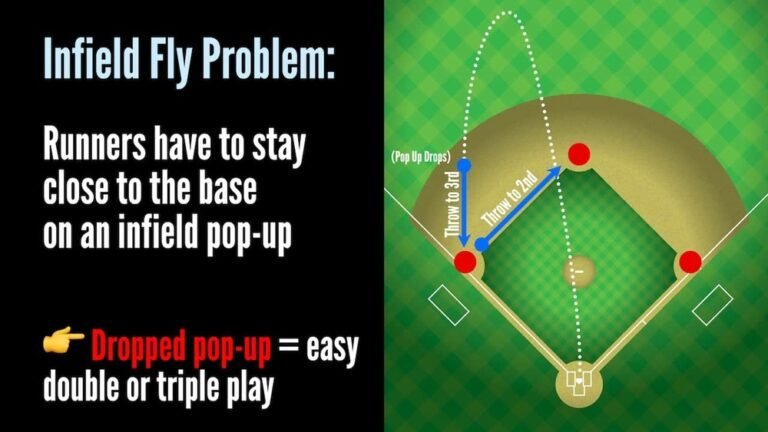
Catching a pop fly in baseball might look easy from the stands, but for the player standing under that ball, it’s a test of skill, timing, and nerves. Miss the catch, and it can cost your team an out or worse—allow runners to advance.
Many beginners and even experienced players drop routine fly balls due to poor technique, lack of focus, or simple mistakes that can be fixed with the right approach. If you want to become a reliable fielder, mastering the pop fly is essential.
Let’s break down every step you need to catch a pop fly with confidence, avoid common errors, and understand why this skill matters at every level of baseball.
What Is A Pop Fly In Baseball?
A pop fly (or “pop-up”) happens when a batter hits the ball high into the air, usually staying inside the infield or shallow outfield. These balls travel almost straight up and down, making them tricky to judge. Unlike line drives, pop flies give defenders time to get under the ball, but wind, spin, and sunlight can make catching them more difficult than they appear.
The Key Fundamentals For Catching A Pop Fly
If you want to catch a pop fly every time, you need to master several basic skills. These fundamentals form the foundation for every successful catch.
1. Proper Ready Position
Before the ball is hit, always be in a ready position: knees bent, weight forward, glove open, and eyes on the batter. This makes it easier to react quickly as soon as the ball is hit.
2. Locating The Ball Quickly
As soon as you hear the crack of the bat, look up and find the ball. Use your peripheral vision to spot its path. The quicker you locate the ball, the better your chance to get under it.
3. Judging The Ball’s Flight Path
Pop flies can be deceiving. Some go higher or farther than they first appear. Watch the ball’s angle and speed to estimate where it will land. If the ball is spinning or the wind is blowing, adjust your position accordingly.
4. Moving To The Right Spot
Move with quick, short steps. Keep your eyes on the ball, but also check your surroundings to avoid collisions. Always try to get behind the ball so you can move forward as you catch it.
5. Using Two Hands
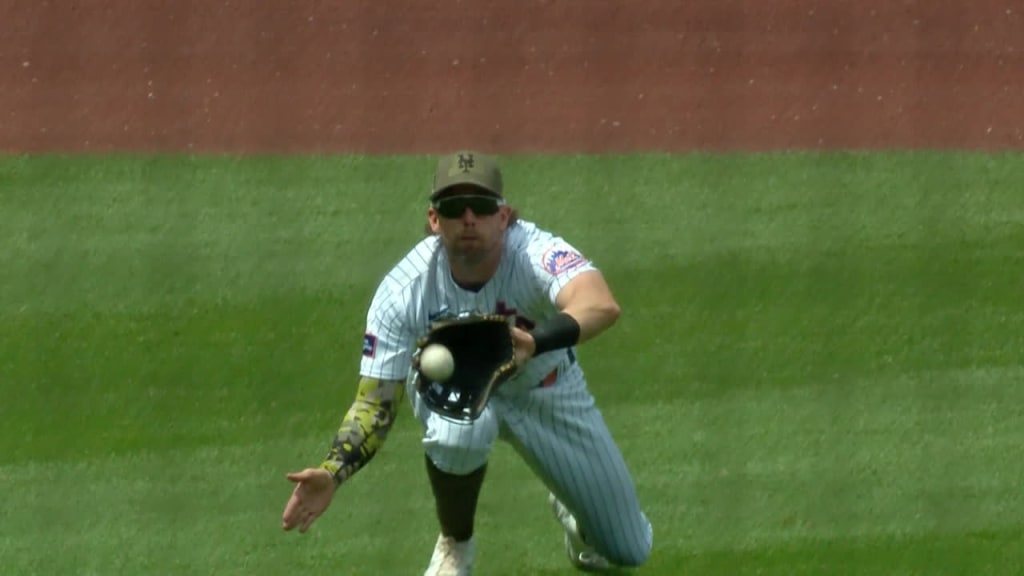
When possible, catch the ball with your glove hand and cover the glove with your throwing hand. This two-hand technique helps secure the ball and reduces the risk of it popping out.
Step-by-step: How To Catch A Pop Fly
Breaking down the process into clear steps can help you practice and build confidence. Here’s a detailed approach to catching a pop fly safely:
Step 1: Get Ready Before The Pitch
- Stand with feet shoulder-width apart.
- Bend your knees slightly.
- Relax your shoulders and keep your glove up.
- Stay on the balls of your feet, ready to move in any direction.
Step 2: Track The Ball Immediately
- Watch the batter, then as soon as the ball is hit, find it in the air.
- Don’t guess—track it with your eyes from bat to sky.
Step 3: Move Into Position
- Take short, quick steps to get under the ball.
- Never run with your glove up; keep it at your side until you’re almost set.
- If the ball is drifting, adjust your path to stay under it.
Step 4: Communicate With Teammates
- If you’re in the infield or outfield, call for the ball loudly (“I got it!”).
- Good communication prevents two players from bumping into each other and dropping the ball.
Step 5: Set Your Feet And Prepare To Catch
- Get under the ball and set your feet.
- Position yourself so the ball comes down just in front of your face or slightly above your glove-side shoulder.
- If possible, catch the ball moving forward—this helps with momentum if you need to throw quickly.
Step 6: Make The Catch
- Raise your glove, fingers pointing up.
- Keep your other hand ready to cover the glove as soon as the ball hits it.
- Watch the ball all the way into your glove.
Step 7: Secure The Ball
- As the ball lands in your glove, close your glove and trap the ball with your throwing hand.
- Bring the glove down to your chest to secure the catch.
Common Mistakes And How To Fix Them
Even experienced players sometimes drop easy pop flies. Here are some typical mistakes—and how to avoid them.
Losing The Ball In The Sun Or Lights
Many pop flies are lost in the sun or stadium lights. To avoid this:
- Use your glove or free hand to shield your eyes while tracking the ball.
- Wear sunglasses or a cap with a brim if playing outdoors.
- Never take your eyes off the ball, even if it gets hard to see.
Drifting Instead Of Setting Up
Drifting means moving sideways or backward while trying to catch the ball, which makes it hard to control the glove.
- Always aim to get under the ball early, then set your feet.
- Move forward as you catch, rather than catching the ball over your shoulder or while backing up.
One-handed Catches
Using only one hand looks flashy but increases the risk of dropping the ball.
- Use two hands whenever possible, especially for routine pop flies.
Not Calling For The Ball
Many dropped pop flies happen because two players go for the same ball and collide.
- Always call for the ball loudly and clearly.
- Listen for teammates who may also call for it, and respect the outfielder’s or shortstop’s call if they have priority.

Advanced Tips For Catching Difficult Pop Flies
Some pop flies are harder to catch due to spin, wind, or awkward locations. Here’s how to handle tough situations:
Catching In The Wind
Wind can push the ball away from where you expect it to land. Watch the ball’s movement and adjust quickly. If the wind is strong, take extra steps to position yourself downwind so you can move forward as the ball comes to you.
Handling Backspin And Sidespin
Balls hit with backspin tend to float and may drop straight down. Sidespin can cause the ball to drift left or right. Focus on the ball’s rotation and be ready to adjust your path at the last moment.
Dealing With Foul Territory
Pop flies near fences or dugouts require extra caution. Know where the fence is before you get too close, and use your free hand to feel for obstacles if needed. Safety always comes first.
Playing Under Stadium Lights
Night games add extra challenge. Always track the ball early before it rises into the lights, and practice under lights if possible to get used to the glare.
The Role Of Communication On The Field
Good teams have strong communication. Outfielders usually have priority over infielders, and center fielders have priority over other outfielders. The player with the best angle or easiest catch should call for the ball. Practice calling for the ball every time, even during drills.
Here’s a quick reference for field priority:
| Position | Priority Over |
|---|---|
| Center Fielder | All Outfielders & Infielders |
| Corner Outfielders | Infielders |
| Shortstop | Other Infielders (except Outfielders) |
This system helps avoid confusion and keeps everyone safe.
How Equipment Can Help
Having the right gear makes a real difference. Here’s a quick comparison of equipment features that can help you catch pop flies.
| Equipment | Feature | Benefit |
|---|---|---|
| Baseball Glove | Deep pocket | Helps secure high fly balls |
| Cap or Visor | Shields eyes from sun | Improves visibility |
| Sunglasses | Reduces glare | Helps track ball in sunlight |
| Cleats | Traction | Prevents slipping on grass or dirt |
Make sure your glove fits your hand properly, and keep it broken in for best performance.
Practice Drills For Perfecting Your Pop Fly Catch
Practice is the best way to build confidence. Here are some drills to try:
- Toss and Catch: Have a partner toss pop flies while you practice getting under the ball and using two hands.
- Sun Ball Drill: Practice catching with the sun in your eyes, using your glove or cap to block glare.
- Wind Drill: On windy days, practice adjusting your path to catch balls that drift.
- Communication Drill: With multiple players, practice calling for the ball and backing off when someone else calls.
Tracking your progress over time can be motivating. Here’s a simple chart to record your catches versus drops during practice:
| Practice Session | Catches | Drops | Success Rate (%) |
|---|---|---|---|
| Week 1 | 17 | 8 | 68 |
| Week 2 | 22 | 3 | 88 |
| Week 3 | 25 | 1 | 96 |
Two Insights Beginners Often Miss
Many new players think standing still under the ball is enough, but it’s often safer to be moving forward as you catch. This forward motion not only helps secure the ball but also prepares you for a quick throw if there are runners on base.
Another detail beginners miss: always practice catching pop flies in different weather and lighting conditions. A cloudy day feels different than a sunny afternoon, and practicing in all environments builds real confidence.
Why Pop Fly Skills Matter At Every Level
Whether you play Little League or adult baseball, the ability to catch a pop fly is key for your team’s defense. Dropped fly balls not only give away outs, but they can also shake a team’s confidence. Strong pop fly skills make you a more valuable player and can even tip the outcome of close games.
For more on baseball fielding techniques, see this Wikipedia guide.

Frequently Asked Questions
What Should I Do If I Lose The Ball In The Sun?
If you lose the ball in the sun, use your glove or free hand to block the sunlight while keeping your eyes on where you last saw the ball. Keep tracking it and never look away, as the ball can reappear quickly.
Wearing sunglasses and a cap can also help.
Who Has The Right To Catch A Pop Fly When Two Players Go For It?
The player with the easiest play, usually the outfielder or center fielder, has priority. Always call loudly for the ball (“I got it!”) to claim it, and listen for teammates. Follow your team’s priority system to avoid collisions.
How Do I Practice Catching Pop Flies Alone?
You can toss a ball straight up and practice getting under it, but for best results, use a wall or a pitching machine if available. Practicing with a partner is ideal, but solo drills help build basic skills.
What Type Of Glove Is Best For Catching Pop Flies?
Choose a glove with a deep pocket to help secure high fly balls. Outfield gloves are often longer and have larger pockets than infield gloves, making them ideal for pop flies.
Why Do Some Players Drop Easy Pop Flies?
Most drops happen due to poor positioning, lack of focus, drifting under the ball, or failing to use two hands. Practicing the right technique, communicating with teammates, and staying calm under pressure can prevent these mistakes.
Catching a pop fly in baseball is more than just standing under the ball—it’s about preparation, movement, communication, and confidence. With practice and attention to detail, you can become the player your teammates trust when the ball goes up.
