

Carrying skis safely is more important than many new skiers realize. Whether you’re walking from your car to the ski lift or transporting skis on a plane, using the right methods can keep you and those around you safe, prevent injury, and protect your expensive equipment.
Struggling with long, awkward skis in a crowded parking lot or on icy sidewalks can lead to accidents. Damaged gear can ruin your day on the slopes before it even begins. So, how do you carry skis safely? Let’s break down everything you need to know, from basic handling to advanced travel tips.
Why Safe Ski Carry Matters
Safe ski carrying is not just about protecting your investment. It’s about personal safety, the safety of others, and even your reputation as a responsible skier. A single careless move can scratch someone’s car, trip a fellow skier, or even cause injury.
Many ski resorts have strict rules against unsafe ski carrying. Understanding the risks will help you avoid common mistakes.
Basics Of Ski Construction And Weight
Before you pick up your skis, it helps to know what you’re dealing with. Most adult skis are between 150 and 190 cm long and weigh about 1. 5–2. 5 kg each. With bindings, the total weight can reach 5 kg per pair.
Skis are also slippery and can rotate unexpectedly if not held properly. Bindings add bulk, making them trickier to handle. Knowing these facts can help you plan the safest way to move them.
Carrying Skis By Hand: Step-by-step
The most common way to carry skis is by hand. But there’s a right way and a wrong way to do it.
- Pair the skis: Place the skis base-to-base so the metal edges face outward.
- Secure the brakes: Make sure the ski brakes (the small arms on the bindings) are locked together. This keeps the skis from sliding apart.
- Grip the skis: Hold both skis with one hand, gripping them just above the bindings. This is the balance point.
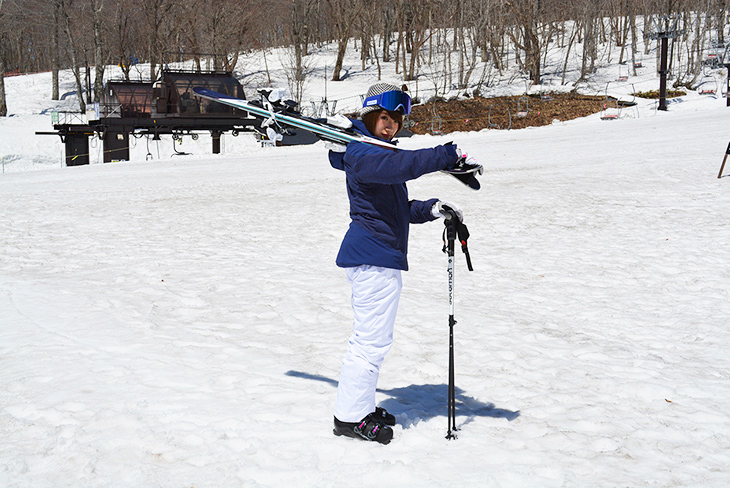
- Position the skis: Rest one end of the skis on your shoulder, keeping the tips pointed forward and slightly up.
- Walk carefully: Be aware of people around you. The tips should not swing out behind you.
This method gives you good control and keeps the sharp edges away from your legs and others. It also prevents the skis from dropping or spinning.
Common Mistakes When Carrying Skis
Many beginners make the same errors, often without realizing it. Here are the big ones:
- Dragging skis: Dragging skis behind you can damage the edges and trip someone.
- Holding skis sideways: Carrying skis with the tips sticking out to the side can hit people.
- Loose skis: Carrying skis without securing them together can cause them to twist or drop.
Being aware of these mistakes is half the battle. Practice correct handling, and it will soon feel natural.
Ski Carry Straps And Shoulder Carriers
If you want to make things easier, try using a ski carry strap or a shoulder carrier. These simple tools can save your energy and make carrying skis more comfortable, especially for longer walks.
How Carry Straps Work
A ski carry strap is usually a padded loop that wraps around your skis and poles. You can sling it over your shoulder like a bag. Some have Velcro for quick attachment, while others use buckles.
Benefits
- Hands-free: Keep your hands free for other gear.
- Even weight: Distributes the load across your shoulder.
- Less strain: Reduces arm and wrist fatigue.
When To Use
Carry straps are ideal for families, children, or anyone who finds skis too heavy or awkward. They’re also helpful when you need to carry other things, like boots or a backpack.
Carrying Skis With Poles: Should You Combine Them?
Many skiers carry their poles and skis together. This can be efficient, but it requires a little technique.
- Stack skis together as before.
- Place poles on the outside of the skis, with baskets at the same end as the ski tips.
- Grip both skis and poles above the bindings, so your hand closes around everything.
This keeps your gear together and prevents dropping things. However, if you’re carrying a lot of equipment, use a carry strap or a ski bag for more control.
Navigating Crowds And Tight Spaces
Ski resorts can get busy, especially at the base lodge, in rental shops, or near the lifts. Here’s how to carry your skis safely in a crowd:
- Keep skis vertical: Hold the skis upright by your side, not over your shoulder.
- Be alert: Watch for children, icy patches, and other obstacles.
- Don’t rush: Take your time, especially when moving through doors or narrow passages.
In crowded spaces, a vertical hold keeps everyone safer and avoids knocking into people.
Using Ski Bags For Travel And Storage
If you’re traveling by car, bus, or plane, a ski bag is essential. It protects your skis from scratches, weather, and rough handling.
Types Of Ski Bags
| Type | Capacity | Protection Level | Use Case |
|---|---|---|---|
| Soft Bag | 1-2 pairs | Basic | Short trips, car travel |
| Padded Bag | 1-2 pairs | High | Air travel, long journeys |
| Hard Case | Up to 3 pairs | Maximum | Airlines, shipping |
Packing Tips
- Remove snow: Wipe skis dry before packing to prevent rust.
- Secure bindings: Use straps or foam to keep skis from moving.
- Add padding: Use clothing or bubble wrap for extra protection.
- Check airline rules: Some airlines have strict size and weight limits.
Transporting Skis By Car
Moving skis by car can be easy if you plan well. Here’s what you need to know.
Roof Racks Vs. Inside The Car
| Method | Pros | Cons |
|---|---|---|
| Roof Rack | Frees inside space, safe for car | Needs installation, exposure to weather |
| Inside Car | Protected from weather | Limited space, may damage interior |
Key Tips
- Use a ski bag inside the car to avoid wet or sharp edges damaging seats.
- Secure the skis so they don’t move during braking.
- Never block airbags or seatbelts with ski bags.
If you use a roof rack, always lock your skis to prevent theft, and double-check they are firmly attached before driving.
Carrying Skis On Public Transportation
Buses, shuttles, and trains are common ways to reach ski resorts. Most allow skis, but there are some things to remember.
- Use a ski bag to avoid scratching other passengers or the vehicle.
- Keep skis upright or lay them flat under your seat.
- Avoid blocking aisles.
- Label your bag with your name and contact info.
Some trains and buses have special racks for skis. Ask staff if you’re unsure.

Air Travel With Skis
Flying with skis takes extra planning. Airlines have strict baggage rules, and ski bags often count as oversized luggage.
Steps For Safe Air Travel
- Check airline policies: Some charge extra for sports equipment.
- Pack properly: Use a padded bag, and add extra protection around the bindings.
- Label everything: Put your name and phone number on the bag and inside it.
- Arrive early: Oversized luggage can take extra time to check in.
Tip: Don’t pack items like wax or tools that are forbidden in checked luggage. Check the airline’s list of banned items.
Carrying Skis For Kids And Beginners
Young skiers often struggle with heavy gear. Here’s how to help them carry skis safely:
- Use junior carry straps designed for smaller hands.
- Teach the basics: Show kids how to pair and grip skis.
- Assist in crowds: Carry their skis in busy areas.
- Practice at home: Let kids practice carrying skis before hitting the slopes.
A little training goes a long way in building confidence and preventing accidents.
Ski Storage At The Resort
Many resorts offer storage options to make your day easier.
- Day lockers: Store skis and boots while you eat or rest.
- Valet service: Staff handle your skis for you.
- Self-serve racks: Always lock your skis, even for a short time.
Storing your skis properly prevents theft and keeps walkways clear for everyone.
Seasonal Storage: Protecting Skis When Not In Use
When the ski season ends, storing your skis safely is important to keep them in good condition.
- Clean and dry: Remove dirt and moisture.
- Loosen bindings: Reduces tension on the springs.
- Store indoors: Keep away from heat, cold, and sunlight.
- Use a storage bag: Protects from dust and scratches.
Proper off-season care means your skis will be ready next winter without repairs.
When To Ask For Help
If your skis are too heavy, or you have a lot of gear, don’t be afraid to ask for help. Ski resort staff, friends, or family can assist. Many injuries happen when people try to carry too much at once.
Expert Tips Most People Miss
Here are two insights even some experienced skiers miss:
- Check for ice or snow buildup before carrying skis. Snow can make them slippery and harder to control, increasing the risk of dropping them.
- Practice carrying with gloves on. Gloves can make skis feel different in your hand. Practicing at home will help you adjust your grip and avoid accidents at the resort.
Quick Comparison: Carry Methods
For a fast look at the best methods for different situations, see this overview:
| Situation | Best Carry Method | Why |
|---|---|---|
| Parking lot to lift | Shoulder carry or strap | Quick, comfortable, hands-free |
| Crowded lodge | Vertical hand carry | Safe for others, easy to control |
| Air travel | Padded ski bag | Maximum protection, follows rules |
| With kids | Junior strap or adult help | Lightweight, prevents accidents |
Frequently Asked Questions
How Should I Carry My Skis In Crowded Areas?
Carry your skis vertically by your side when you’re in crowded places like ski lodges or lift lines. This keeps the tips from hitting people and gives you better control. Always be aware of your surroundings and walk slowly.
Is It Okay To Carry Skis And Poles Together?
Yes, but secure them properly. Place the poles alongside the skis, grip above the bindings, and keep everything tight. For longer walks or for kids, a carry strap or ski bag is safer and more comfortable.
What’s The Best Way To Carry Skis For Long Distances?
For longer walks, use a ski carry strap or a padded ski bag. These distribute the weight across your shoulder, keep your hands free, and make it easier to manage other gear. They also reduce fatigue and prevent dropping your skis.
Can I Carry Skis On Public Transportation?
Most public transportation allows skis, but you should use a ski bag to protect both your gear and other passengers. Keep your skis upright or flat, and avoid blocking aisles. Label your bag to prevent mix-ups.
How Do I Protect My Skis When Flying?
Use a padded ski bag and add extra padding around the bindings and tips. Label your bag clearly, and check airline rules for size and weight limits. Arrive early, as ski bags often need special handling. For more advice, consult the Wikipedia Ski Equipment page.
Carrying skis safely is all about using the right methods for your situation, being aware of those around you, and protecting your gear. With the tips above, you’ll avoid common mistakes and make your next ski trip safer and more enjoyable for everyone.
