
Becoming a professional surfer is more than just riding waves. It takes years of dedication, physical fitness, strategic planning, and a love for the ocean that goes far beyond casual beach visits. While surfing looks fun and carefree, turning it into a career is a challenging journey that involves mastering skills, understanding the surf industry, and building a personal brand.
If you dream of traveling the world and competing with the best, here’s what it really takes to become a professional surfer.
Understanding What A Professional Surfer Does
A professional surfer is someone who earns a living from surfing, usually by competing in events, getting sponsorships, and sometimes teaching or producing surf content. The lifestyle often includes extensive travel, intense training, and constant performance under pressure. Unlike casual surfers, professionals must consistently deliver top results and maintain their reputation in the surfing community.
Building The Essential Surfing Skills
You cannot skip the basics. Every professional surfer starts by developing a strong foundation in key surfing skills:
- Paddling efficiency: Getting to the right spot quickly is crucial in competitions.
- Wave selection: Choosing the best waves is often what separates amateurs from pros.
- Balance and maneuvering: Advanced moves like cutbacks, floaters, and aerials require excellent balance and board control.
- Reading the ocean: Understanding tides, currents, and swells helps you predict the best moments to catch a wave.
To reach a professional level, most surfers practice daily, sometimes for hours at a time. Many start as young as 5 or 6 years old, but it’s not impossible to begin later with enough commitment. Working with a surf coach can help speed up skill development and correct bad habits before they become permanent.
Training Your Body Like An Athlete
Professional surfing demands more than just time on the water. Top surfers have fitness routines that include:
- Cardio workouts: Running, swimming, or cycling for endurance.
- Strength training: Focus on core, legs, and shoulders for better paddling and stability.
- Flexibility: Yoga or stretching to prevent injuries and improve movement.
- Balance exercises: Using balance boards and stability balls to mimic board movement.
Some surfers also work on mental strength through meditation or visualization. This helps them stay calm during competitions and handle stressful situations, like big waves or tough heats.
Choosing The Right Equipment
Picking the correct surfboard and gear can make a big difference. Pros often use custom boards made for their height, weight, and style. Here’s a simple comparison of board types used at different skill levels:
| Surfboard Type | Best For | Typical Length |
|---|---|---|
| Shortboard | Advanced maneuvers, competitions | 5’6” – 6’4” |
| Fish | Small waves, fast turns | 5’2” – 6’0” |
| Longboard | Beginners, classic style | 8’0” – 10’0” |
Investing in high-quality wetsuits, leashes, and wax is also important. Many beginners overlook the impact of surfboard fins and tail shape—these small details can affect speed, control, and turning.
Entering Local Surf Competitions
If you want to go pro, you need to compete. Most professional surfers start in local contests before moving to regional, national, and international events. Here’s what you should know:
- Start small: Local competitions are less intimidating and a good place to learn the rules.
- Watch and learn: Pay attention to how experienced surfers manage heats and choose waves.
- Get feedback: Judges often give advice after events, so ask for tips.
Consistent results in competitions will help you get noticed by sponsors and coaches. Don’t be discouraged by early losses; every pro surfer has faced defeat before reaching the top.
Climbing The Ranks: From Amateur To Pro
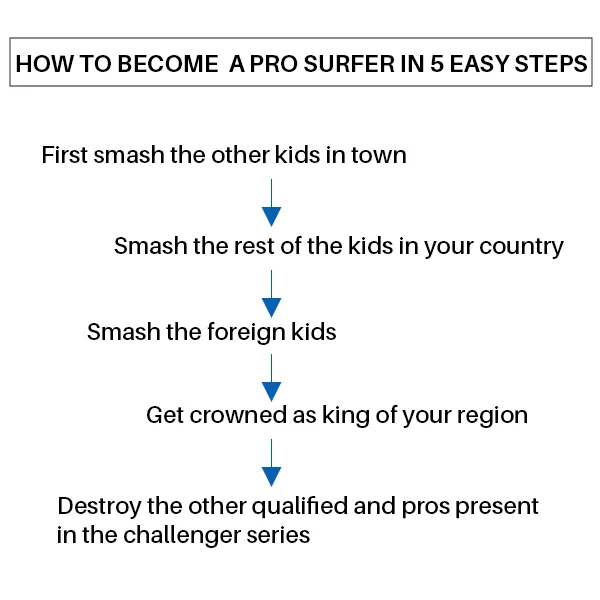
Surfing has a clear path from amateur to professional, but it takes patience and strategy. The main steps include:
- Winning local and regional events: This builds your reputation and ranking.
- Competing in national championships: The best surfers at this level attract attention from sponsors and surf brands.
- Joining the World Surf League (WSL) Qualifying Series: This is the main route to become a full-time pro.
Here’s a look at how surfers progress through the competition system:
| Level | Events | Main Goal |
|---|---|---|
| Local | City or beach contests | Build experience |
| Regional | State or area events | Get ranked |
| National | Countrywide championships | Be seen by sponsors |
| International | WSL Qualifying Series | Earn points for the Championship Tour |
A common beginner mistake is to rush into big competitions without enough experience. Each level prepares you for the next, so take your time and learn at every stage.
The Importance Of Sponsorships
Few surfers make a living from prize money alone. Sponsorships from surf brands, energy drinks, or even non-surf companies are often the main source of income. To attract sponsors, you’ll need more than just good results:
- A unique style or personality: Brands look for surfers who stand out.
- Strong social media presence: Posting regular content, videos, and photos helps you build a fan base.
- Good communication: Sponsors want athletes who can represent their brand professionally.
An insider tip: Many beginners focus only on big brands. Sometimes, starting with a local surf shop or small business is the best way to get your first deal.
Building Your Personal Brand
Today, being a professional surfer means being a public figure. Building a personal brand can help you stand out and attract more opportunities. Consider these steps:
- Share your journey: Document your training, competitions, and travels on social media.
- Connect with fans: Reply to comments, answer questions, and show appreciation.
- Collaborate: Work with other surfers, photographers, and brands for more exposure.
Having a personal website or YouTube channel is another way to showcase your skills and personality. Many top pros, like Kelly Slater and Carissa Moore, have used their image to launch businesses and charitable projects.
Traveling And Adapting To New Conditions
Professional surfers travel worldwide to compete in different types of waves, from warm tropical reefs to cold, powerful beach breaks. Adapting quickly is a key skill. Here are some ways pros handle travel challenges:
- Research the spot: Study surf reports, watch videos, and talk to locals before arriving.
- Pack smart: Bring boards and wetsuits for different conditions.
- Stay healthy: Eat well, rest, and avoid overtraining to prevent illness or injury.
A tip beginners often miss: learning a few words of the local language or understanding local surf etiquette can help avoid misunderstandings in new countries.
Managing Finances And Career Longevity
Surfing is not known for big salaries unless you reach the very top. Most pros must manage finances carefully:
- Save prize money: It’s easy to spend quickly when traveling, but savings are important for slow periods.
- Diversify income: Some surfers teach lessons, create online content, or sell merchandise.
- Plan for the future: Careers can end quickly due to injury or changes in sponsorship.
Many successful surfers invest in real estate or small businesses for long-term security. This is often overlooked by beginners, but it’s essential for a stable future.

Handling Pressure And Staying Motivated
Professional surfing comes with mental challenges—competition stress, long travel, and public scrutiny. Staying motivated is not always easy, especially after a bad contest or injury. Here are some strategies:
- Set clear goals: Short-term and long-term targets help you stay focused.
- Find a support system: Family, friends, and coaches can help during tough times.
- Celebrate small wins: Progress is often slow; recognizing improvement keeps you motivated.
A non-obvious insight: Top surfers often take breaks from surfing to avoid burnout. This helps them return stronger and more inspired.
Comparing Professional Surfing With Other Sports
If you’re wondering how surfing compares to other professional sports, here’s a quick look:
| Aspect | Surfing | Soccer | Tennis |
|---|---|---|---|
| Income Source | Sponsorships, prize money | Club salary, endorsements | Tournament winnings, sponsors |
| Career Length | 10–20 years (varies) | 15–20 years | 15–20 years |
| Travel Required | High | Moderate | High |
| Injury Risk | Medium-High | High | Medium |
Surfing is unique because of its connection with nature and the unpredictability of the ocean. Unlike stadium sports, every competition is different, and conditions can change in minutes.
Learning From The Best: Real-world Examples
Many successful professional surfers followed similar paths but added their own twist. For example:
- Gabriel Medina started young, entered local contests, and built his brand with a strong social media presence.
- Stephanie Gilmore focused on mastering different wave types and built a network of mentors early in her career.
- John John Florence spent years training in challenging Hawaiian waves before moving onto the world stage.
Their stories show that there is no single formula, but hard work, smart planning, and a love for surfing are always required.
Frequently Asked Questions
What Age Should You Start Surfing To Become A Pro?
Most professional surfers start between ages 5 and 10, but it’s possible to start later if you train hard and progress quickly. Focus and consistent practice matter more than age alone.
How Much Do Professional Surfers Earn?
Earnings vary widely. Top surfers can make over $1 million per year from sponsors and prize money, but many earn much less. Most pros rely on sponsorships rather than just competition winnings.
Can You Become A Professional Surfer Without Living Near The Ocean?
It’s challenging, but not impossible. Some inland surfers travel often or spend summers at the coast. However, regular ocean time is essential to develop high-level skills.
How Do You Get Sponsored As A Surfer?
Sponsors look for strong competition results, a unique personal style, and a good public image. Building a social media following and connecting with local surf shops can help you get your first deal.
What Is The Main Organization For Professional Surfing?
The World Surf League (WSL) is the main international body for professional surfing events and rankings. You can learn more about their tours and rules at the World Surf League website.
Becoming a professional surfer is a demanding path, but for those who love the ocean and thrive on competition, it’s one of the most rewarding careers possible. The journey is as important as the destination—so paddle out, stay committed, and ride every wave with passion.