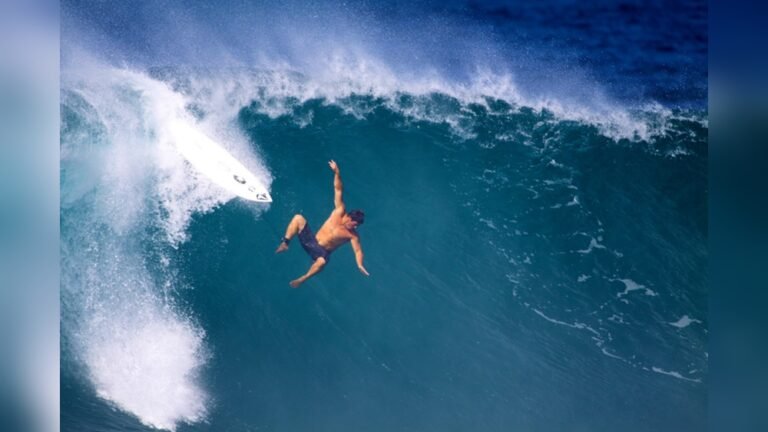
Catching a perfect wave is a dream for many surfers, but every ride carries a risk: the wipeout. Whether you’re a beginner or a pro, wipeouts are part of the sport. They happen when a surfer loses balance and falls off the board—sometimes gently, other times with force. But surfers don’t just accept wipeouts as fate. They use skill, knowledge, and practice to reduce wipeouts and make their sessions safer. Let’s dive into how surfers avoid wipeouts, what techniques they use, and how you can improve your own wipeout survival.
Understanding Wipeouts
A wipeout is more than just falling off a surfboard. It can mean getting tumbled by a wave, dragged underwater, or even hit by your own board. The ocean is powerful, and wipeouts can cause injuries or shake a surfer’s confidence.
Knowing how and why wipeouts happen is the first step to avoiding them.
Common causes of wipeouts:
- Misreading the wave
- Poor positioning on the board
- Bad timing when standing up
- Not adjusting weight correctly
- Equipment failure, like a snapped leash
Wipeouts are most common in larger surf, crowded spots, or when surfers push their limits. But with the right knowledge, many wipeouts can be prevented.
Choosing The Right Wave
Not all waves are the same. Picking the right wave is one of the best ways to avoid wipeouts.
- Wave shape: Surfers look for waves with a clean, predictable face. Closeout waves (which break all at once) often cause wipeouts.
- Wave size: Beginners should start with small, gentle waves. Larger waves are harder to handle and increase the risk of dangerous wipeouts.
- Crowd factor: Surfing in a crowded lineup increases the chance of collisions and mistakes. Less crowded spots are safer, especially for learning.
Understanding wave selection takes time, but experienced surfers watch the ocean for patterns, set waves, and where the best rides break. They pass on poor or risky waves, choosing only those they can handle.

Proper Positioning And Paddling
Where you position yourself on the board and in the lineup matters more than most beginners realize.
- Board position: Lying too far forward causes nose-diving (pearling), while too far back makes it hard to catch waves.
- Lineup position: Sitting in the right spot means you catch waves at the best moment. Too far inside, and you’ll be caught by breaking waves. Too far outside, and you’ll miss the best takeoff.
- Paddling technique: Strong, smooth paddling helps you match the speed of the wave and get into position early.
Here’s a quick comparison of common positioning mistakes and their wipeout risks:
| Positioning Mistake | Common Result | Wipeout Risk |
|---|---|---|
| Too far forward | Nose dive (pearling) | High |
| Too far back | Miss wave or unstable takeoff | Medium |
| Wrong spot in lineup | Caught inside, late takeoff | High |
Experienced surfers adjust their position constantly, both on their board and in the water, to stay ready for the next wave.
Mastering The Pop-up
The pop-up is the move where a surfer goes from lying down to standing up. Messing up the pop-up is a common cause of wipeouts.
- Practice on land: Rehearse your pop-up on the sand so it becomes smooth and automatic.
- Quick, controlled motion: Stand up fast but don’t rush—control is key.
- Stay centered: Keep your weight over the board. Don’t lean too far forward or back.
A lot of beginners skip practicing the pop-up, thinking it will come naturally in the water. In reality, muscle memory from dry land practice helps avoid shaky starts and wipeouts.
Reading The Wave
Reading waves is a skill that separates beginners from advanced surfers. It’s about understanding the ocean’s movement and predicting what a wave will do next.
- Spot the peak: The highest part of the wave is usually where it breaks first. Position yourself there for the cleanest takeoff.
- Notice sections: Some waves have fast or steep sections. If you take off in the wrong spot, the wave can outrun you or throw you off.
- Watch others: Observe experienced surfers. Their positioning and takeoff spots reveal a lot.
Reading waves well means you rarely get caught off guard, and you can avoid the kind of wipeouts caused by surprises.
Timing The Takeoff
Timing is everything in surfing. Paddle too early, and you’ll stall. Paddle too late, and you’ll go over the falls.
- Start paddling early: Give yourself enough speed to match the wave.
- Last strong paddle: A final, deep paddle just before the wave lifts you helps with momentum.
- Commit: Once you go, commit fully. Hesitation often leads to wipeouts.
Hesitation at the last second is a common beginner mistake. If you’re unsure, it’s usually better to let the wave go than to try half-heartedly and risk a wipeout.
Staying Low And Balanced
Balance is a surfer’s best friend. Staying low on the board gives you more control.
- Bend your knees: Lower your center of gravity to handle bumps and turns.
- Keep your weight centered: Leaning too far forward or back makes you unstable.
- Use your arms: Spread your arms for balance, especially during turns or steep drops.
Many wipeouts happen because surfers stand too tall, lose their balance, or freeze up when the wave gets steep.
Learning To Bail Safely
Sometimes, a wipeout is unavoidable. Knowing how to bail (fall off) safely can prevent injuries.
- Fall flat: Try to land flat on the water to avoid hitting the ocean floor.
- Protect your head: Use your arms to shield your head from the board or fins.
- Hold your breath: Waves can hold you under for several seconds. Practice holding your breath calmly.
- Don’t panic: The ocean releases you eventually. Stay calm and wait for the turbulence to pass.
Some surfers develop a “tuck and roll” habit to minimize impact. Practicing safe bails is as important as practicing the ride itself.

Equipment Choices Matter
The right equipment can make wipeouts less likely.
- Board size: Beginners do better on longer, wider boards that offer more stability.
- Leash: A strong leash keeps your board close but not too tight. Weak leashes can snap during heavy wipeouts.
- Wax/traction pads: Good grip prevents slipping at critical moments.
- Fins: The right fin setup gives control and reduces sliding out.
Here’s a quick look at how board types affect wipeout risks:
| Board Type | Stability | Wipeout Risk for Beginners |
|---|---|---|
| Longboard | High | Low |
| Funboard | Medium | Medium |
| Shortboard | Low | High |
Choosing the right board for your skill level means fewer wipeouts and faster learning.
Building Ocean Awareness
Knowing how the ocean works is a powerful tool for avoiding wipeouts.
- Rip currents: Learn to spot and avoid strong currents that can sweep you off your feet.
- Tide changes: Tides affect wave size and shape. Some breaks are best at certain tides.
- Hazards: Rocks, reefs, and other surfers all increase wipeout risks.
Surfers who spend time observing the ocean before paddling out make smarter, safer decisions.

Physical And Mental Preparation
Surfing is demanding. Physical and mental preparation help you avoid wipeouts and handle them better when they happen.
- Fitness: Strong paddling muscles, balance, and flexibility all reduce falls.
- Breath training: Practice holding your breath and staying calm under pressure.
- Focus: Stay alert in the water. Distractions lead to mistakes.
- Positive mindset: Confidence helps you commit to waves instead of hesitating.
Many top surfers use cross-training (like yoga or swimming) to boost their physical ability and endurance.
Practicing Recovery Techniques
No matter how careful you are, wipeouts still happen. How you recover makes a difference.
- Duck diving: On a shortboard, duck diving under oncoming waves helps you avoid the worst impact.
- Turtle rolling: On a longboard, rolling under the board keeps you safe from breaking waves.
- Getting back on: Climb on your board quickly and paddle back out—don’t linger in the impact zone.
These recovery skills keep you in control, even after a fall.
Learning From Every Wipeout
Every surfer wipes out, even professionals. What matters is learning from each experience.
- Replay the moment: After a wipeout, think about what went wrong. Was it timing, positioning, or something else?
- Ask for advice: More experienced surfers often spot mistakes you don’t notice.
- Stay humble: Progress comes from accepting wipeouts as part of the journey.
This growth mindset turns wipeouts from setbacks into valuable lessons.
Wipeout Statistics: How Common Are They?
Many surfers wonder how often wipeouts happen and how risky they really are. Research shows that:
- Novices can expect to wipe out on about 1 in 3 waves during early sessions.
- Intermediate surfers lower that to 1 in 10 waves.
- Pros still wipe out, but at a much lower rate—sometimes just 1 in 20 waves or better.
Here’s a breakdown of average wipeouts per session by experience:
| Experience Level | Average Wipeouts/Session |
|---|---|
| Beginner | 10–20 |
| Intermediate | 5–10 |
| Advanced | 2–5 |
| Professional | 1–3 |
These numbers show that wipeouts are normal—even for experts. The key is to wipe out less often, and more safely, as you gain skill.
Two Insights Beginners Often Miss
1. Observation Time Is Never Wasted
Many beginners rush into the water without watching the waves and other surfers. But sitting on shore for even 15 minutes can reveal where the best takeoff spots are, how often sets come, and which waves to avoid. Smart observation leads to fewer wipeouts.
2. Breath Training Is Essential
Surfers focus on riding, but rarely practice breath holds. Even basic breath training can make wipeouts less scary and safer, as you’re prepared to be underwater for longer than you expect.
Frequently Asked Questions
Why Do Surfers Wipe Out Even After Years Of Experience?
No surfer is perfect, and the ocean is unpredictable. Even pros wipe out when they push their limits, face new waves, or deal with unexpected changes. Experience lowers the risk but never removes it completely.
How Can I Become More Comfortable With Wipeouts?
Practice holding your breath, stay calm underwater, and learn to fall safely. The more you experience wipeouts, the more you realize they are a natural part of surfing—not something to fear.
What Should I Do If I Get Held Underwater During A Wipeout?
Stay calm, hold your breath, and protect your head. The wave will let go after a few seconds. Try not to fight the water—relax and surface when you feel the turbulence fade.
Is There Special Gear That Helps Avoid Wipeouts?
Choosing the right board and using wax or traction pads helps with stability. Wearing a leash keeps your board close, but there’s no equipment that replaces skill and ocean awareness.
Where Can I Learn More About Surfing Safety?
One of the best resources is the Wikipedia page on surfing safety, which covers rules, hazards, and tips for all levels.
Surfing is about challenge and joy—but also about respect for the ocean. By learning how to avoid wipeouts and handle them well, you’ll progress faster and stay safe. With each session, you’ll find yourself wiping out less—and smiling more—on every wave.
