Skiing is an exciting sport, but it comes with its own set of challenges. The mountain environment can be harsh, with cold winds, bright sunlight, flying snow, and changing weather. If you have ever squinted your eyes while trying to spot the next turn, you know how important clear vision is on the slopes. This is where ski goggles become more than just an accessory—they are a critical part of your gear that can make a real difference in your experience and safety.
Let’s explore how ski goggles help while skiing, why they are necessary, and what you should know before choosing your next pair. Understanding their purpose can help both beginners and experienced skiers enjoy the slopes with more confidence and comfort.
Protection From Wind And Cold
One of the most basic, yet essential, roles of ski goggles is to shield your eyes from harsh mountain winds and extreme cold. When you ski at higher speeds, the wind pressure increases, making your eyes water and your vision blurry. Cold air can also cause discomfort, and in some cases, even freeze your eyelashes or the moisture in your eyes.
Goggles act as a barrier, keeping your eyes warm and protected. This is especially important during descents when you are moving fast, and the wind chill factor is much higher. Without goggles, many skiers experience tearing and irritated eyes, which can be both uncomfortable and dangerous when navigating tricky slopes.
Enhanced Visibility In Changing Light Conditions
Mountain weather can shift quickly. You might start your day under a bright blue sky, only to find yourself in fog, snow, or flat light a few hours later. Flat light is a common challenge for skiers—it happens when the sun is blocked, making it hard to see bumps, dips, or changes in the snow.
Ski goggles come with specialized lenses that help manage different light conditions. Most goggles use tinted or mirrored lenses to reduce glare and enhance contrast, helping you see terrain features more clearly. For example, yellow or rose-tinted lenses increase contrast during cloudy or snowy days, while darker lenses are better for strong sunlight.
Below is a comparison of popular lens tints and their ideal uses:
| Lens Tint | Best for Conditions | Light Transmission |
|---|---|---|
| Yellow/Gold | Low light, foggy, snowy | High (60-80%) |
| Rose/Pink | Cloudy, flat light | Medium-High (40-60%) |
| Dark Gray/Brown | Sunny, bright days | Low (10-20%) |
Many goggles today also offer interchangeable lenses, allowing you to swap them based on the day’s weather. This flexibility ensures you always have the right vision on the mountain.

Protection From Uv Rays
At high altitudes, the sun’s ultraviolet (UV) rays are much stronger. Fresh snow can reflect up to 80% of UV light, which means your eyes are exposed to more radiation than usual. Over time, this can cause snow blindness—a painful condition similar to sunburn, but for the eyes. It can also increase the risk of cataracts and other eye damage.
High-quality ski goggles block 100% of UVA and UVB rays. Even on cloudy days, UV protection matters because rays can penetrate through clouds. Investing in goggles with certified UV protection is not just about comfort—it’s about keeping your eyes healthy for the long term.
Shielding From Snow, Ice, And Debris
When you ski, especially off-piste or during heavy snowfall, snow and ice can easily hit your face. If you fall or ride through trees, branches or small debris can also be a hazard. Goggles create a physical shield, protecting your eyes from these elements.
This is crucial, as even a small chunk of ice or a flying twig can cause serious injury if it strikes your eye at speed.
Reducing Glare And Eye Fatigue
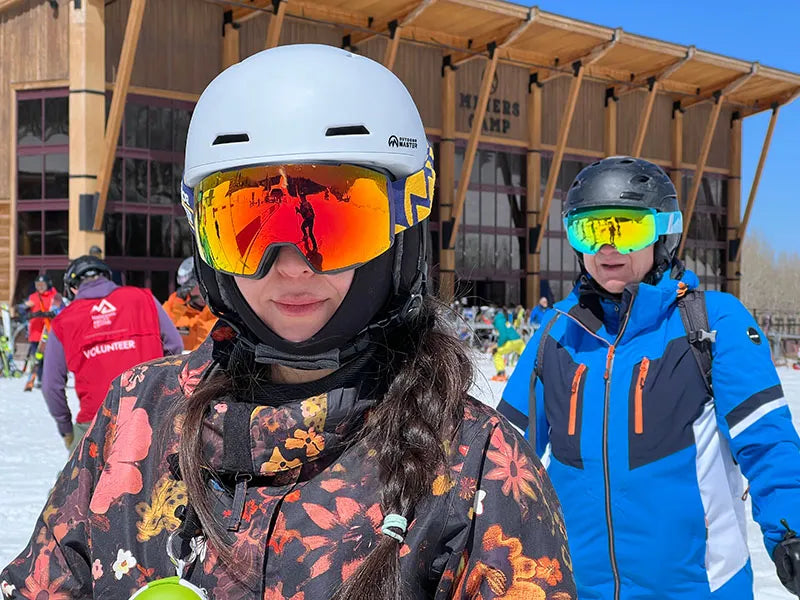
Sunlight bouncing off the snow can be blinding. This intense reflection is called glare, and it can make it hard to see and even cause headaches or eye fatigue. Most ski goggles use anti-glare coatings or mirrored lenses to cut down on reflected light.
Some advanced goggles use polarized lenses to further reduce glare. Polarization works by filtering out horizontal light waves, giving you a clearer and more comfortable view. However, it is worth noting that some skiers feel polarized lenses can make it harder to spot icy patches, so personal preference and testing are important.
Preventing Fogging For Clear Vision
One of the most common problems on the slopes is foggy goggles. When warm air from your face meets the cold lens, condensation can build up, blocking your vision. Modern ski goggles use several strategies to fight fog:
- Double-layered lenses create an insulating barrier, reducing condensation.
- Anti-fog coatings on the inside of the lens help moisture spread out and evaporate.
- Vented frames allow air to flow, balancing temperature and humidity.
Below is a comparison of anti-fog features in ski goggles:
| Anti-fog Feature | How It Works | Effectiveness |
|---|---|---|
| Double-Lens Construction | Insulates between cold and warm air | High |
| Anti-fog Coating | Prevents moisture buildup on inner lens | Medium-High |
| Vented Frames | Improves airflow to reduce fog | Medium |
For best results, avoid touching the inside of your lens, as this can damage the anti-fog layer.
Improving Peripheral Vision
Peripheral vision is your ability to see objects to the side without turning your head. This is crucial while skiing, as you need to be aware of other skiers, snowboarders, and obstacles around you. High-quality ski goggles are designed with wide frames and larger lenses, so you can see more of your surroundings.
Some low-cost goggles have narrow frames that limit your field of view, making you less aware of what’s happening around you. When buying goggles, look for models that promise an “expanded field of vision” or “frameless” design.
Helping With Depth Perception
Depth perception allows you to judge distances and shapes in the snow. Certain lens colors, like rose or amber, enhance contrast, making bumps, moguls, and icy patches stand out. This helps you react faster and choose safer lines down the slope.
For beginners, poor depth perception is a common reason for falls or missed turns. By wearing goggles with the right tint, you can “see” the terrain better and ski with more confidence.
Comfort And Fit: Why It Matters
A comfortable pair of goggles makes a huge difference during a long day on the mountain. Good fit prevents cold air from sneaking in, stops snow from getting inside, and holds the goggles securely in place even during falls.
Key comfort features include:
- Triple-layer foam for a snug, cushioned seal around your face
- Adjustable straps to fit over helmets or hats
- Flexible frames that adapt to different face shapes
A common mistake is buying goggles without trying them on with your helmet. Not all goggles fit every helmet perfectly, so always check compatibility before purchasing.
Prescription And Over-the-glasses (otg) Options
Many skiers wear glasses. Skiing without clear vision is dangerous, but regular goggles often do not fit over prescription frames. Over-the-glasses (OTG) goggles are designed with extra space and special cutouts, so you can wear them comfortably over your glasses.
Some ski goggles also offer prescription inserts or lenses, allowing those with vision needs to enjoy the same comfort and safety as everyone else.
Durability And Longevity
Ski goggles are built to withstand cold temperatures, impacts, and scratches. Quality goggles use polycarbonate lenses that are shatter-resistant, and frames made from flexible, durable materials. Investing in well-made goggles can save you money in the long run, as they resist cracks and lens damage better than cheap models.
Below is a comparison of common goggle lens materials:
| Lens Material | Durability | Scratch Resistance |
|---|---|---|
| Polycarbonate | High | Medium |
| Acrylic | Medium | Low |
| NXT/Trivex | Very High | High |
Caring for your goggles—by storing them in a soft bag and cleaning only with the provided cloth—extends their life and keeps your vision clear.
Psychological Benefits: Confidence And Focus
Wearing the right ski goggles does more than just protect your eyes. They help you feel confident and focused, knowing that your vision is clear and your eyes are safe. When you do not have to worry about glare, cold, or snow getting into your eyes, you can concentrate on your technique and enjoy the ride.
This mental boost is often overlooked. Many beginners feel nervous on the slopes, but having gear that works well makes it easier to relax and learn.
Common Mistakes When Choosing Ski Goggles
Many people make errors when buying ski goggles, such as:
- Ignoring lens quality – Cheap lenses can distort vision or scratch easily.
- Choosing style over function – A cool look is nice, but comfort and performance are more important.
- Not considering light conditions – One lens does not work for all weather. Consider goggles with interchangeable lenses.
- Forgetting about helmet fit – Always try on goggles with your helmet before buying.
- Neglecting UV protection – Not all goggles offer full UV coverage. Check before you buy.
Avoiding these mistakes ensures you get goggles that actually help you, not just look good.
Two Insights Most Beginners Miss
- Ventilation is as important as lens tint. Many skiers focus only on color, but poor ventilation causes fogging, no matter how good the lens is. Look for goggles with adjustable vents if you ski in different climates.
- Padding thickness affects both comfort and warmth. Thicker foam means better insulation, but if it’s too thick, it can squeeze your nose and reduce airflow. Try different brands to find the right balance for your face shape.

Final Thoughts
Ski goggles do much more than just complete your look on the slopes. They are a key part of staying safe, comfortable, and confident—protecting your eyes from wind, cold, UV rays, and flying snow. With improved visibility, reduced glare, and enhanced comfort, they let you focus on your skiing, not your vision.
Whether you are a beginner or an expert, the right goggles can turn a good day into a great one.
If you want to learn even more about eye safety in sports, the Wikipedia page on ski goggles provides additional technical details and history.
Frequently Asked Questions
What Is The Main Purpose Of Ski Goggles?
The main purpose of ski goggles is to protect your eyes from wind, cold, UV rays, and flying snow or debris, while also improving visibility in different weather conditions.
Can I Wear Ski Goggles Over My Glasses?
Yes, many brands offer OTG (over-the-glasses) goggles designed to fit comfortably over prescription eyewear. Some also provide prescription lens options for a perfect fit.
How Do I Prevent My Ski Goggles From Fogging Up?
To prevent fogging, choose goggles with double lenses, anti-fog coating, and good ventilation. Do not wipe the inside of the lens, as this can damage the anti-fog layer.
Are All Ski Goggles Uv-protected?
No, not all goggles block UV light. Always check for 100% UVA/UVB protection when buying, as this is essential for eye safety at high altitudes.
Do I Need Different Lenses For Different Weather?
Yes, different lens tints are better for various light conditions. Bright days need darker lenses, while cloudy or snowy days are best with lighter, high-contrast tints. Some goggles offer interchangeable lenses for flexibility.
