
Ice hockey is a fast and intense sport, but one thing that often surprises newcomers is how players swap in and out of the game so quickly. Unlike many sports, ice hockey uses a unique substitution system called “line changes.” Understanding how ice hockey substitutions work is key to appreciating the speed, strategy, and excitement of the game. Let’s break down everything you need to know about this important part of hockey.
Basic Idea Of Ice Hockey Substitutions
In ice hockey, substitutions happen “on the fly,” which means players can leave and enter the ice while the game is still going. There are no stoppages required for most changes, and this keeps the action moving. The only time teams must wait for a stoppage is after a penalty or for a goalie change.
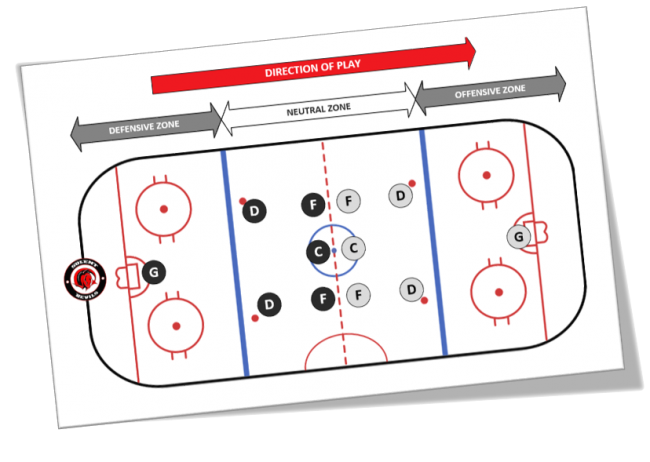
Each team uses groups of players called “lines.” A line is usually made up of three forwards and two defensemen. Teams keep their players fresh by rotating these lines every 30 to 60 seconds. This system is different from sports like soccer or basketball, where substitutions are less frequent and often require a stoppage in play.
Why Are Substitutions So Frequent?
Hockey is an extremely demanding sport. Players skate at high speeds, make quick turns, and often get checked by opponents. Shifts are short because the game is so intense. On average, a player’s shift lasts 45 seconds. Staying on the ice for too long leads to mistakes, slower reactions, and tired legs.
Coaches want players to give full effort during every shift. Frequent substitutions keep energy high and allow teams to play at maximum speed. This is especially important late in games or during overtime.
How Substitutions Happen: The Process
On-the-fly Changes
Most substitutions occur on the fly. Here’s how it works:
- A player on the ice skates toward the bench.
- As they get close, their replacement jumps onto the ice.
- The outgoing player must be within about five feet of the bench before the new player steps on, according to NHL rules.
Players must be careful not to have too many men on the ice at once, or their team gets a penalty. Timing and awareness are crucial. Mistakes here can cost a team a goal or even the game.
Stoppage Substitutions
Some changes happen during a stoppage in play (after a whistle). Coaches use this time to make planned substitutions, adjust lines, or set up special teams for power plays and penalty kills.
Goalie Changes
Goalies are not substituted on the fly except in rare emergencies. Most goalie changes happen during a stoppage because it takes longer for a goalie to get to and from the bench.
Types Of Line Changes
Teams organize their substitutions by lines. Here are the main types:
- Forward lines: Three forwards (left wing, center, right wing) who play together.
- Defensive pairs: Two defensemen who work as a unit.
- Power play and penalty kill units: Special groups for when a team has more or fewer players due to penalties.
Coaches track which line is next so players are ready. You might hear “first line,” “second line,” and so on. Teams usually have four forward lines and three defense pairs.
Here’s a quick comparison of typical line setups in a professional game:
| Position | Number of Lines/Pairs | Players per Group |
|---|---|---|
| Forwards | 4 lines | 3 |
| Defensemen | 3 pairs | 2 |
| Goalies | 2 | 1 |
Rules And Penalties For Substitutions
Substitutions might look chaotic, but there are strict rules to prevent unfair play:
- Too Many Men on the Ice: If more than six skaters are on the ice, the team gets a two-minute minor penalty.
- Illegal Substitution: Jumping on the ice too early, or leaving too late, can also result in a penalty.
- Goaltender Substitution: Changing goalies during play is only allowed if the regular goalie is injured or pulled for an extra attacker.
Here’s a quick look at common substitution penalties:
| Penalty | Description | Consequence |
|---|---|---|
| Too Many Men | More than allowed players on ice | 2-minute minor penalty |
| Illegal Change | Player enters/leaves at wrong time | 2-minute minor penalty |
| Goalie Violation | Unauthorized goalie change | Goal disallowed/faceoff |
Strategies Behind Substitutions
Substitutions are not just about rest. Coaches use them to:
- Match lines: Put defensive players against the opponent’s best scorers.
- Exploit weaknesses: Send out fast players against tired defenders.
- Set up special teams: Prepare for power plays or penalty kills.
One non-obvious detail: teams with the last line change (the home team) can react to the visiting team’s choices. This gives a strategic advantage, especially in close games.

The Bench And The Door
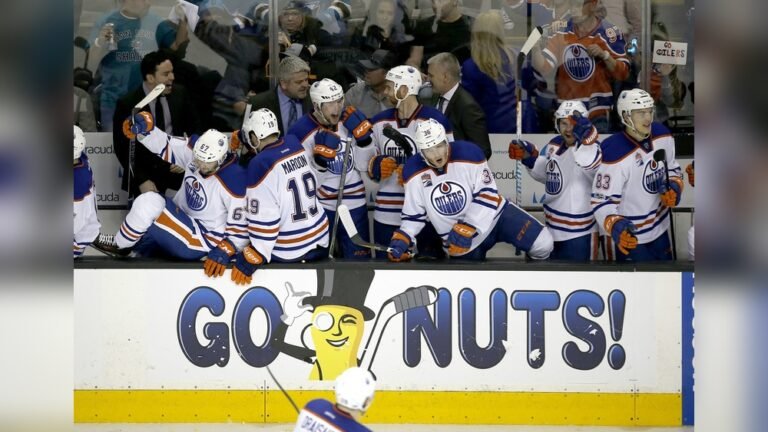
The player’s bench is carefully organized. Players sit in order, and coaches shout out which line is next. Most substitutions happen through the bench door, but sometimes players jump over the boards. Quick, safe changes are essential to avoid confusion and penalties.
A practical tip: the defense usually changes first, then the forwards. This prevents leaving the goalie unprotected during a change.
Substitutions And Game Flow
Because substitutions happen so fast, the pace of ice hockey rarely slows down. This keeps fans excited and players engaged. The constant movement is part of what makes hockey unique compared to other sports.
Here’s a data table showing average shift lengths for NHL players:
| Position | Average Shift Length | Shifts Per Game |
|---|---|---|
| Forwards | 45 seconds | 20–25 |
| Defensemen | 55 seconds | 25–30 |
| Goalies | Full game | 1 |
Notice that defensemen usually play longer shifts, but fewer forwards are on the ice at once, so they rotate faster.
Two Insights Most Beginners Miss
- Substitutions are tactical, not just for rest: Coaches use line changes to control the game, not only to avoid fatigue.
- Players must listen and react instantly: If a player misses a change, it can lead to dangerous situations or leave the team shorthanded.
Watching Substitutions In Action
If you watch an NHL game, focus on the bench during play. You’ll see coaches calling lines, players ready to jump, and outgoing players sprinting to the bench. Substitutions happen so quickly that sometimes even TV cameras miss them.
If you want to learn more about the official rules, the Wikipedia page on ice hockey rules gives a detailed breakdown.
Frequently Asked Questions
How Many Players Can Be On The Ice At One Time?
Each team can have six skaters on the ice: five skaters and one goalie. If the goalie is pulled for an extra attacker, there can be six skaters and no goalie.
Can Players Change Lines During A Power Play?
Yes, teams often rotate their power play units or penalty kill units to keep players fresh and adjust strategy.
What Happens If A Team Makes An Illegal Substitution?
An illegal substitution usually results in a two-minute minor penalty for “too many men on the ice.” Play stops and the other team gets a power play.
Why Do Teams Change Lines So Often?
Frequent changes keep players rested and fast. Hockey is physically intense, and tired players are less effective and more likely to make mistakes.
Are There Limits To How Many Substitutions A Team Can Make?
No, teams can make unlimited substitutions during a game. The only restriction is not having more than the allowed number of players on the ice at one time.
Understanding how ice hockey substitutions work gives you a new appreciation for the speed and strategy of the sport. Next time you watch a game, try to spot the line changes—they are a big part of what makes hockey so thrilling to play and watch.
