
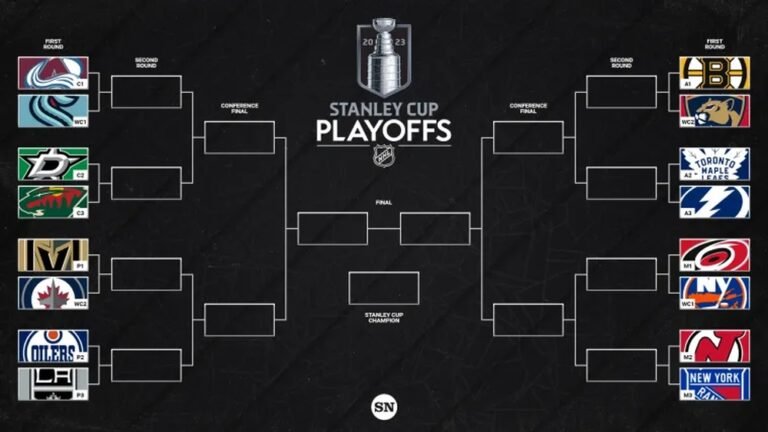
Ice hockey playoffs create some of the most thrilling moments in sports. Fans wait all season to see their favorite teams battle for the championship. But if you’re new to the sport, the playoff system can look confusing. Who qualifies? How are matchups decided? How many games does each series last? Let’s break down how ice hockey playoffs work, focusing on the most popular league, the NHL, and touching on other formats used around the world.
The Basics Of Ice Hockey Playoffs
The playoffs are a knockout tournament at the end of the regular season. Teams compete in a series of elimination rounds. Each round, the losing team is removed, and the winner advances. The final team remaining becomes the champion.
Most ice hockey leagues use playoffs to decide their champion, but the structure can differ. The National Hockey League (NHL) playoffs are the most famous and followed, so understanding their system helps explain the general idea.
Nhl Playoff Format Explained
The NHL playoffs bring together the top teams from the regular season. Here is how the system works step-by-step:
How Many Teams Qualify?
- 16 teams qualify: 8 from the Eastern Conference and 8 from the Western Conference.
- Each conference has two divisions. The top three teams from each division automatically make the playoffs (total: 6 per conference).
- The next two best teams in each conference, regardless of division, get “wild card” spots.
How Are Matchups Decided?
- In the first round, each division winner plays a wild card team.
- The second and third teams from each division face each other.
- Matchups are set by regular season points. The division winner with the most points gets the lower-seeded wild card.
Series Format
- Each playoff round is a best-of-seven series. The first team to win four games moves on.
- Home-ice advantage goes to the team with more regular season points. Games are played in a 2-2-1-1-1 format (the team with home-ice gets Games 1, 2, 5, and 7 at home).
Playoff Rounds
There are four rounds:
- First Round (Conference Quarterfinals)
- Second Round (Conference Semifinals)
- Conference Finals
- Stanley Cup Final
The winner of the Stanley Cup Final is the league champion.
Example
In the 2023 NHL season, the Florida Panthers entered as a wild card team but advanced all the way to the Stanley Cup Final, showing that even lower-seeded teams can make a deep run.
Overtime In Playoff Games
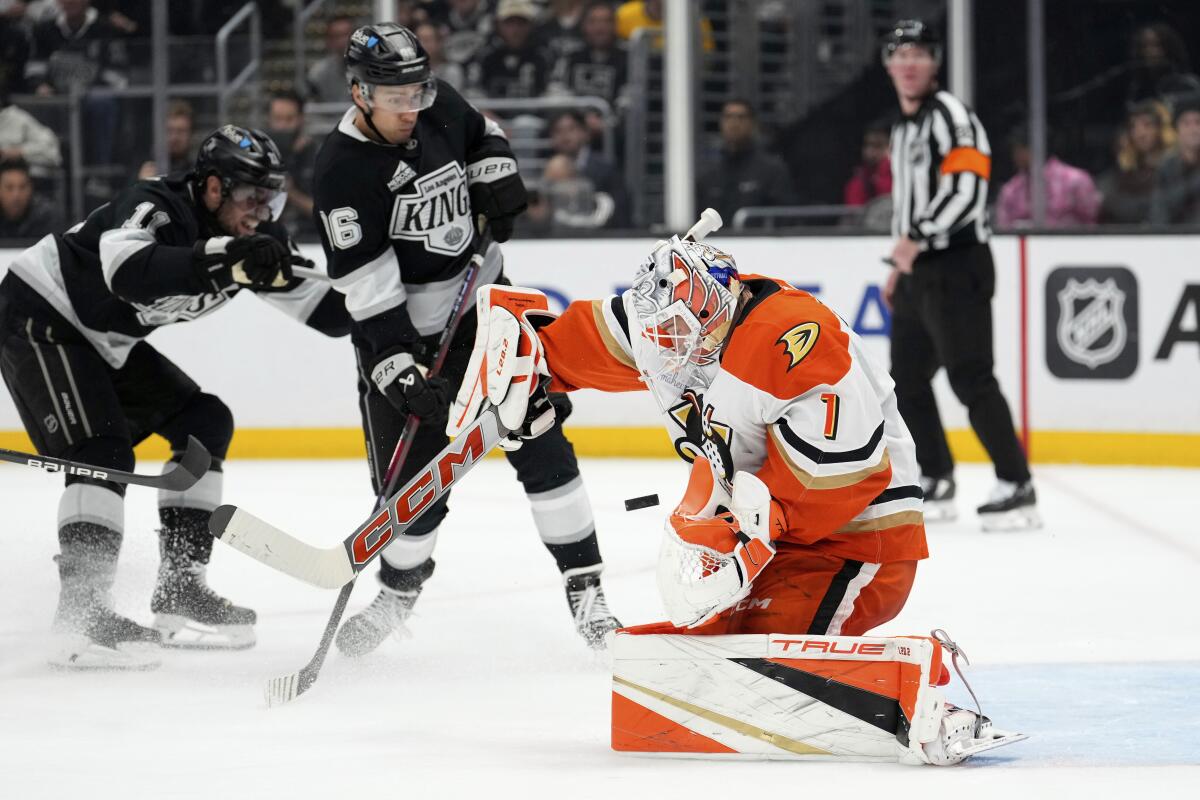
Unlike the regular season, playoff games cannot end in a tie. If the score is tied after three periods, teams play 20-minute overtime periods until someone scores—a format called “sudden death.” This can lead to dramatic, late-night finishes and unforgettable moments.
International And Other Leagues
Not all ice hockey leagues use the NHL model. Here’s a look at how playoffs can differ in other leagues:
European Leagues
- Many European leagues, like Sweden’s SHL or Finland’s Liiga, use a best-of-five or best-of-seven series, but with fewer teams (usually 8 or 10).
- Some leagues use play-in rounds to determine final playoff spots.
College And Minor Leagues
- The NCAA uses a single-elimination format—one loss, and you’re out.
- Minor leagues (like the AHL) often use best-of-five series in early rounds and best-of-seven for finals.
Key Terms In Ice Hockey Playoffs
Understanding some common playoff terms can help you follow the action better:
- Wild card: Teams that qualify for the playoffs despite not being among the top teams in their division.
- Seeding: Ranking teams based on their regular season performance to determine matchups.
- Home-ice advantage: The right to play more games at home during a series.
- Elimination game: A game where one team faces being knocked out if they lose.
Common Playoff Strategies
Teams often change how they play in the postseason. Games become more physical, and coaches focus on defense and goaltending. Special teams (power plays and penalty kills) become even more important, and star players are expected to play more minutes.
Playoff Upsets And Surprises
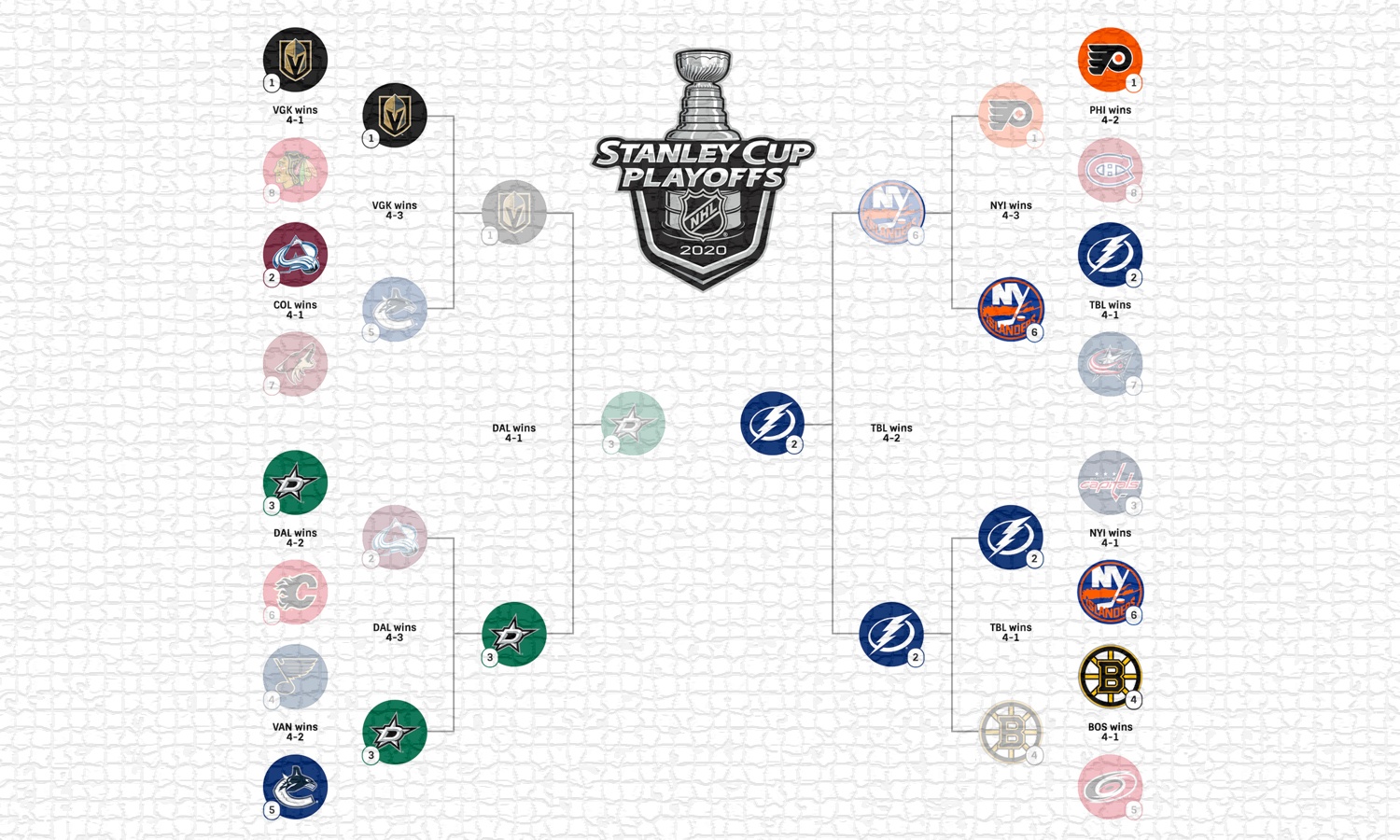
One of the most exciting parts of the playoffs is the upset—when a lower-seeded team defeats a favorite. This happens regularly, adding drama and unpredictability. In 2019, the Columbus Blue Jackets swept the top-seeded Tampa Bay Lightning in the first round, shocking the hockey world.
Comparing Regular Season Vs. Playoffs
Here is a quick look at how the regular season and playoffs differ:
| Feature | Regular Season | Playoffs |
|---|---|---|
| Game Length | 60 minutes (+ overtime if tied) | Unlimited 20-min OT periods |
| Series Format | Single games | Best-of-seven series |
| Ties | Possible (shootout) | No ties allowed |
Home-ice Advantage Details
Which team gets more home games can be critical in the playoffs. Here’s how home-ice advantage is decided:
| Situation | How Home-Ice Is Decided |
|---|---|
| First Round | Team with more regular season points |
| Later Rounds | Team with more points in regular season |
| Stanley Cup Final | Team with more points, even if in different conferences |
Playoff Qualification: A Closer Look
How teams earn their playoff spot is important. Here is a summary of what matters:
| Factor | Importance | Example |
|---|---|---|
| Regular Season Points | Highest priority | Team with 110 points gets higher seed |
| Division Ranking | Decides automatic qualifiers | Top 3 in each division |
| Wild Card | Fills remaining spots | Next two highest point totals |

Two Insights Many Miss
- Seeding can make or break a team’s path. A lower seed often faces tougher opponents and less home-ice, but upsets do happen—never count out an underdog.
- Momentum is real. Teams that just sneak into the playoffs are sometimes the most dangerous, riding a hot streak and confidence.
Getting The Most Out Of Playoff Watching
For new fans, it’s easy to get caught up in the excitement. Try following one team’s journey, and pay attention to storylines: injuries, rivalries, and player matchups often decide who advances. If you want more details on the official rules and format, the NHL’s own website is a great resource: Stanley Cup Playoffs.
The ice hockey playoffs are a test of skill, willpower, and team chemistry. Every game can be a turning point, and every series tells a story. Whether you’re a new fan or a long-time follower, the playoff season brings out the best in the sport.
Frequently Asked Questions
How Many Games Are Played In Each Nhl Playoff Series?
Each round is a best-of-seven series, so the first team to win four games advances. This means a series can be as short as four games or as long as seven.
What Happens If A Playoff Game Is Tied After Regulation?
If teams are tied after 60 minutes, they play 20-minute overtime periods until one team scores. There are no shootouts or ties in the playoffs.
How Are Wild Card Teams Chosen?
Wild card teams are the two teams in each conference with the highest points that did not finish in the top three of their division. They fill out the 7th and 8th playoff spots.
Is Home-ice Advantage Important In The Playoffs?
Yes, home-ice advantage can be crucial. The team with home-ice gets to play up to four of seven games at home, which can help with crowd support and last line changes.
Can A Low-seeded Team Win The Stanley Cup?
Absolutely. Playoff history shows that lower-seeded teams can get hot at the right time and win the championship. The playoffs are unpredictable, making every series exciting.
